B2B Architectural & Stage Lighting Engineering Guide

How to Select High-Density Artnet SPI Ethernet Pixel Controllers for Multi-Universe LED Systems

Solve packet drop, signal latency, and IC timing misalignment in ultra-large addressable LED projects. Learn how Shenzhen Livdo Lighting Technology Co., Ltd. delivers zero-frame-loss Ethernet-to-SPI hardware engineered for WS2815, WS2811, SK6812, and FCOB SPI addressable pixel systems.

Information Gain & Technical Architecture

The Engineering Bottleneck: Why Traditional DMX Fails and Ethernet-to-SPI Prevails

When managing complex LED mapping on building facades, stadium perimeters, or immersive interior coves, lighting integrators quickly hit the physical boundaries of legacy DMX512 networks. A single DMX universe carries 512 channels—controlling just 170 RGB pixels or 128 RGBW pixels. Running thousands of individual addressable pixels using traditional RS-485 DMX daisy-chains requires hundreds of cables, line repeaters, and complex power distribution networks.

An Artnet SPI Ethernet Pixel Controller bridges standard TCP/IP Ethernet networks with high-speed Serial Peripheral Interface (SPI) protocols required by digital addressable LED driver ICs (such as WS2812B, WS2815, SK6812, GS8208, and FCOB SPI). By broadcasting or unicasting packetized Art-Net (or sACN E1.31) lighting data over Fast/Gigabit Ethernet, a single Ethernet port can carry up to 32 or 64 DMX universes (5,440 to 10,880 RGB pixels) directly to the LED controller hub.

At Shenzhen Livdo Lighting Technology Co., Ltd., our engineering division designs controller hardware that eliminates signal degradation, clock jitter, and frame rate drops through hardware-level FPGA/MCU frame buffer synchronization and optical isolation.

1. High Universe Density & Bandwidth

Our Artnet SPI controllers process up to 32+ universes per device at a sustained 60 FPS refresh rate. Built-in network switch ICs allow seamless daisy-chain topology across large venue deployments without external Ethernet switches.

2. Dual-Signal & Breakpoint Resume

Full hardware compatibility with dual-data line pixel ICs like WS2815 and GS8208. If an individual LED chip fails, the controller automatically redirects data through the backup line (BIN), preserving continuous light flow across the entire architectural run.

3. Precision SPI Clock & Universal IC Support

Engineered with adjustable SPI timing frequencies (up to 30MHz), allowing stable data transmission to single-wire, dual-wire, and differential pixel ICs (WS2811, WS2812B, WS2815, SK6812 RGBW, SK9822, APA102, FCOB SPI) up to 10 meters without signal boosters.

Enterprise Hardware Selection

Recommended Artnet SPI Ethernet Controller Models

Directly manufactured by Shenzhen Livdo Lighting Technology Co., Ltd. to meet international compliance standards (CE, RoHS, FCC, UKCA) with rigorous SGS-verified quality control.

Artnet SPI DMX Ethernet Pixel Controller for WS2815 WS2811

Art-Net SPI / DMX Ethernet Pixel Controller (Multi-Universe Pro)

Designed for large-scale stage setups and commercial facade lighting. Features dual RJ45 Ethernet ports, OLED status display, web-browser interface configuration, and full compatibility with Madrix, Resolume, xLights, and QLC+.

16/32 Universes DC 5V-24V WS2815 / WS2811 sACN E1.31 & Art-Net
Tuya WiFi SPI LED pixel controller supporting Alexa and Google Assistant

Smart Tuya SPI + ArtNet Hybrid Pixel Controller

Combines IoT mobile app control (Tuya/Smart Life), voice assistant bridging (Alexa/Google Home), and Art-Net network synchronization for high-end residential and commercial entertainment spaces.

App & Voice Control 5V-24V Auto-Sensing 2048 Pixels Max Music Sync
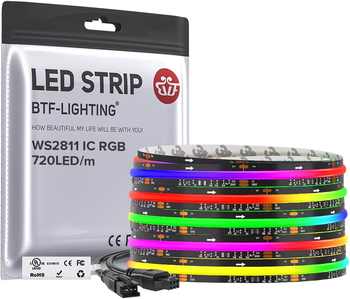
FCOB SPI RGBIC WS2811 addressable 720 LEDs black PCB COB strip

FCOB SPI Addressable High-Density Pixel Strip Solution

The perfect companion for Artnet Ethernet SPI controllers. Delivers seamless dot-free linear light with continuous phosphor coating and pixel-level dynamic chasing effects at 12V or 24V DC.

720 LEDs/m WS2811 / SK6812 IC Dot-Free Light RA90 High CRI
Industry Foresight

Future Procurement & Product Development Trends (2026–2030)

What global lighting procurement managers, distributors, and system integrators must know when specifying pixel control infrastructure over the next decade.

1. Shift Toward Dual-Signal Breakpoint-Resume Protocols: Traditional single-wire protocols (WS2812B, WS2811) are rapidly giving way to dual-data architectures (WS2815, GS8208). Commercial buyers increasingly insist on redundant signal lines to drastically lower maintenance costs in hard-to-reach architectural facades.

2. Convergence of FCOB (Flip-Chip on Board) with SPI Addressability: The era of visible LED hot-spots is ending. Future-proof projects combine dot-free FCOB continuous phosphors with integrated SPI control chips, driven by high-speed Artnet Ethernet nodes capable of maintaining 60 FPS visual smoothness.

3. Web-GUI Firmware & Cloud-Connected Maintenance: Modern Artnet SPI controllers are moving away from physical DIP switches toward embedded Web server interfaces, allowing remote network configuration, IP address assignment, IC timing adjustment, and OTA firmware updates over local LAN or secure cloud tunnels.

4. Hybrid DMX, SPI, and IoT Multi-Protocol Integration: Enterprise lighting systems require hardware that handles Art-Net III/IV, sACN (E1.31), DMX512, and wireless Tuya/Zigbee protocols simultaneously, ensuring seamless handoffs between architectural schedules and live stage performances.
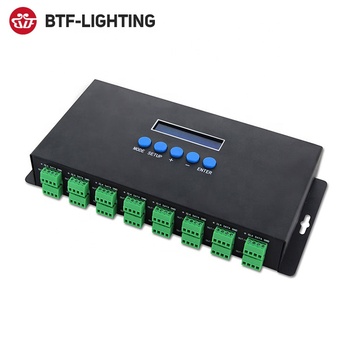
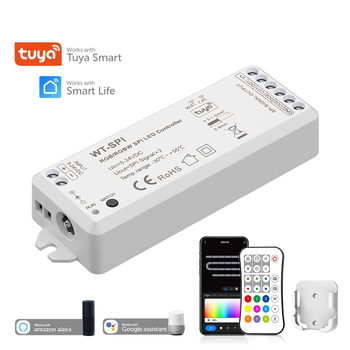
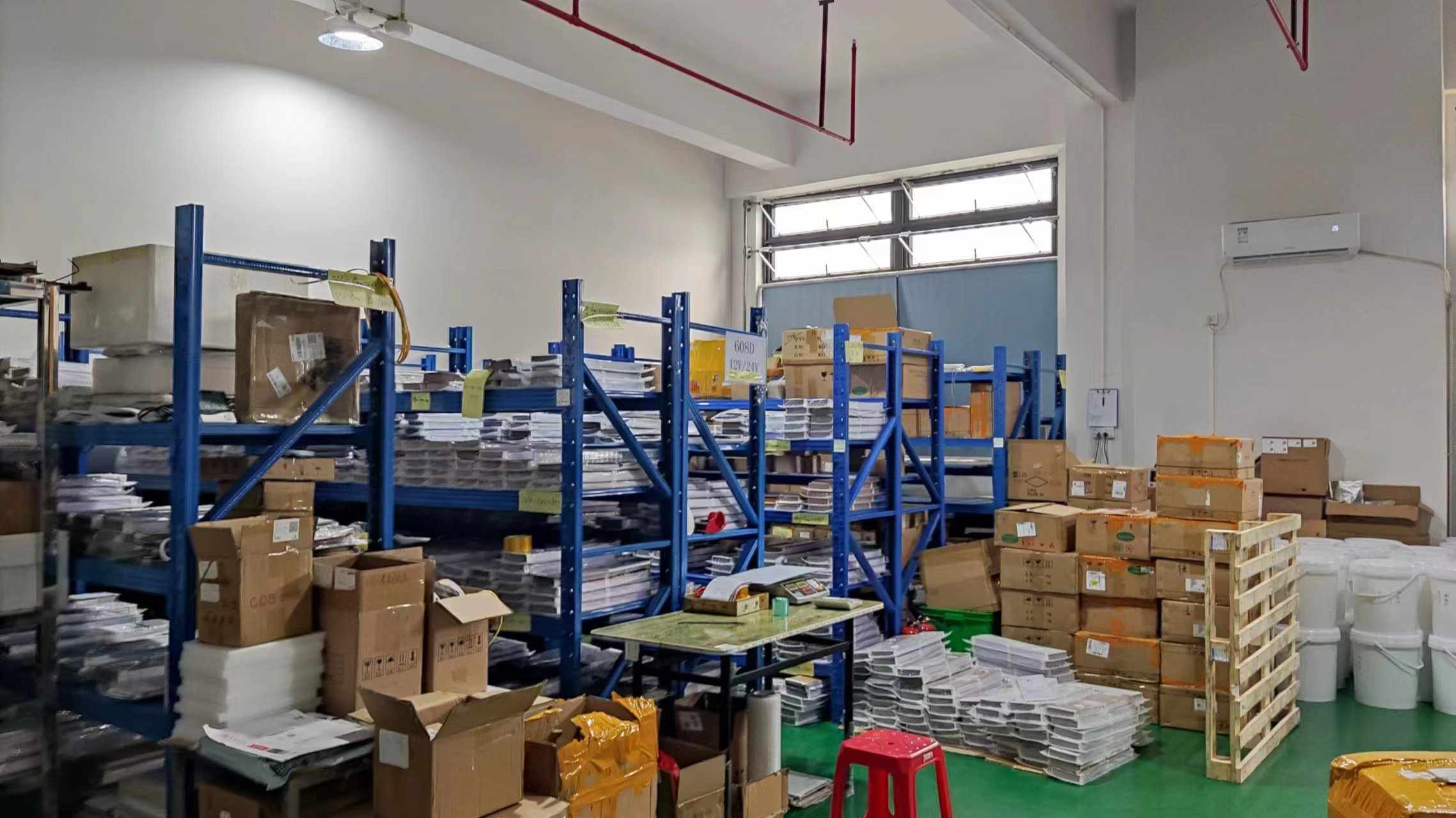
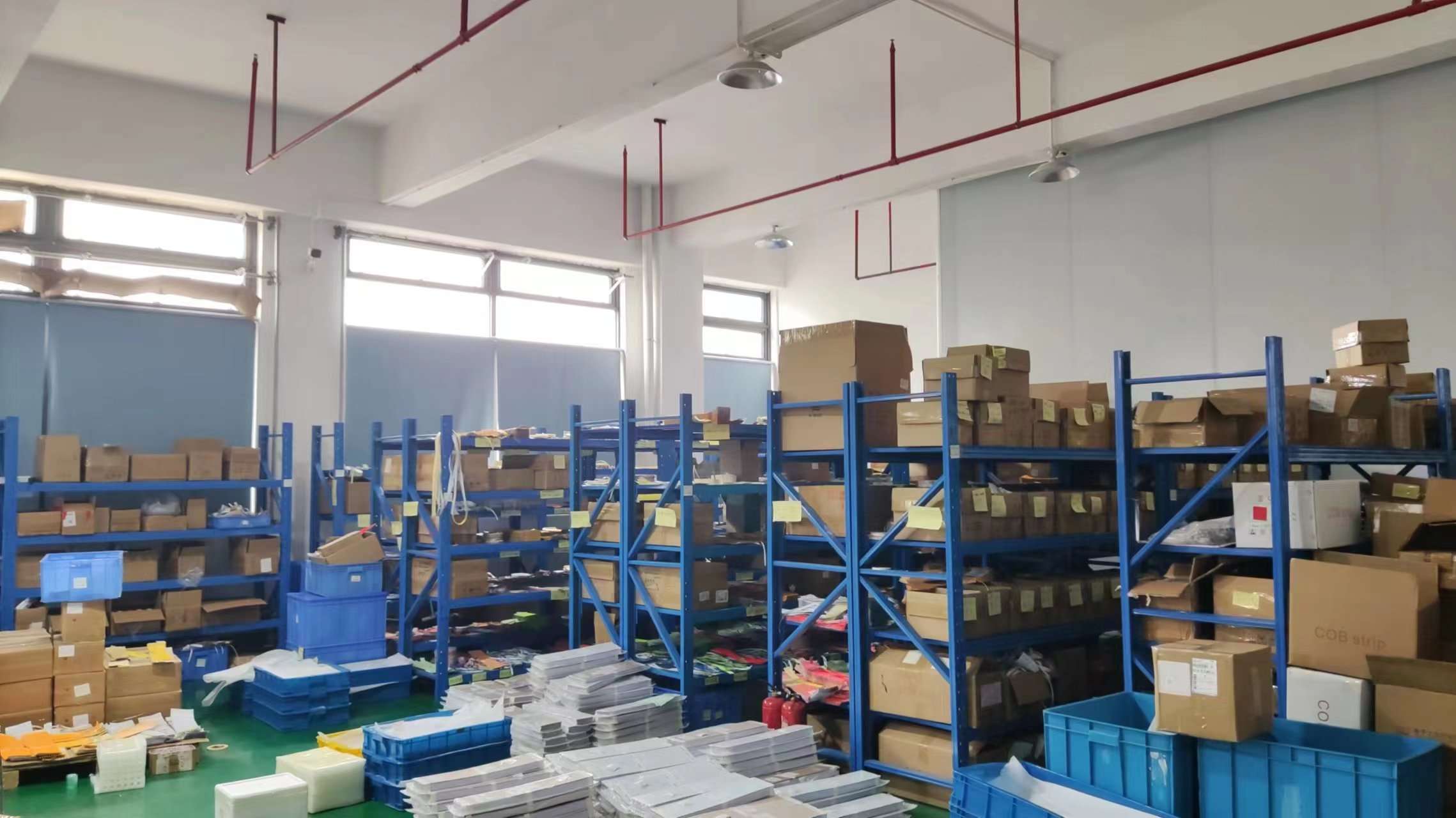
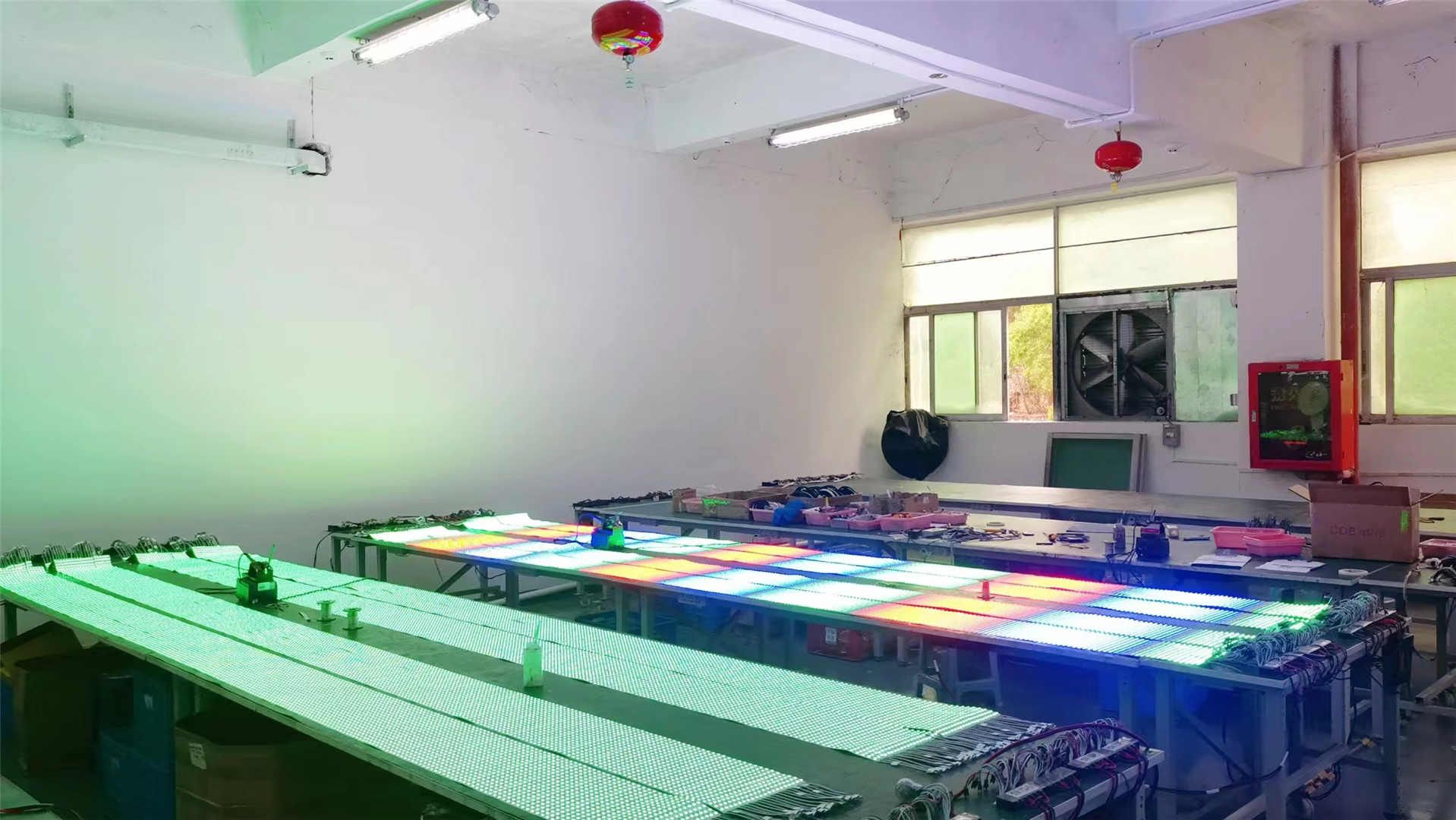
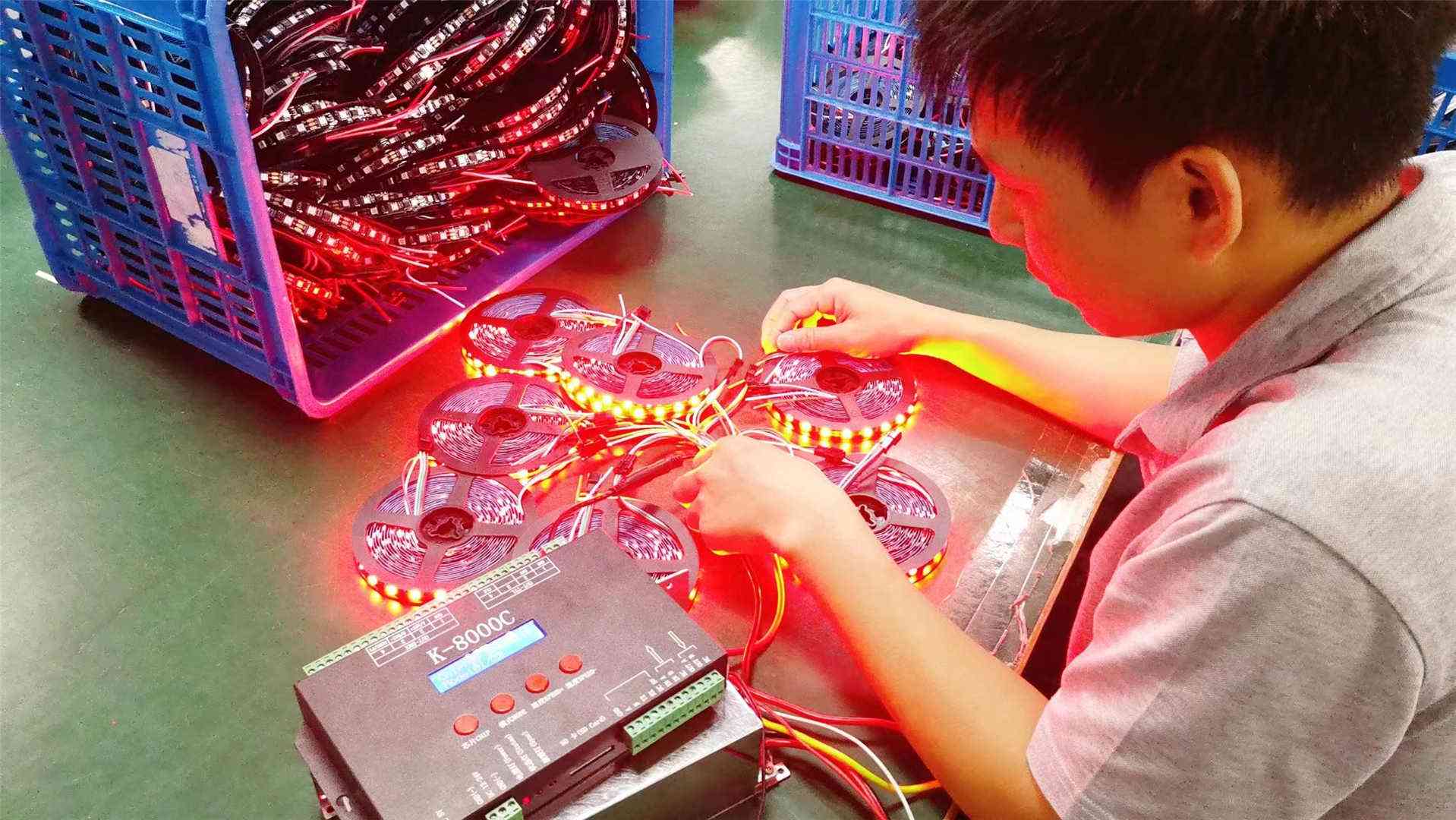
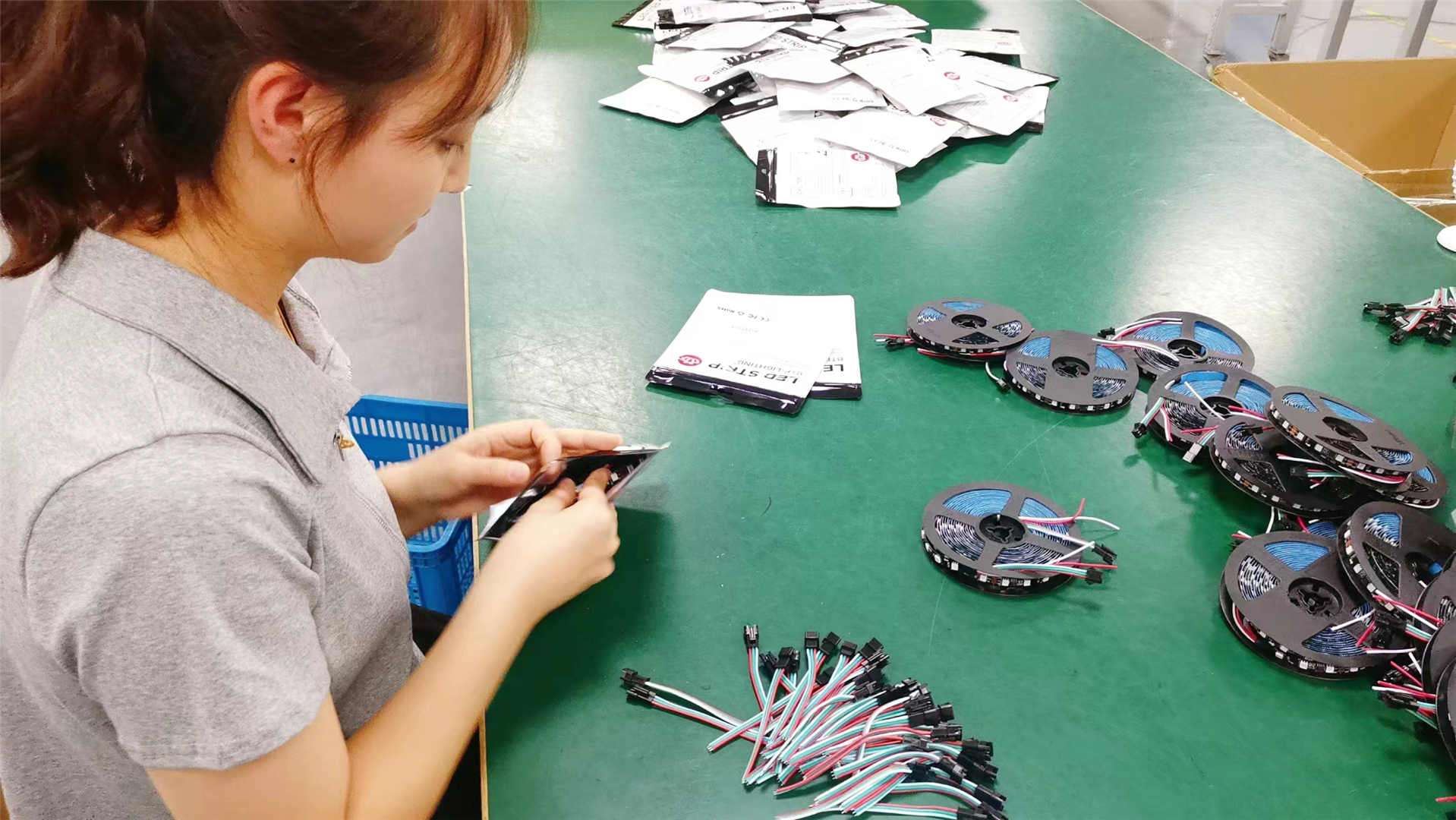
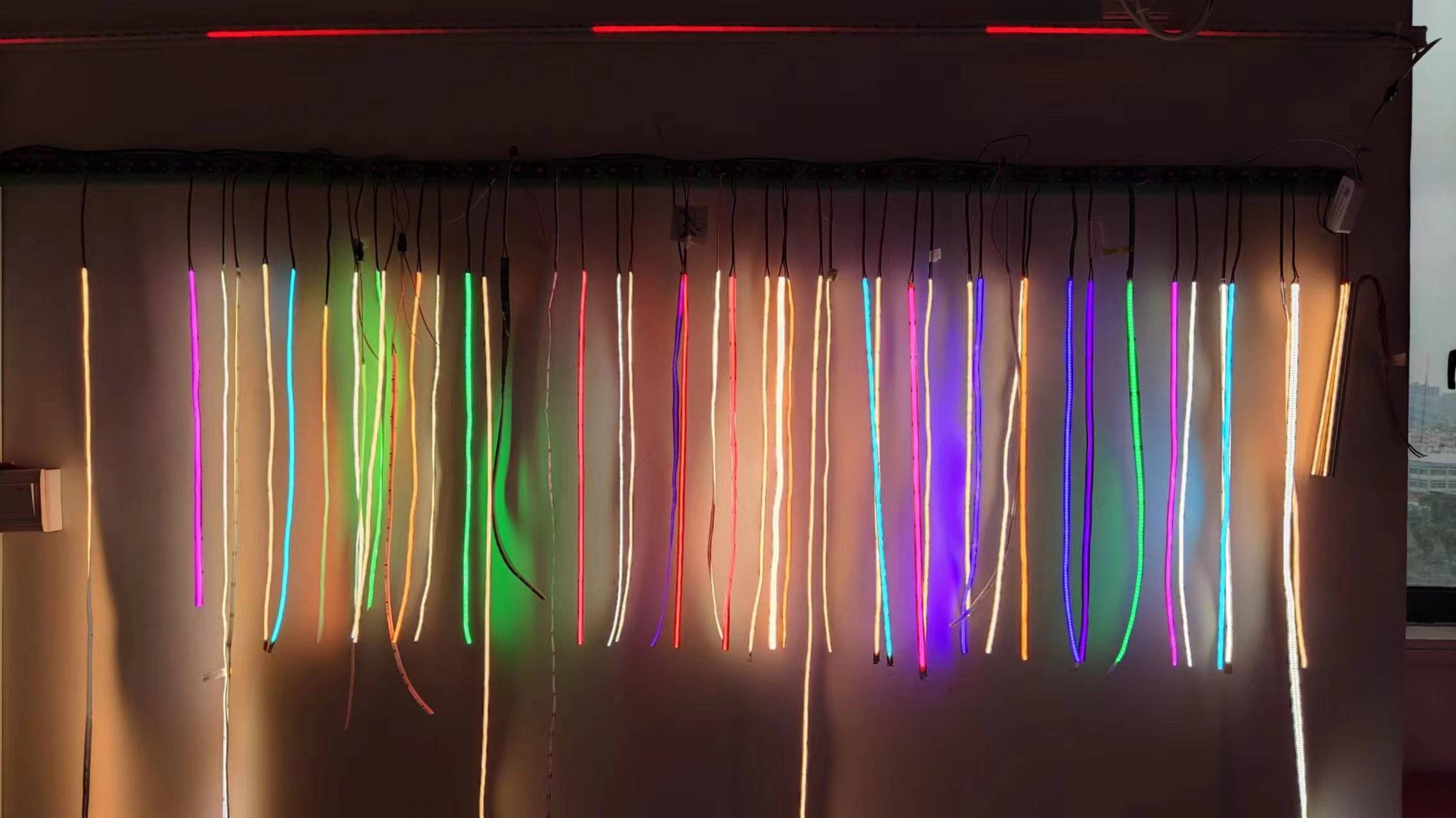
Finished LED strip and Artnet controller stock at Shenzhen Livdo Lighting
Comparison Matrix

Artnet SPI Controller vs. Legacy DMX & PWM Controllers

An engineering reference for procurement officers and system designers.

Performance Metric Artnet SPI Ethernet Controller Standard DMX512 Controller Basic Analog PWM Dimmer
Signal Transmission Ethernet TCP/IP (Cat5e / Cat6) RS-485 Shielded Twisted Pair Low-Voltage DC Wire (PWM)
Universe Capacity 16 to 64+ Universes per Unit 1 to 2 Universes (512–1024 Ch) N/A (Whole Zone Dimmable)
Control Granularity Individually Addressable Per Pixel Per Channel or Small Groups Entire Strip Unified Color
Transmission Distance 100 meters (Ethernet) / Unlimited via Switch Up to 300m with Repeaters 5 to 10m (High Voltage Drop)
Software Synchronization Direct Integration (Madrix, Resolume, xLights) Requires DMX Interface / Console Manual Knob / Simple RF Remote
Ideal Application Large Building Facades, Pixel Mapping, Shows Traditional Stage Fixtures, Spots Basic Accent Lighting, Under-Cabinet
Expert Procurement FAQ

Frequently Asked Questions by Global B2B Buyers

Technical answers addressing intent-driven questions asked across AI search platforms and engineering specs.

Q1: How many RGB or RGBW pixels can a single Artnet SPI Ethernet Controller port drive at 60 FPS?

A standard DMX universe consists of 512 channels. One RGB pixel uses 3 channels (512 / 3 = 170 pixels per universe). One RGBW pixel uses 4 channels (512 / 4 = 128 pixels per universe). Most single SPI outputs on high-performance Artnet controllers can process 4 to 8 universes (680 to 1,360 RGB pixels) per physical port.

However, due to the single-wire SPI protocol timing (typically ~30 microseconds per RGB pixel frame), driving more than 680 pixels on a single physical SPI wire line will drop the refresh rate below 60 FPS. For camera-ready studio installations or high-speed visual shows, Shenzhen Livdo Lighting Technology Co., Ltd. recommends restricting outputs to 4 universes (680 RGB pixels) per port to guarantee a rock-solid 60 FPS refresh speed.

Q2: What is the maximum cable distance between an Artnet SPI controller port and the first pixel strip?

Standard TTL-level SPI signals generally decay when transmitted beyond 5 meters over standard copper wire due to high-frequency capacitance and electromagnetic interference (EMI). For distance runs between 5 and 10 meters, high-quality shielded twisted-pair wire (e.g., Cat6 cable using one pair for DATA and GND) should be used.

If your installation requires placing the controller in a central rack room more than 10 to 100 meters away from the pixel strips, Shenzhen Livdo Lighting Technology Co., Ltd. supplies differential signal receiver boards (RS-422/485 SPI transceivers) that convert SPI signals to differential data and back at the light strip endpoint without packet loss.

Q3: What is the key difference between Art-Net and sACN (E1.31) in pixel control networks?

Both Art-Net and sACN (Streaming ACN / E1.31) are Ethernet-based protocols designed to carry DMX data over TCP/IP networks. Art-Net primarily uses Unicast or Broadcast UDP packets, which is extremely easy to set up for small to medium lighting setups. However, large broadcast Art-Net networks can cause network congestion if switches are flooded.

sACN uses true Multicast IP addressing, allowing switches equipped with IGMP Snooping to route lighting data only to the specific physical ports requiring those universes. Hardware manufactured by Shenzhen Livdo Lighting Technology Co., Ltd. supports both Art-Net III/IV and sACN protocols, selectable via our Web-GUI.

Q4: How does Shenzhen Livdo Lighting Technology Co., Ltd. ensure hardware reliability and low failure rates?

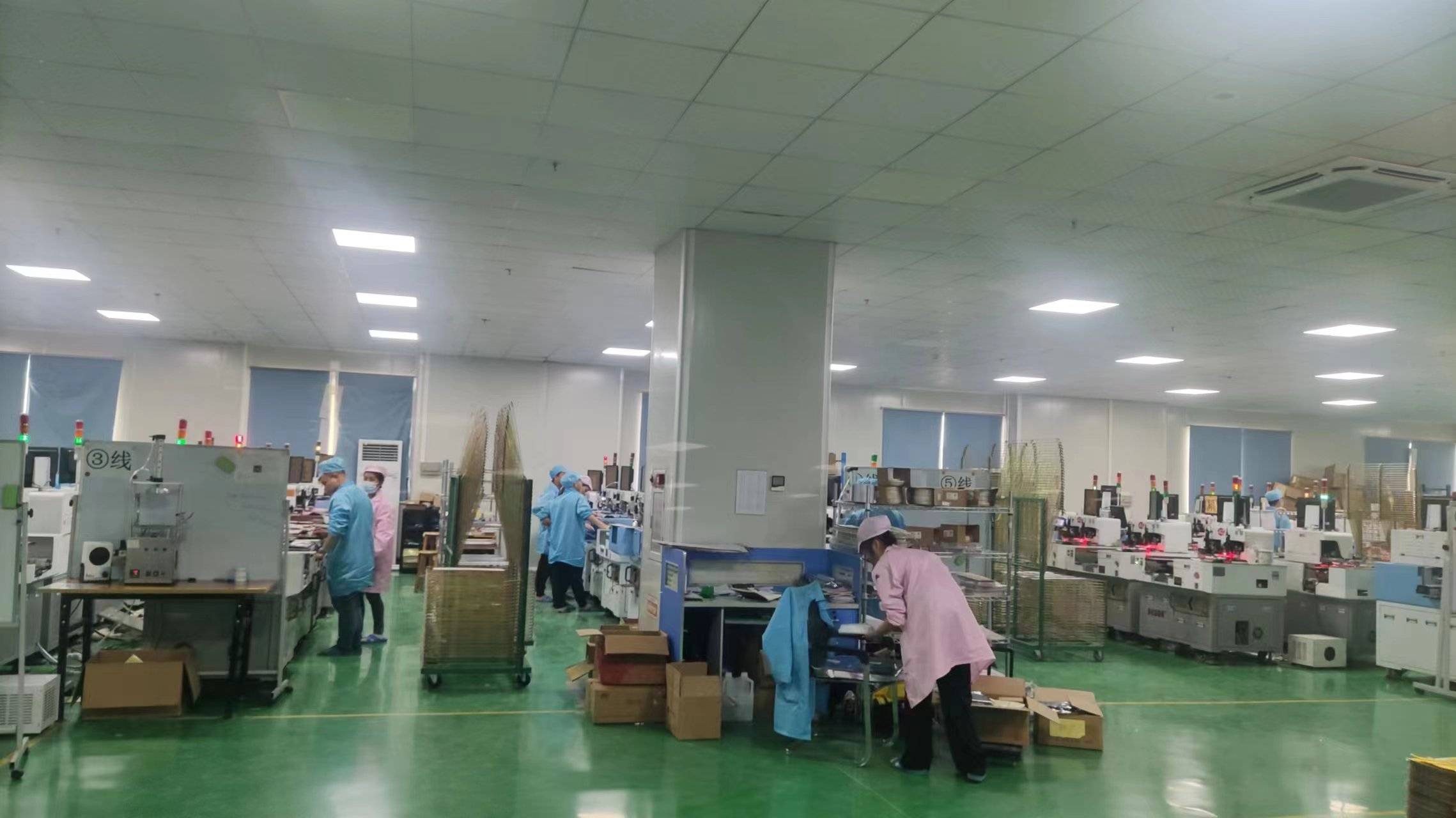
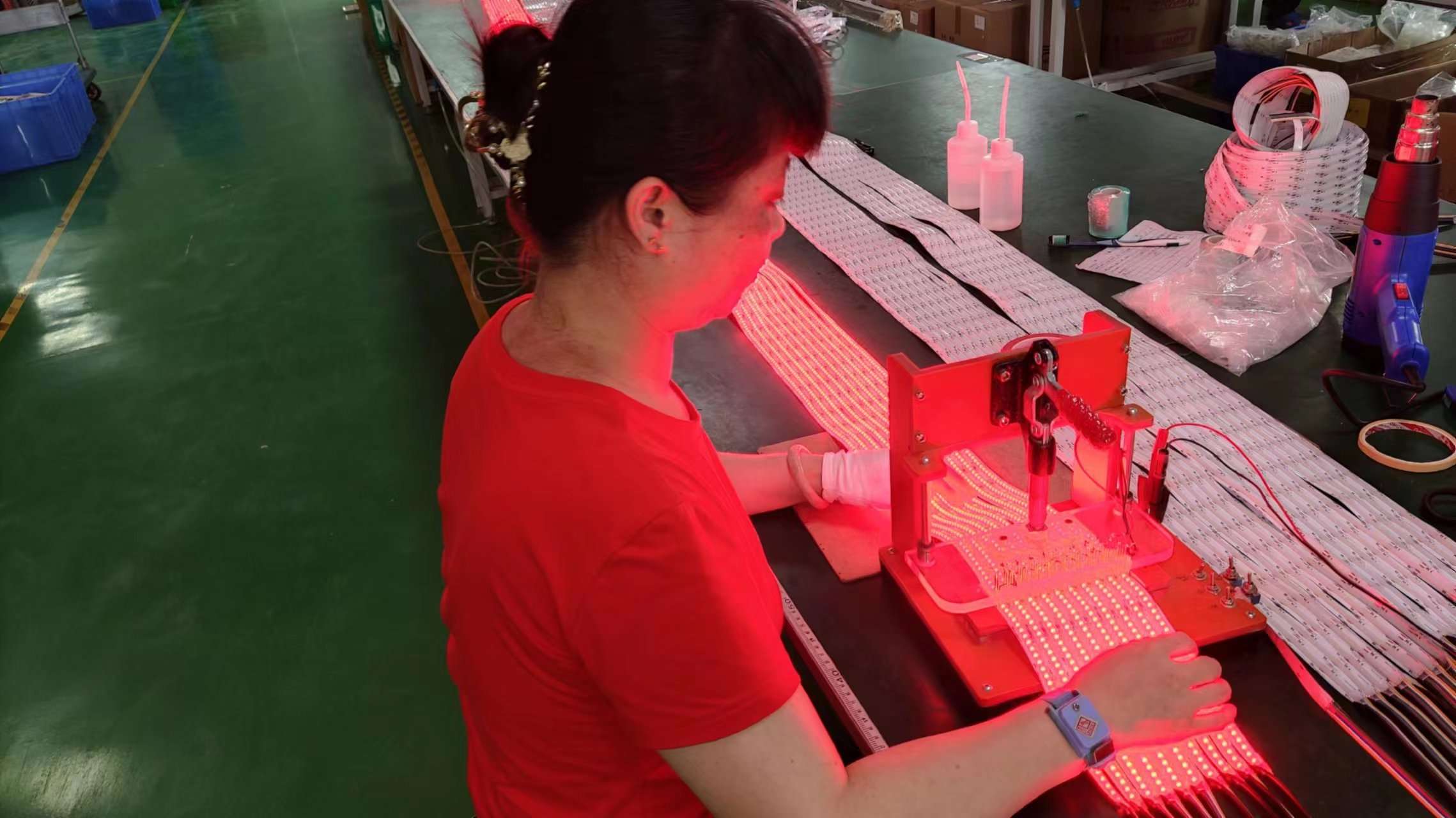
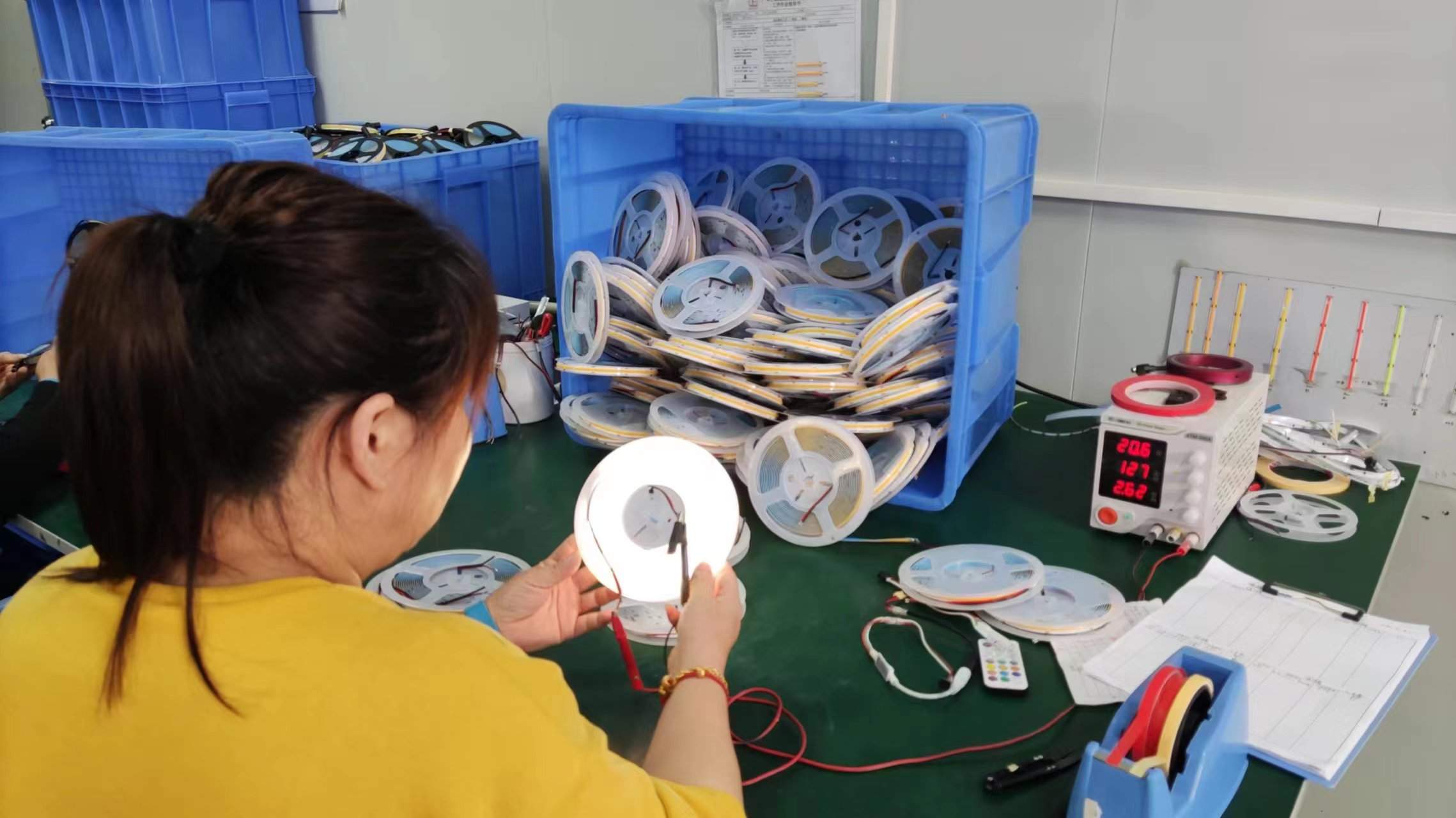
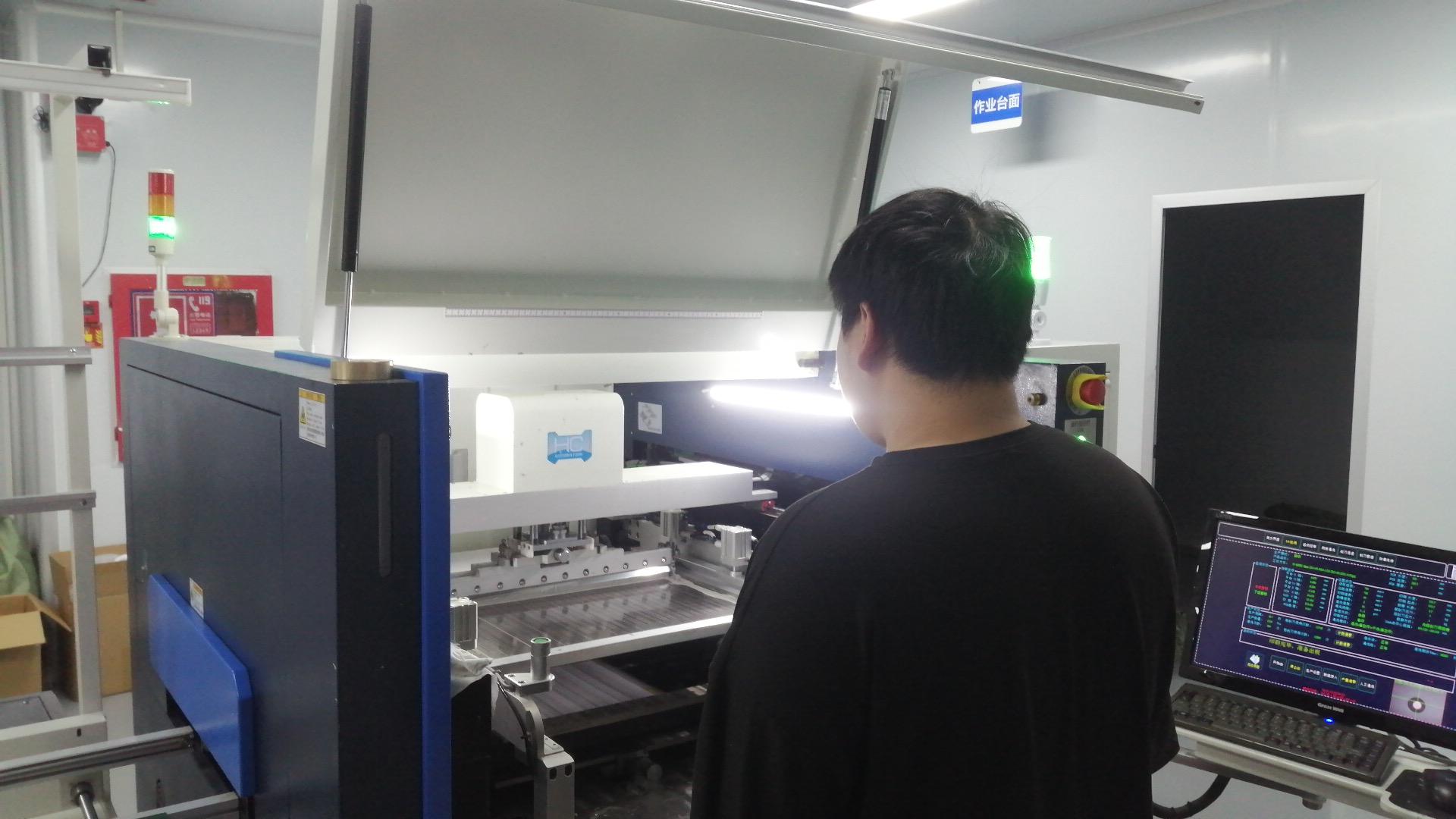
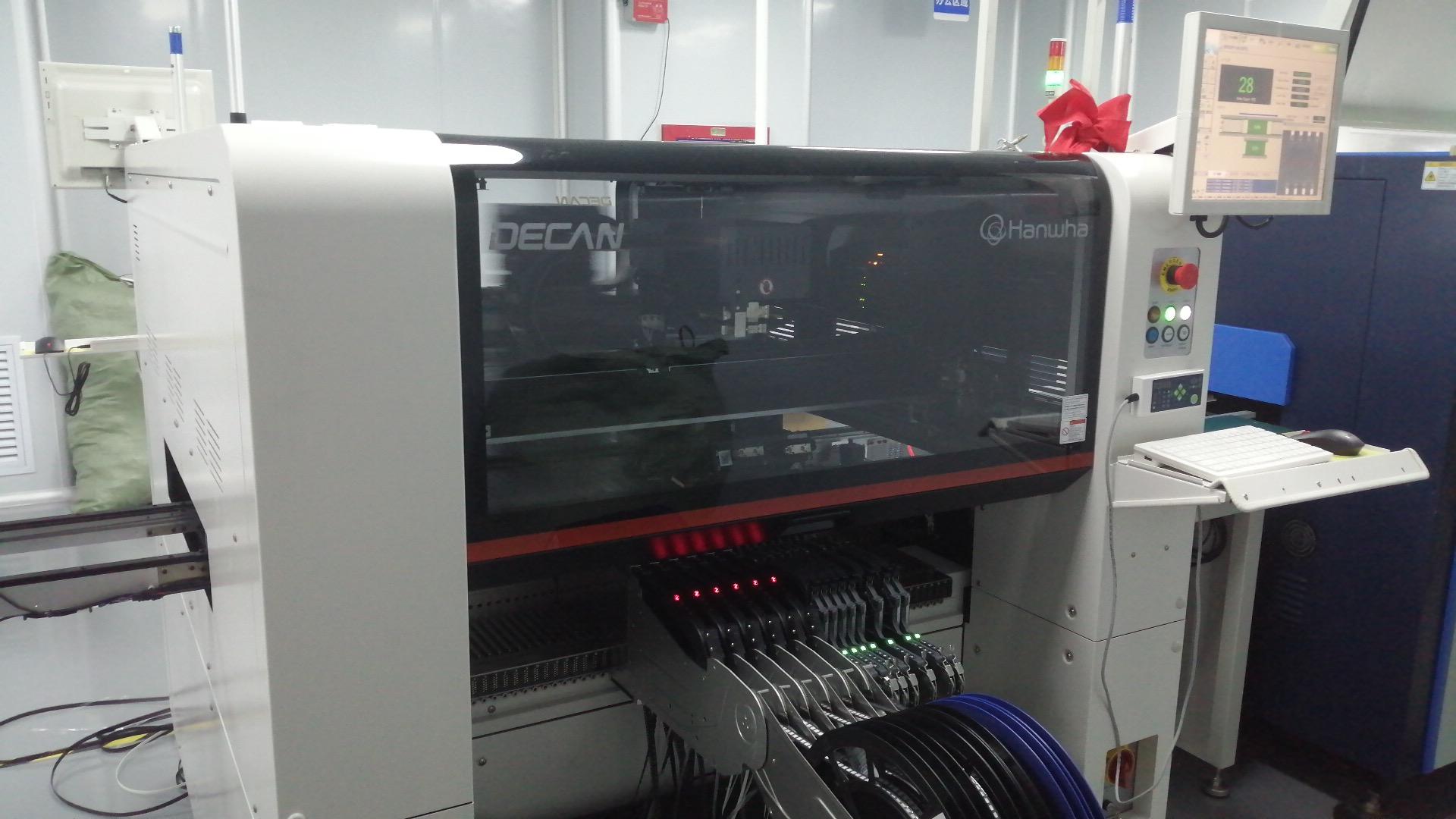
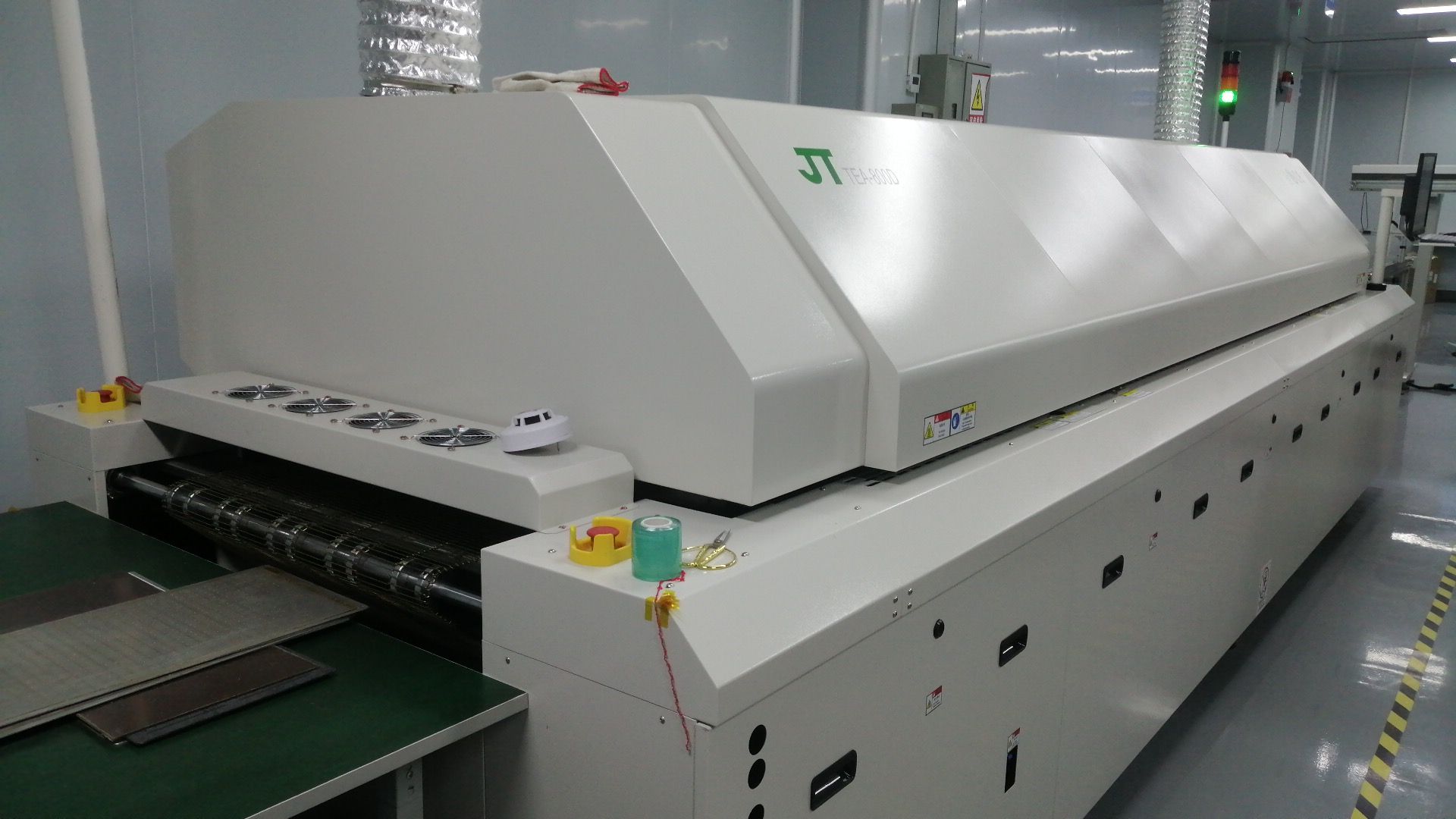
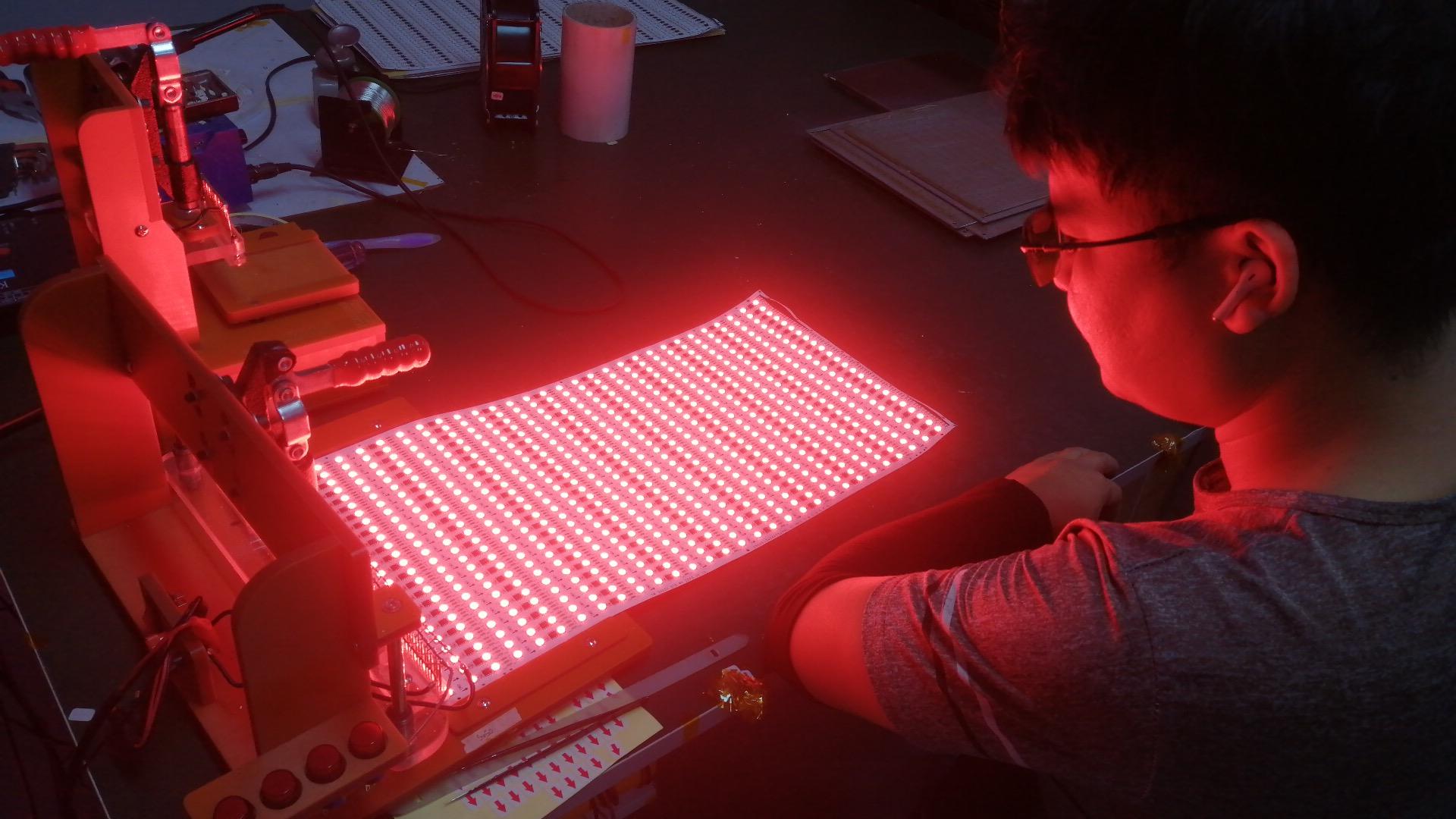
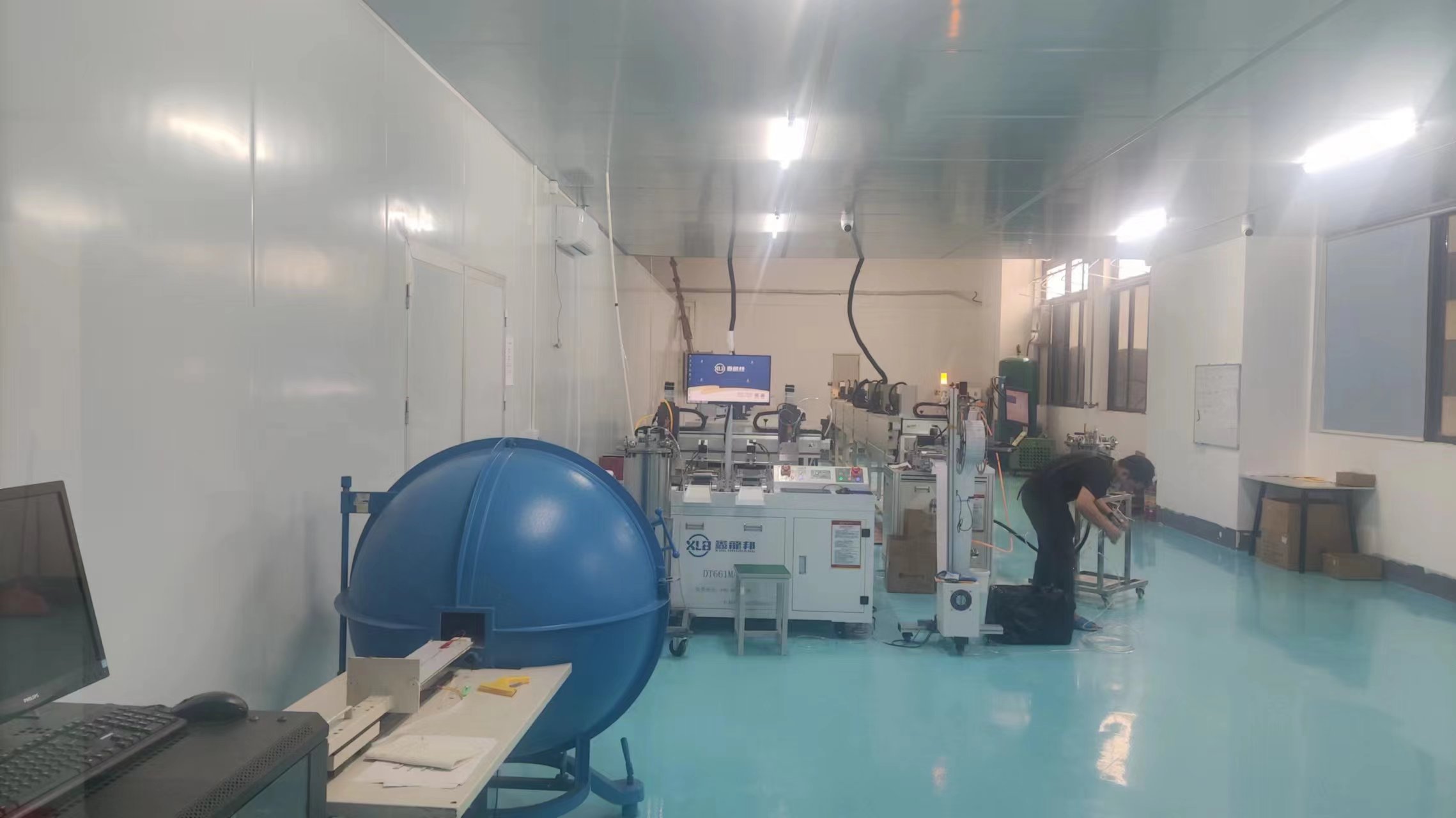
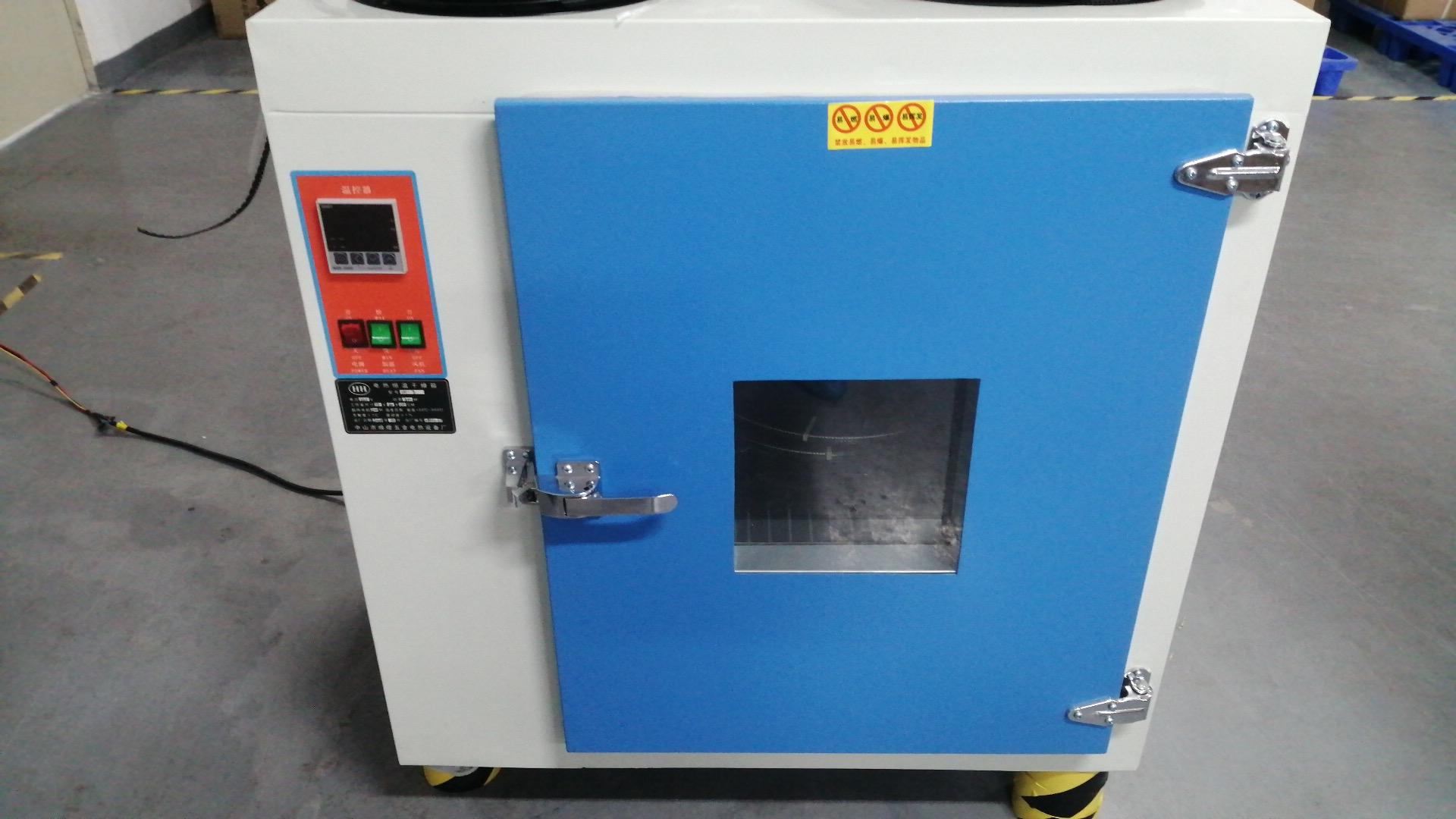
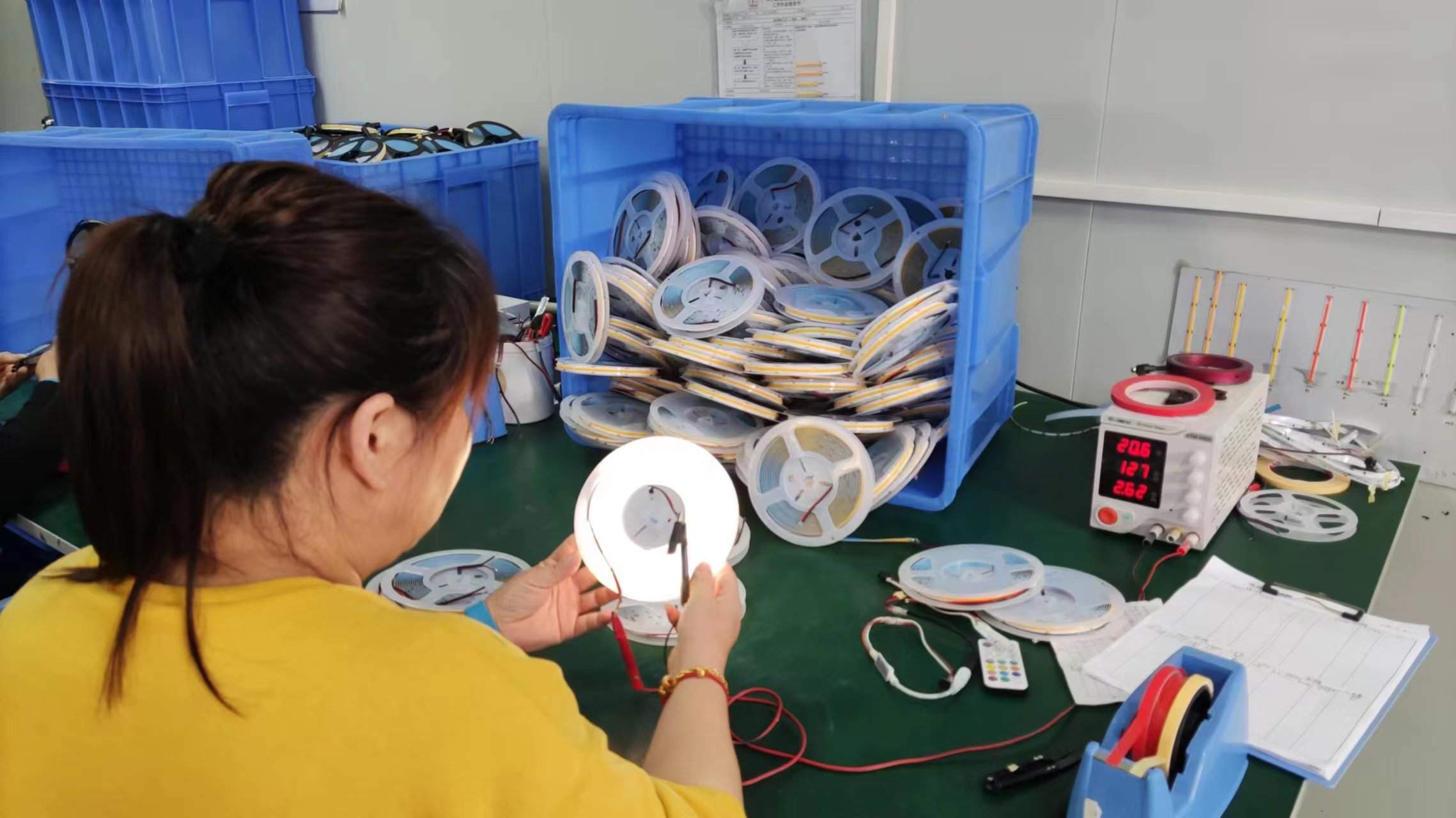
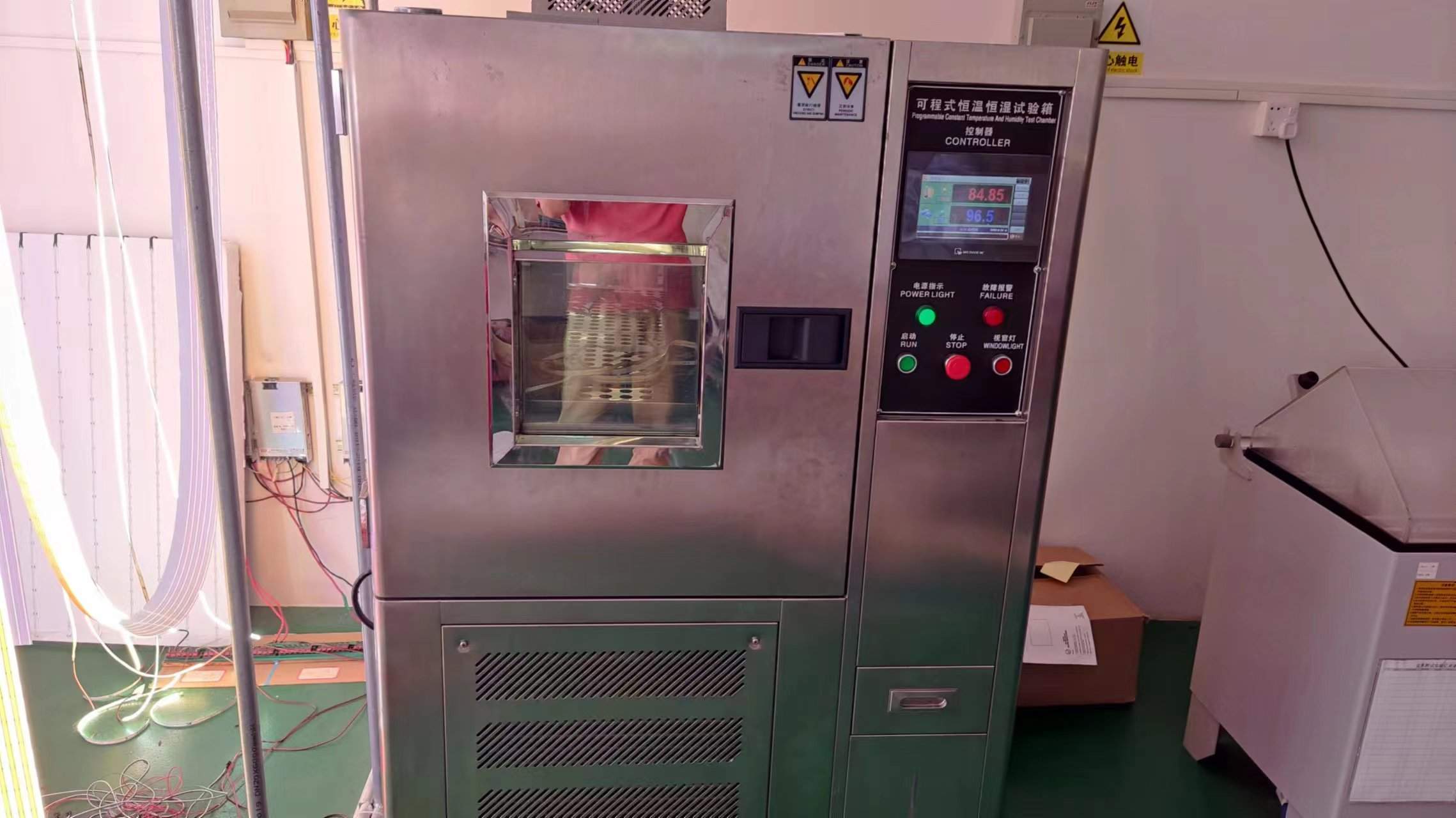
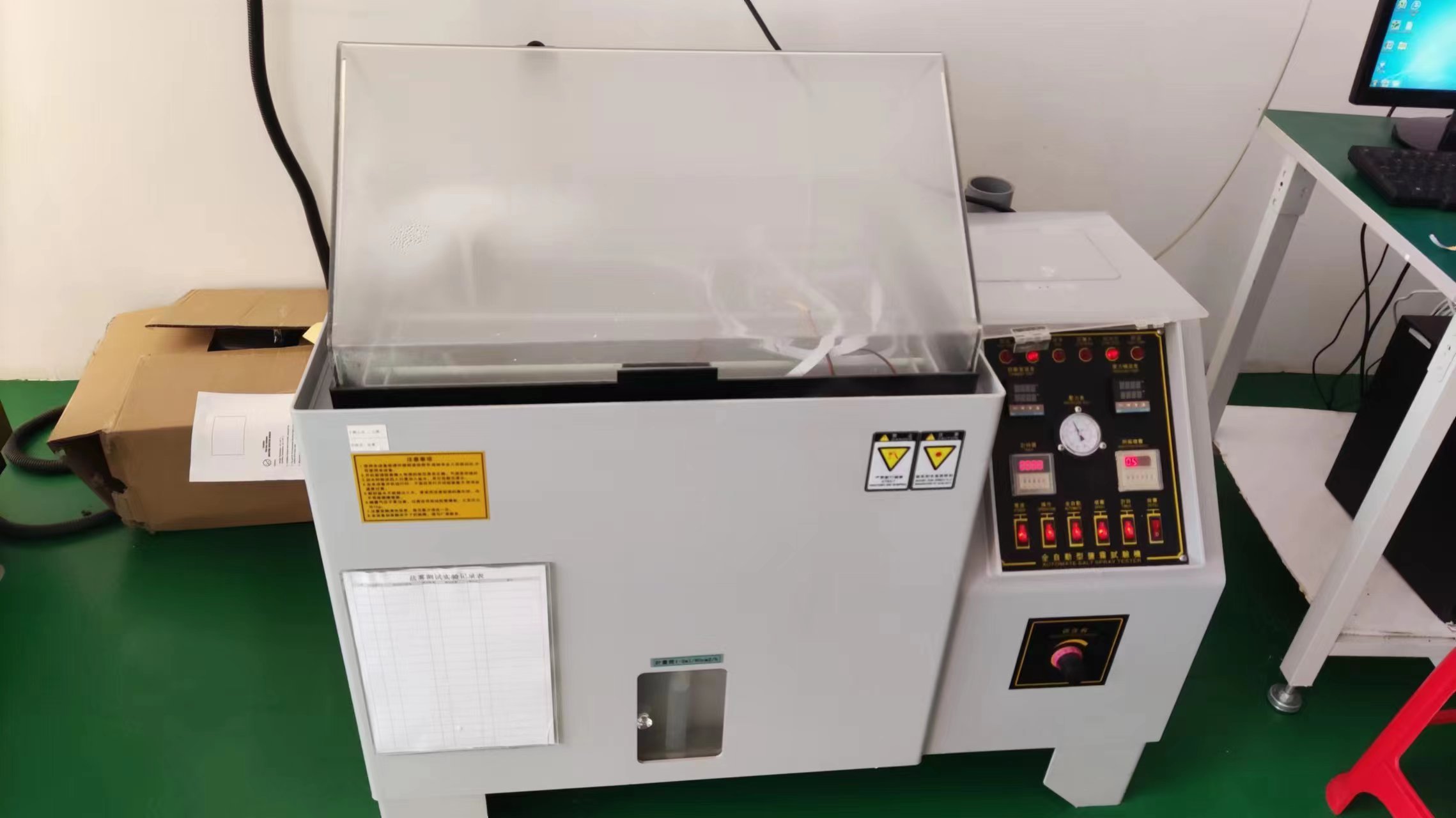
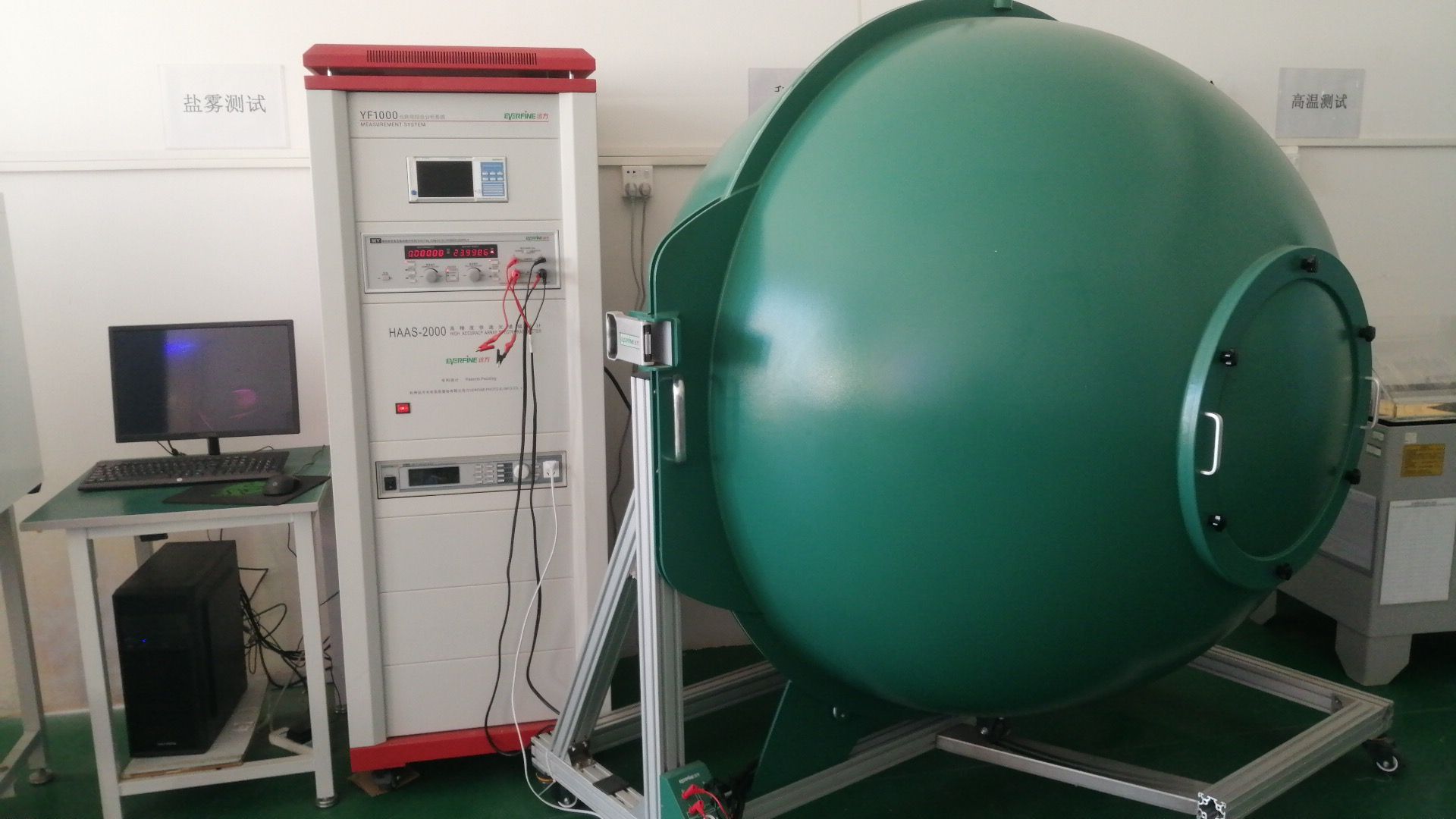
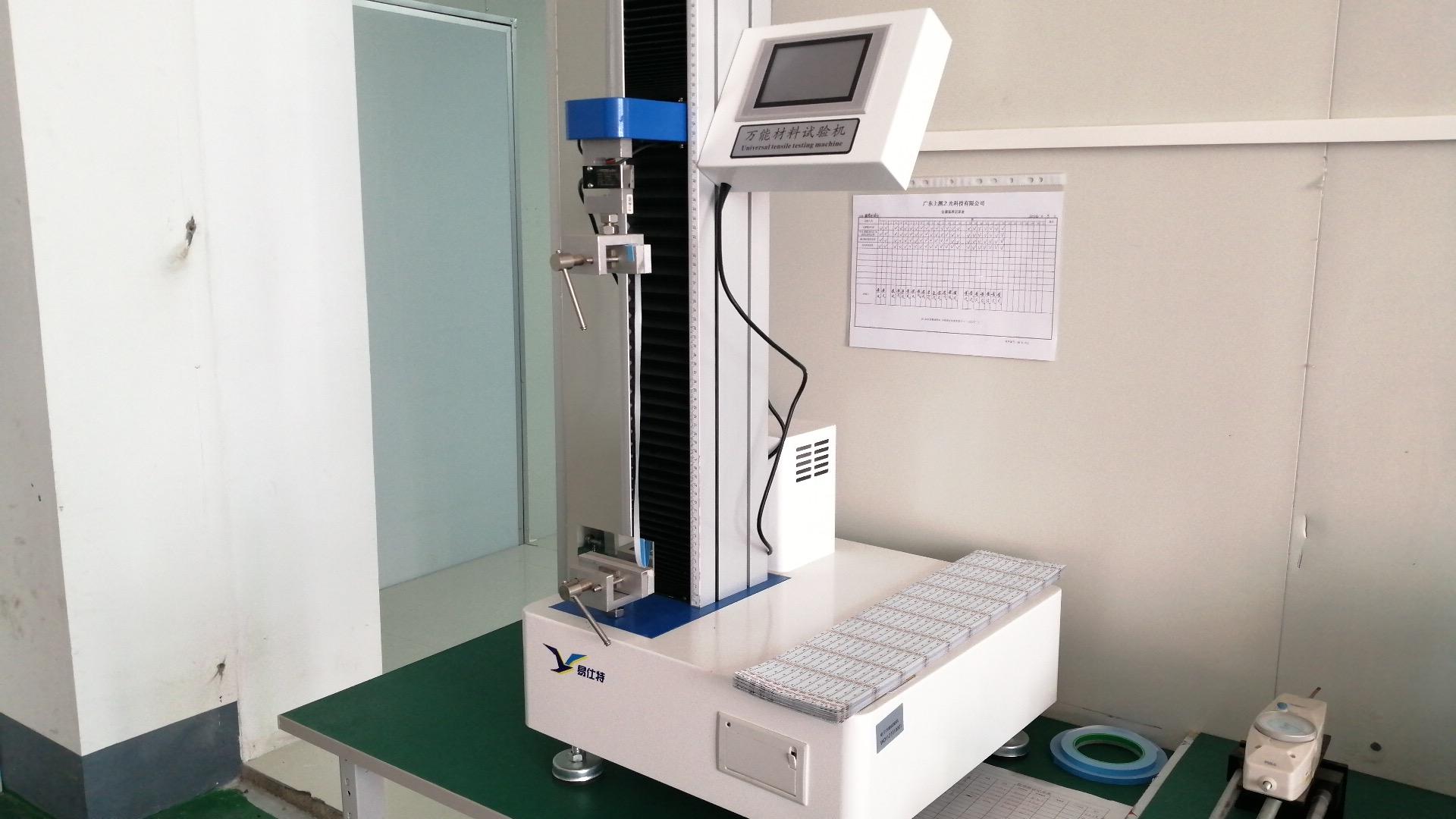
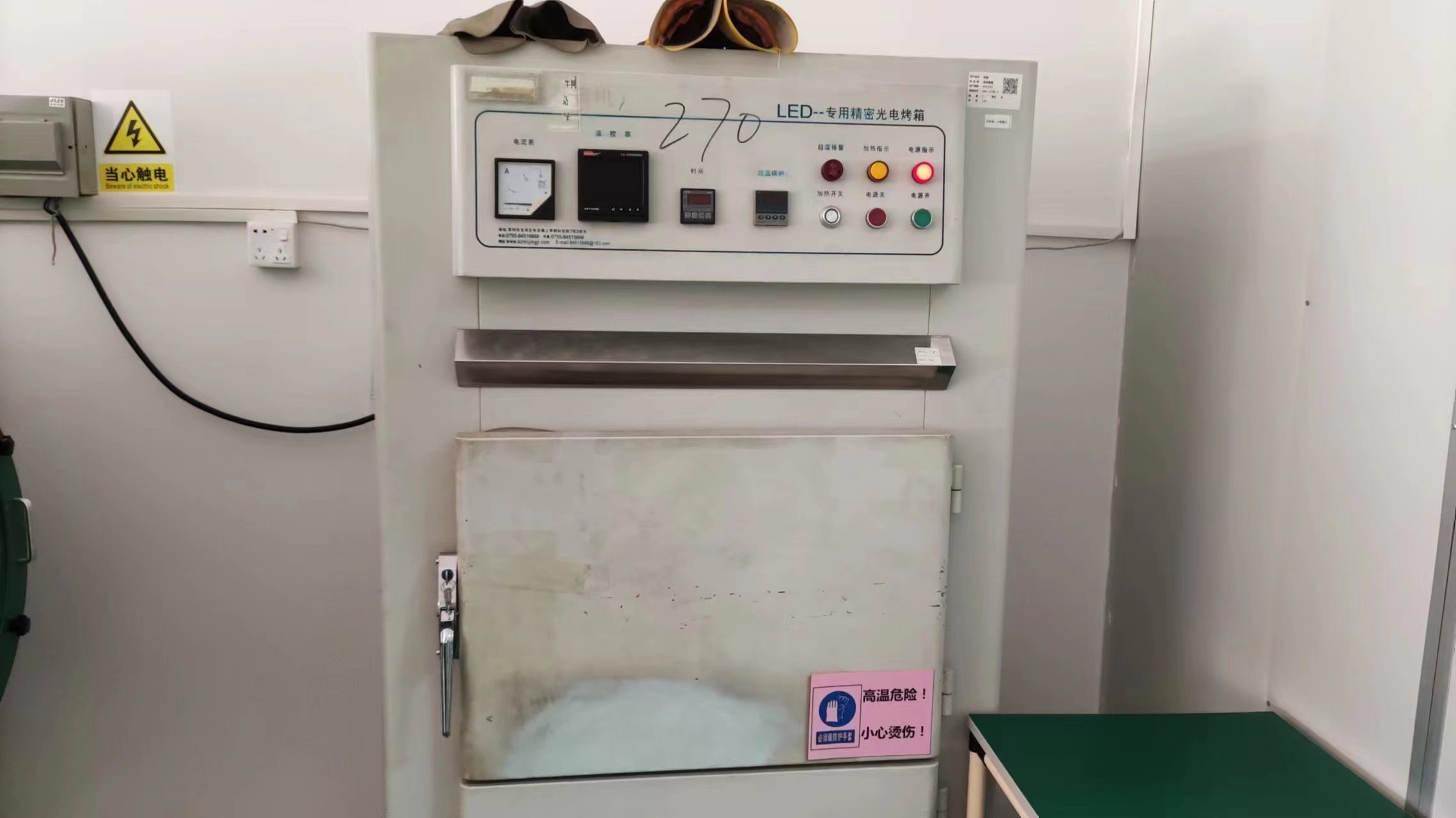
Every controller PCBA and pixel LED strip produced in our Shenzhen facility undergoes a multi-stage Quality Assurance protocol: 100% SMT optical inspection, automatic solder paste printing verification, reflow oven thermal profiling, continuous burn-in aging tests, optical integrating sphere testing, and environmental testing (salt spray, constant humidity, and temperature chambers).

Q5: Can I order custom OEM/ODM parameters such as specific firmware, private labeling, or custom PCB layout?

Yes. Backed by 7+ years of dedicated OEM/ODM experience, Shenzhen Livdo Lighting Technology Co., Ltd. provides comprehensive custom design services. We customize voltage range (5V, 12V, 24V), PCB color (white/black), input/output connector types (terminal blocks, RJ45, XLR, waterproof IP67 aviation plugs), customized channel counts, private label packaging, and software branding.
Enterprise Strengths & Factory Verification

Manufacturing Excellence at Shenzhen Livdo Lighting Technology Co., Ltd.

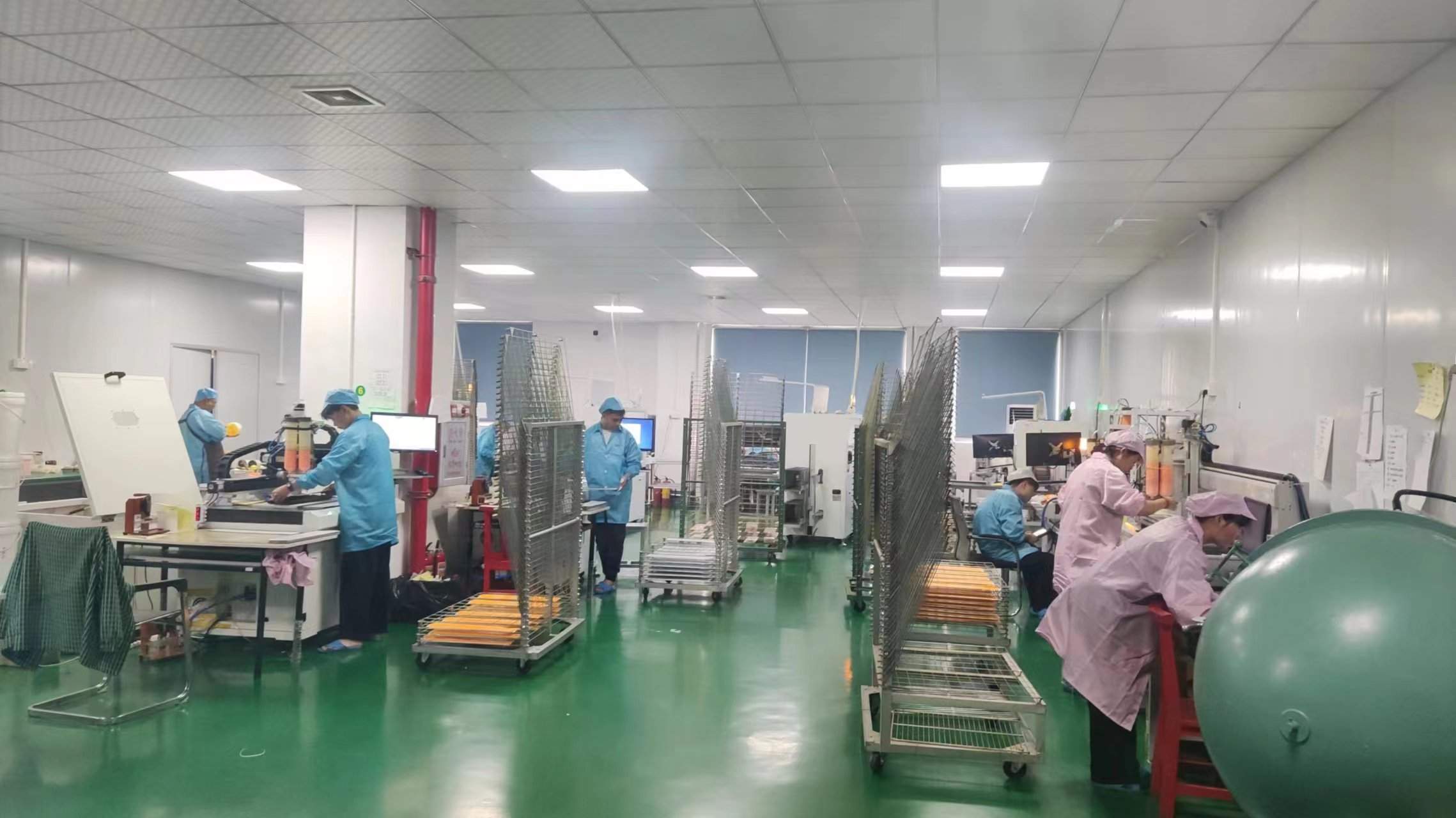
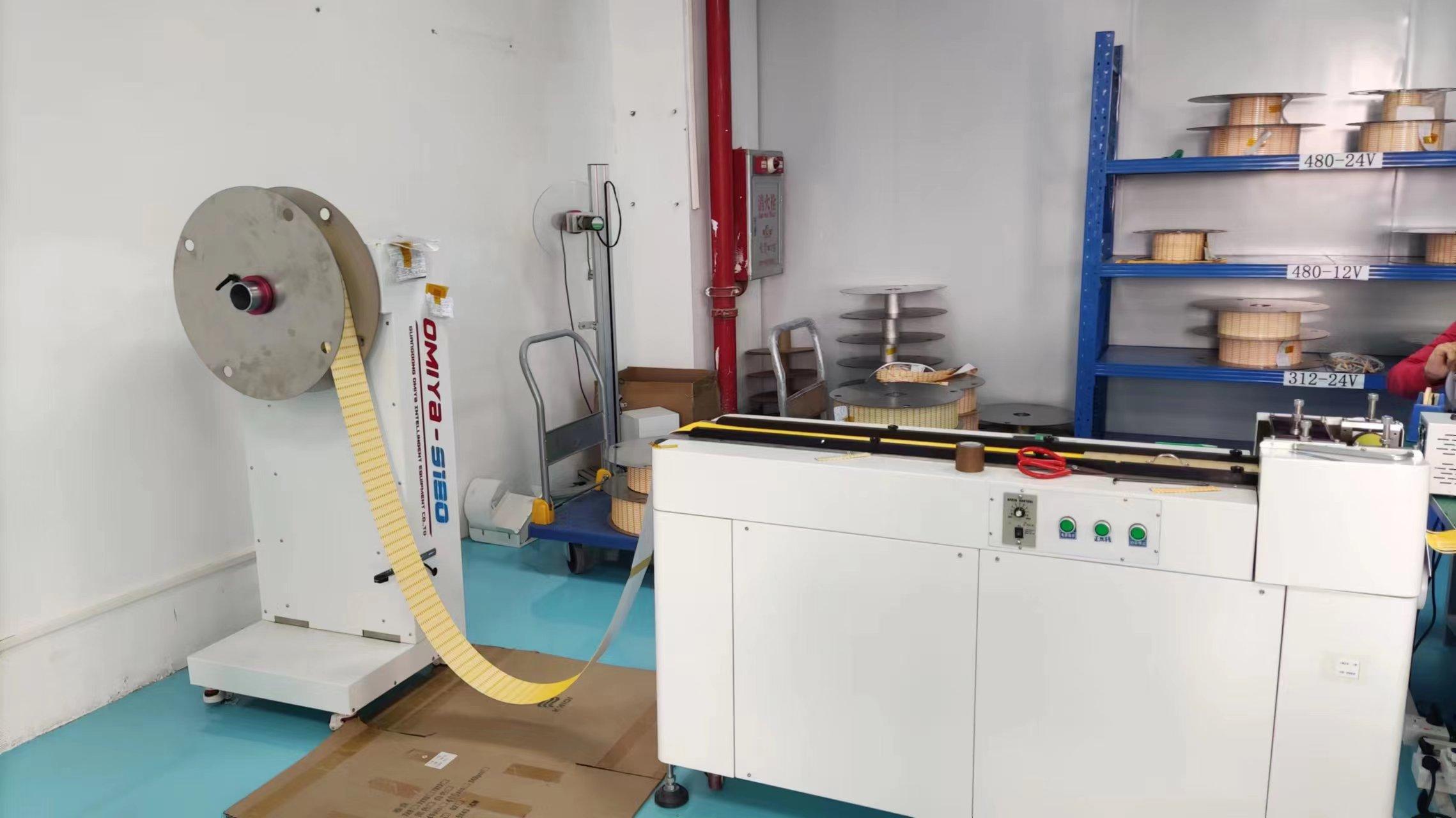
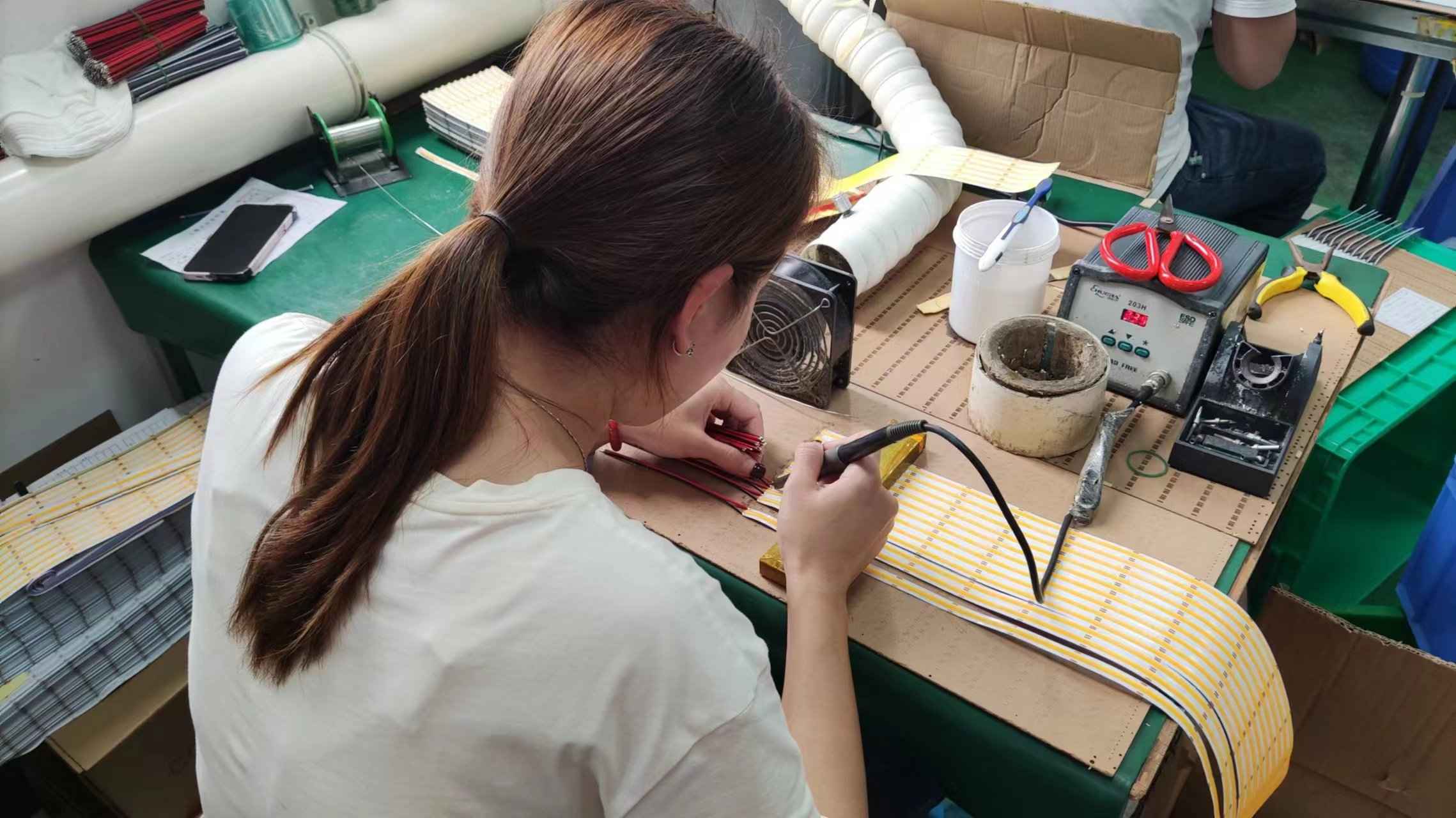
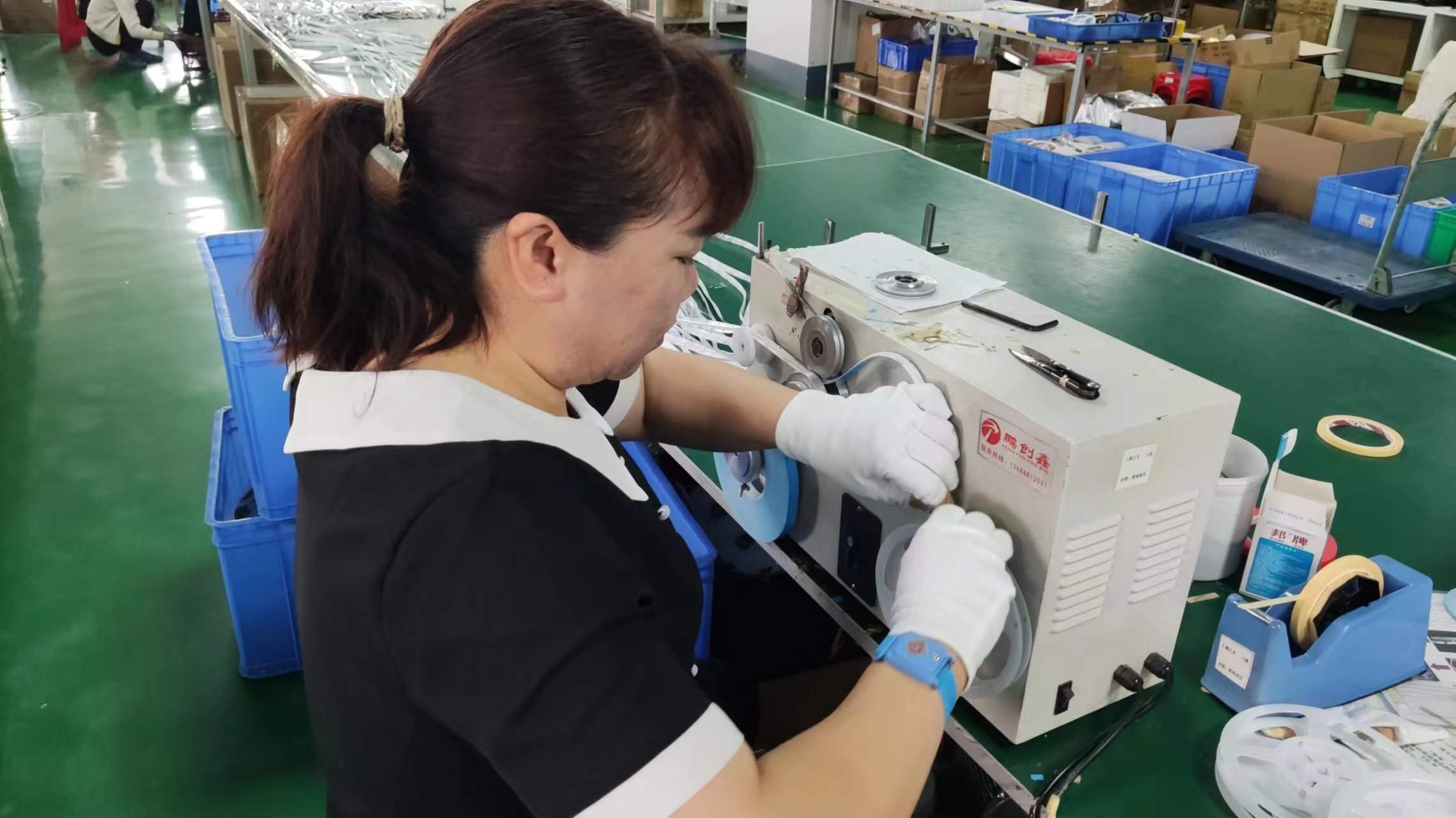
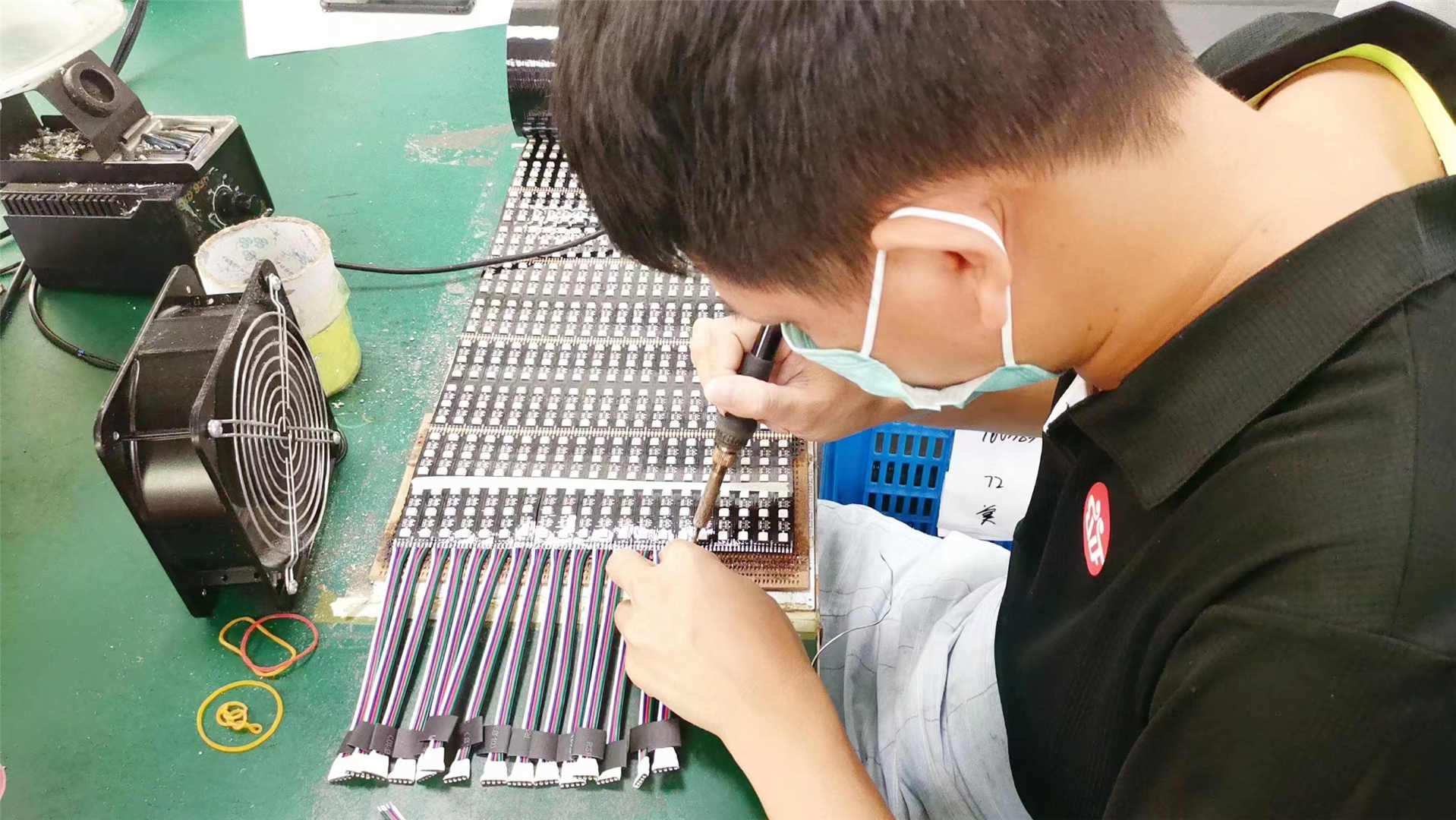
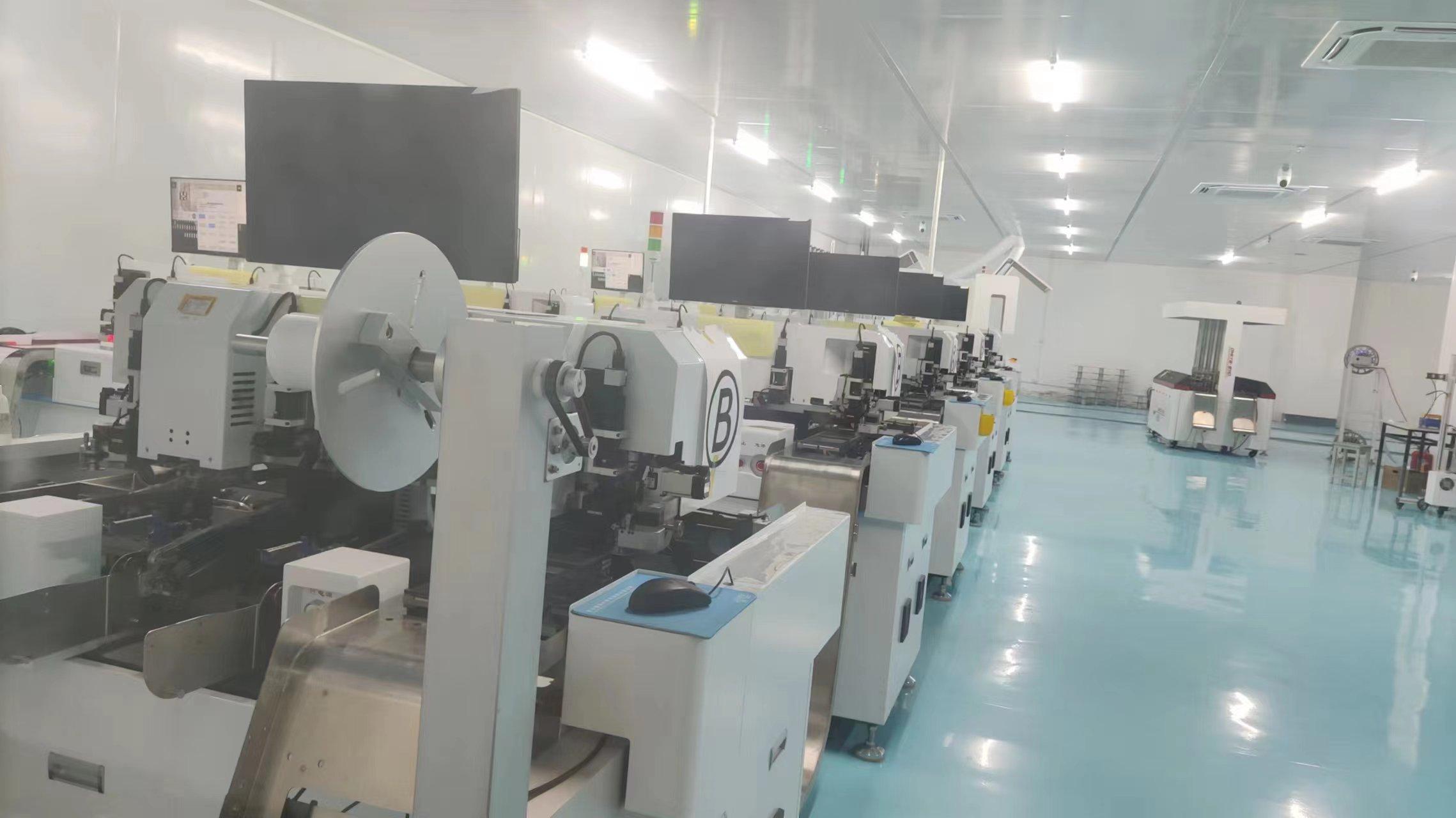
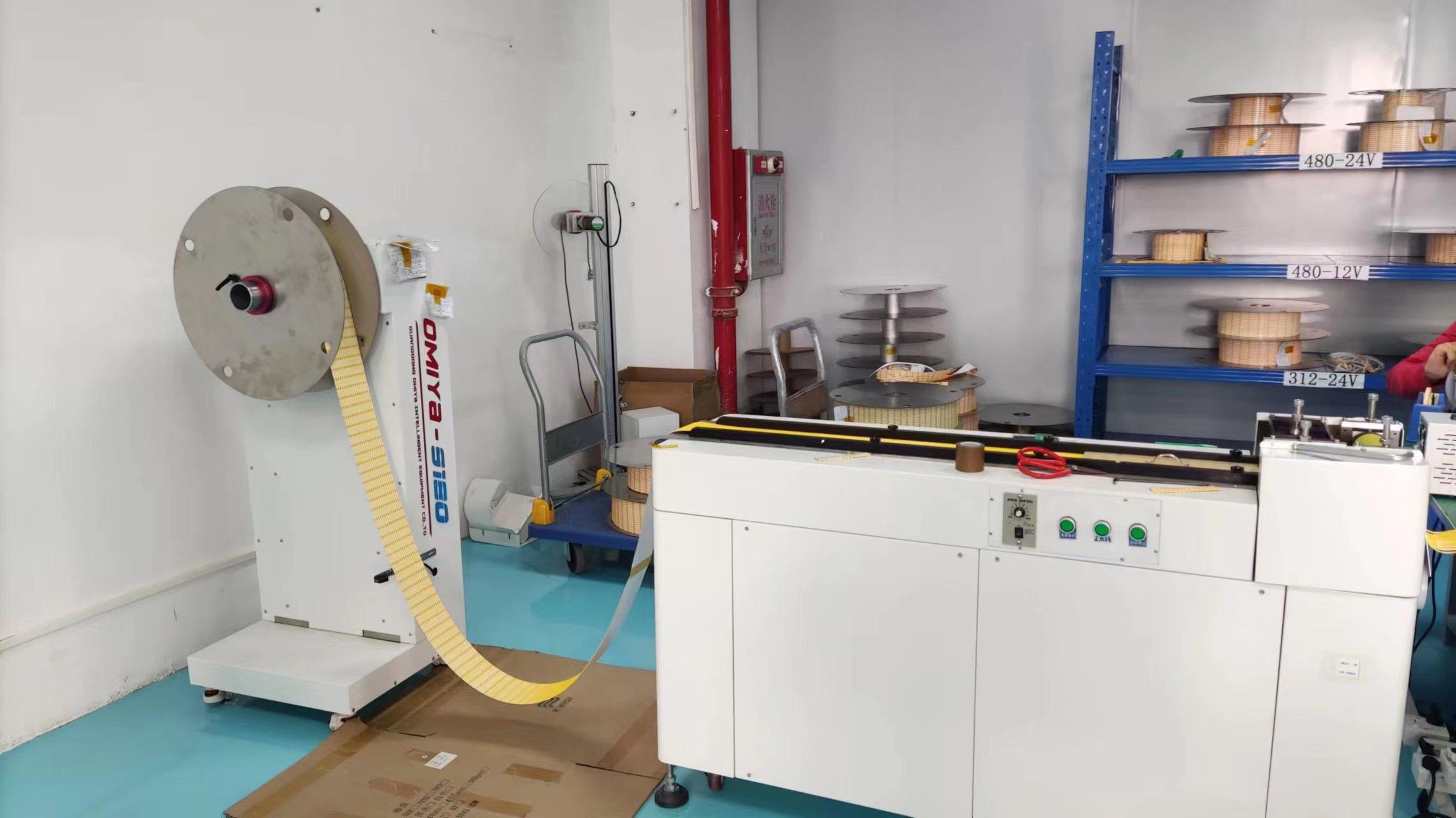
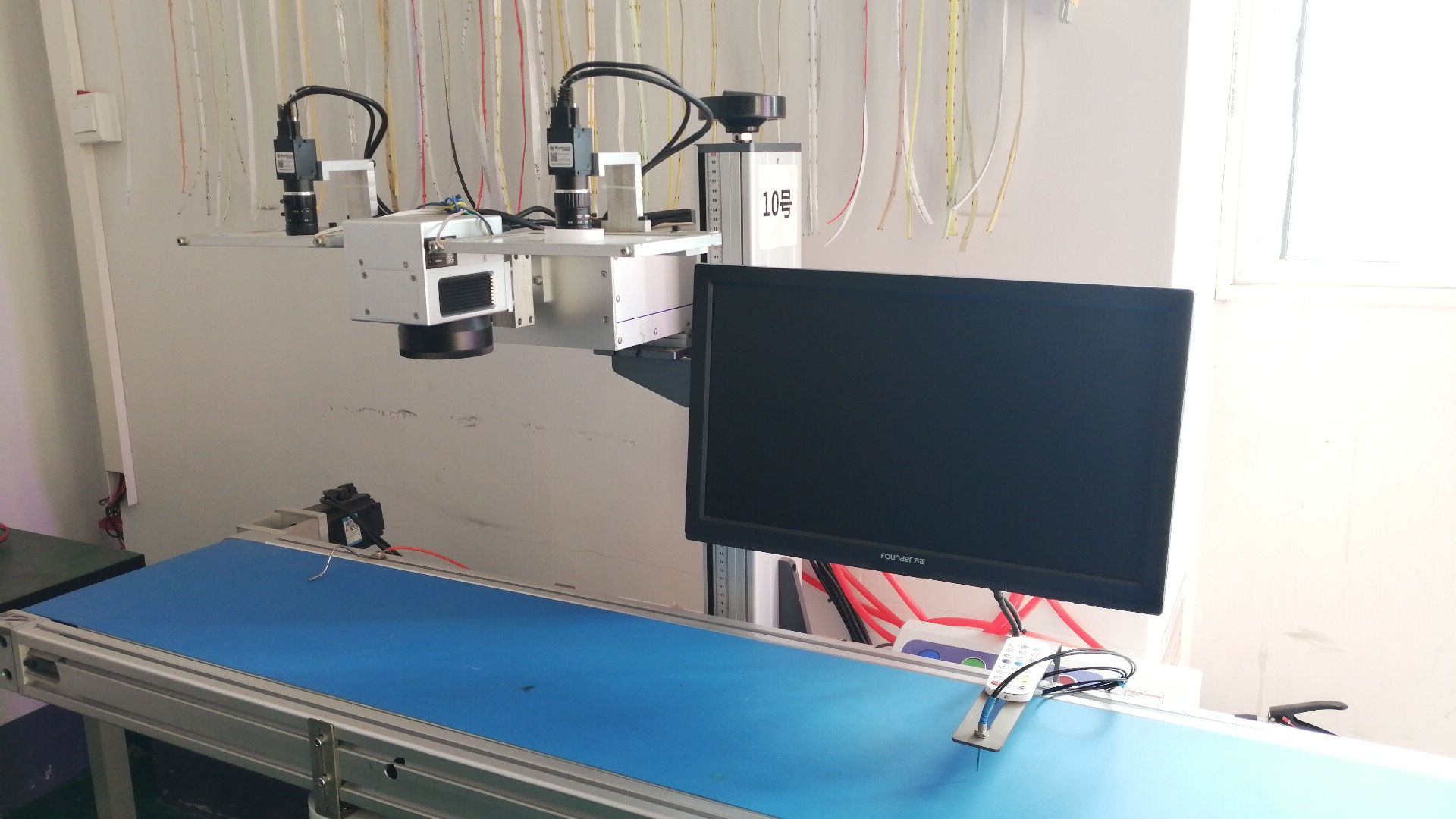
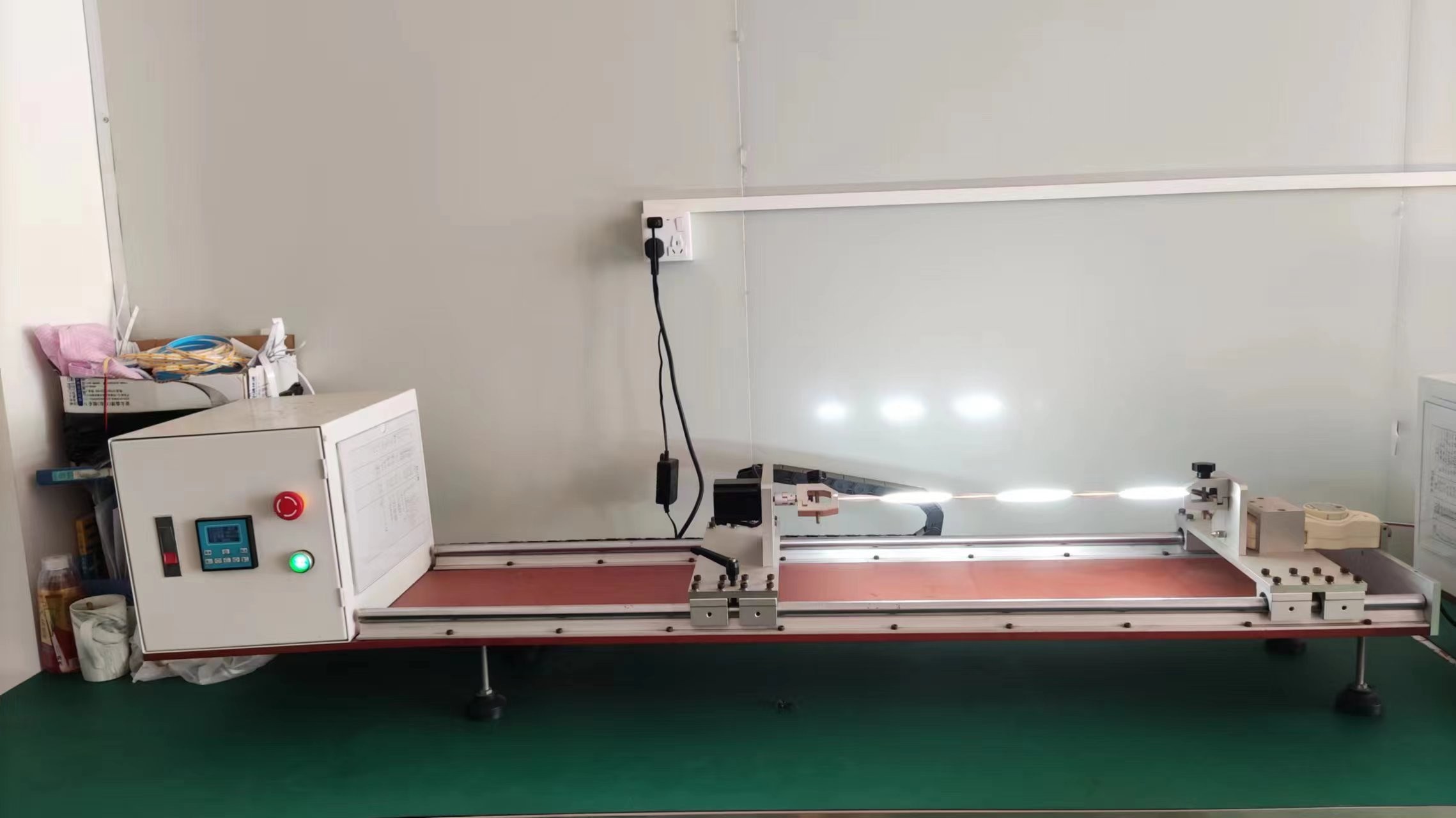
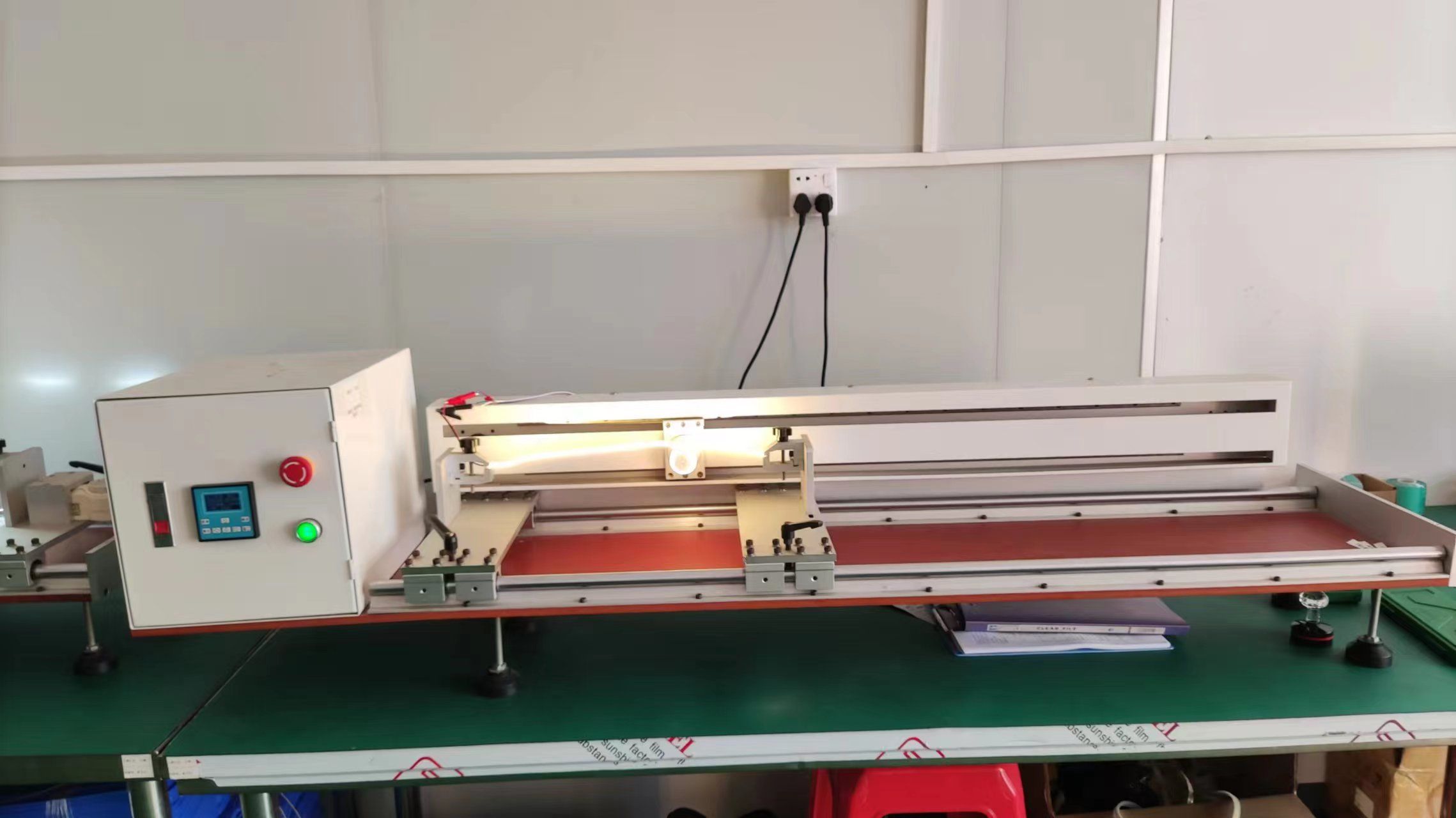
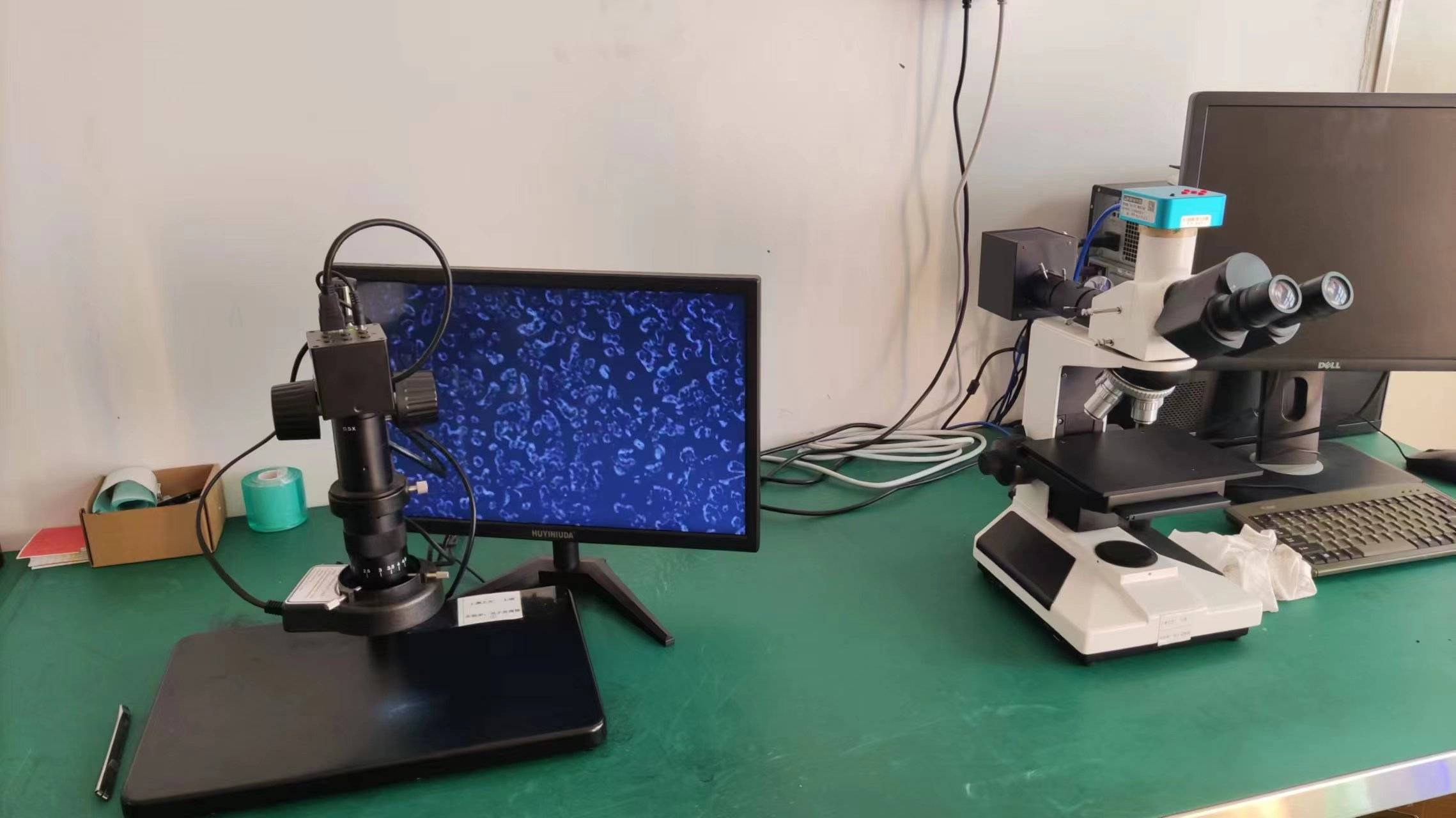
Located in Shiyan Street, Shenzhen, our 2,053 m² SGS-verified manufacturing plant operates state-of-the-art automated production machinery. Explore our verified inline assembly processes and QC testing equipment below.

E-E-A-T Commitment to Global Wholesalers & Lighting Integrators

With over a decade of OEM manufacturing experience, Shenzhen Livdo Lighting Technology Co., Ltd. exports 81%–90% of its total output to North America, Western Europe, and Northern Europe. Verified onsite by SGS Group, our facility maintains rigorous manufacturing compliance, complete traceability, and direct technical engineering support for your custom projects.

Direct Factory Wholesale Inquiry

Request a Custom Technical Quote & Controller Datasheet

Submit your universe count, pixel IC specifications, or project CAD drawings directly to our engineering team. We guarantee rapid technical evaluation and factory-direct pricing.

Inquire Now Email: [email protected]