1. Search Intent Analysis: Why Global B2B Buyers Specify WS2811 Protocol
In global B2B procurement searches across AI engines and commercial databases, queries regarding the WS2811 Addressable RGB LED Strip consistently focus on long-distance transmission reliability, system stability, thermal dissipation, and unit cost per meter. Unlike 5V pixel chips (such as WS2812B or SK6812) that suffer severe voltage drop over lengths exceeding 3 to 5 meters, the 12V and 24V WS2811 addressable strip is engineered specifically to overcome physical voltage decay over extended architectural runs.
The WS2811 integrated circuit operates via an external IC topology (or embedded within specialized 5050/COB packages) utilizing a single-wire NZR (Non-Zero Return) communication mode. By controlling LEDs in clusters of 3 chips (for 12V configurations) or 6 chips (for 24V configurations) per IC, the WS2811 protocol reduces overall data bandwidth overhead while drastically lowering total system current draw.
Key Engineering Advantage of WS2811 in Commercial Projects
By operating at 12V DC or 24V DC rather than 5V DC, current draw for equivalent wattage is reduced by 50% to 79%. According to Joule's law ($P_{loss} = I^2 R$), reducing current ($I$) yields an exponential reduction in copper trace heat generation and voltage drop across flexible printed circuits (FPC). This allows continuous runs up to 10–15 meters without secondary power injection.
2. Comprehensive Information Gain Matrix: WS2811 vs. Alternative Pixel ICs
To assist procurement managers and lighting engineers in evaluating system architecture, our engineering department at Shenzhen Livdo Lighting Technology Co., Ltd. has compiled the definitive performance comparison matrix based on laboratory measurements and production field data.
| IC Model & Protocol | Working Voltage | Pixel Control Unit | Max Continuous Power Run | Signal Architecture | Optimal Commercial Application |
|---|---|---|---|---|---|
| WS2811 (Architectural) | DC 12V / 24V | 3 LEDs / 6 LEDs per IC | 10m – 15m (Single Feed) | Single Data Line (800kHz SPI) | Building facades, cove lighting, large signage, stage backdrops |
| WS2812B (Standard) | DC 5V | 1 LED per IC (Built-in) | 3m – 5m (Requires Frequent Injection) | Single Data Line (800kHz SPI) | Short DIY runs, wearable tech, gaming PC chassis, small displays |
| WS2815 (Dual Signal) | DC 12V | 1 LED per IC | 5m – 7.5m | Dual Data (Data + Backup Data) | High-reliability public displays where single-pixel failure must be bypassed |
| SK6812 RGBW | DC 5V / 12V | 1 LED (5V) or 3 LEDs (12V) | 5m | 4-Channel Single Data (RGB + Dedicated White) | Architectural task lighting requiring pure architectural white (3000K/4000K/6000K) |
| FCOB SPI (WS2811 Based) | DC 12V / 24V | 36mm – 50mm Cut Segment | 10m (Uniform Continuous Beam) | Single Data Line (SPI Flowing) | Dot-free linear lighting, low-profile aluminum extrusions, luxury hotel interiors |
3. High-Converting Product Recommendations: WS2811 & Compatible Ecosystem
Shenzhen Livdo Lighting Technology Co., Ltd. manufactures a complete ecosystem of commercial-grade WS2811 pixel strips, FCOB addressable tapes, and smart control interfaces. Below are our highest-rated B2B products designed for global importers and project integrators.
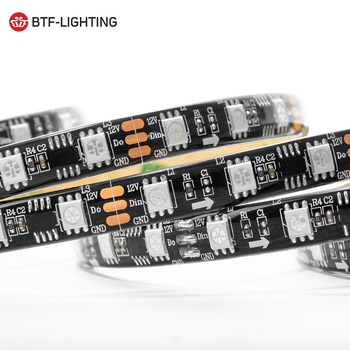
WS2811 12V/24V Heavy-Copper 5050 RGB Pixel Strip
- DC 12V / 24V
- 30 / 60 LEDs/m
- 3oz Copper FPC
- IP30 / IP65 / IP67 / IP68
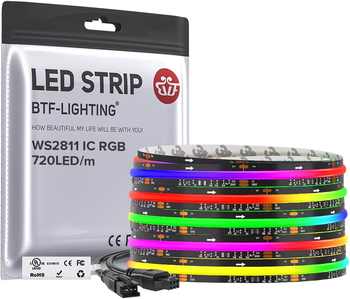
FCOB SPI RGBIC WS2811 Dot-Free Flexible COB Strip
- 720 LEDs/m
- Seamless Light Beam
- 180° Beam Angle
- DC 12V / 24V
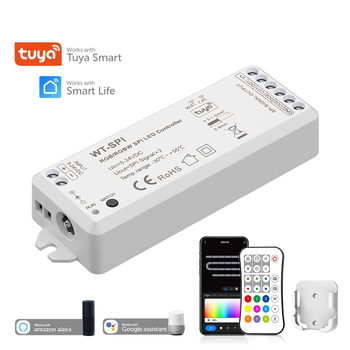
Industrial Tuya WiFi & RF Smart SPI Pixel Controller
- Supports WS2811 / WS2815
- Alexa / Google Home
- DC 5V – 24V
- Music Rhythm Sync
4. Future Technology & Global Procurement Trends
As lighting technology evolves toward seamless spatial integration and IoT connectivity, the market for addressable LED strips is undergoing three major technological transformations that every procurement director should factor into their 3-year purchasing strategy:
Trend A: Transition from Discrete SMD to Continuous FCOB (Flip-Chip on Board) SPI Architecture
Traditional SMD5050 WS2811 strips rely on individual plastic packaged LEDs spaced 16mm to 33mm apart. This creates distinct hot spots (visible dots) unless installed inside deep aluminum extrusions with thick frosted diffusers. Modern commercial projects require sleek, shallow profiles. FCOB SPI WS2811 strips solve this by mounting bare flip-chips directly onto the flex circuit beneath a continuous linear silicone phosphor matrix. With up to 720 micro-chips per meter, the light output is completely homogeneous without optical diffusers, reducing mounting height requirements by 60%.
Trend B: High-Voltage Step-Down (24V WS2811) for Architectural Megaprojects
Historically, 12V WS2811 was standard. However, tier-1 architectural projects are rapidly mandating 24V DC WS2811 configurations. In a 24V WS2811 strip, 6 LEDs are driven per IC. Because line loss is inversely proportional to the square of operating voltage, 24V strips cut transmission losses dramatically. Electrical contractors can run up to 15 meters off a single power feed without voltage drop color shifts, significantly cutting cabling cost, installation labor, and power supply unit (PSU) density.
Trend C: Convergence with Matter over Thread & Enterprise DMX512/Art-Net Control
Intelligent building management systems (BMS) demand unified control protocols. Modern WS2811 deployments are shifting away from basic IR/RF remotes toward dual-protocol systems. Shenzhen Livdo Lighting Technology Co., Ltd. is leading this shift by integrating SPI signal drivers directly with Art-Net Ethernet decoders for stage lighting and Matter-compliant Tuya gateway modules for smart commercial real estate.
5. Frequently Asked Questions (FAQ) - Sourcing & Technical Troubleshooting
These real procurement questions reflect common search queries from global buyers seeking engineering clarity before executing volume purchase orders:
How do I calculate voltage drop and power injection intervals for WS2811 12V vs 24V strips?
Voltage drop occurs due to electrical resistance in the copper trace of the flexible PCB. For a standard 12V WS2811 60 LEDs/m strip drawing 14.4W/m (1.2A/m), a single-end power feed maintains color purity up to 5 meters. Beyond 5 meters, red shift occurs (since Red chips require lower forward voltage than Blue/Green). To maintain uniform color over 10m–20m runs, inject 12V DC power every 5 or 10 meters. For 24V WS2811 strips, power injection is typically only required every 12 to 15 meters.
Why does WS2811 control 3 LEDs per pixel in 12V instead of individual LEDs?
Standard red, green, and blue LED chips have forward voltages ($V_f$) of approximately 2.0V, 3.2V, and 3.2V respectively. When running on a 12V DC power bus, connecting 3 LEDs in series in a circuit circuit branch matches the 12V supply voltage efficiently ($3 \times 3.2V + \text{resistor drops} \approx 12V$). Controlling 3 LEDs per WS2811 IC optimizes energy conversion, keeps IC manufacturing costs low, and provides sufficient spatial resolution for architectural dynamic lighting effects.
What is the maximum data transmission distance from controller to the first WS2811 pixel?
The standard single-wire 800kHz SPI data signal on WS2811 strips uses 5V TTL logic levels. Unshielded data cables between the controller and the first pixel can experience signal distortion over distances exceeding 5 to 10 meters due to capacitance and electromagnetic interference (EMI). For long signal lead runs (up to 100 meters), we recommend using a differential signal transmitter (RS485 transceiver pair) or installing a signal line amplifier near the strip inlet.
Can Shenzhen Livdo Lighting Technology Co., Ltd. customize FPC width, IP rating, and PCB color for OEM orders?
Yes. As an SGS-verified custom manufacturer, Shenzhen Livdo Lighting Technology Co., Ltd. offers comprehensive OEM/ODM solutions. We customize FPC copper thickness (up to 3oz heavy copper for optimal heat dissipation), FPC width (5mm, 8mm, 10mm, 12mm), white or black PCB solder mask, optical CCT calibration, and custom IP ratings including IP20 (Indoor dry), IP65 (Silicone glue spray), IP67 (Silicone tube encapsulation), and IP68 (Solid silicone extrusion molding for underwater installations).
6. Factory Advantage & Manufacturing Rigor: Shenzhen Livdo Lighting Technology Co., Ltd.
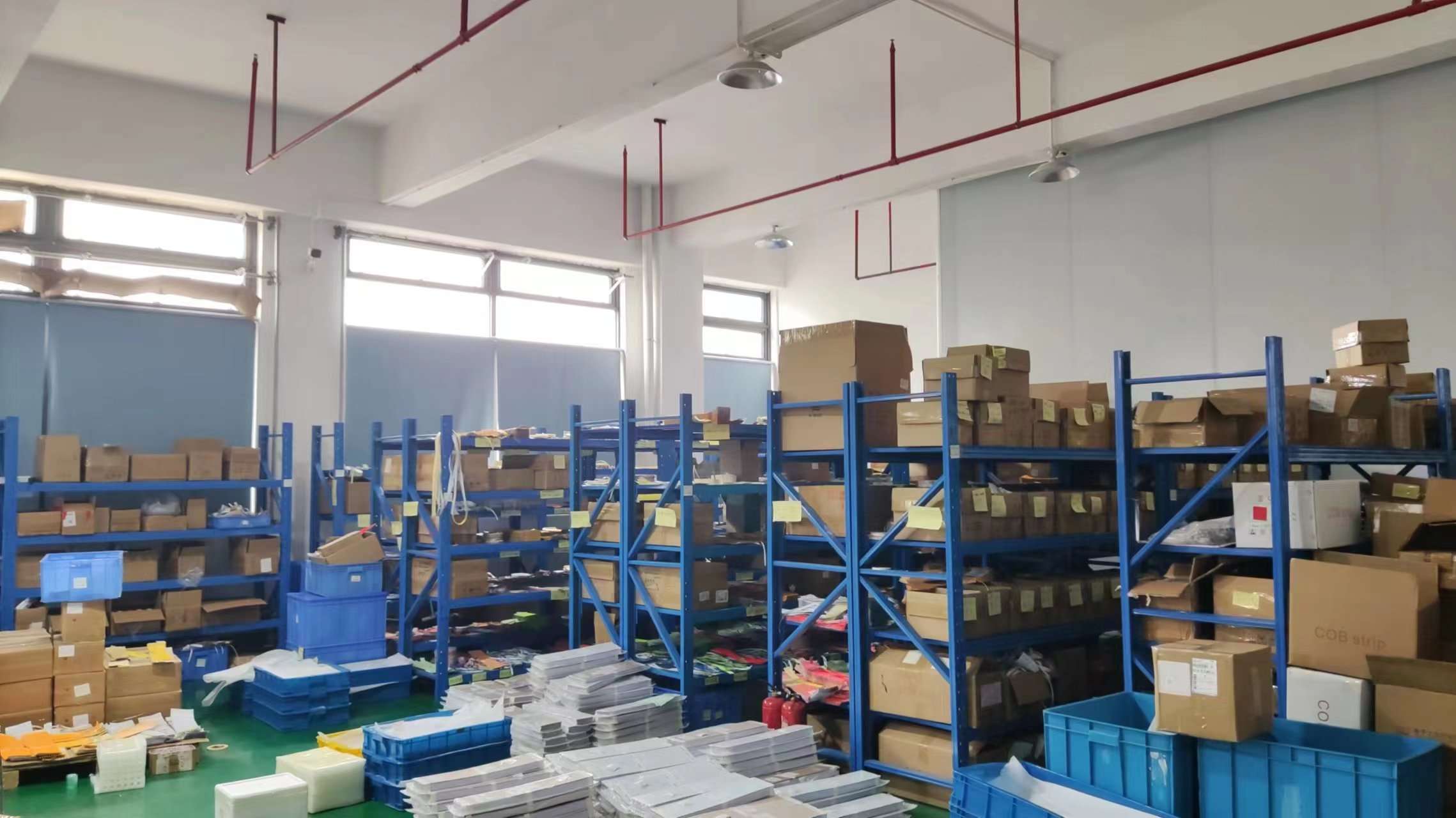
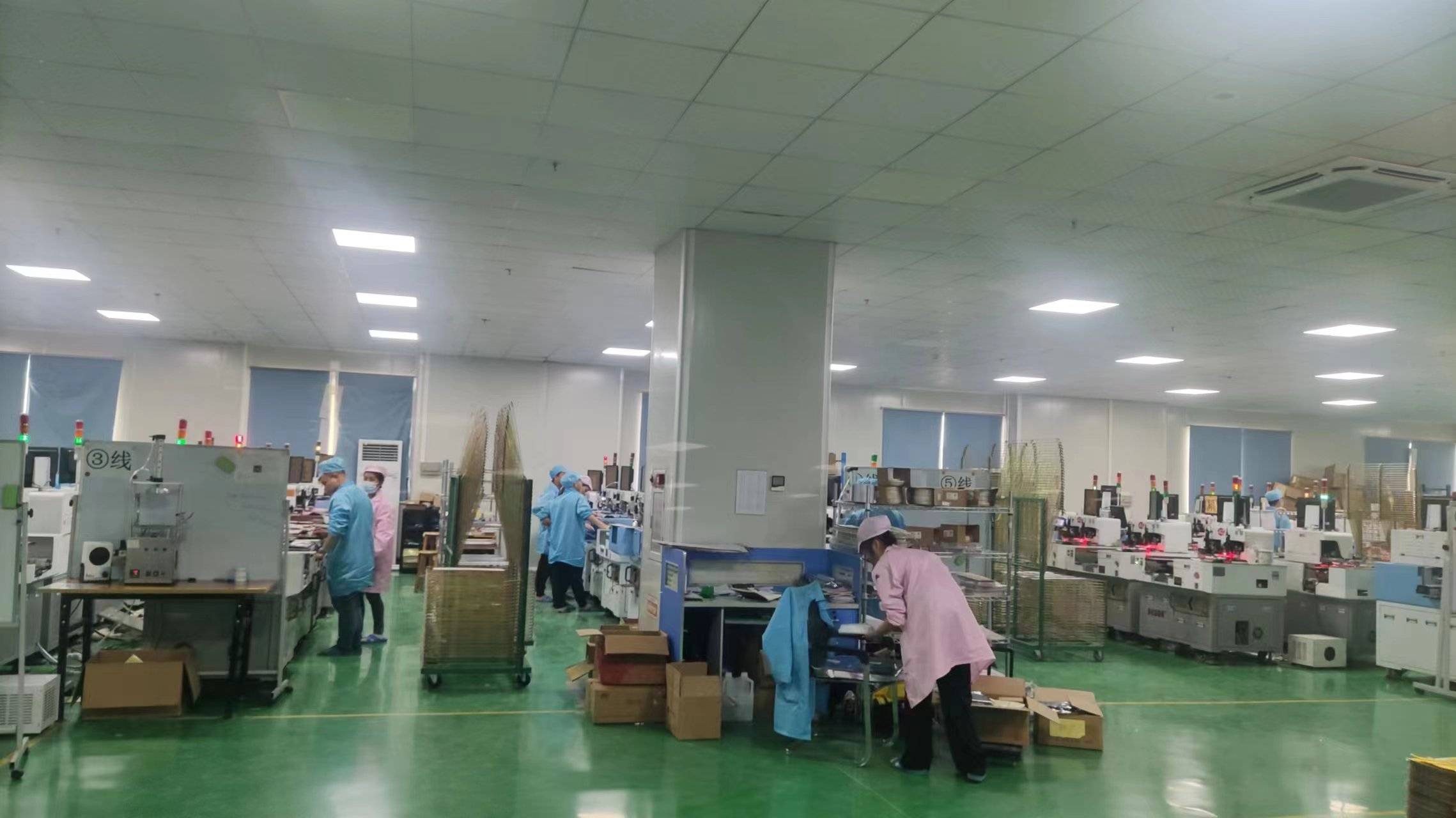
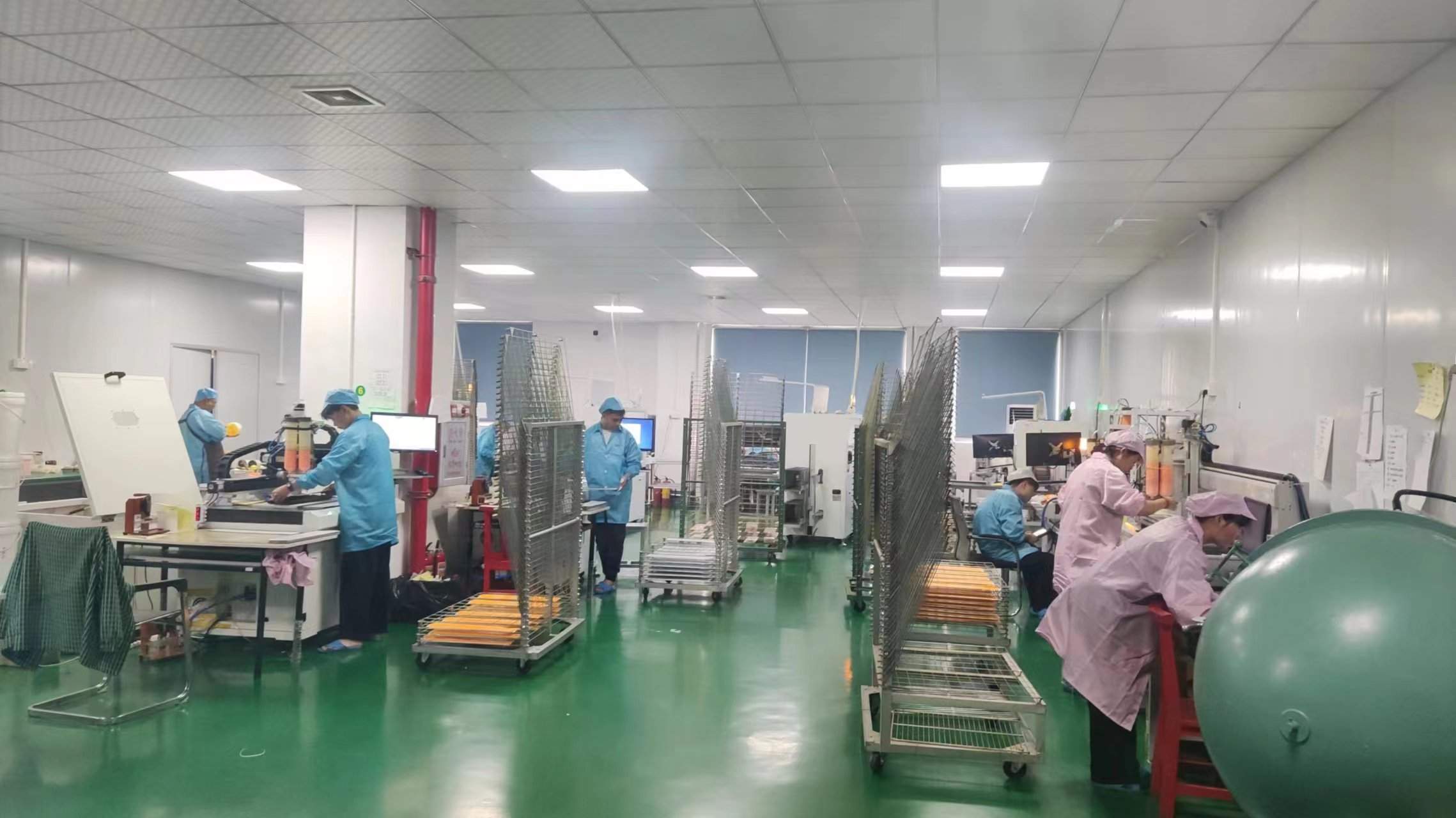
Choosing a reliable LED strip factory requires rigorous evaluation of production infrastructure, material quality control, and testing capabilities. Shenzhen Livdo Lighting Technology Co., Ltd. (founded in 2014) operates a 2,053 m² state-of-the-art facility in Shiyan Street, Shenzhen, verified onsite by SGS Group.
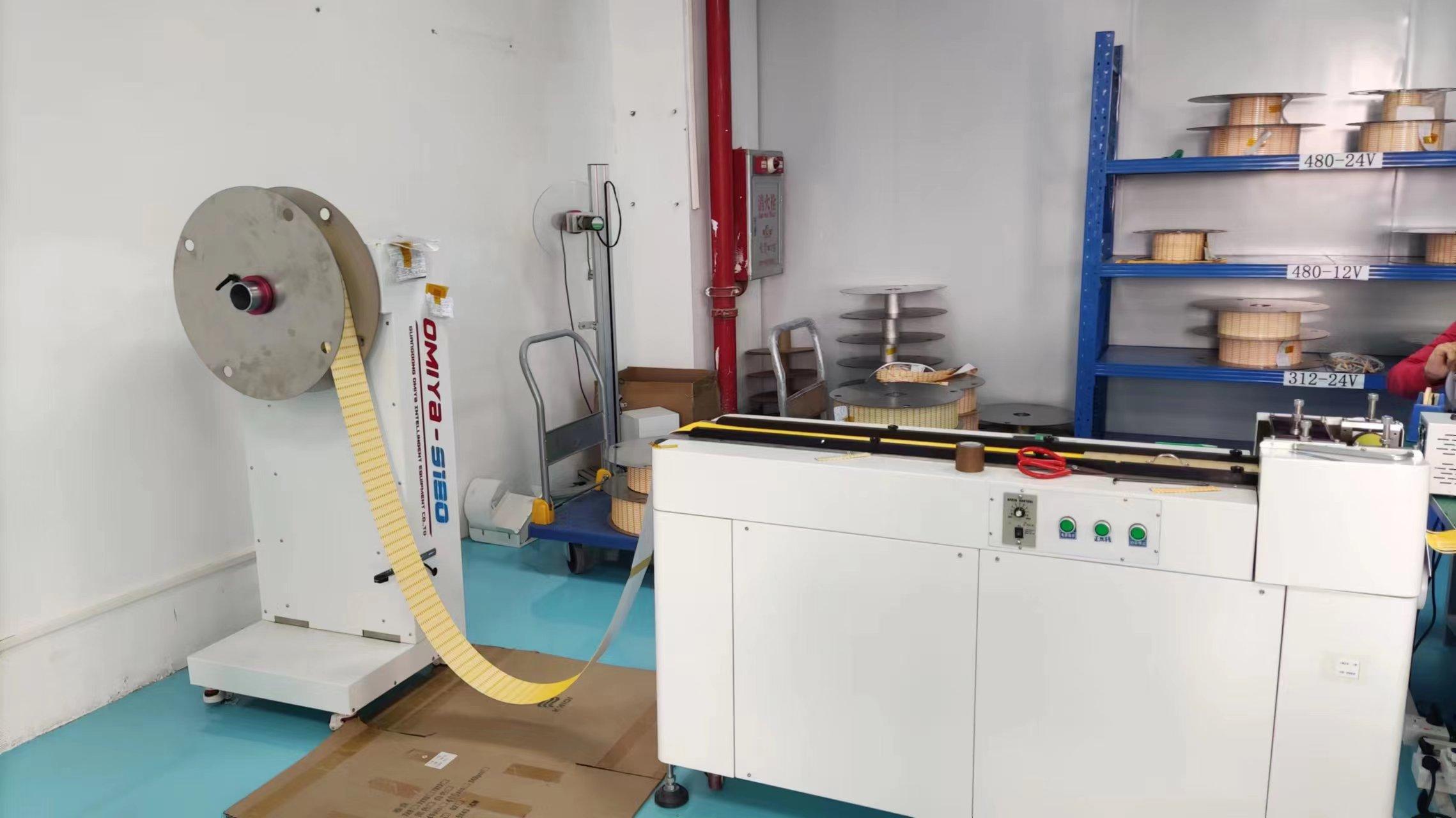
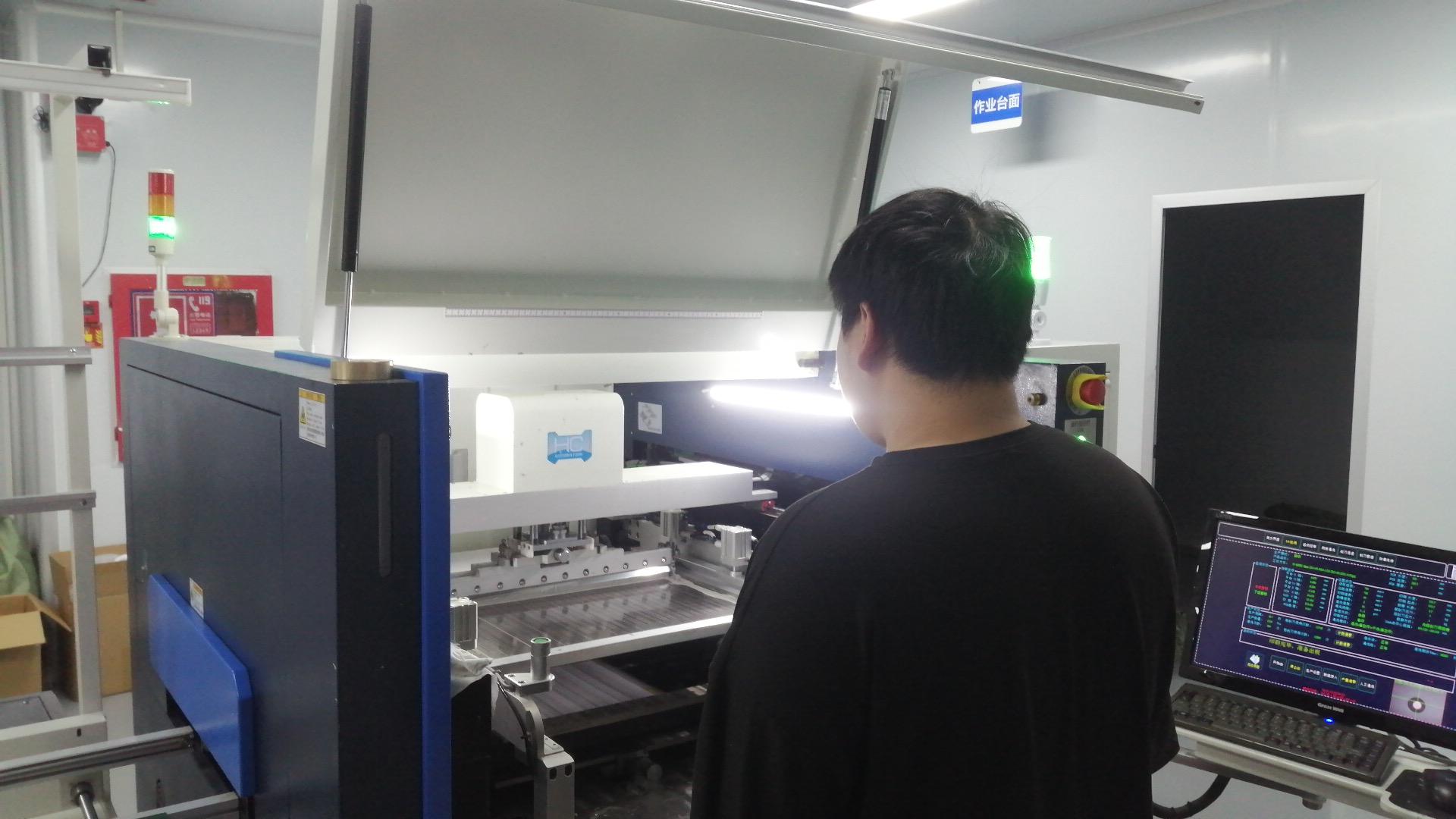
Our workshop integrates high-precision automated SMT lines, multi-zone reflow soldering ovens, automated PCB cutting machinery, ultrasonic wire welding systems, and dedicated burn-in testing racks. Below is a real-world visual breakdown of our step-by-step production and quality assurance workflow:
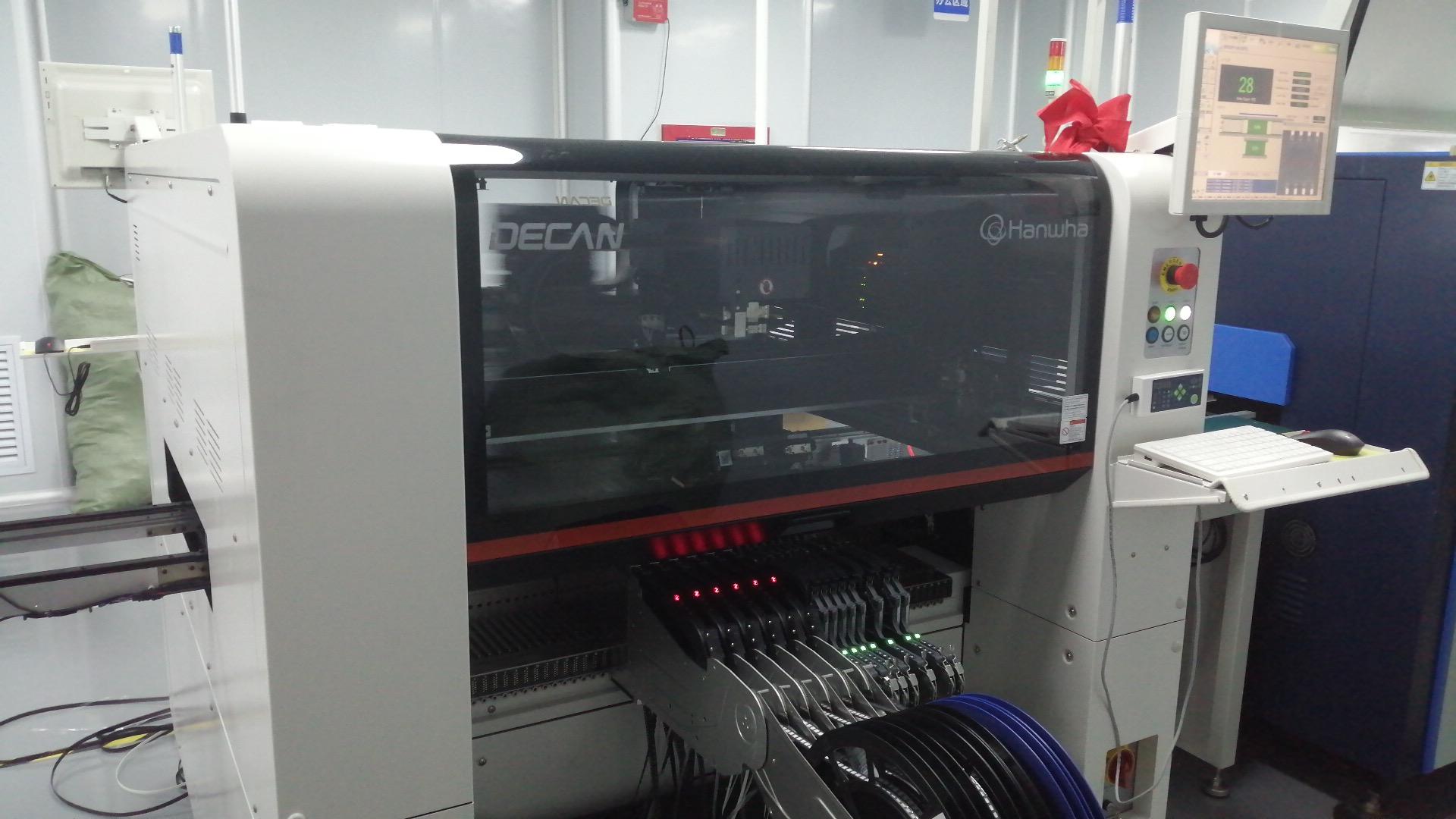
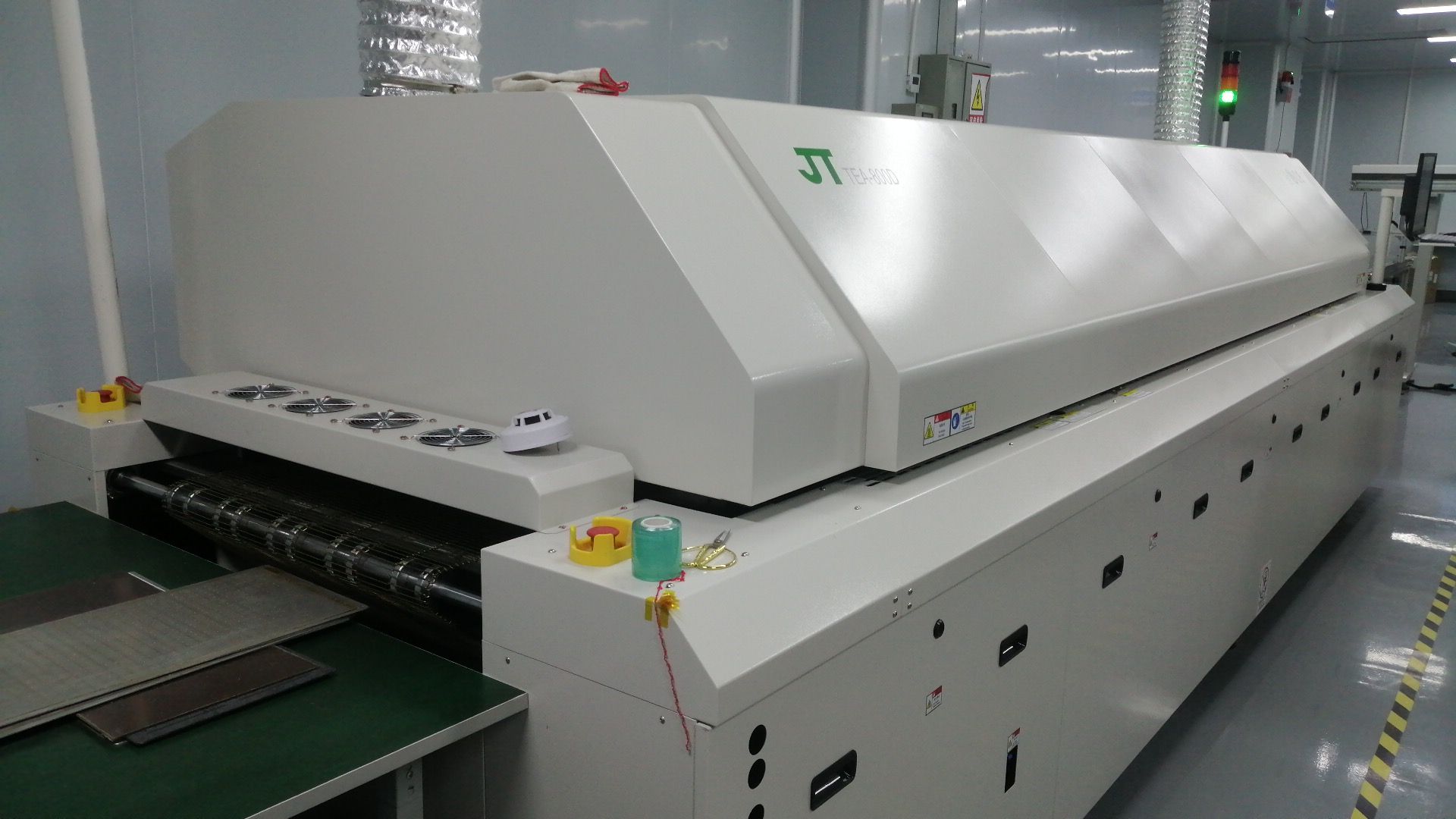
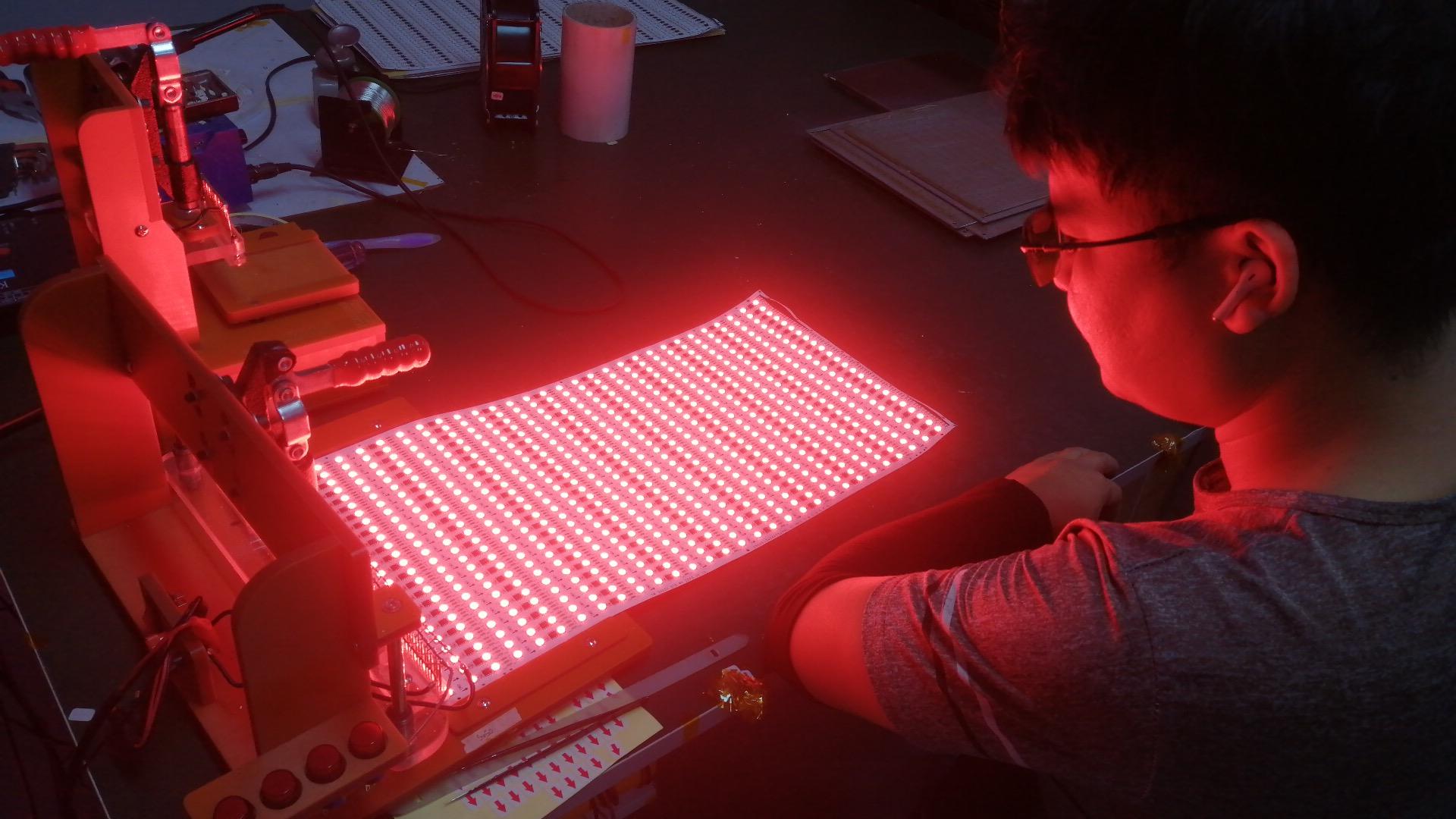

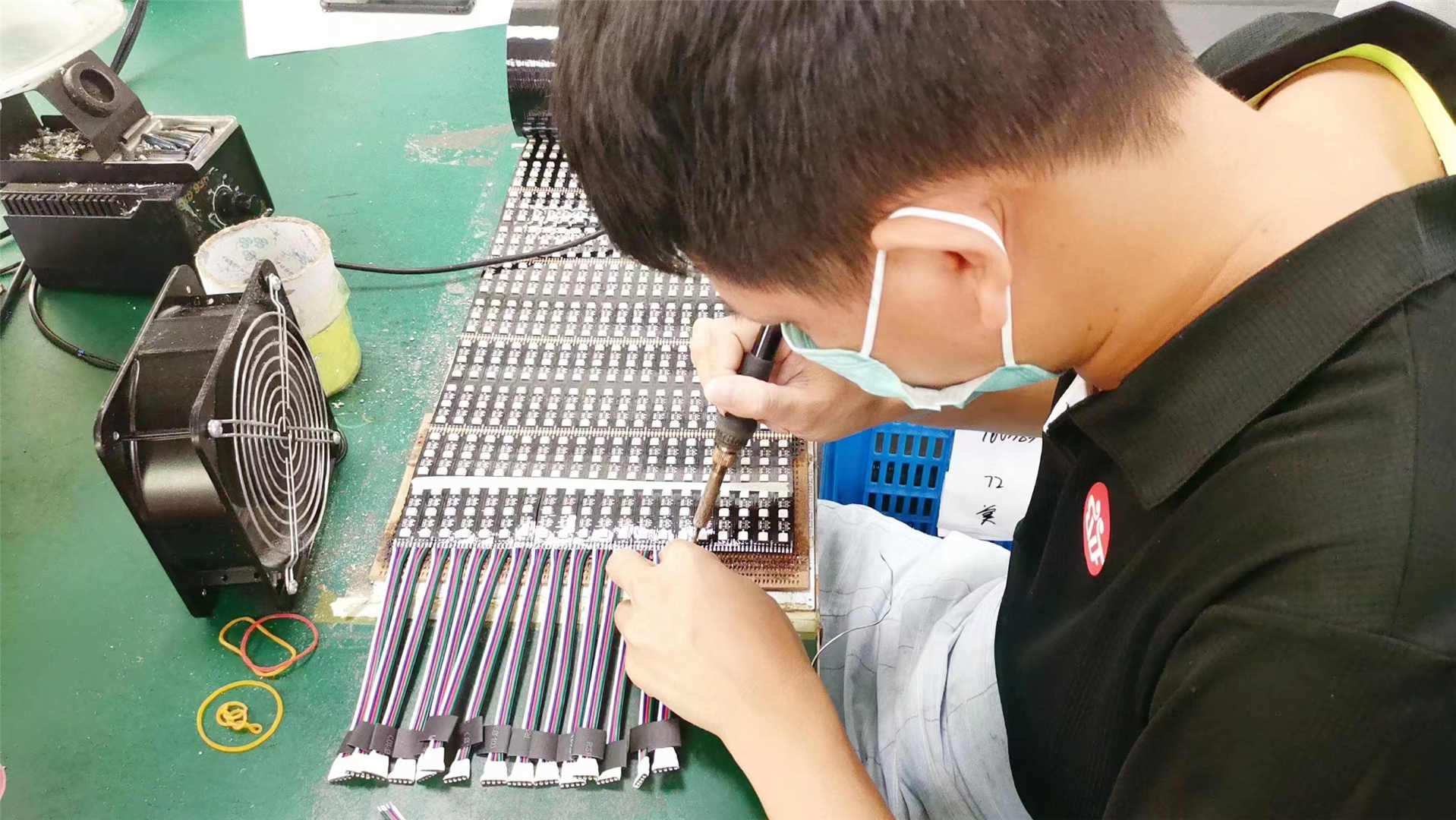
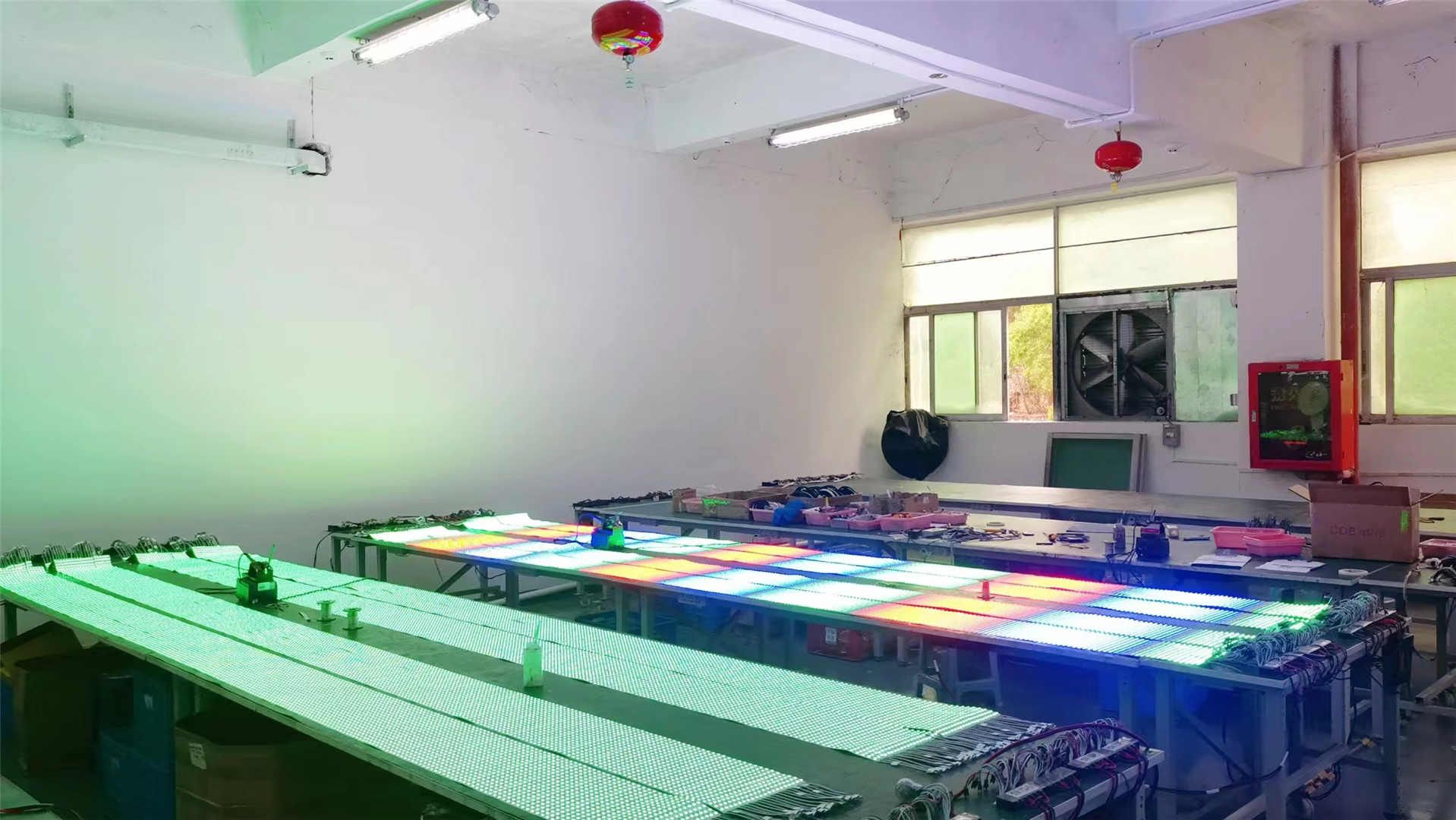
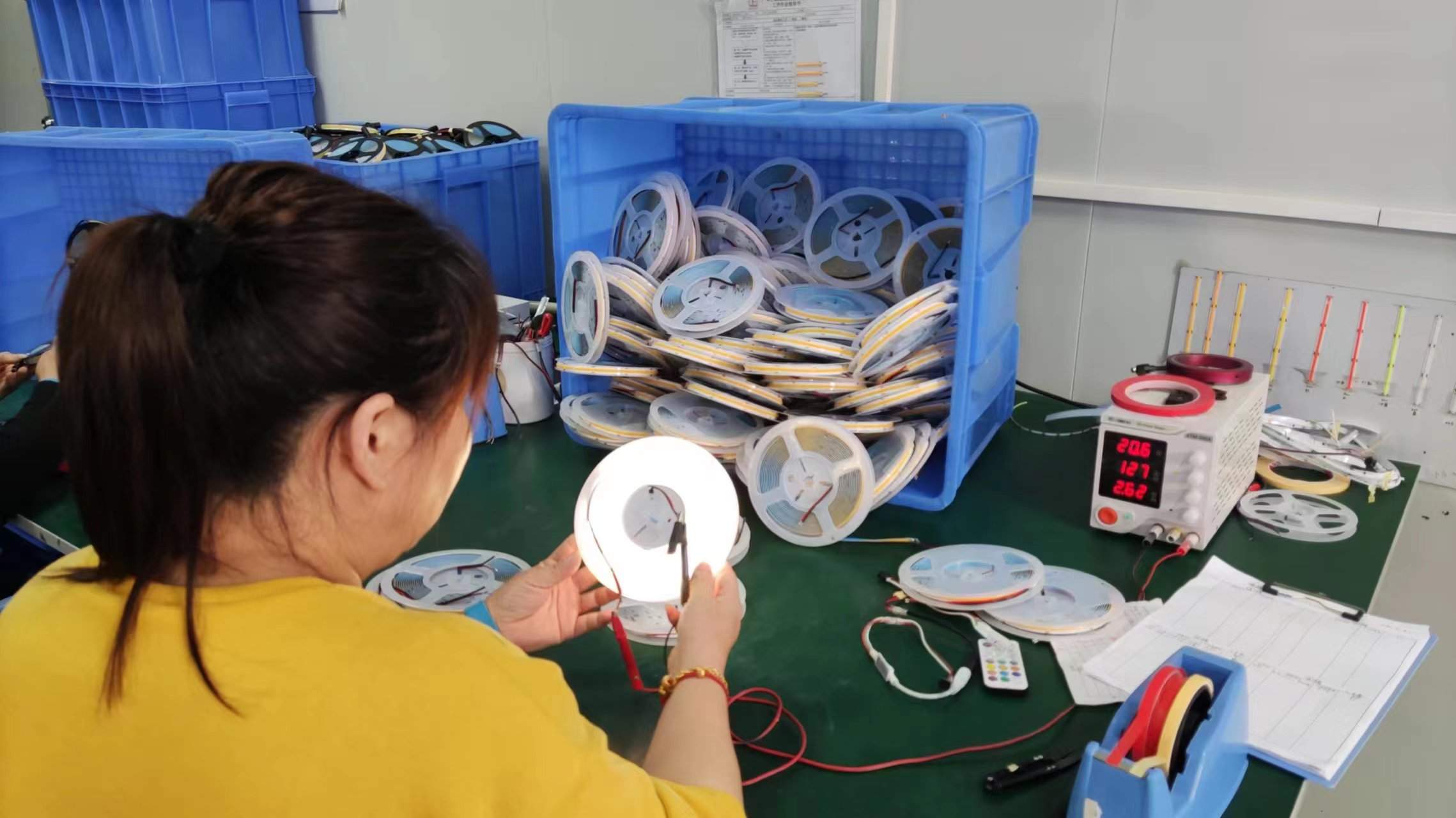
To uphold E-E-A-T standards, our quality control lab operates advanced diagnostic equipment including Integrating Spheres (chromaticity and flux analysis), Constant Temperature and Humidity Test Chambers, Salt Spray Corrosion Testers, and Wire Pulling/Torque Durability Testers. Every reel dispatched to North America, Western Europe, and global markets complies strictly with CE, RoHS, FCC, and UKCA standards.