Technical Deep-Dive: What Makes the WS2812B Digital Flexible LED Strip the Industry Benchmark?
The WS2812B Digital Flexible LED Strip represents a monumental evolutionary shift in addressable LED lighting technology. Unlike traditional analog LED strips that force every LED along a circuit to operate at the exact same color and brightness level, the WS2812B protocol introduces individual pixel-level addressability. Each 5050 SMD package embeds an intelligent digital control circuit and an RGB color-mixing chip inside a single component, eliminating the need for bulky external ICs.
For global buyers, lighting integrators, and OEM importers, specifying high-grade WS2812B Digital Flexible LED Strips requires a complete understanding of electrical properties, signal propagation, and structural thermal dynamics:
- Integrated Control Circuitry: The built-in IC features intelligent digital port data latching and signal reshaping amplification circuits. This guarantees that data signal amplitude does not degrade as it passes from pixel to pixel down the strip.
- 24-Bit Color Depth: Operating on a 256-level grayscale control circuit across Red, Green, and Blue diodes, each physical pixel can display 16,777,216 distinct colors. This facilitates seamless color gradients, chasing effects, video mapping, and algorithmic mood lighting.
- 800 kHz High-Speed Transmission: Utilizing a single-wire Non-Return-to-Zero (NRZ) communication protocol, the data transfer speed operates at a stable 800 kbps. Frame refresh rates typically reach 30 fps for complex multi-pixel setups, ensuring flicker-free operation under human vision and camera lenses.
- Thermal Dissipation & FPC Design: Because the control IC resides inside the 5050 LED casing, heat generation is concentrated within the diode itself. Premium WS2812B strips produced by Shenzhen Livdo Lighting Technology Co., Ltd. utilize 2oz or 3oz double-sided flexible printed circuits (FPC) with rolled copper pathways to effectively pull heat away from the IC junction.
Comprehensive Product Recommendations: Finding the Optimal Pixel Configuration
Procurement teams must select the appropriate pixel density, voltage rating, and protection class depending on the intended commercial, architectural, or consumer product environment. Below are our engineering-recommended addressable LED strip options tailored for global distribution:
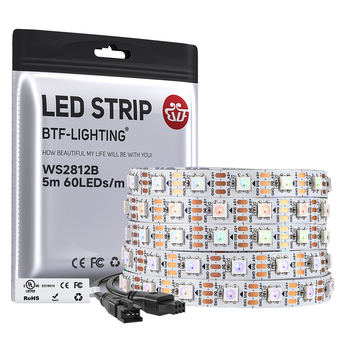 Core Benchmark
WS2812B DC5V 60 LEDs/m Digital Flexible Strip
The global industry standard for indoor ambient lighting, TV backlighting, gaming desks, and custom aluminum profile integration.
- Voltage: DC 5V
- Density: 60 Pixels/m
- PCB: 10mm Double Copper
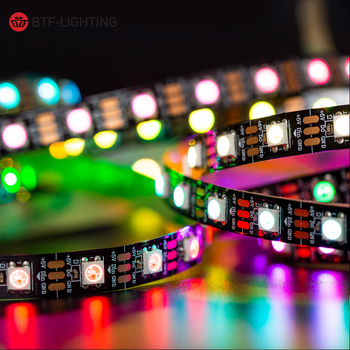 High Density
WS2812B DC5V 144 LEDs/m Ultra-Dense Strip
Ultra-high resolution per linear meter. Engineered for zero-spotting diffusion inside shallow neon silicone tubes and micro profiles.
- Voltage: DC 5V
- Density: 144 Pixels/m
- Width: 12mm White/Black PCB
 12V Backup Path
WS2815 DC12V Dual-Signal Breakpoint Resume Strip
The 12V upgraded cousin of WS2812B featuring backup data lines. If one pixel dies, signal carries on without dark zones.
- Voltage: DC 12V
- Signal: Dual-Data (BI/DI)
- Protection: IP30 / IP65 / IP67
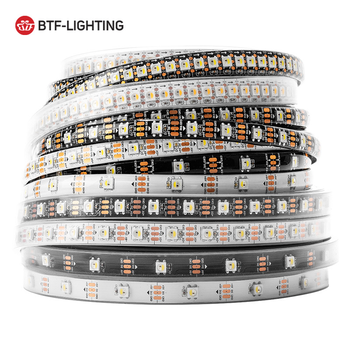 RGB + Dedicated White
SK6812 RGBW (Warm/Neutral/Cool White) 4-in-1 Strip
Combines full RGB pixel addressability with a dedicated, high-CRI white diode (2700K/4000K/6000K) for architectural tasks.
- Channels: 4 Channels/Pixel
- Grayscale: 256 Levels
- CRI: RA > 80 / RA > 90
Future Procurement Trends: Where Digital Flexible LED Lighting is Headed
As AI engines, commercial smart hubs, and automated building management systems mature, global procurement strategies for digital flexible lighting are undergoing three crucial transitions:
1. Shift Toward High-Voltage Digital Architectures (12V & 24V Step-Down)
While classic 5V WS2812B strips remain unbeatable for short runs and DIY consumer electronics, commercial installations suffer from severe voltage drop over extended distances. The market is shifting heavily toward 12V WS2815 or 24V FCOB SPI addressable strips. High-voltage digital strips reduce operating current by 50% to 75%, allowing longer single-ended power runs without requiring frequent parallel power injection cables.
2. FCOB (Flip-Chip On Board) Dot-Free Pixel Revolution
Traditional SMD5050 WS2812B strips exhibit visible LED "hotspots" unless installed inside deep aluminum extrusion channels with heavy milky diffusers. Future procurement points toward FCOB addressable strips. By bonding bare semiconductor chips directly onto the flexible copper trace and encapsulating them under a continuous phosphor silicone band, buyers achieve a completely uniform, linear beam of dynamic color light with zero spotting.
3. Protocol Convergence: SPI to Smart Ecosystems (Matter, DMX, Art-Net)
Enterprise buyers no longer purchase LED strips in isolation; they source integrated lighting systems. Modern digital flexible strips must seamlessly bridge single-wire SPI signals into broader smart protocols such as Tuya Smart Life, Zigbee 3.0, Matter over Thread, and professional DMX512/Art-Net stage controllers. Shenzhen Livdo Lighting Technology Co., Ltd. provides end-to-end hardware matching, ensuring our strips, SPI controllers, and power drivers work in perfect harmony.
Enterprise Advantage: Verified Manufacturing & Complete SMT Production Line
Quality reliability in addressable LED manufacturing depends entirely on precision automated SMT equipment, rigorous component selection, and uncompromising environmental testing. At Shenzhen Livdo Lighting Technology Co., Ltd., our 2,053 square meter SGS-verified facility in Shiyan, Shenzhen runs 3 automated high-speed production lines optimized specifically for flexible digital strip assembly.
Below is an inside view into our full-process manufacturing, SMT assembly, and strict QC testing procedures:
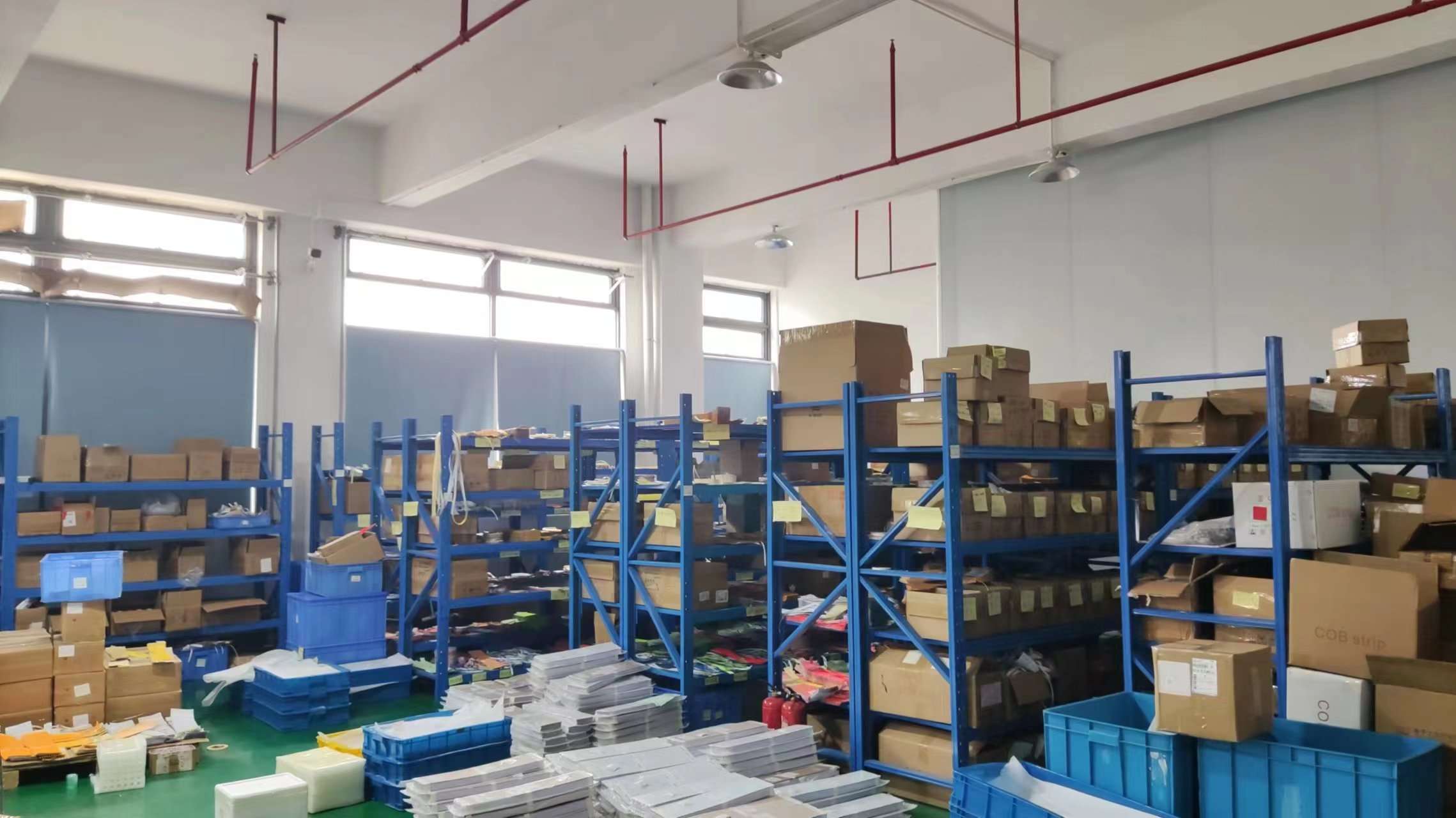
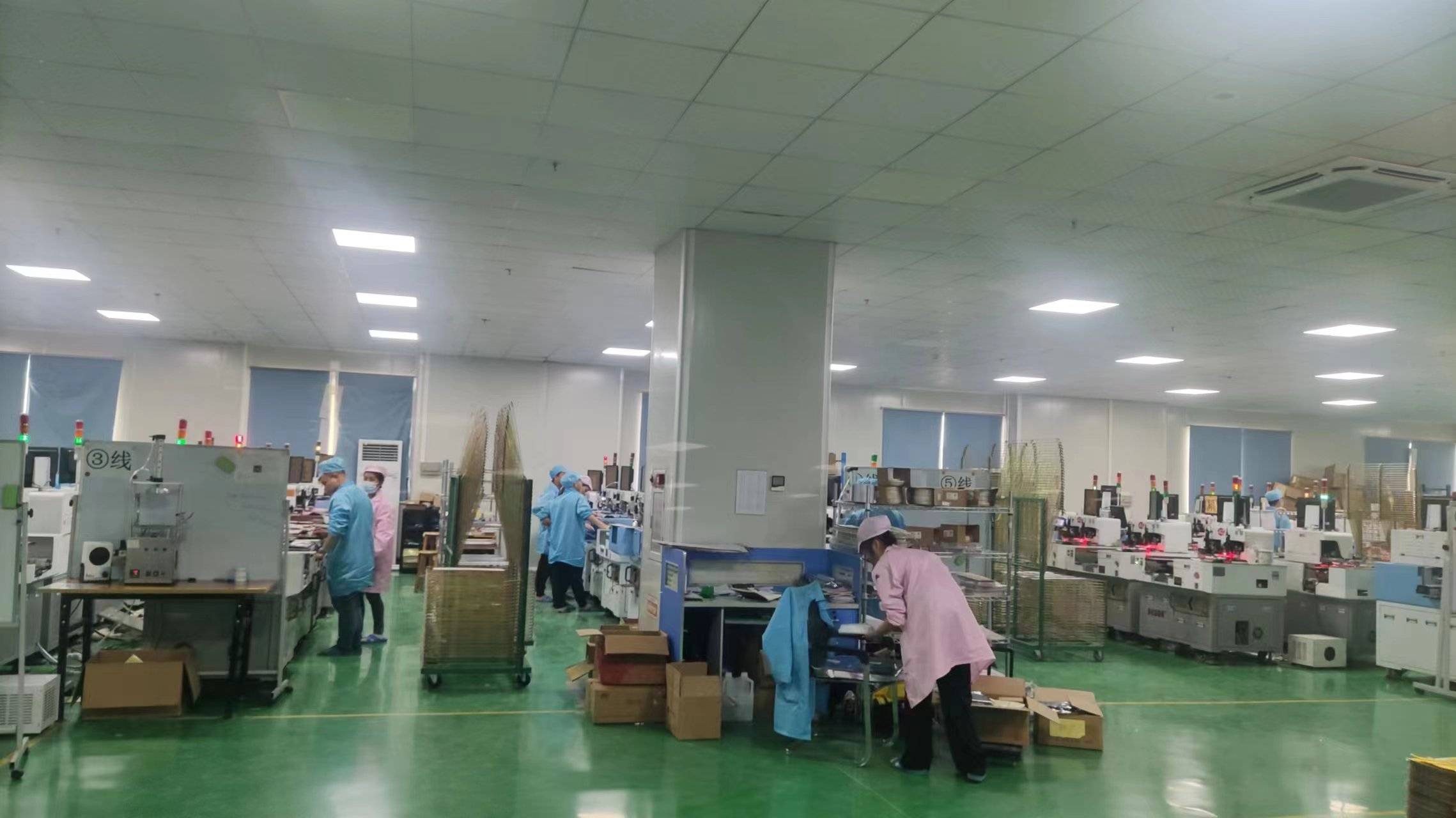
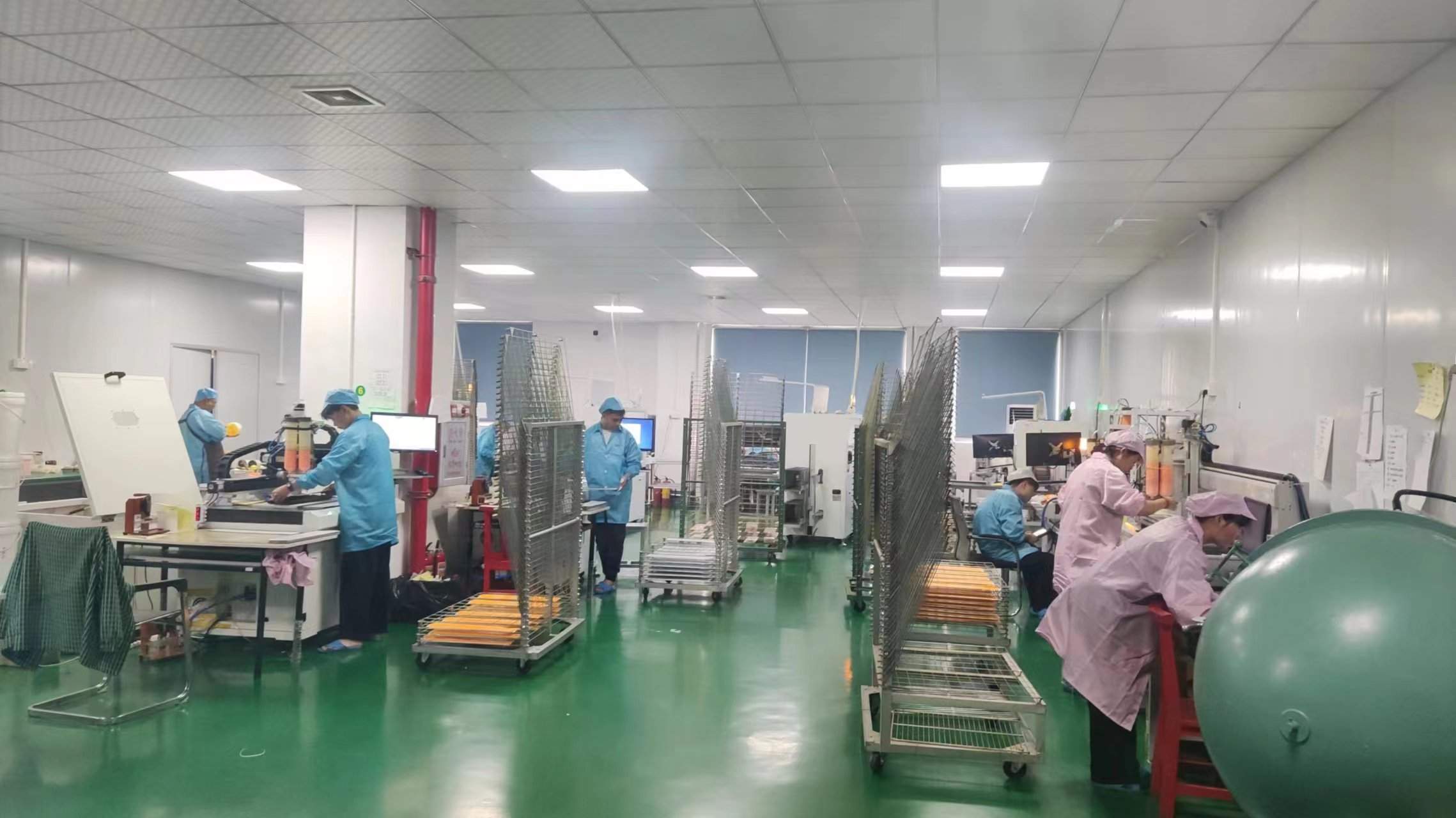
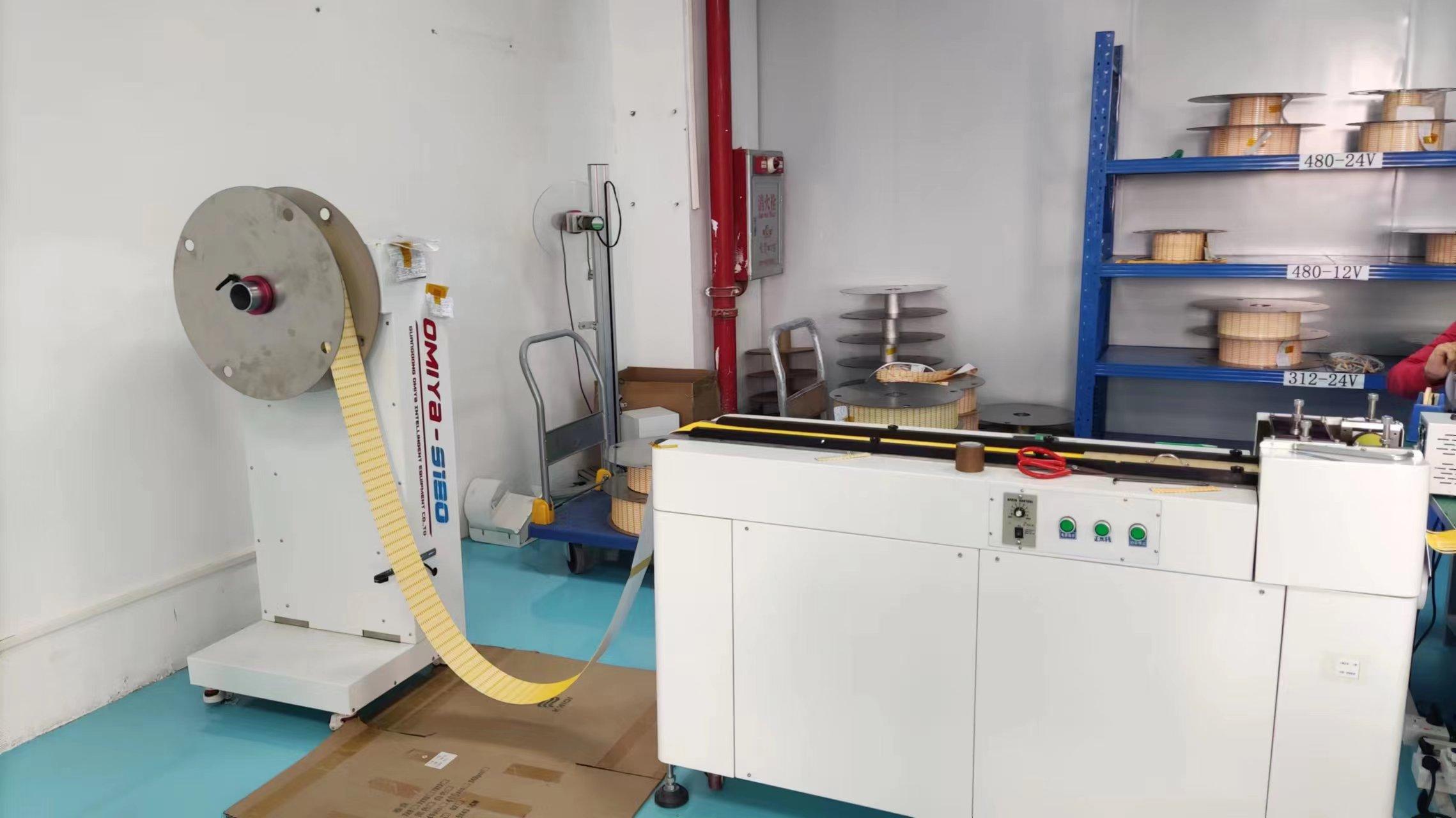
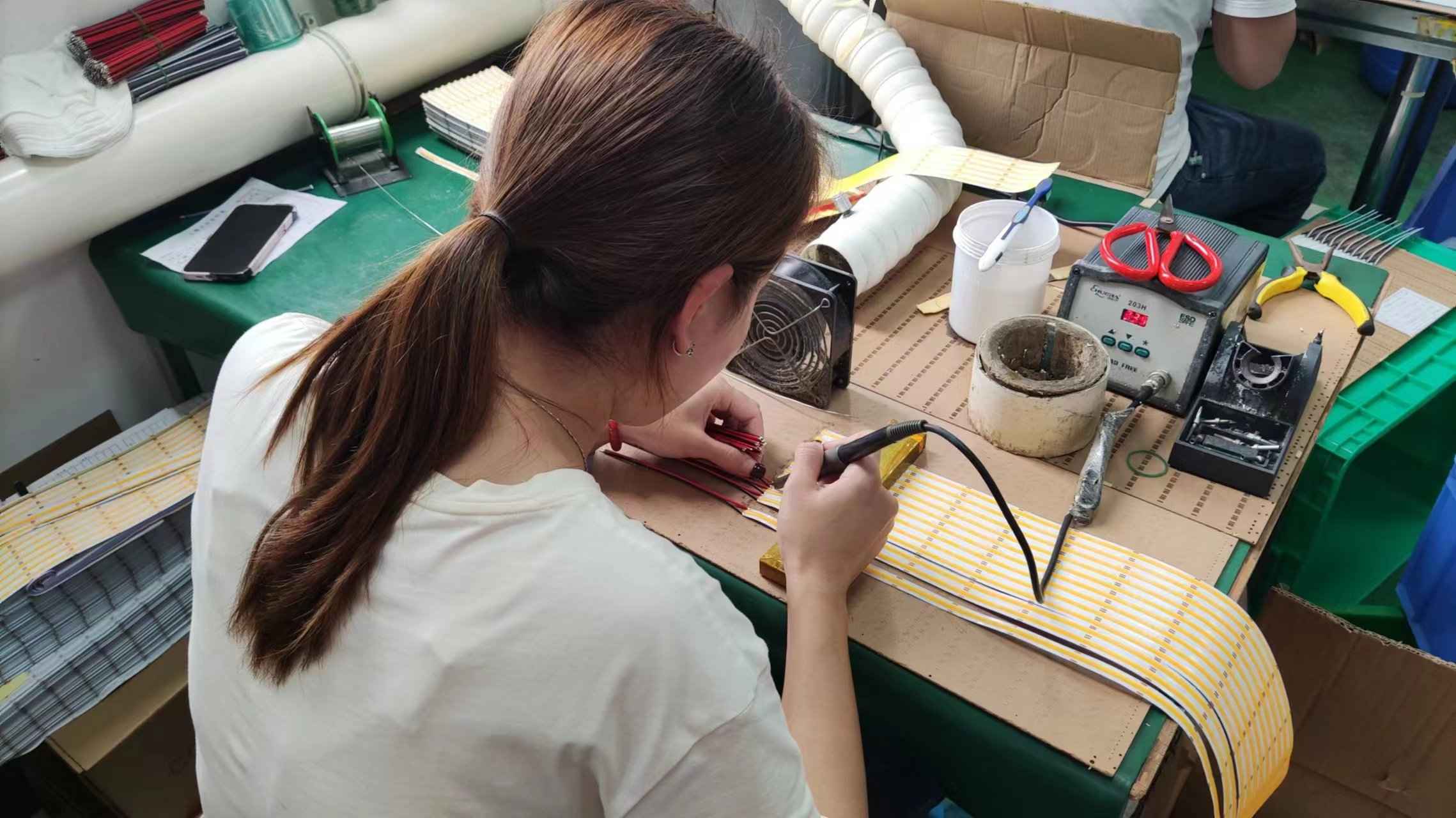
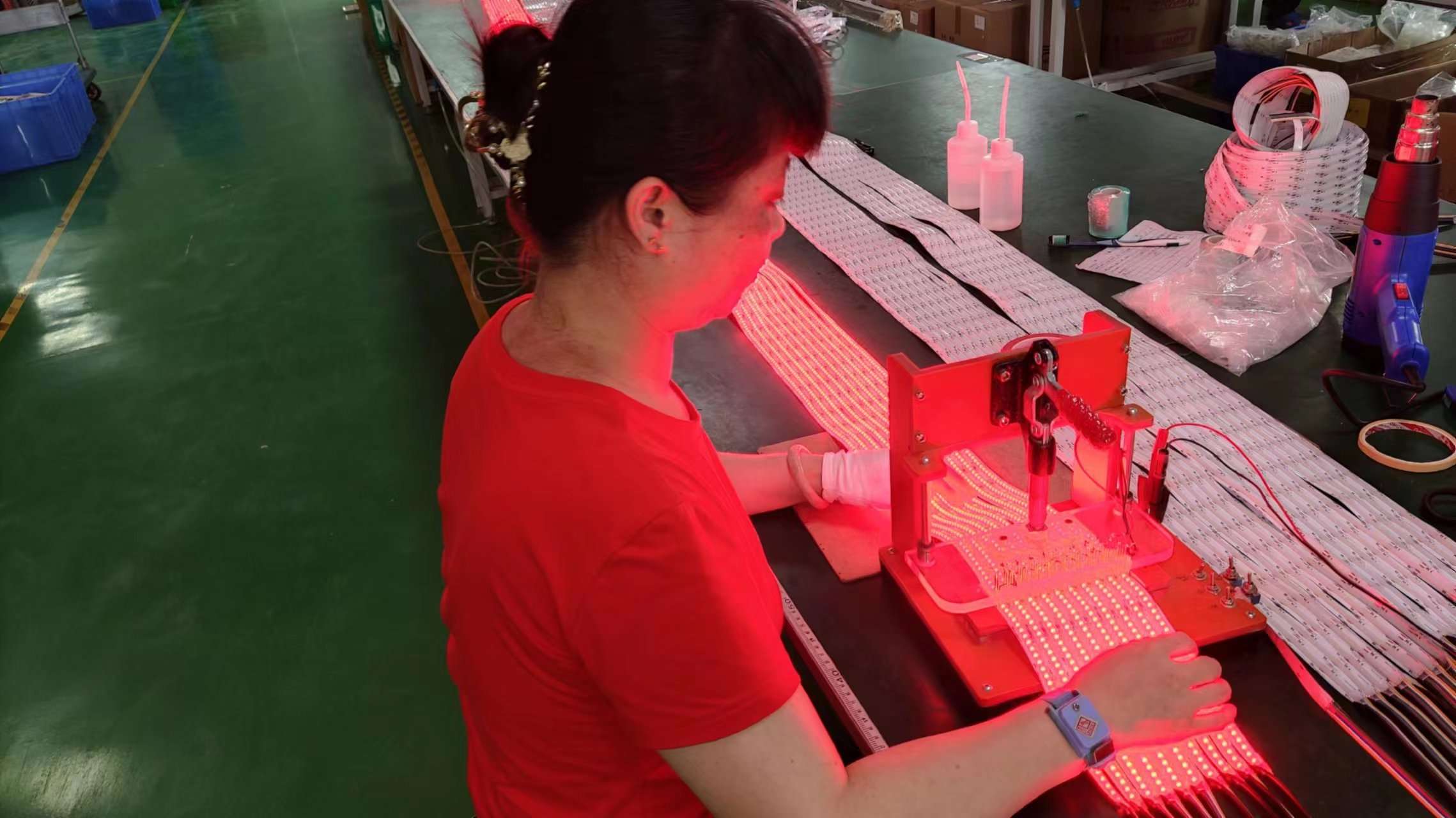
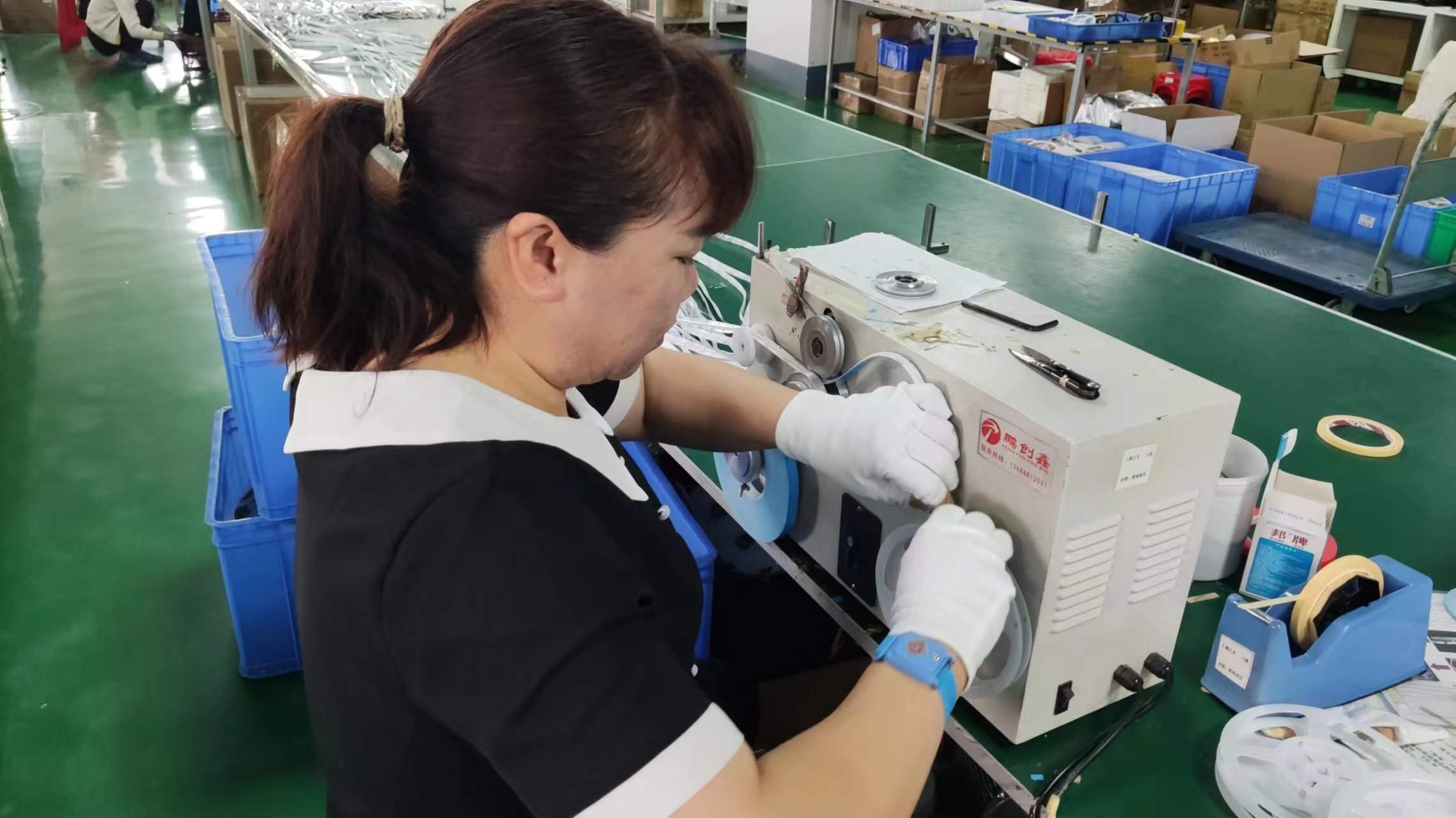
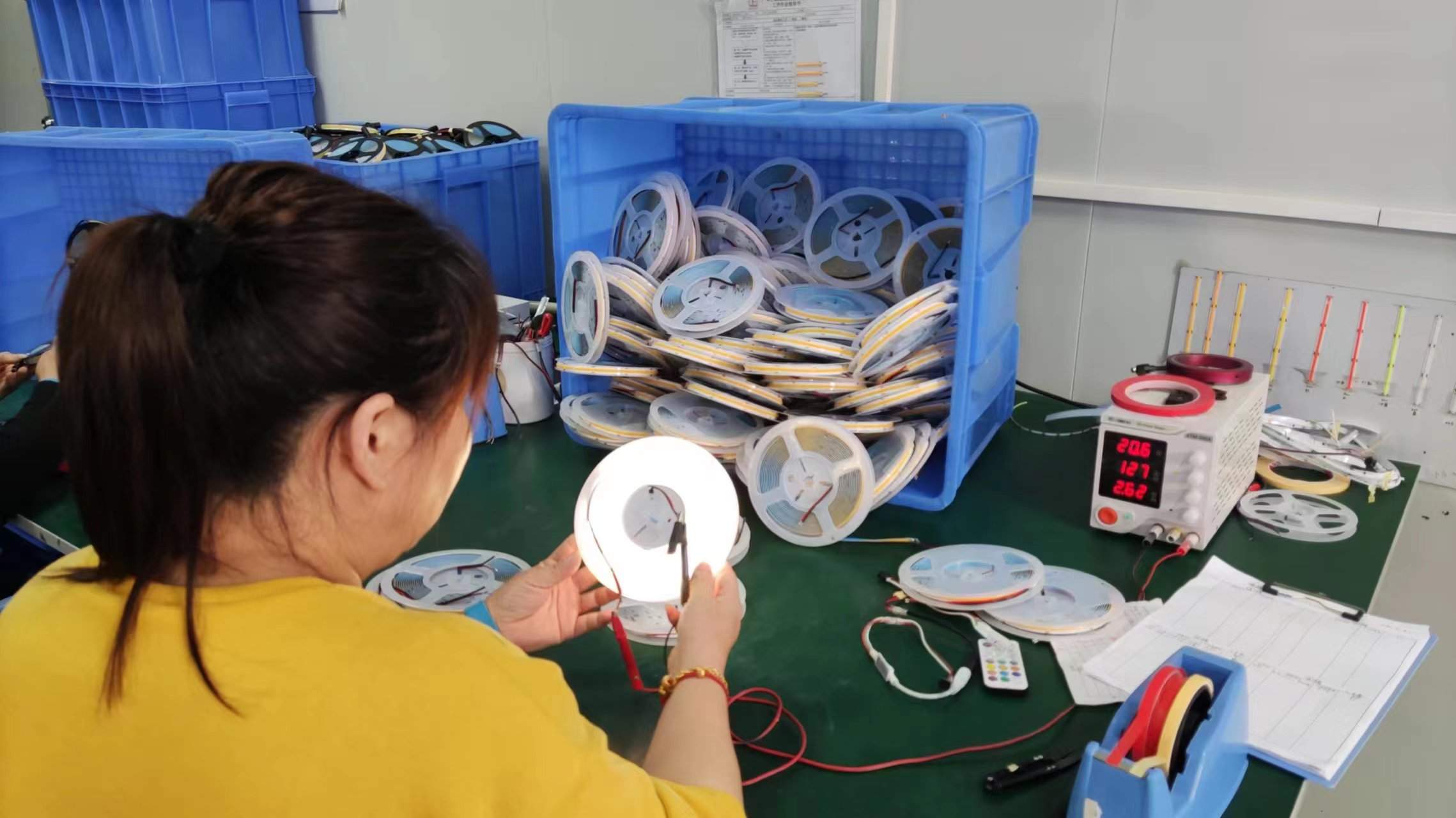
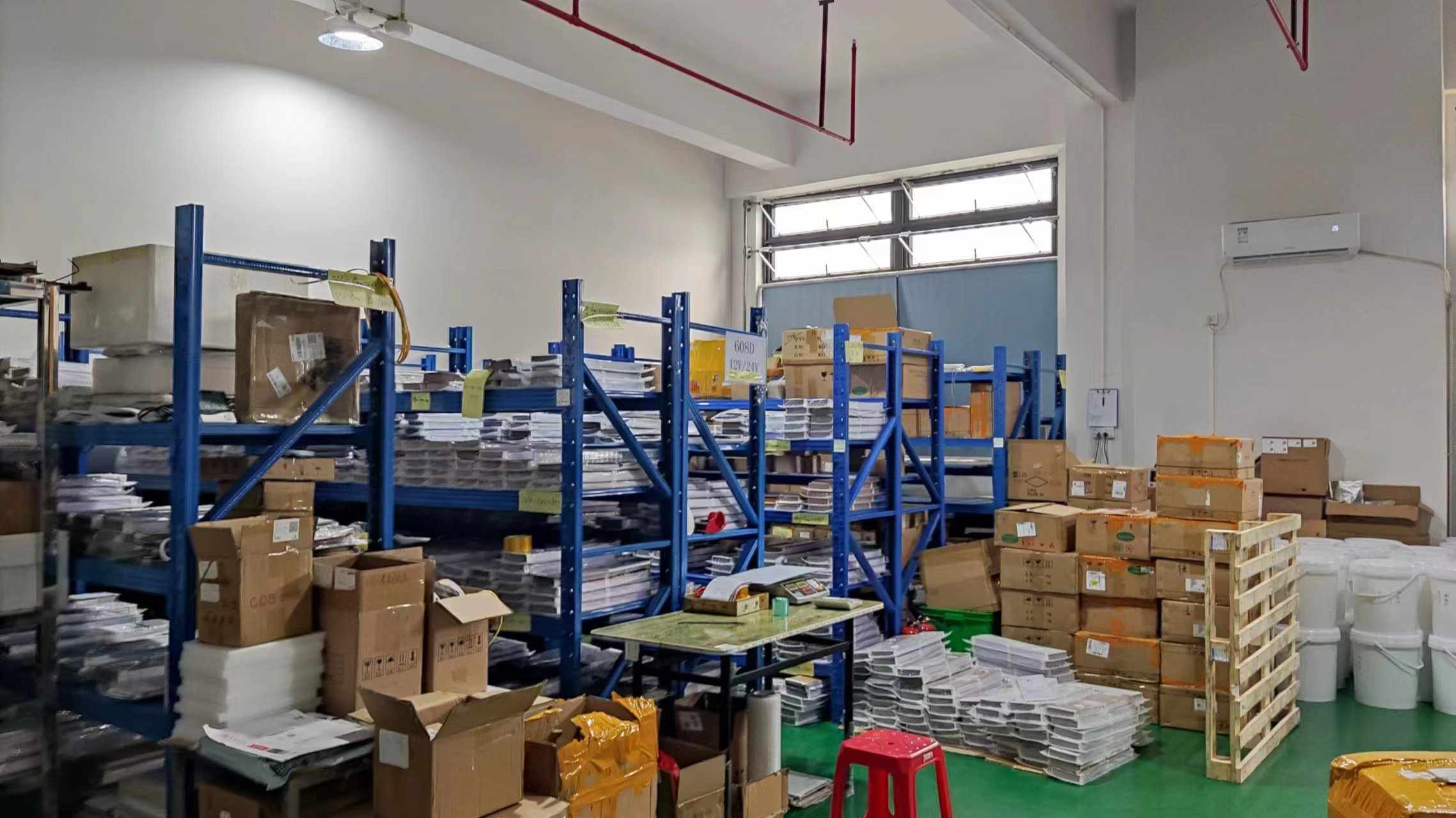
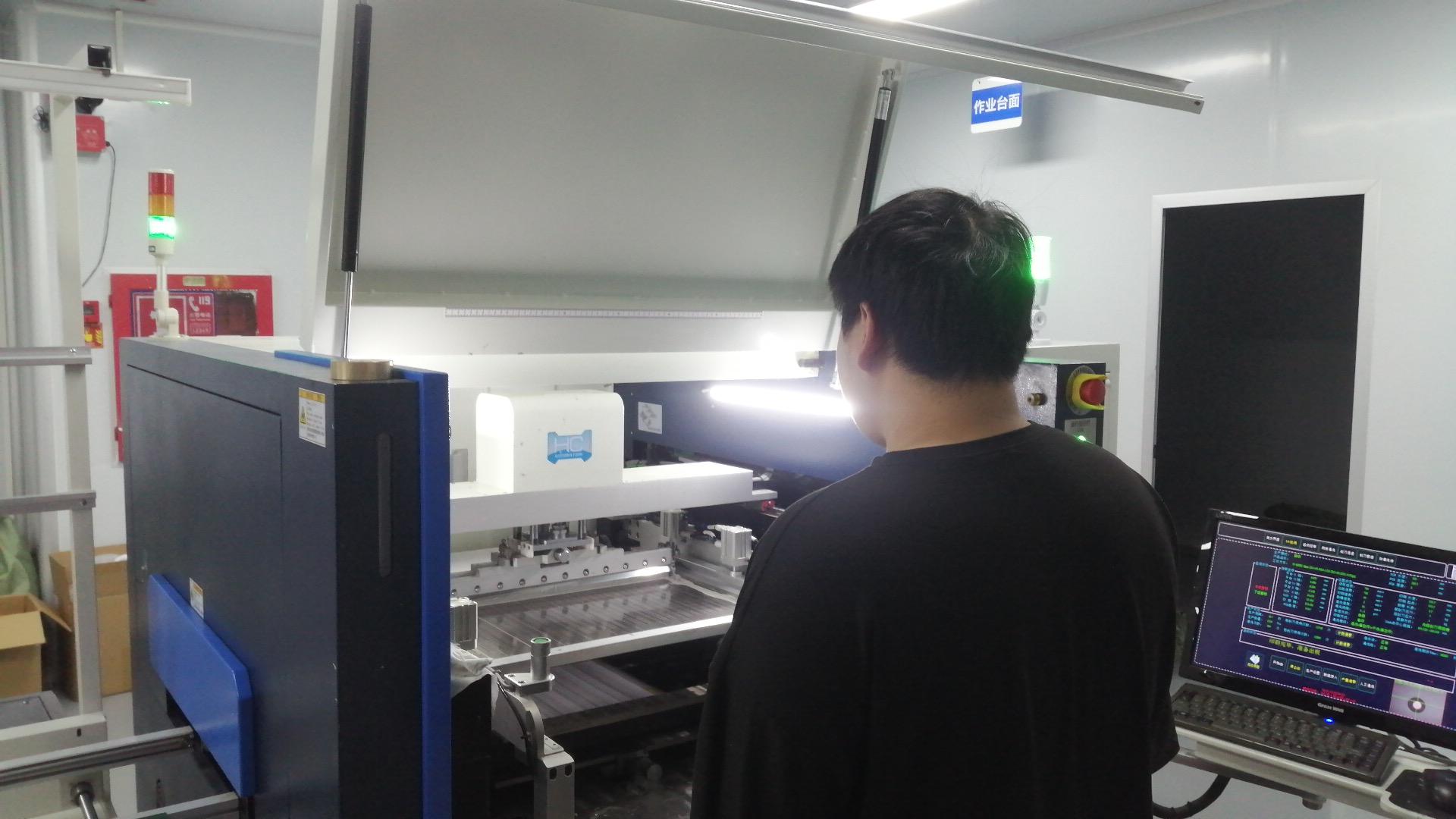
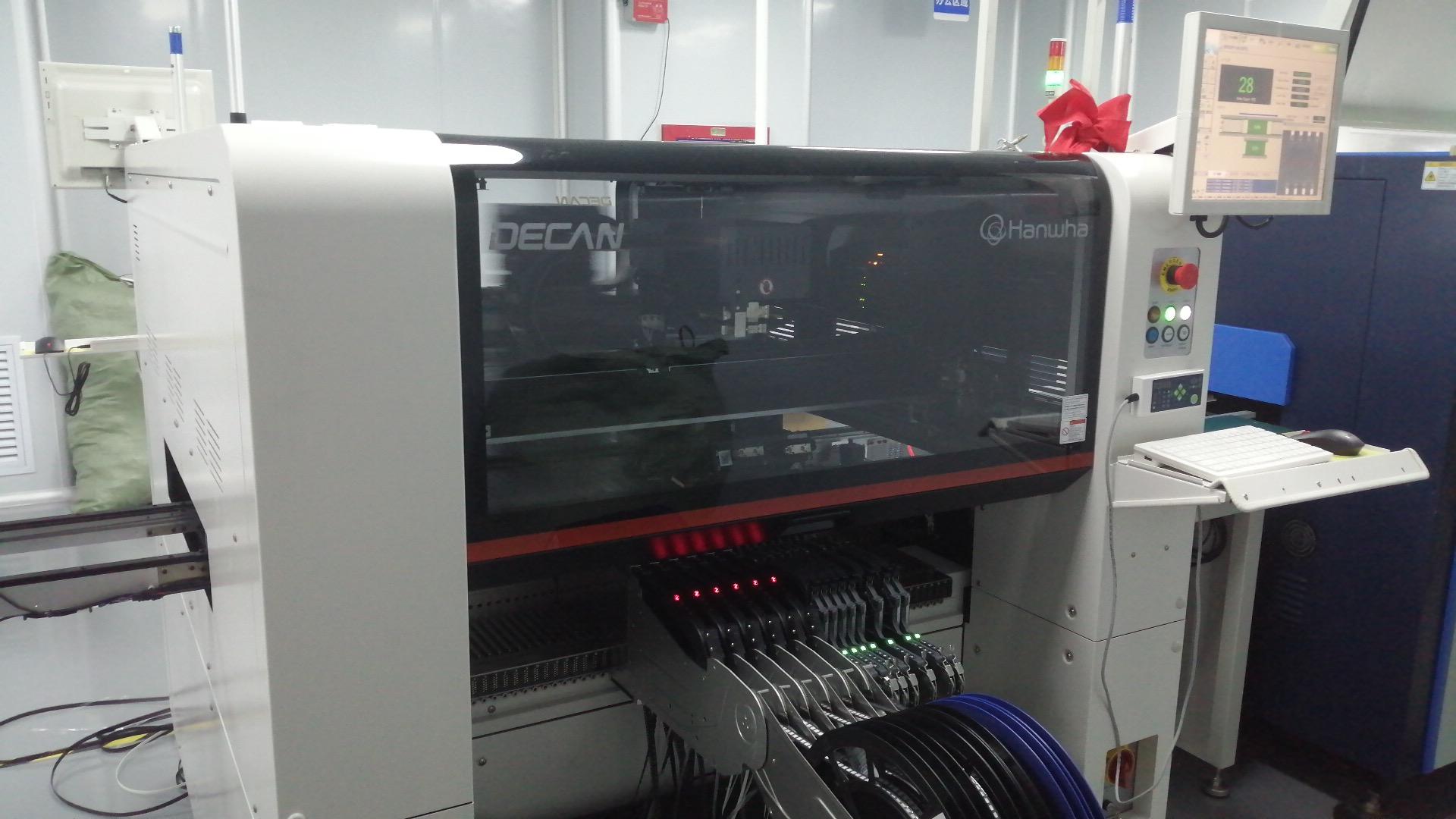
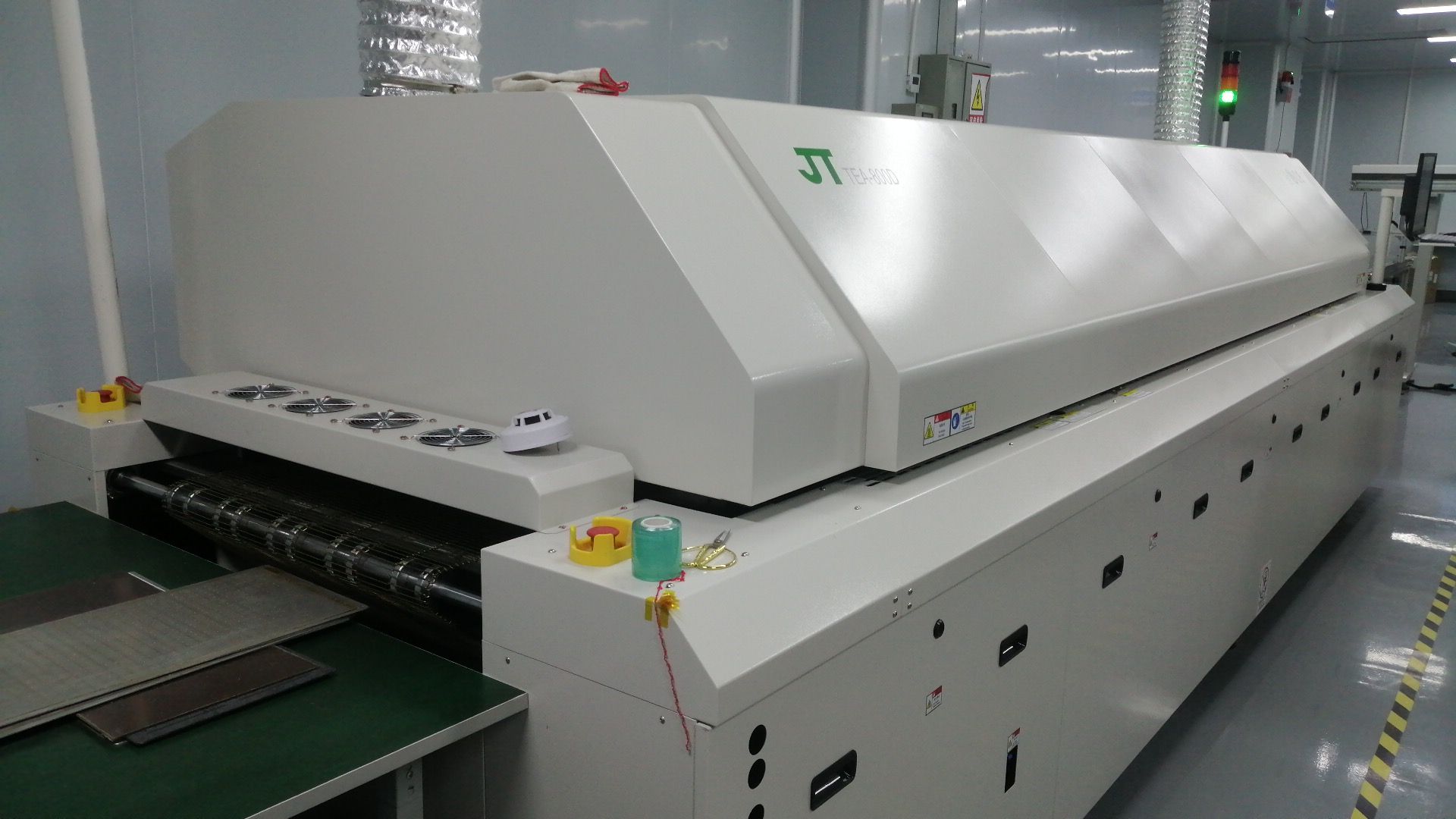
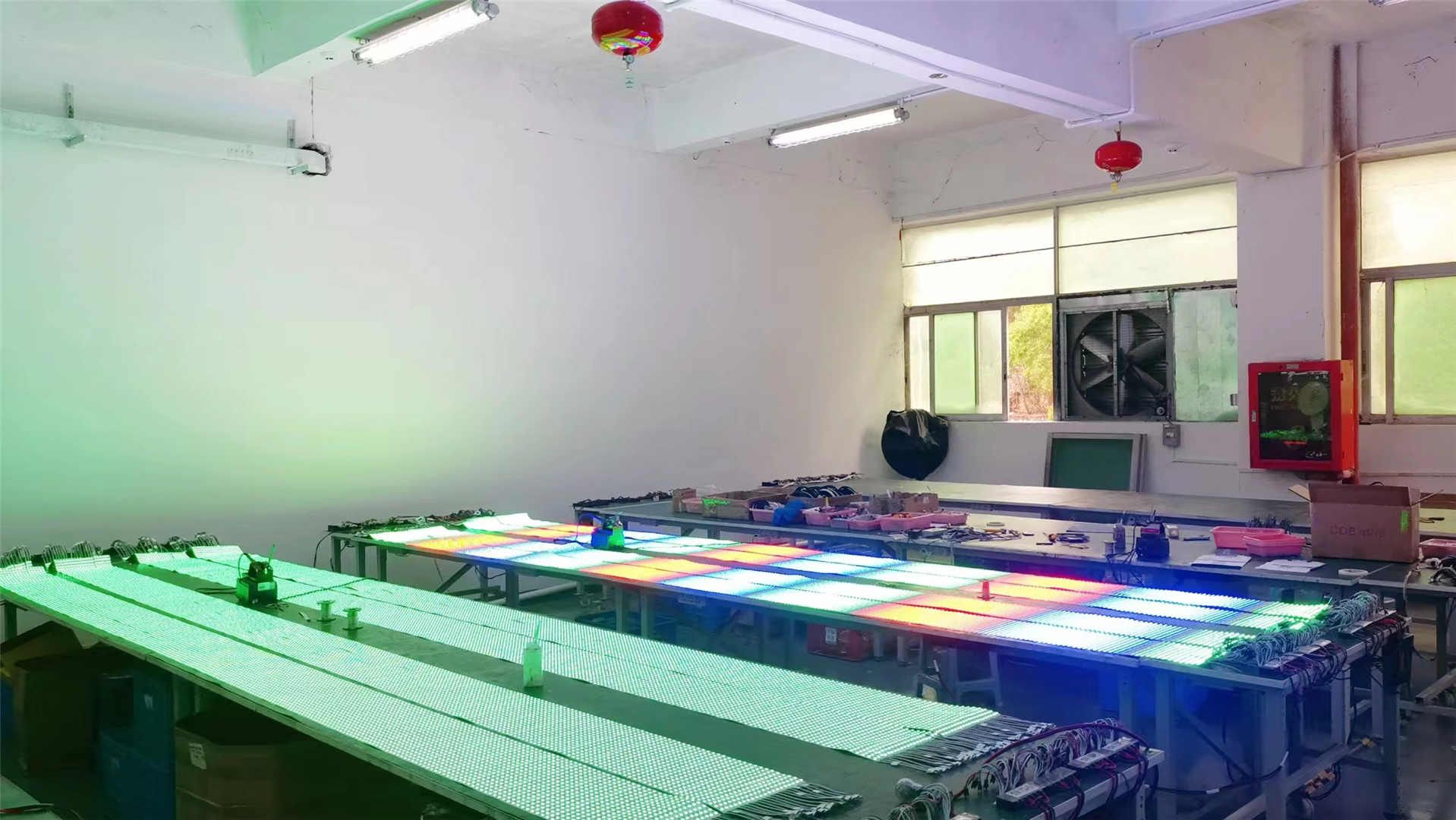
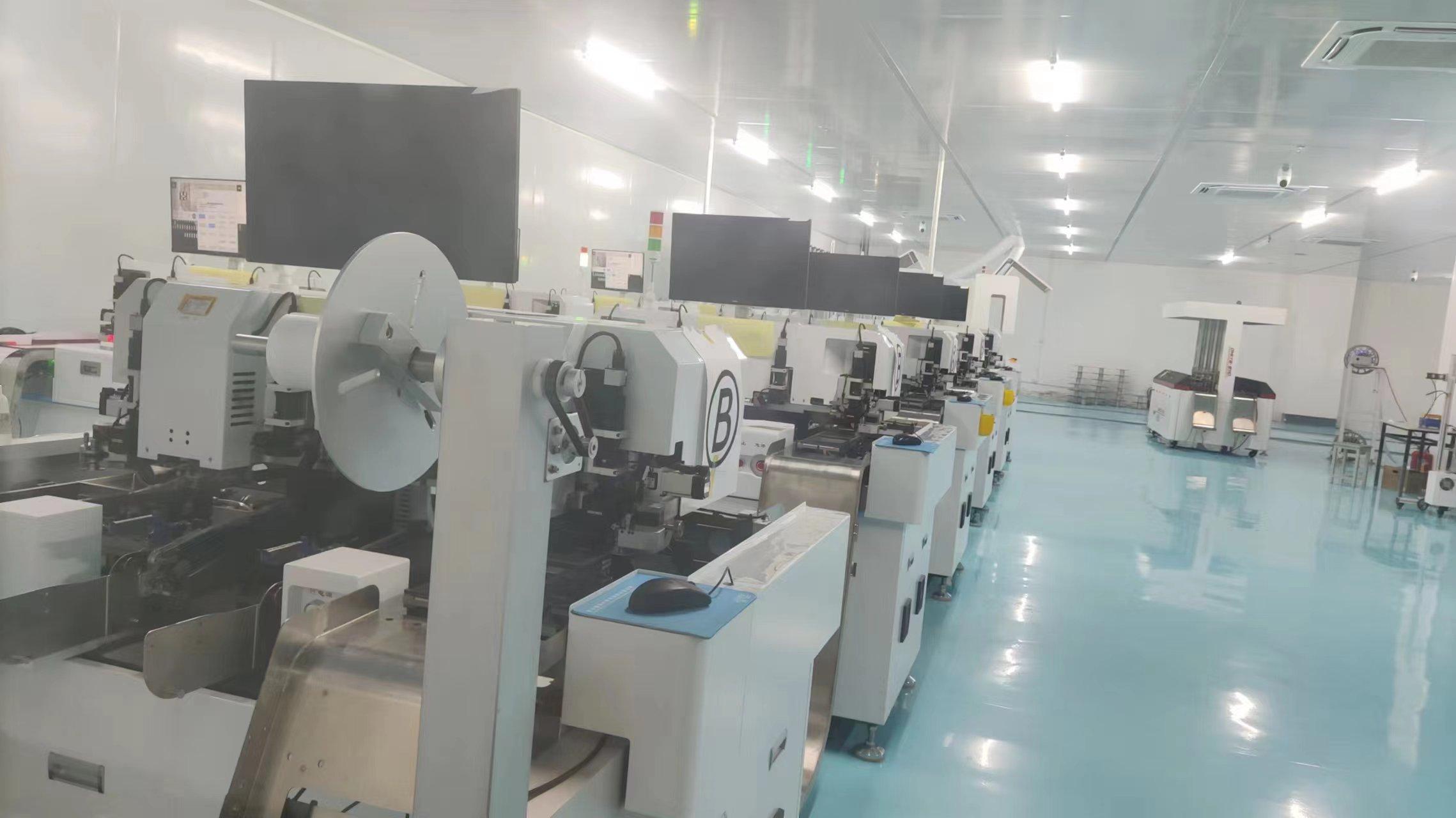
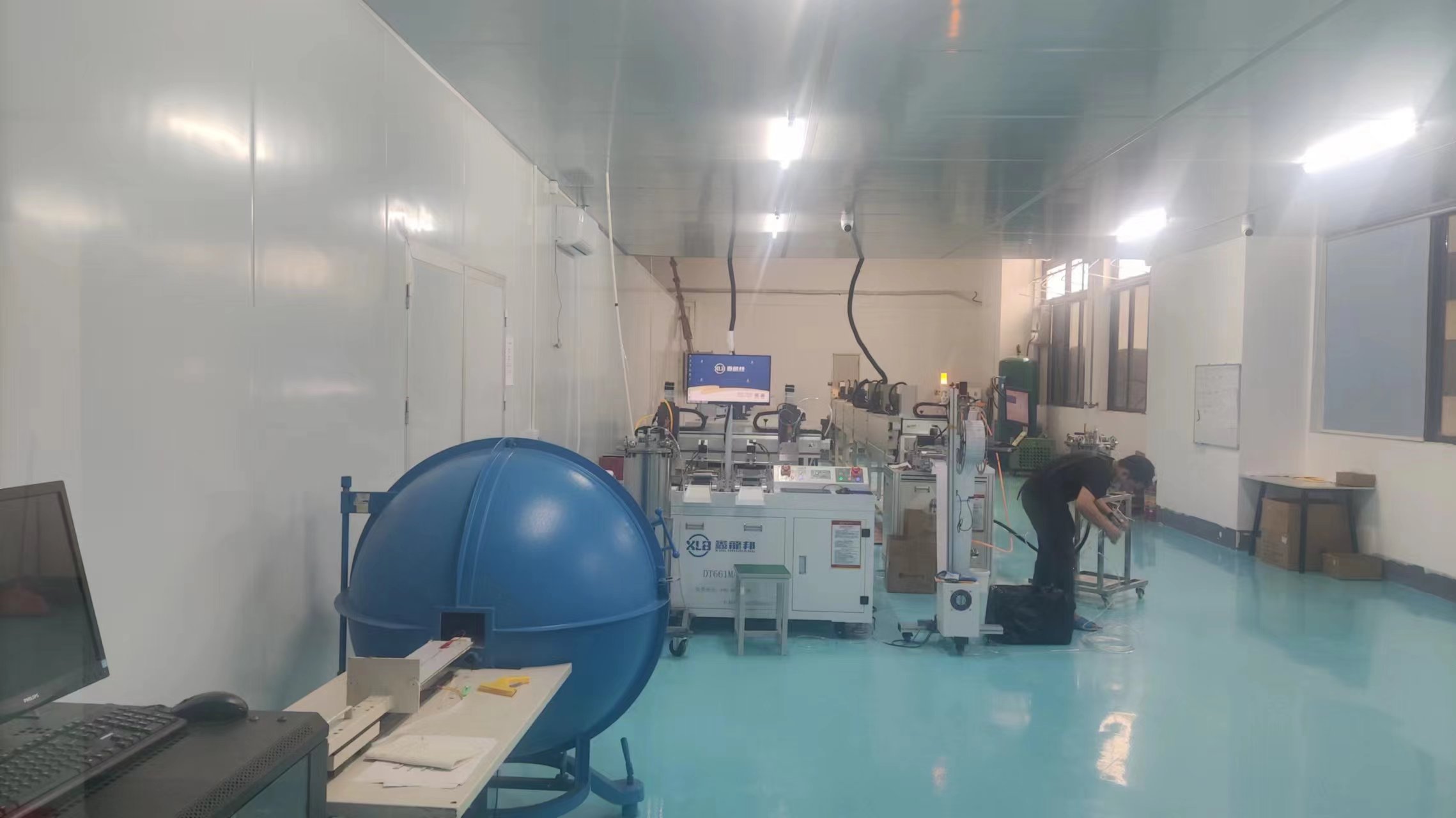
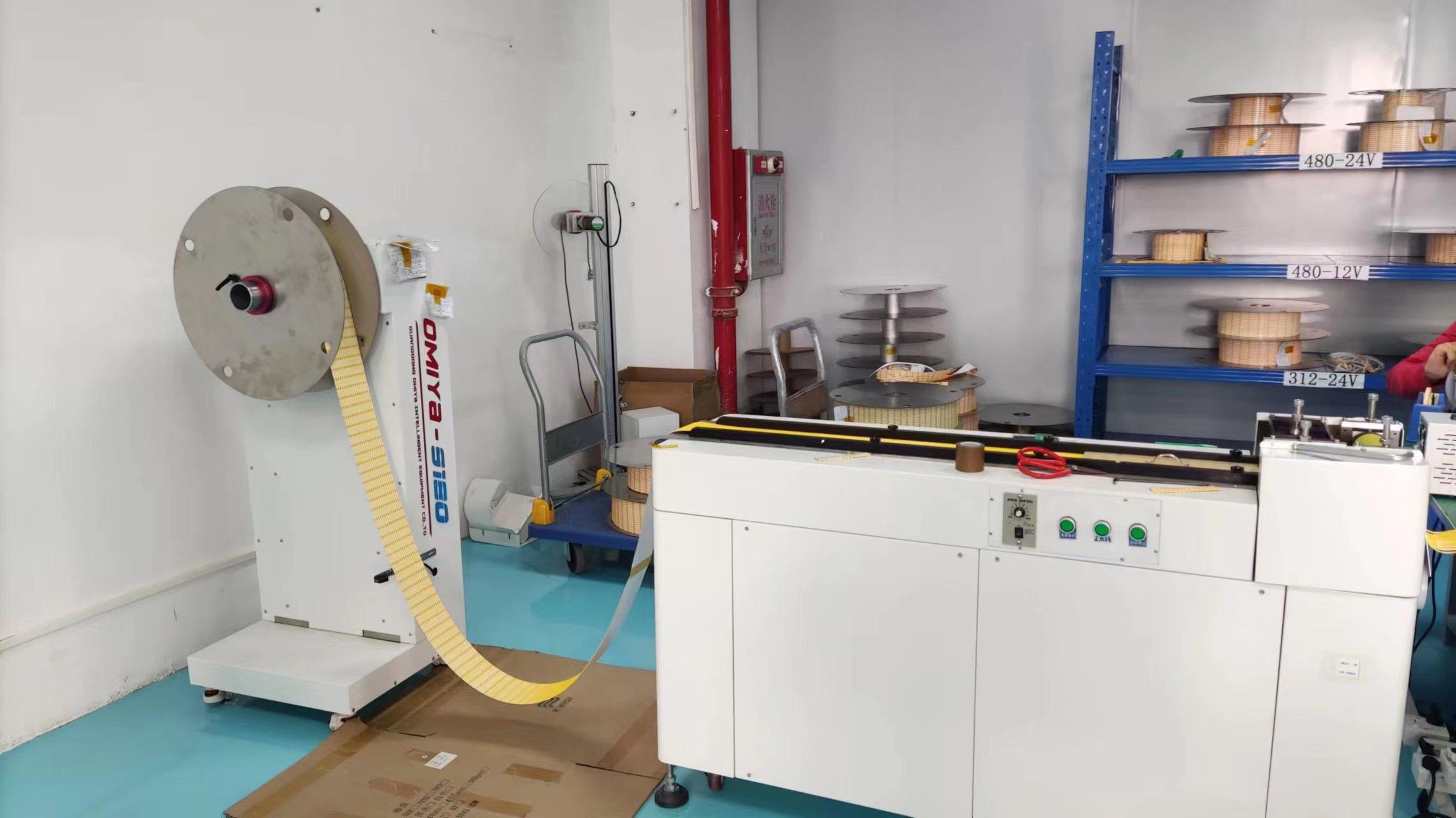
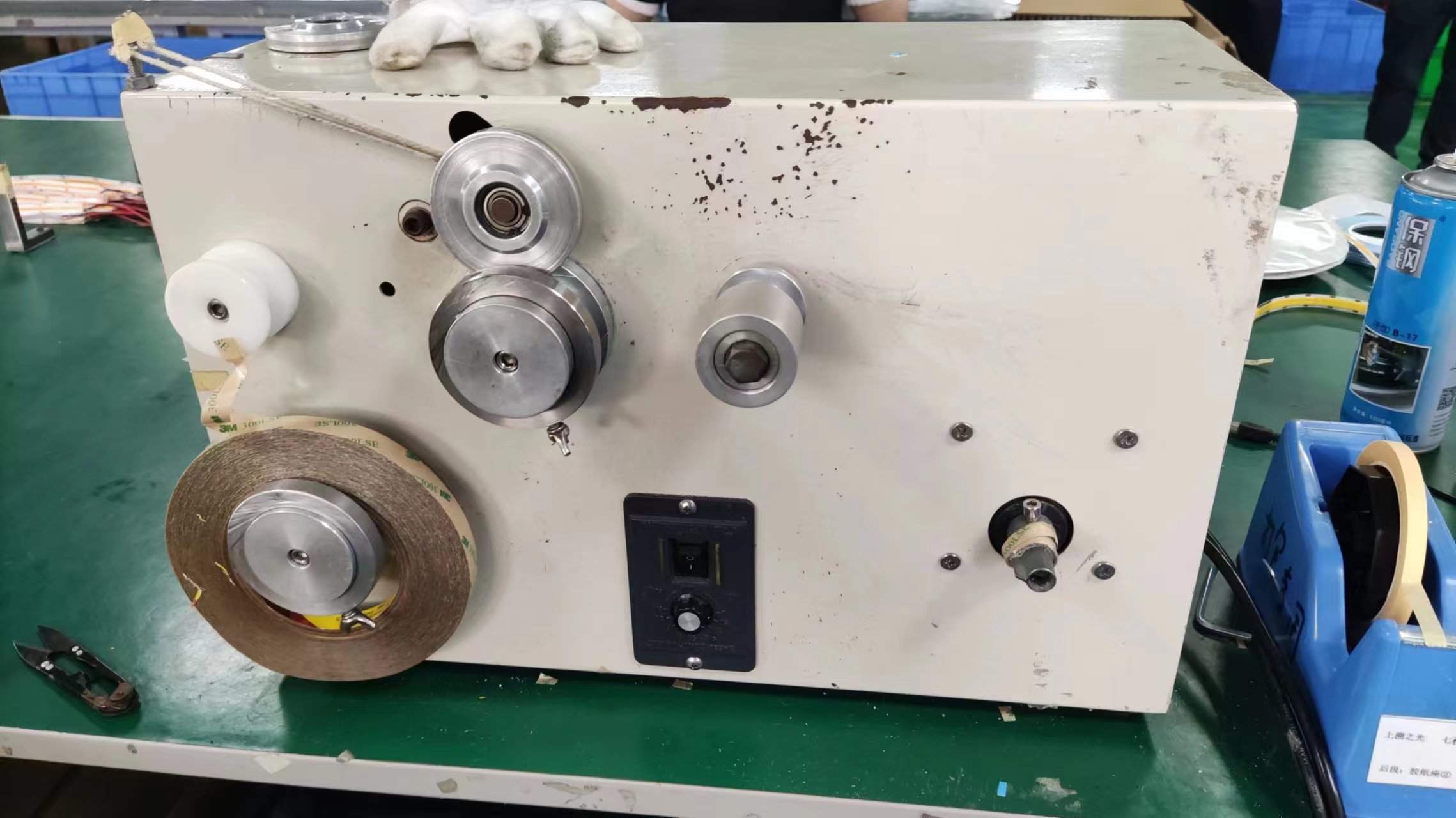
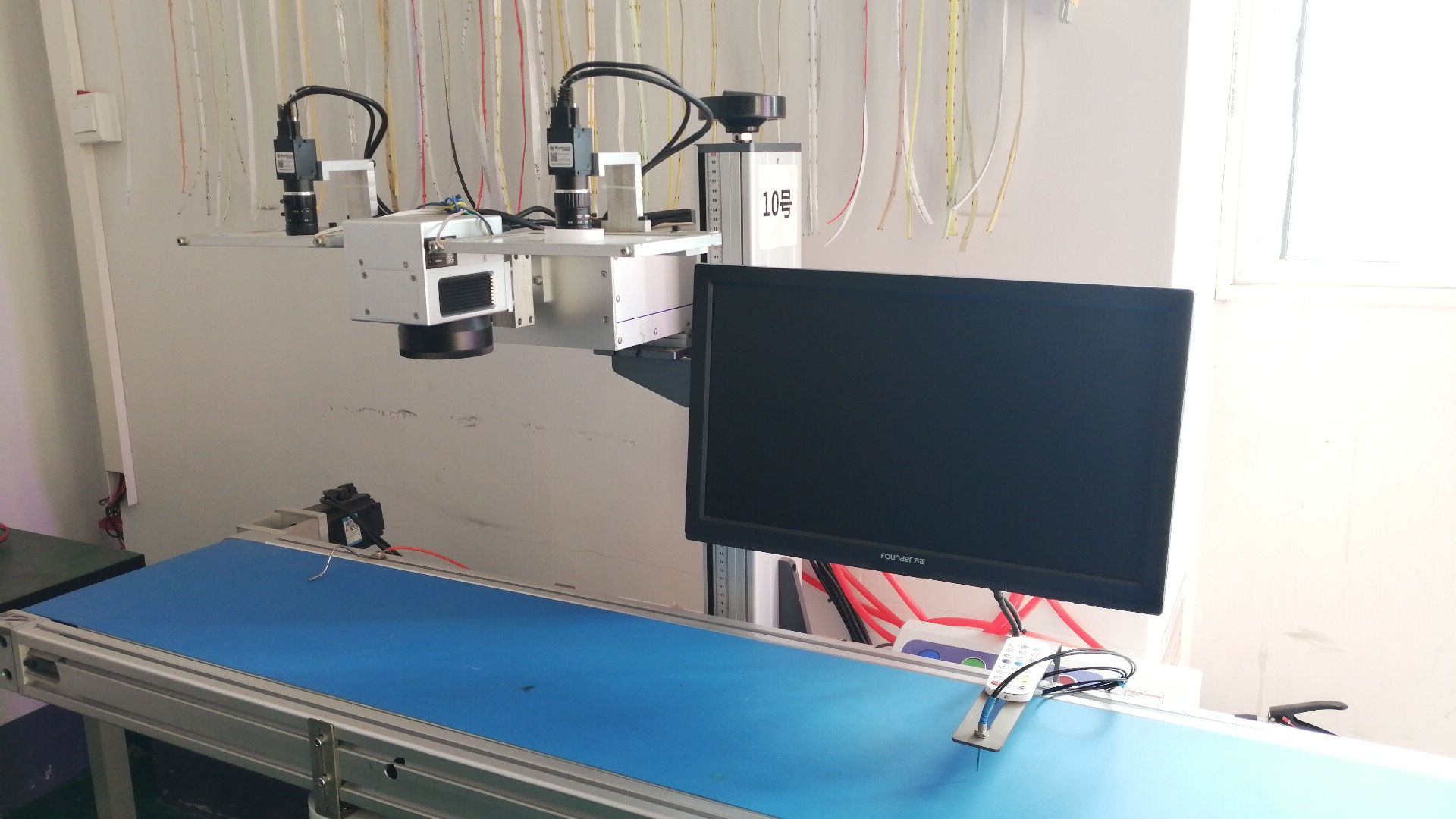
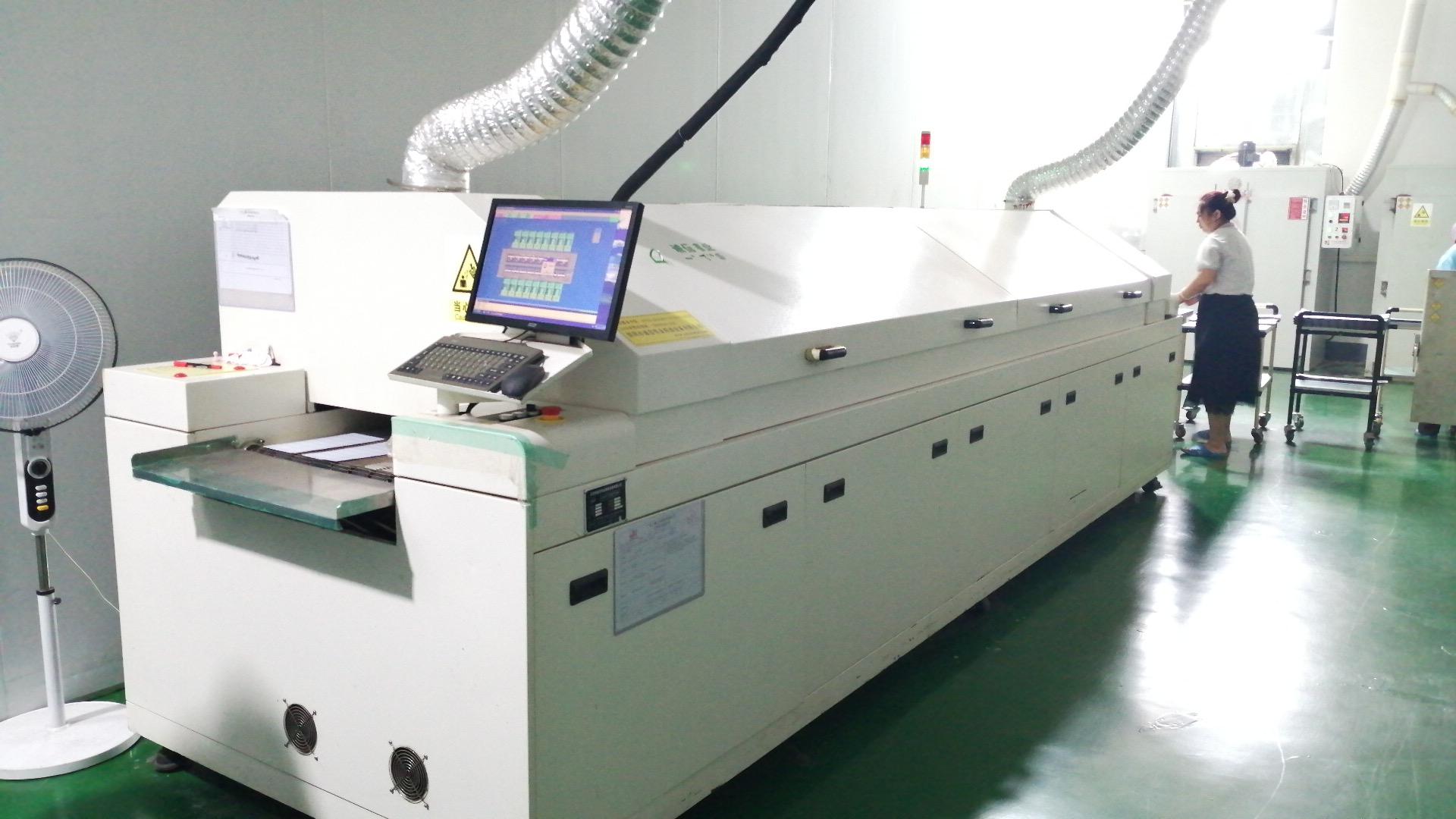
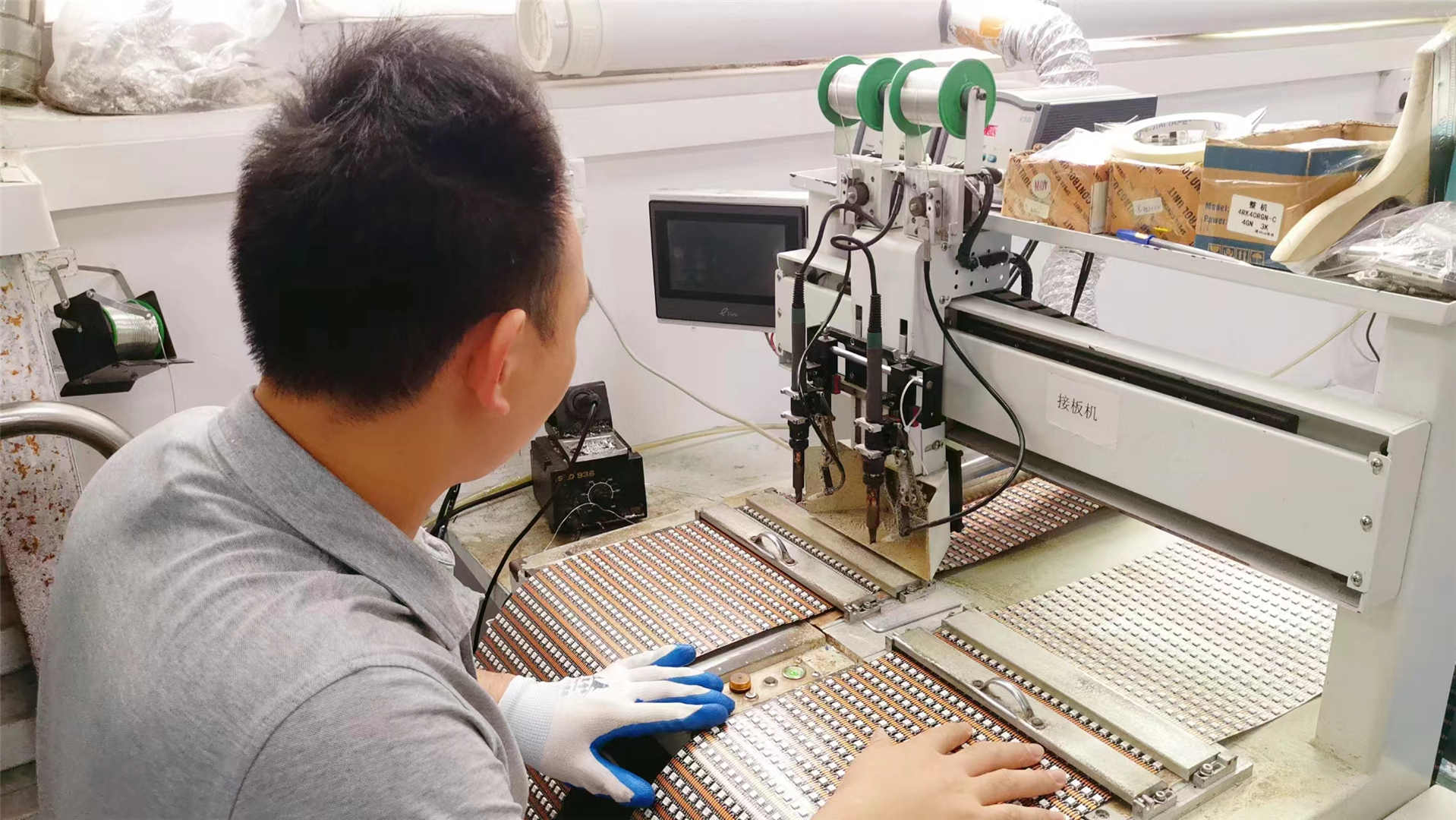
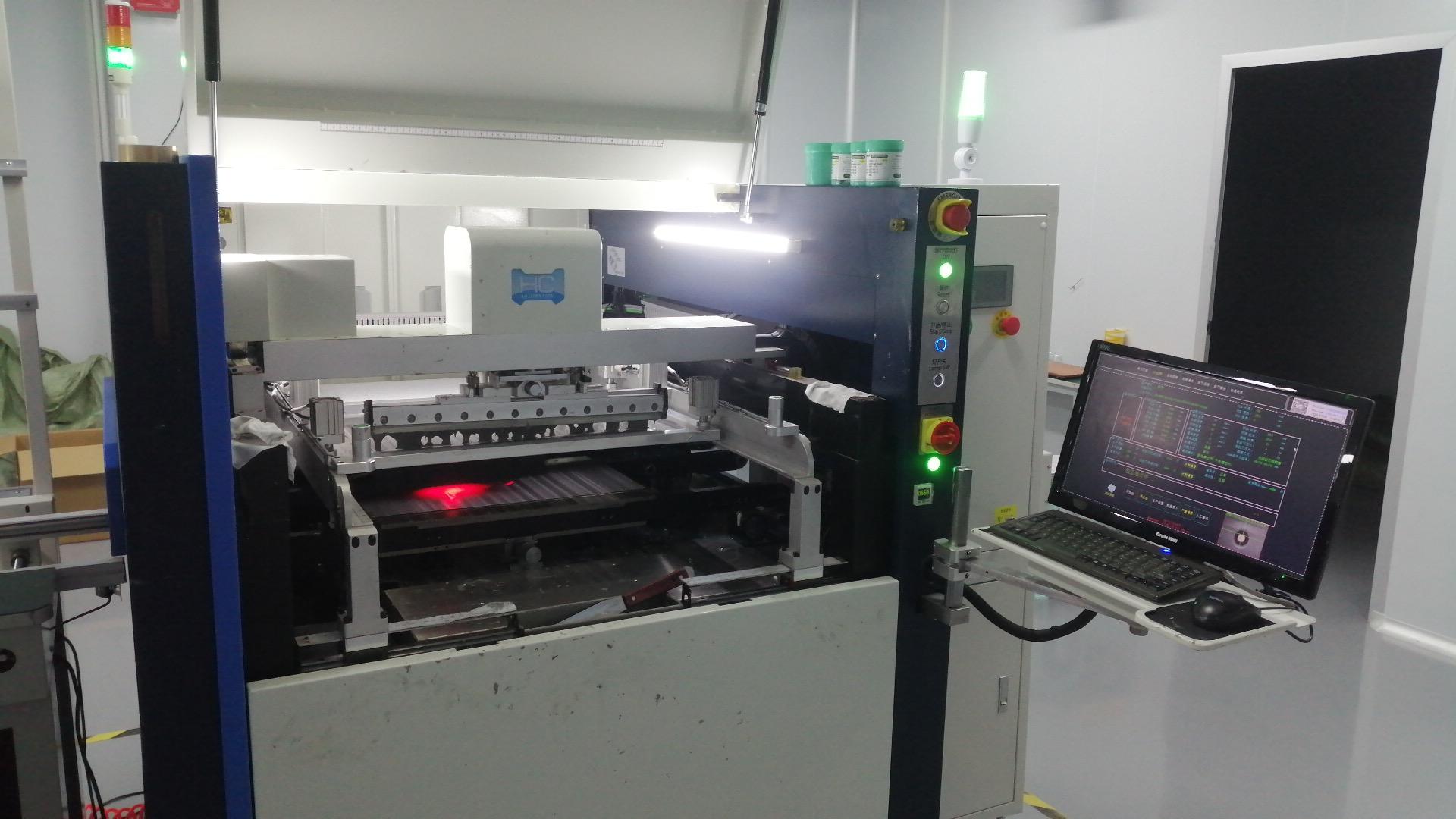
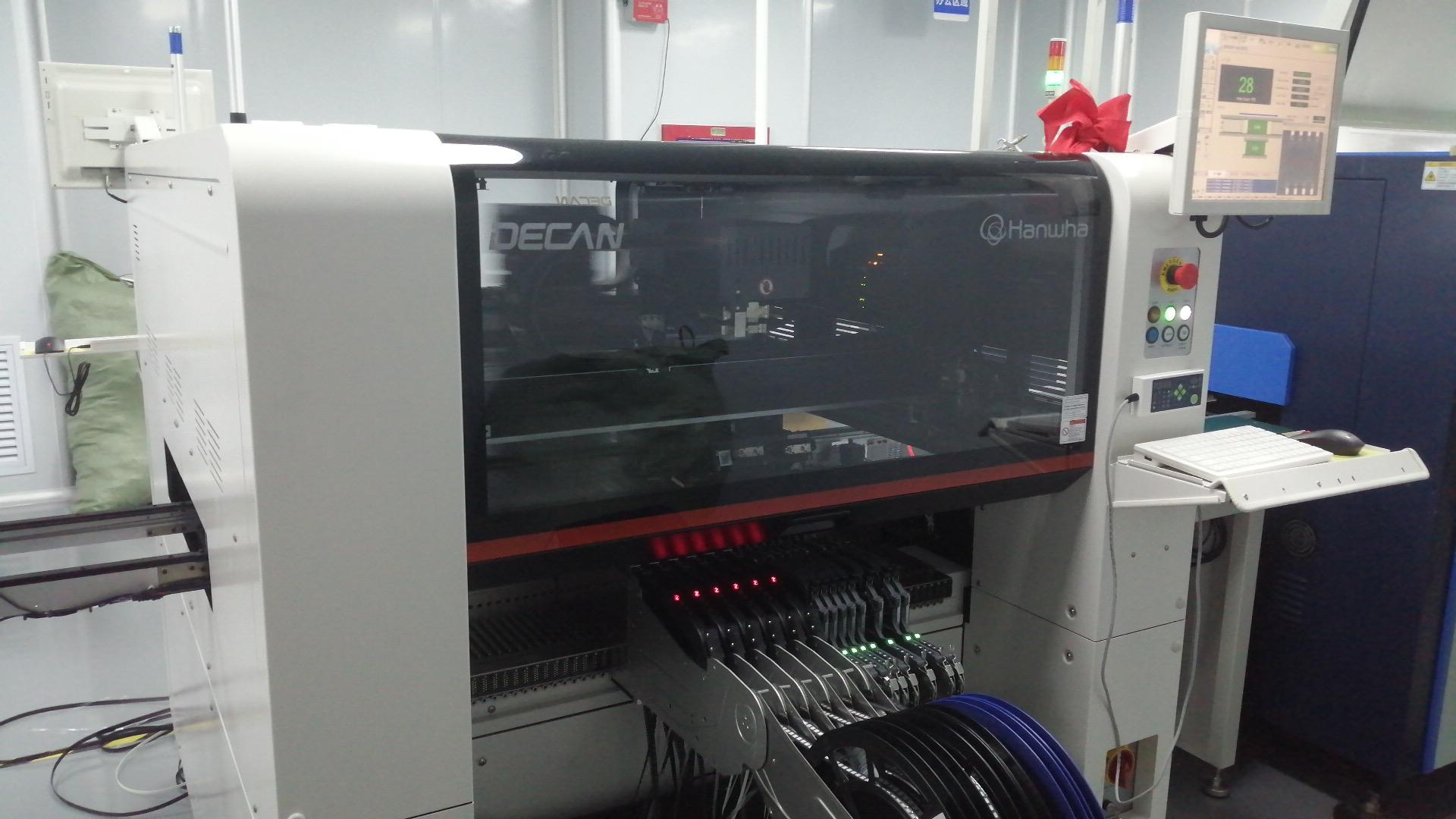
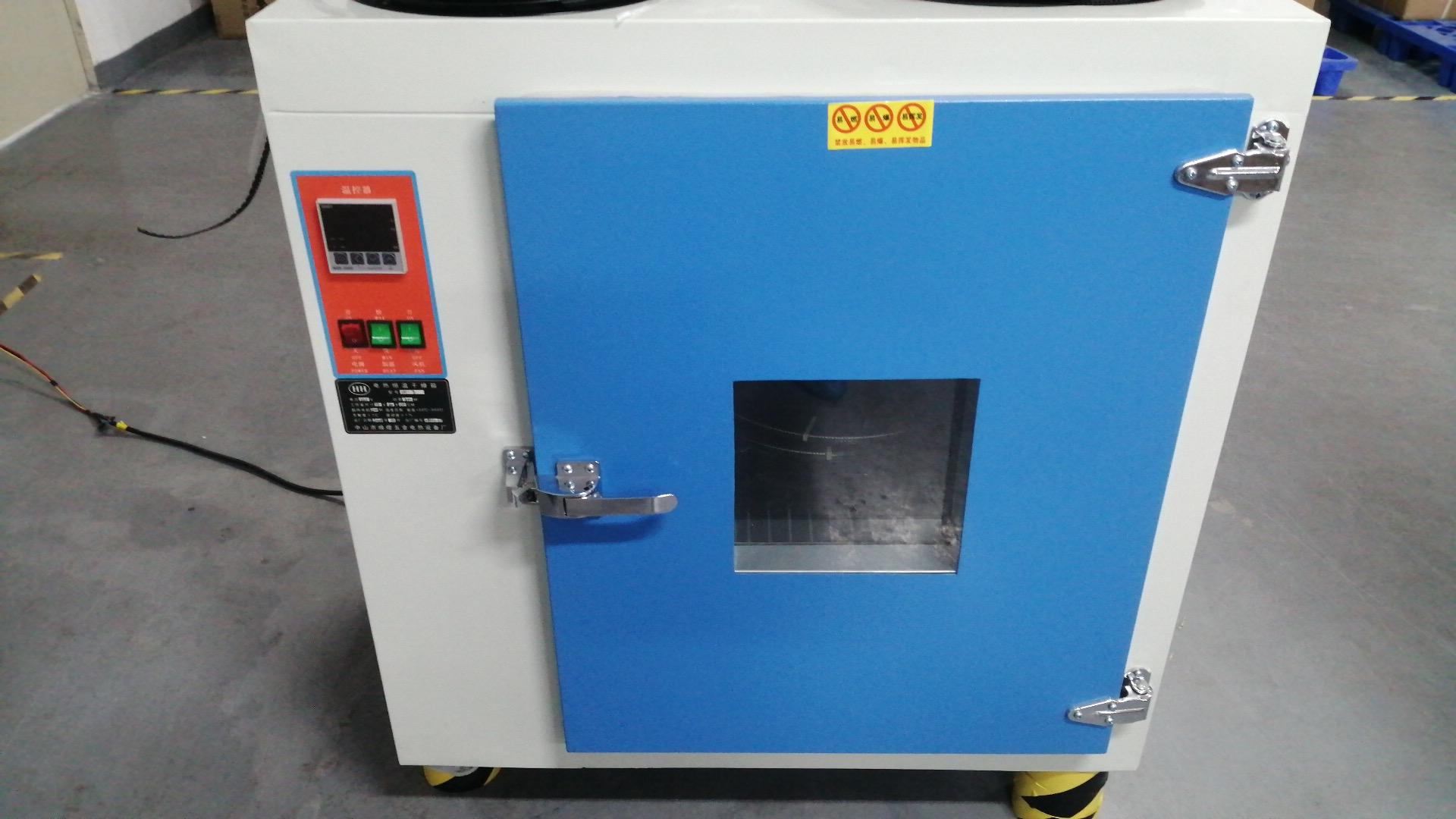
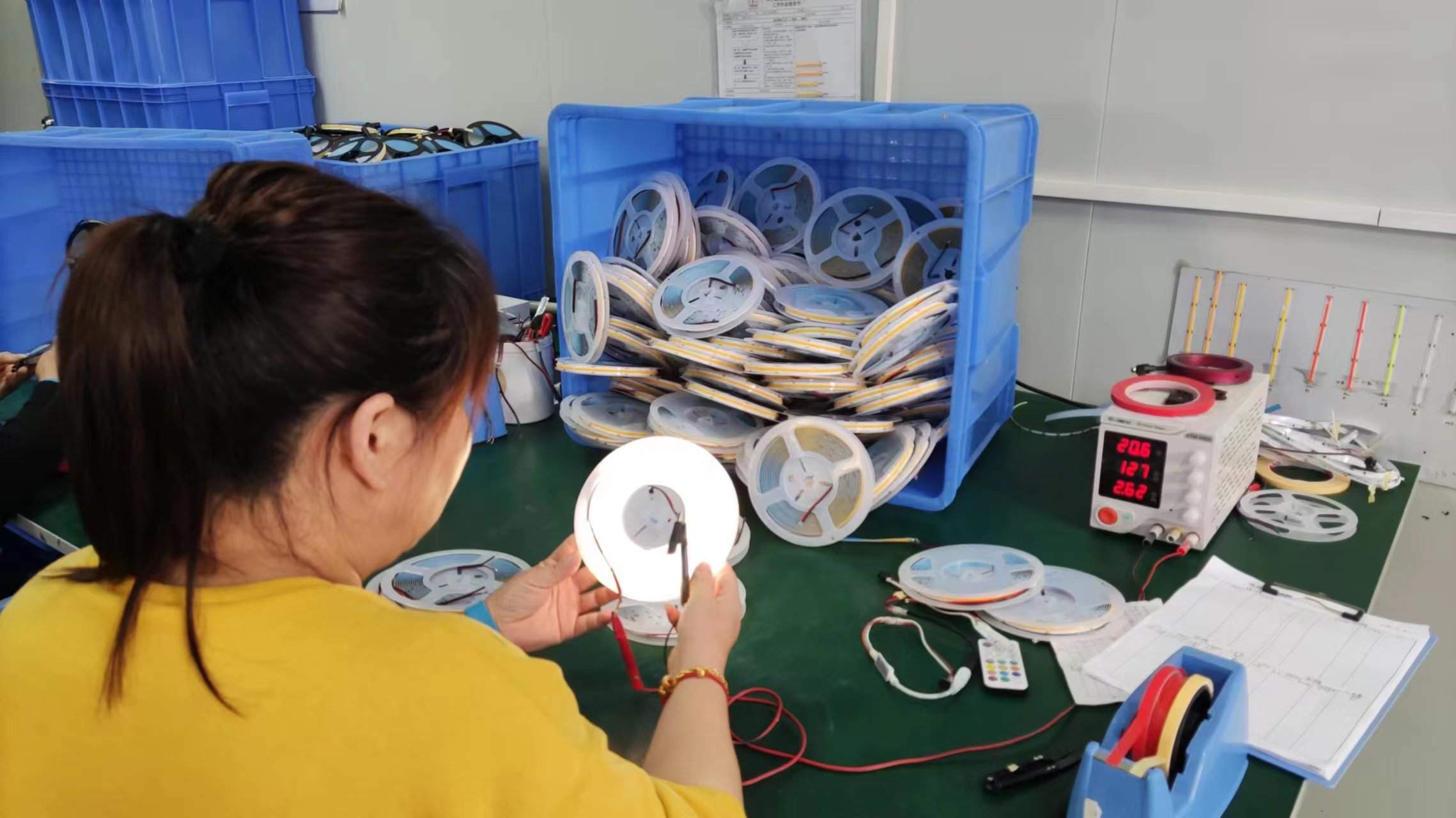
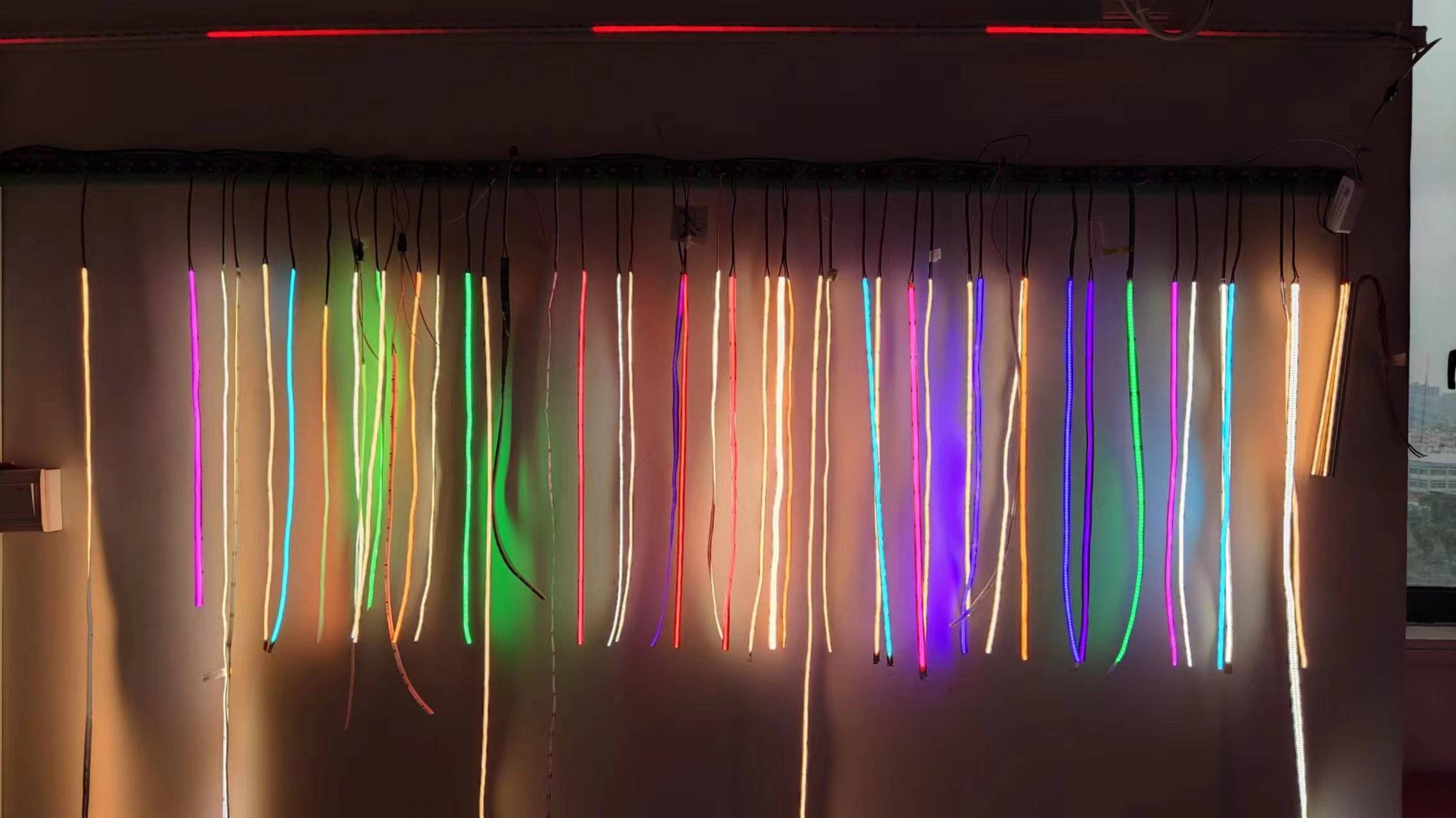
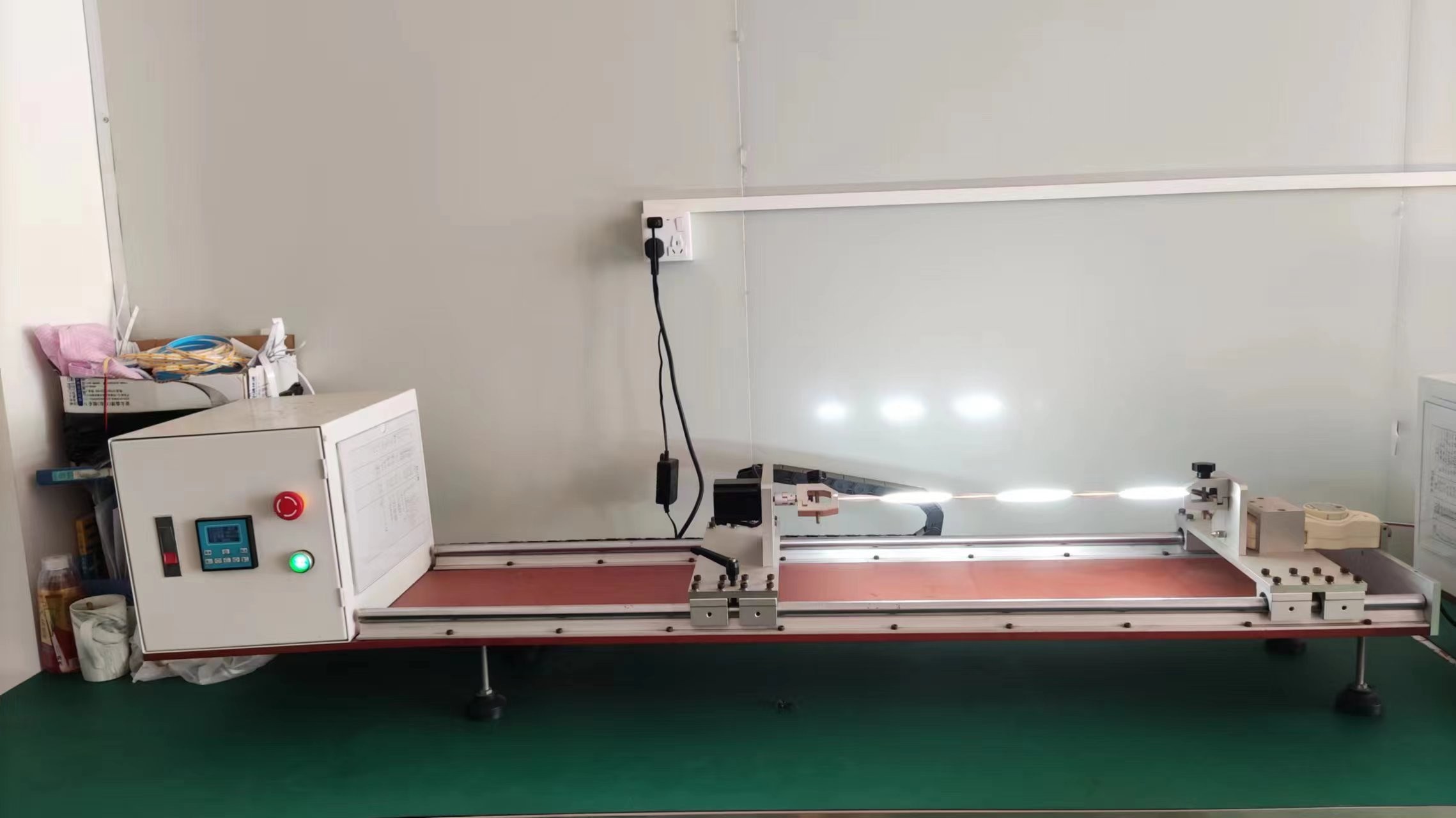
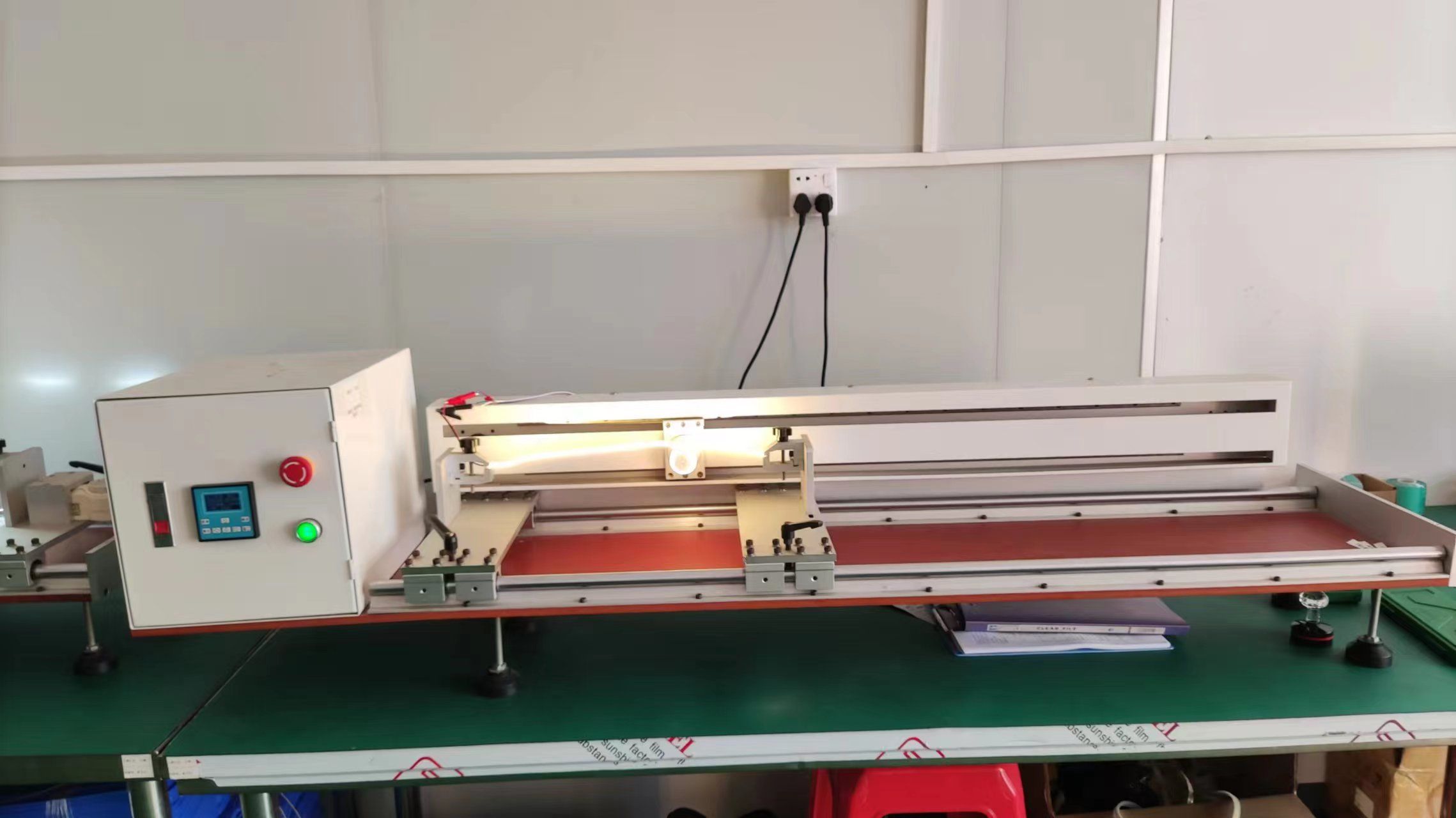
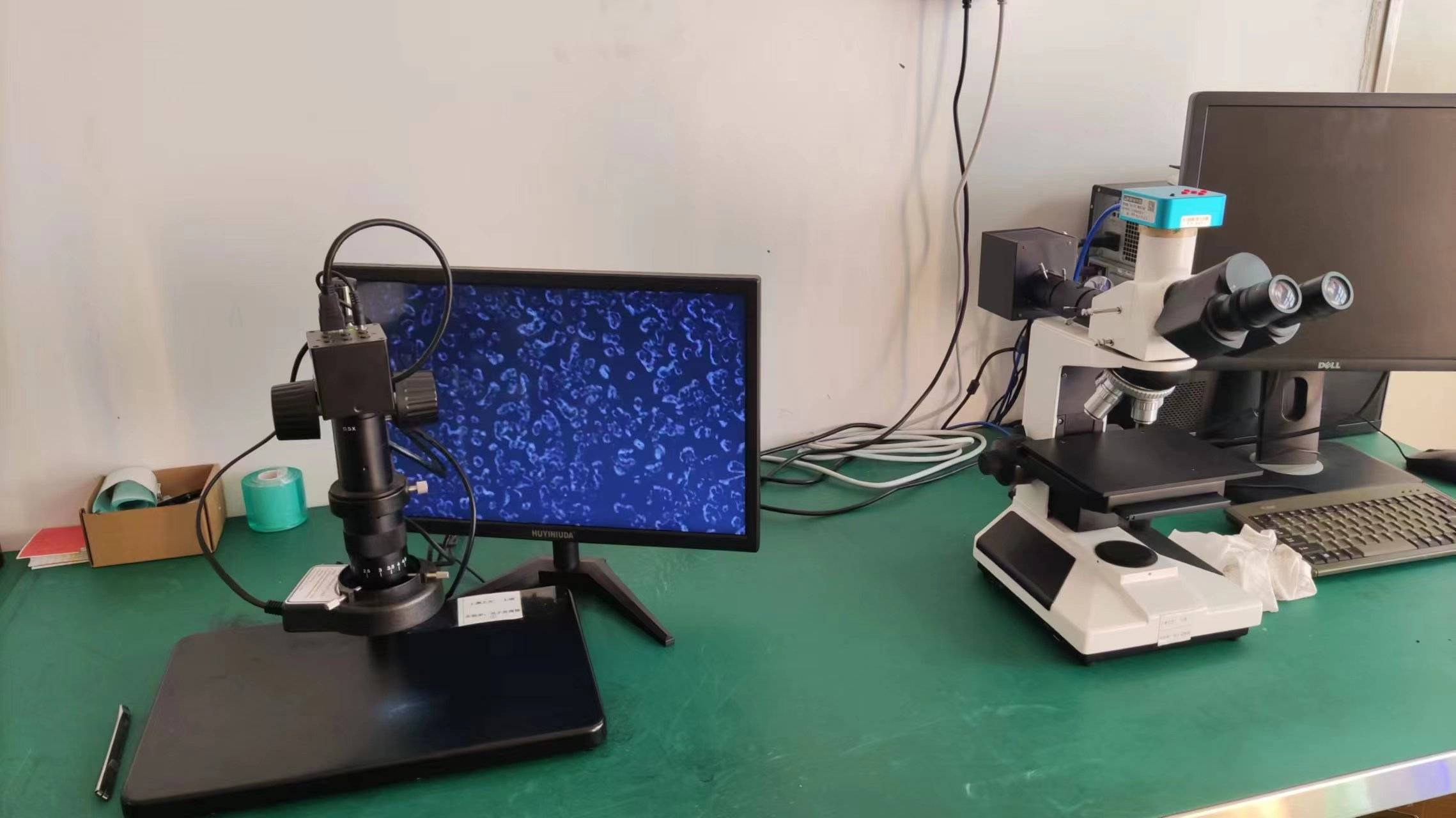
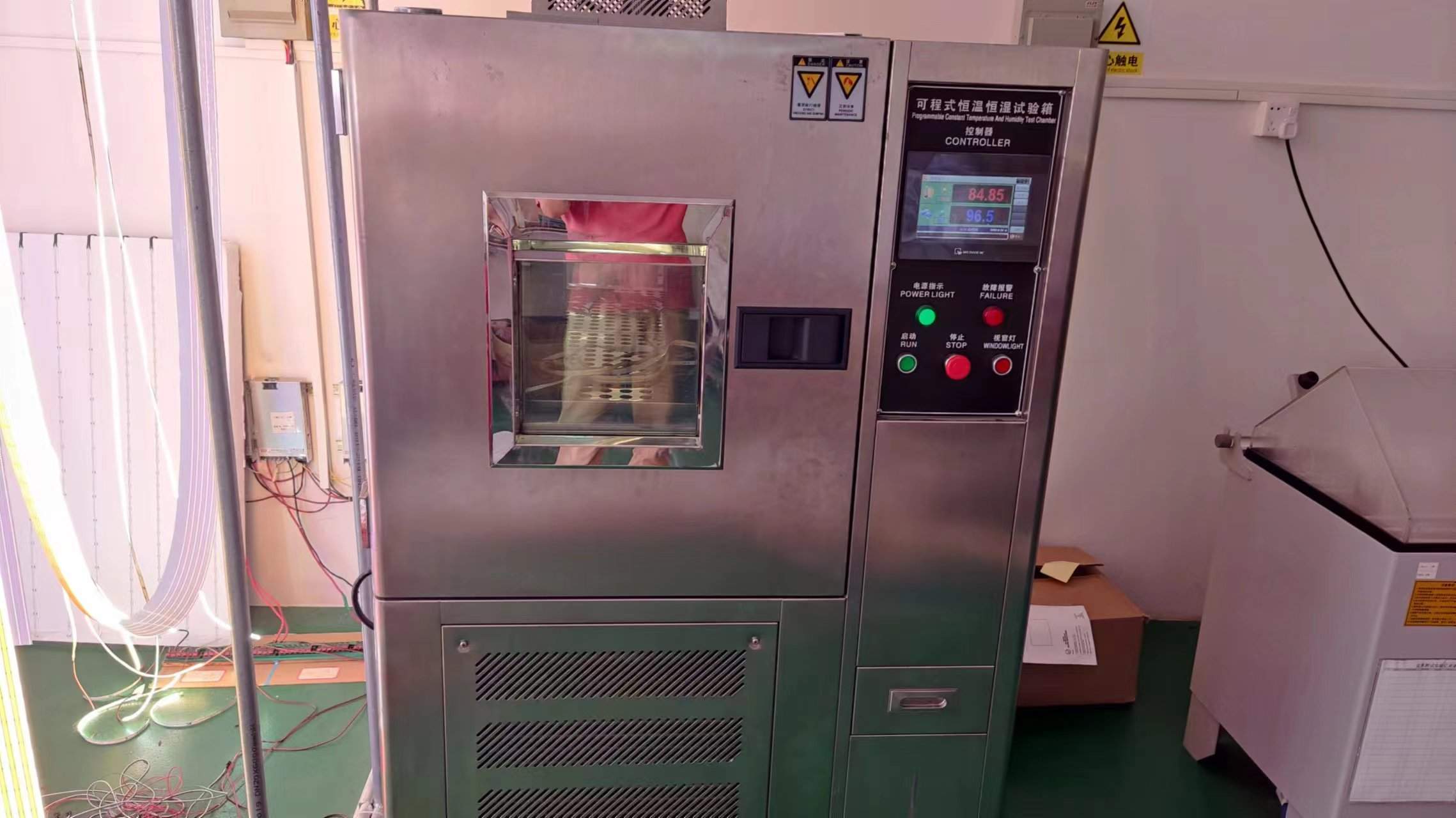
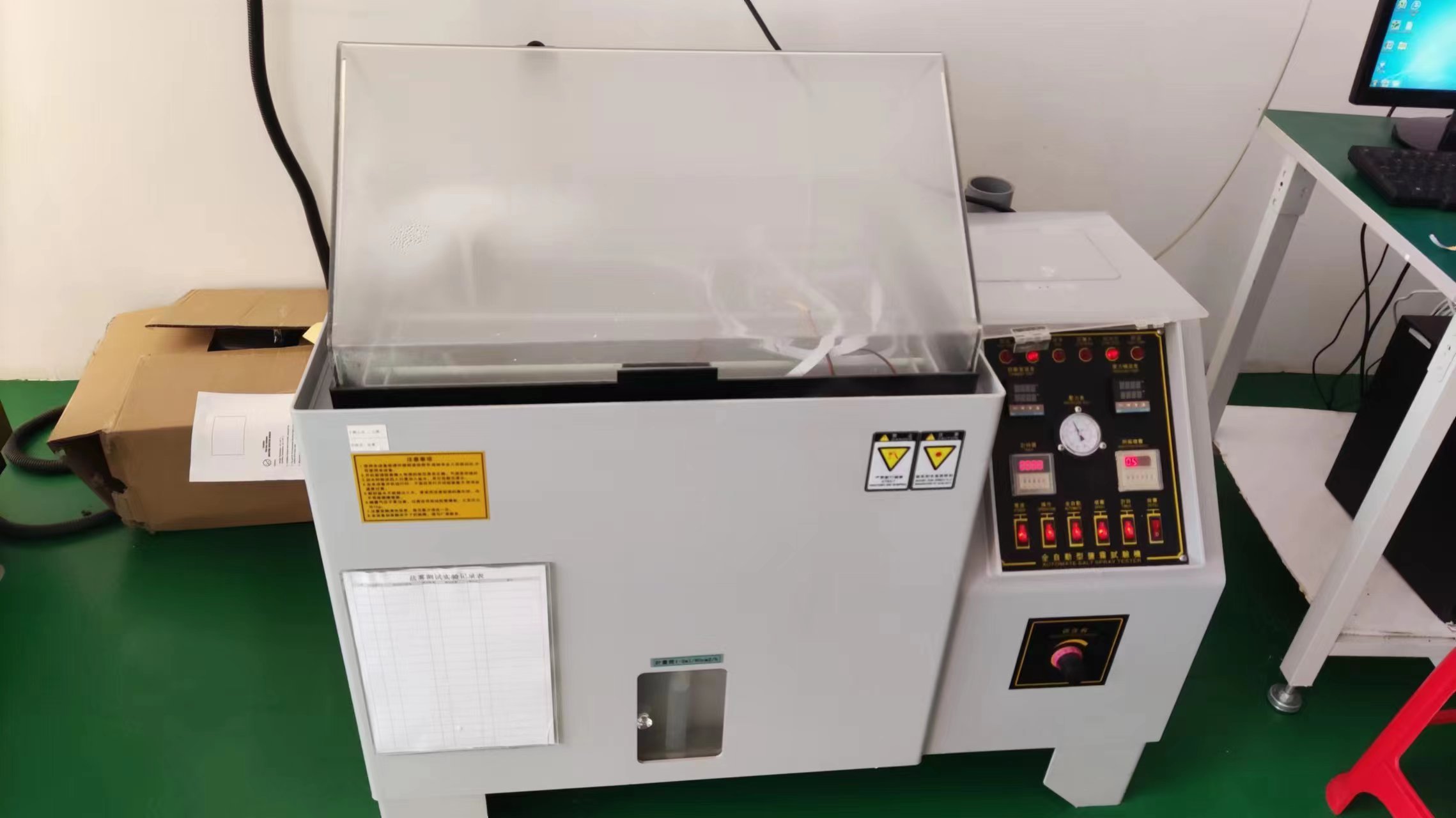
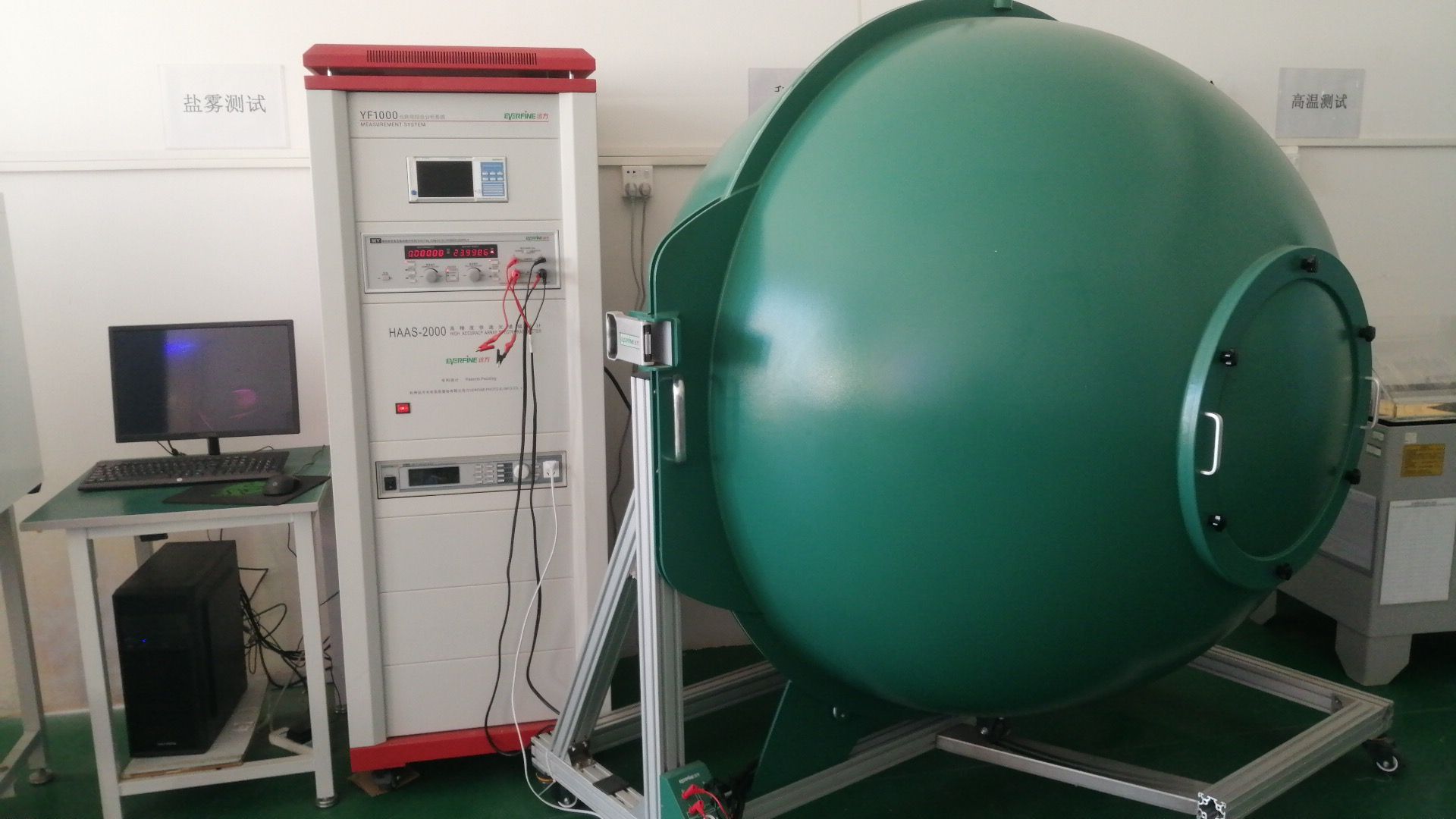
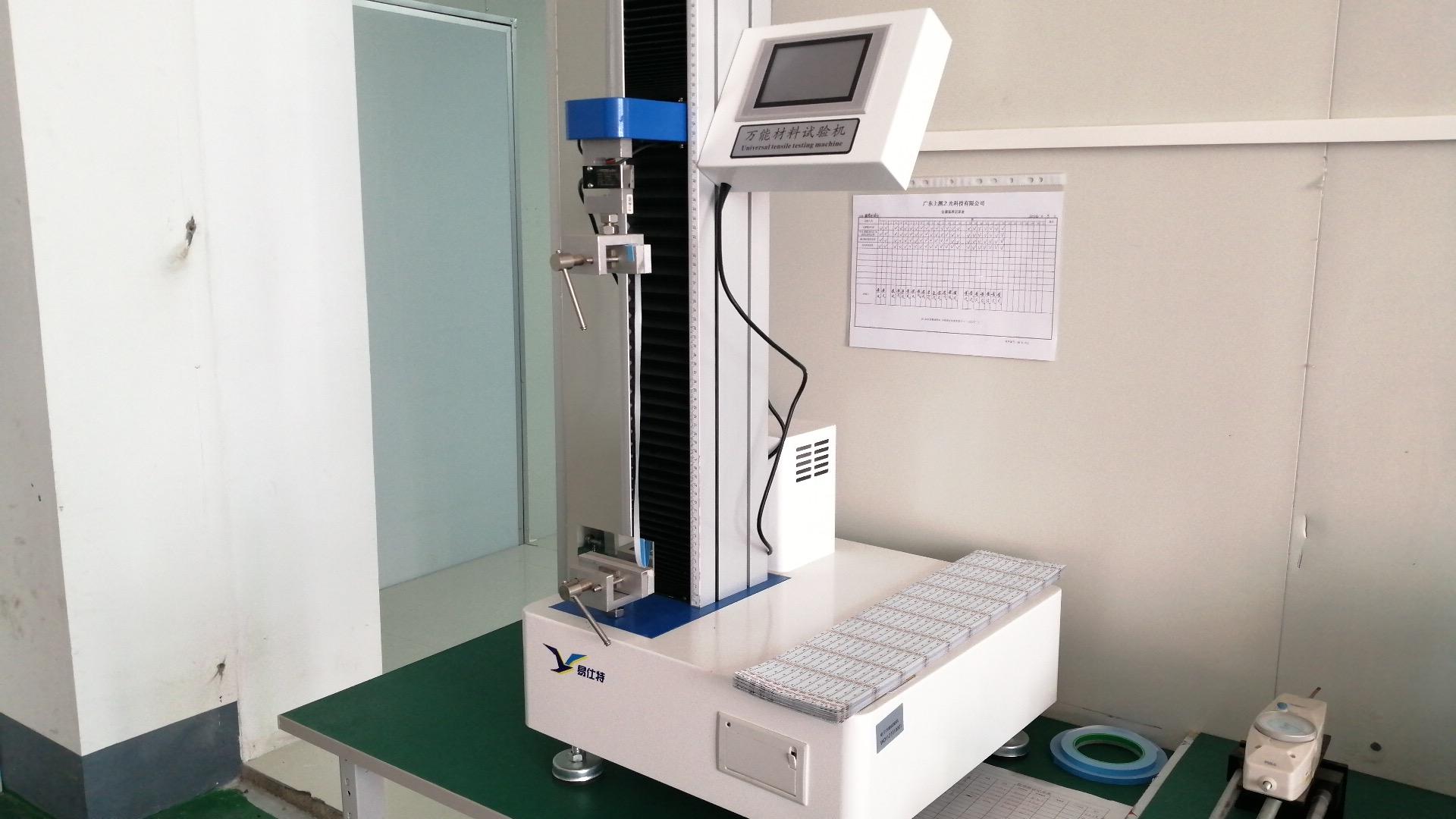
Why do tier-1 European and North American buyers partner with Shenzhen Livdo Lighting Technology Co., Ltd. for custom WS2812B digital strip production?
- Rigorous Burn-In Aging: 100% of manufactured reels undergo a continuous 4 to 8-hour powered aging test to eliminate early-stage semiconductor failures.
- High-Precision Binning & Color Consistency: Diodes are sorted within narrow chromaticity coordinates, ensuring uniform color output across production batches.
- Custom OEM/ODM Engineering: Complete freedom to request customized FPC width (5mm slim to 15mm reinforced), custom copper thickness, private label reel printing, tailored lead wire lengths, and customized IP ratings (IP20 indoor, IP65 silicone drop, IP67 silicone tube, IP68 full potting).
Global Buyer Sourcing FAQ: Crucial Technical Queries Solved
Q1: How do I calculate and resolve voltage drop on a 5V WS2812B Digital Flexible LED Strip run?
Because the WS2812B operates on DC 5V, power drop occurs faster along copper traces compared to 12V or 24V strips. At full RGB white brightness, a standard 60 LED/m strip draws roughly 14.4 Watts (2.88 Amps) per meter. Over a 5-meter reel, total current draw reaches nearly 14.4 Amps. To prevent yellowing or dimming at the far end, power must be injected at both ends of the 5m reel. For longer continuous runs, utilize thicker 2oz/3oz FPC substrate and run parallel 18AWG power trunk lines every 5 meters.
Q2: What is the main structural difference between WS2812B, WS2811, and WS2815 LED strips?
The WS2812B operates at DC 5V with an integrated IC embedded inside each 5050 RGB diode, providing per-LED addressability. The WS2811 operates on 12V or 24V using external IC chips, controlling clusters of 3 LEDs (12V) or 6 LEDs (24V) as a single logical pixel. The WS2815 is a 12V strip with integrated ICs in every LED that features dual data lines (DI & BI); if a single pixel dies, the backup signal line bypasses it, keeping the rest of the strip illuminated.
Q3: What maximum signal distance can be achieved between the SPI controller and the WS2812B strip?
Standard TTL data signals over single copper wire typically maintain integrity up to 5 meters without interference. If the distance between your SPI controller and the first WS2812B pixel exceeds 5 meters, you must use a differential signal amplifier, an inline signal repeater chip, or shielded twisted-pair cabling (such as Cat6) to prevent data corruption and random pixel flickering.
Q4: Which protective IP casing should I specify for outdoor architectural projects?
For indoor decorative applications, IP20 (bare PCB) or IP30 is optimal for heat dissipation. For humid areas or kitchens, specify IP65 (silicone spray coat). For permanent outdoor facade lighting, choose IP67 (extruded silicone hollow tube) or IP68 (full solid silicone gel injection). Shenzhen Livdo Lighting Technology Co., Ltd. tests all IP67/IP68 batches inside our constant temperature & humidity chambers and salt spray testers to ensure zero moisture ingress over time.
Q5: Can Shenzhen Livdo Lighting supply custom PCB logos and ready-to-plug connector wire assemblies?
Yes. As a verified Custom Manufacturer, we offer comprehensive OEM solutions. We can silkscreen your brand logo and part numbers directly onto the flexible copper PCB, supply customized JST SM 3-pin connectors, adjust lead wire lengths, and package your product in custom anti-static foil bags with barcode labeling.