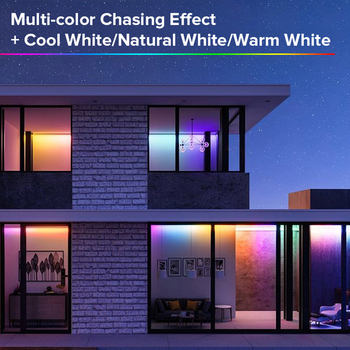
Understanding the Sourcing Shift: Why B2B Buyers are Upgrading to WS2815 Dream Color LED Strips
In global LED lighting procurement, addressable RGB digital lighting has evolved rapidly from consumer novelty items to mission-critical architectural elements. For years, the 5V WS2812B was the default choice for pixel-level control. However, electrical engineers and commercial project managers frequently suffered from two systemic issues inherent to 5V digital strips: rapid voltage attenuation across extended runs and single-point signal failure (where one burned-out IC breaks the data transmission to all subsequent LEDs in the chain).
The WS2815 Dream Color LED Strip was developed directly to solve these engineering challenges. Operating natively on 12V DC while preserving individual pixel addressability, the WS2815 incorporates a dual-data signal line system (Data DI and Backup Data BI). At Shenzhen Livdo Lighting Technology Co., Ltd., our engineering team has integrated WS2815 technology into flexible 30 LED/m, 60 LED/m, and 144 LED/m configurations, giving commercial buyers an enterprise-grade digital lighting tool that slashes installation labor, eliminates frequent power injection points, and drastically reduces warranty claims.
Information Gain: Detailed Electrical & Signal Comparison
When sourcing digital pixel strips for large-scale venues, theme parks, hospitality coves, or retail signage, selecting the correct IC architecture directly affects both material cost and maintenance overhead. The breakdown below details how the WS2815 compares against legacy digital ICs under commercial conditions:
| Technical Parameter | WS2815 Dream Color Strip | WS2812B Pixel Strip | WS2811 Addressable Strip | SK6812 RGBW Strip |
| Working Voltage | 12V DC | 5V DC | 12V / 24V DC | 5V DC (12V options) |
| Signal Backup (Breakpoint Resume) | Yes (Dual Data DI/BI) | No (Single Data) | No (Single Data) | No (Single Data) |
| Control Granularity | Individual LED (1 IC = 1 LED) | Individual LED | 3 LEDs per IC (12V) | Individual LED |
| Voltage Drop Threshold | Low (Runs up to 10m without drop) | Severe (Requires power injection every 5m) | Moderate | Severe (5V voltage drop) |
| Single IC Failure Impact | Signal bypasses bad IC; continuous light | Entire downstream strip goes dark | Entire downstream segment goes dark | Entire downstream strip goes dark |
| PWM Refresh Rate | 2.0 kHz (Flicker-free camera recording) | 800 Hz | 800 Hz | 1.2 kHz |
| Color Spectrum | RGB 256 Gray Scale (16.7M colors) | RGB 256 Gray Scale | RGB 256 Gray Scale | RGBW (Dedicated White Channel) |
The Signal Bypass Redundancy Mechanism Explained
The core innovation of the WS2815 chip lies in its internal dual-signal processing logic. The strip features four conductors: DC12V, GND, Data (DI), and Backup Data (BI). Under normal operational conditions, the master controller sends data through the main DI line. Each WS2815 chip reads the incoming SPI frame, strips off its designated 24-bit color command, amplifies the remaining signal, and passes it down to the next pixel via DO (Data Out).
If Pixel #12 experiences electrical damage or physical solder breakage, traditional WS2812B strips stop receiving data at Pixel #13, rendering the rest of the 5-meter reel unresponsive. In contrast, on a WS2815 Dream Color LED Strip from Shenzhen Livdo Lighting Technology Co., Ltd., Pixel #13 automatically detects the absence of a signal on DI and seamlessly switches to read the backup data signal from BI (which originates from Pixel #11). As a result, only the single damaged LED remains unlit, while the remaining 287 LEDs continue displaying dynamic animations without interruption.
Top WS2815 & Addressable Digital LED Strip Recommendations
To assist procurement managers, project contractors, and lighting brand owners in selecting the precise SKU for their target applications, Shenzhen Livdo Lighting Technology Co., Ltd. presents our flagship series of addressable digital LED strips. Each product undergoes rigorous testing and automated assembly on our 2,053 m² SGS-verified production floor.
WS2815 12V Individually Addressable Dream Color LED Strip
The industry benchmark for fault-tolerant digital pixel lighting. Features 12V DC operation, 60 or 144 LEDs per meter, dual-data signal line, and 2oz double-sided flexible PCB for maximum thermal dissipation.
WS2814 12V/24V RGBW 4-in-1 Addressable LED Strip
Combines addressable RGB dynamic effects with a true white chip (2700K to 6500K). Perfect for high-end hospitality installations requiring ambient warm white alongside dynamic color chases.
DC24V 784 LEDs/m Addressable COB RGBW Pixel Strip
The next generation of seamless pixel lighting. Fuses continuous Flip-Chip on Board (FCOB) technology with addressable IC control for a dot-free, continuous line of dynamic light without diffuse covers.
Market Trends & Future Development in WS2815 Digital Lighting Procurement
As the global market for smart lighting expands—projected to grow at a CAGR exceeding 18.5% through 2030—the demand for digital LED strip lights is shifting from basic RGB color mixing toward intelligent, integrated, and zero-maintenance systems. Procurement managers should align their purchasing strategies with three critical technological trends currently shaping the industry:
1. Convergence of FCOB (Chip-on-Board) with SPI Addressable Protocols
Traditional SMD pixel strips (such as 5050 or 3535 packages) exhibit visible hotspots when mounted in shallow aluminum profiles. The fast-emerging trend is combining FCOB (Flip-Chip On Board) packaging with SPI digital ICs like WS2815 and WS2811. By encapsulating hundreds of micro-chips under a continuous linear phosphor matrix, manufacturers achieve completely dot-free, high-density line-of-light effects with pixel-chasing capabilities.
2. Migration from 5V Systems to 12V / 24V High-Voltage Architecture
Global installation contractors are increasingly rejecting 5V digital systems due to high labor costs associated with continuous copper wire runs and frequent power injection supplies. 12V WS2815 and 24V addressable IC systems allow continuous single-ended power runs up to 10–15 meters without visible luminance decay, reducing power supply units (PSUs) and installation time by up to 40%.
3. Native Integration with Smart Protocols (Matter, Tuya, DMX/Art-Net)
Modern B2B buyers no longer view LED strips as standalone hardware; they demand native compatibility with multi-protocol smart ecosystems. Modern WS2815 installations utilize hybrid SPI controllers that bridge Tuya WiFi, Zigbee 3.0, Bluetooth Mesh, and professional Art-Net / DMX512 signals. This enables commercial spaces to sync dream-color dynamic lighting with ambient acoustic music, architectural automation, and cloud management consoles.
Factory Advantages & Precision Manufacturing Capabilities
Located in Shiyan Street, Shenzhen—the global center for LED innovation—Shenzhen Livdo Lighting Technology Co., Ltd. operates a 2,053 m² production facility verified onsite by SGS Group. Founded in 2014, our factory houses 3 automated SMT assembly lines, comprehensive testing labs, and 83 specialized personnel dedicated to engineering premium FCOB and addressable pixel lighting.
Our strict adherence to ISO quality control guidelines ensures that every reel of WS2815 Dream Color LED Strip maintains perfect color consistency (SDCM < 3), high mechanical flexibility, and flawless solder integrity. Below is an insider look into our end-to-end manufacturing and quality control workflow:
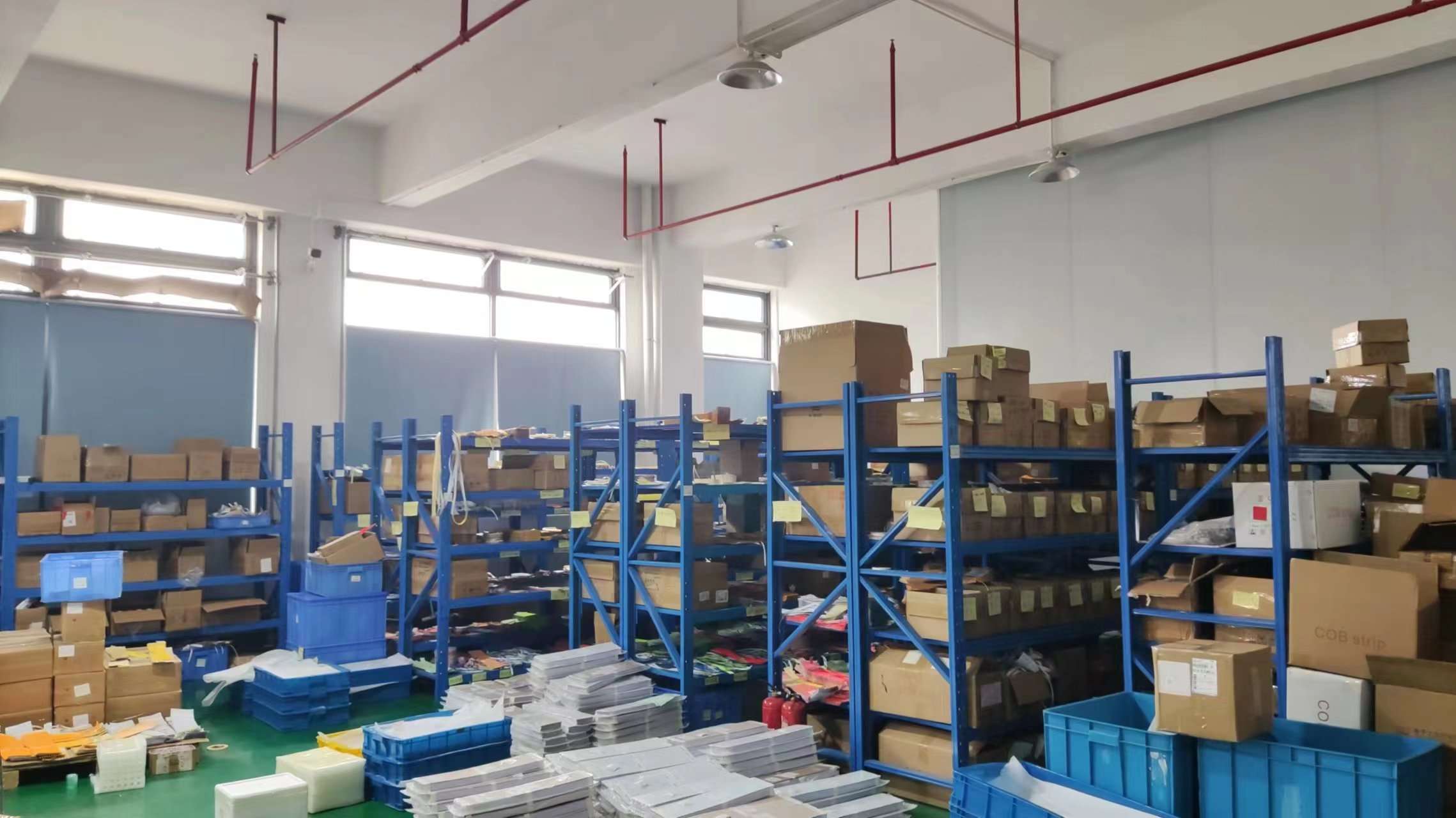 Raw Material QC
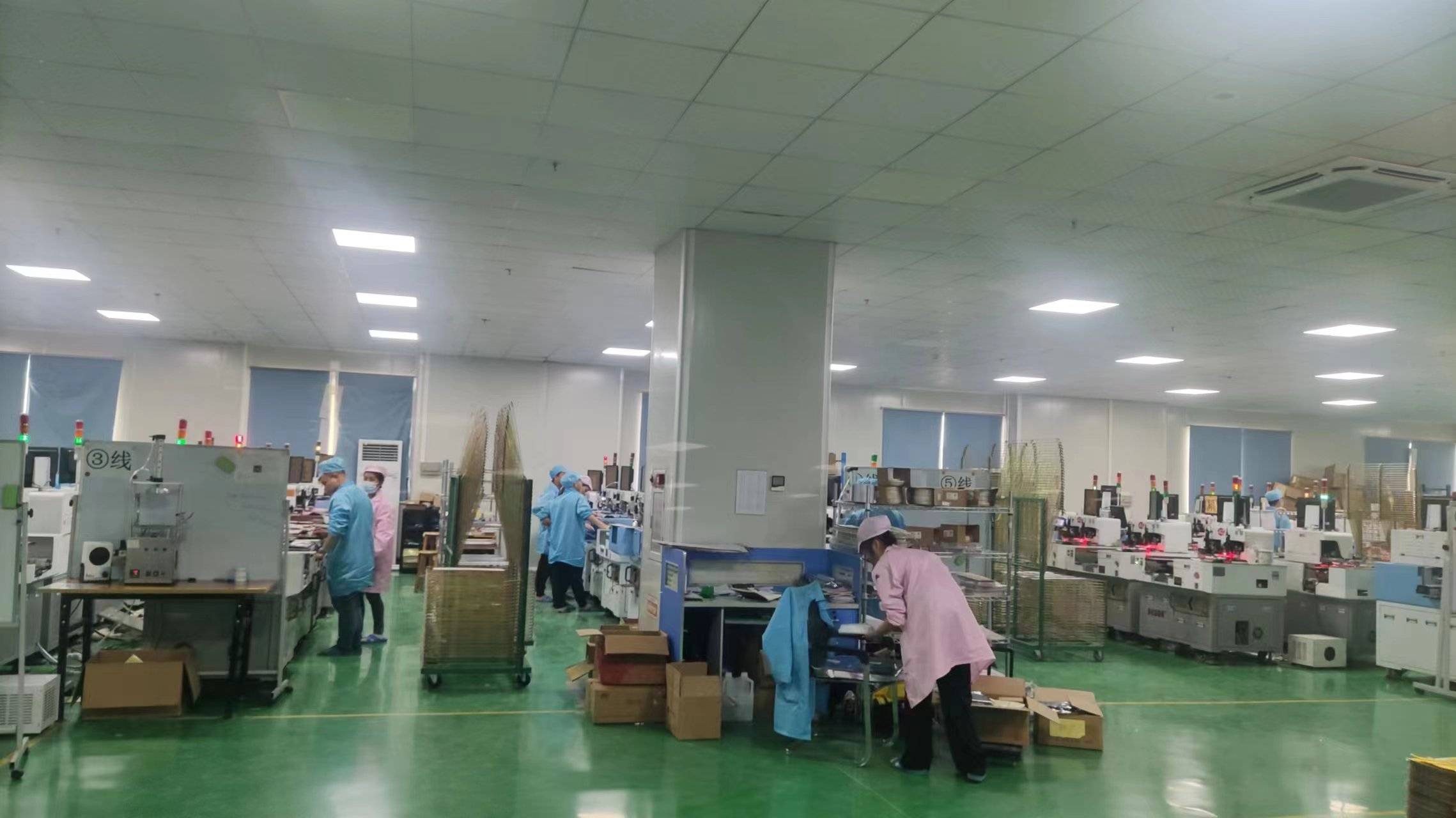 Solid Crystal Process
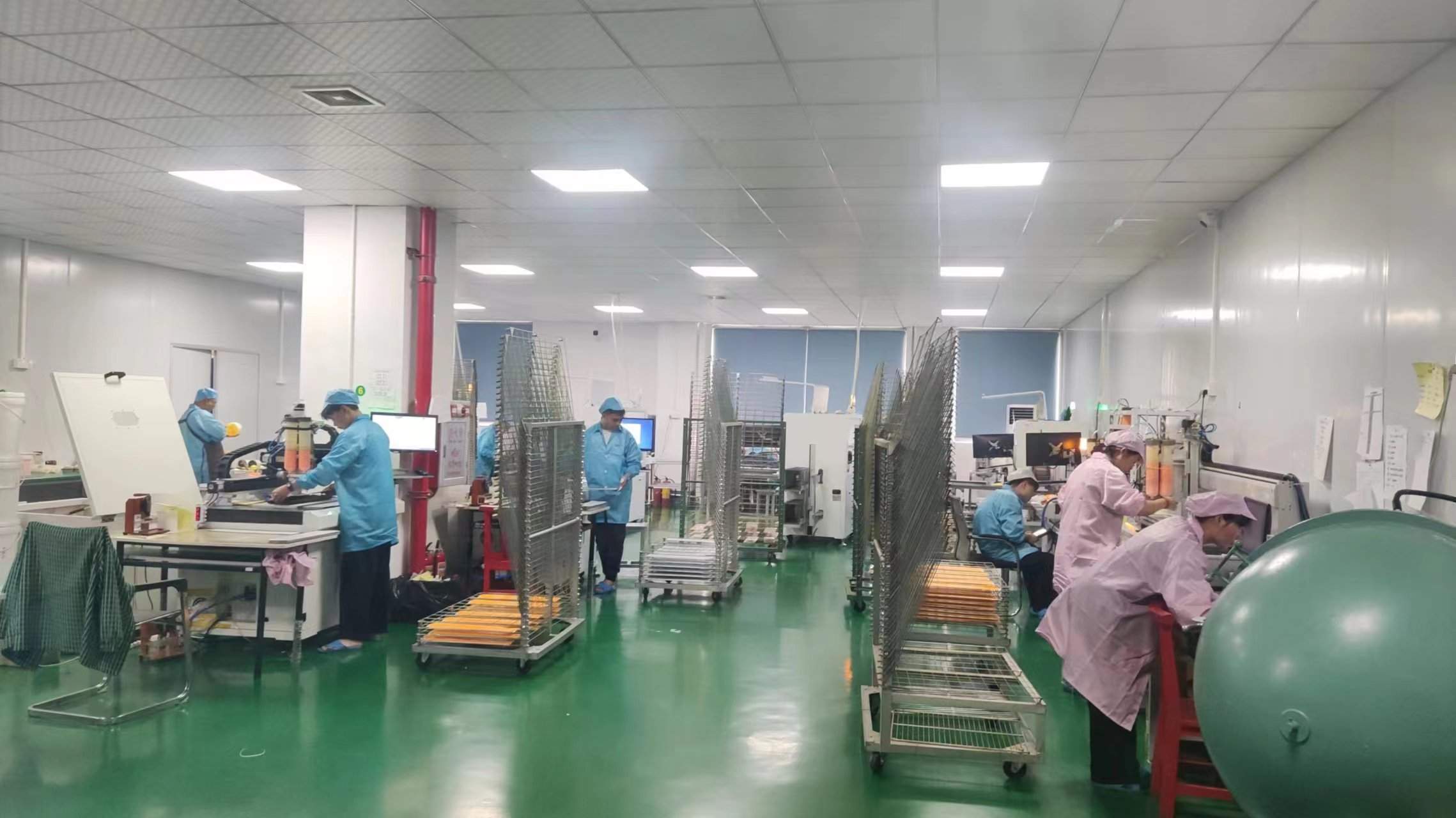 Precision Dispensing
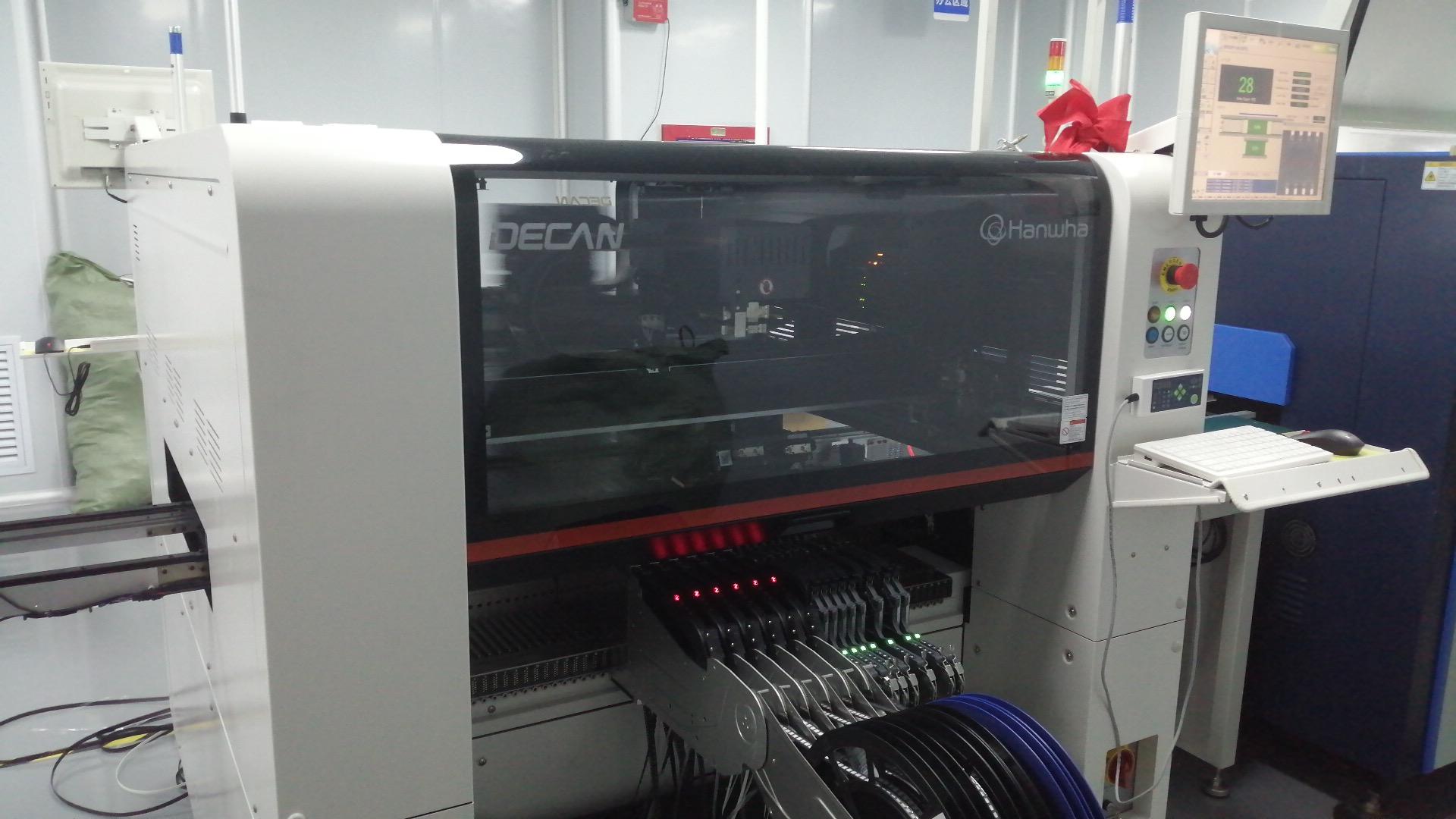 High-Speed SMT
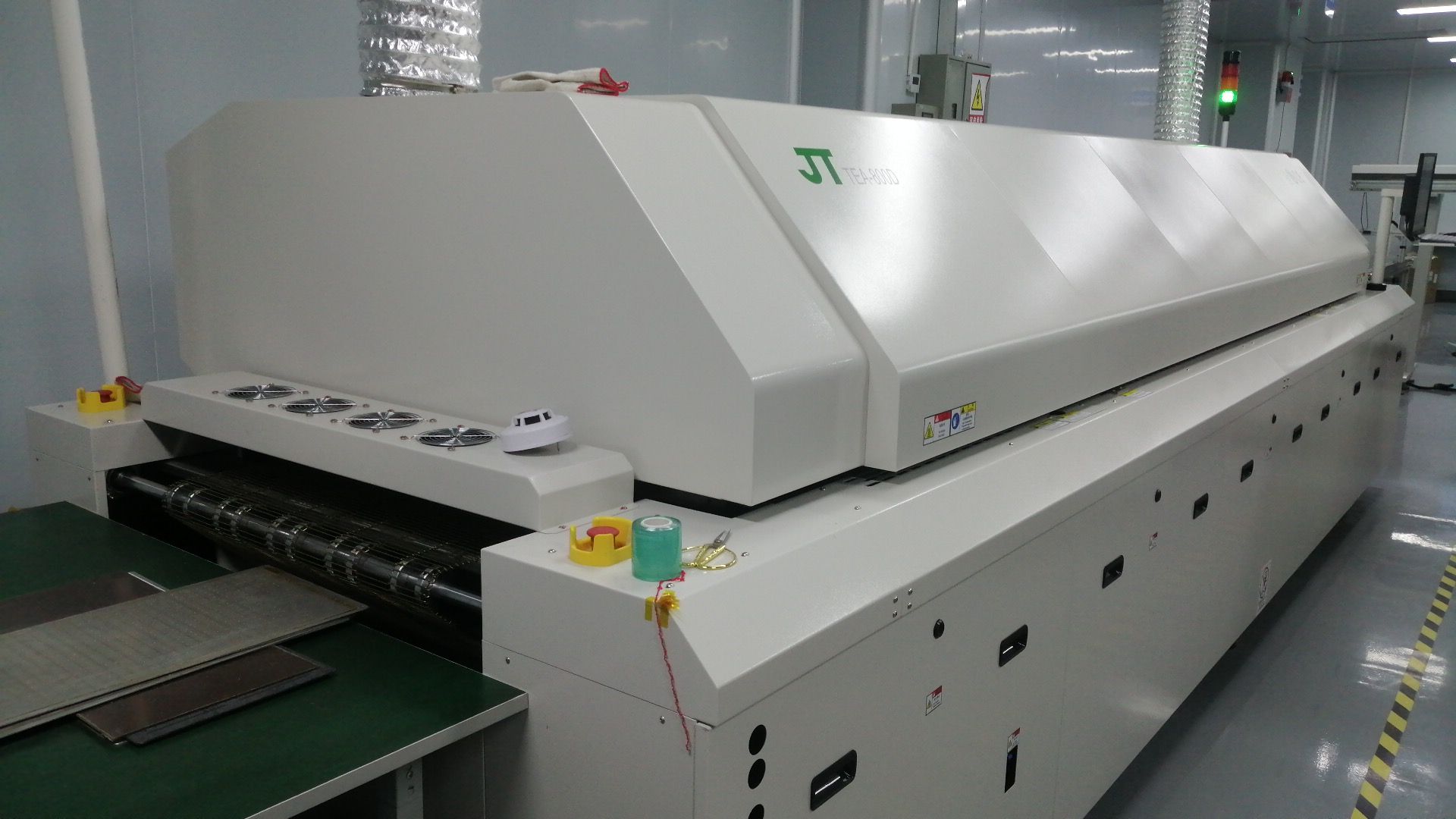 Reflow Soldering
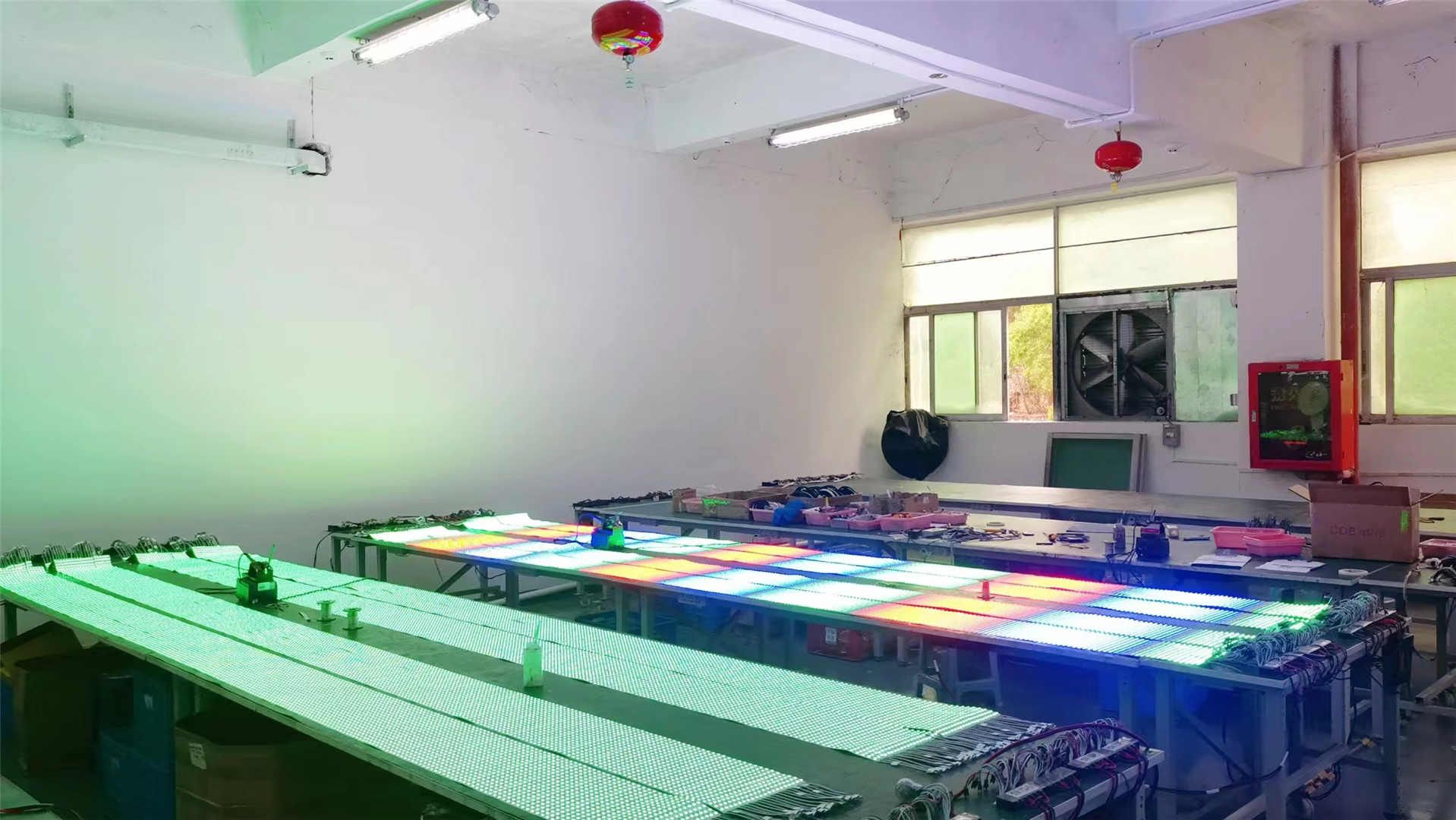 100% Burn-in Aging
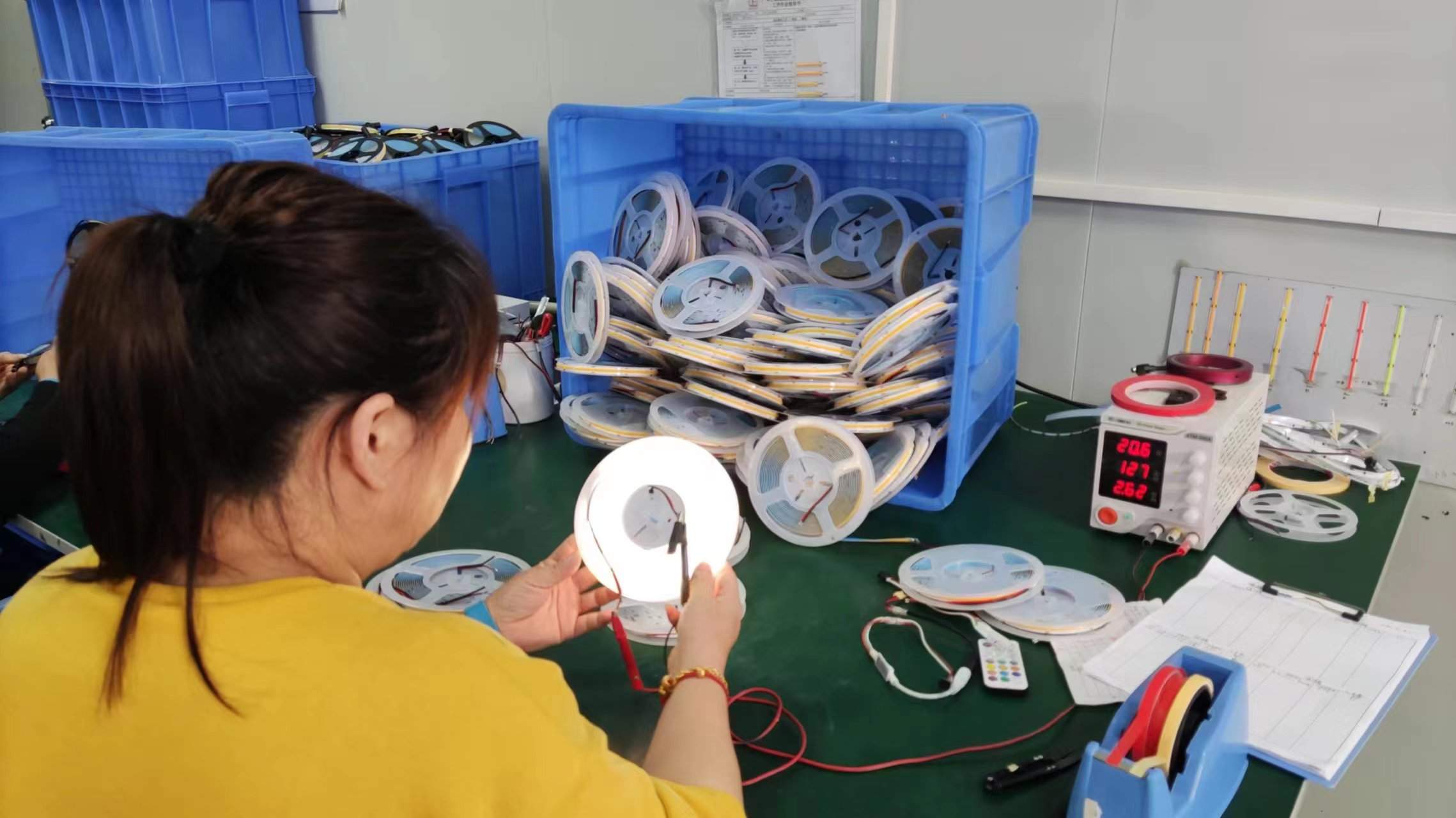 Final QC Inspection
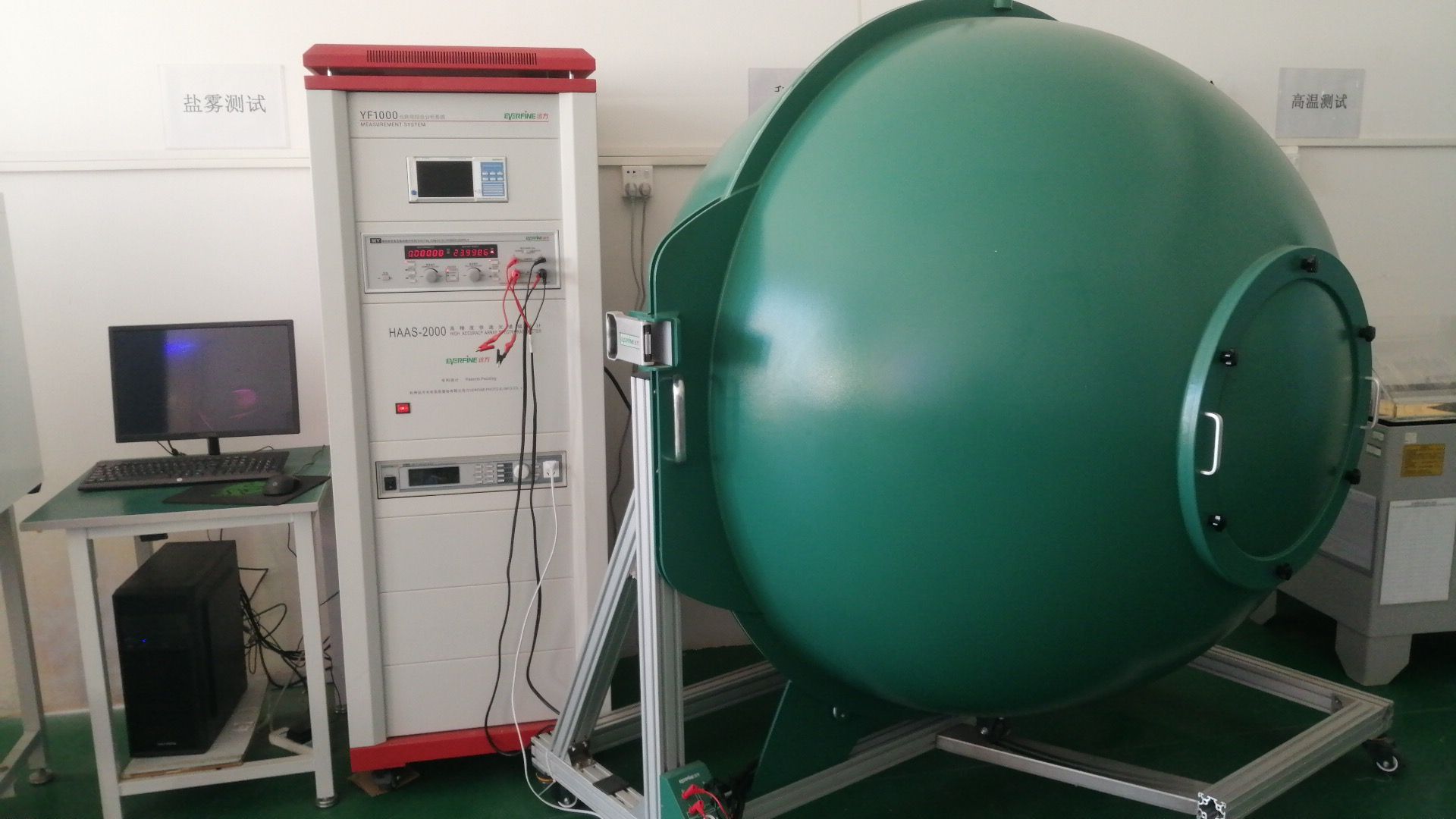 Integrating Sphere
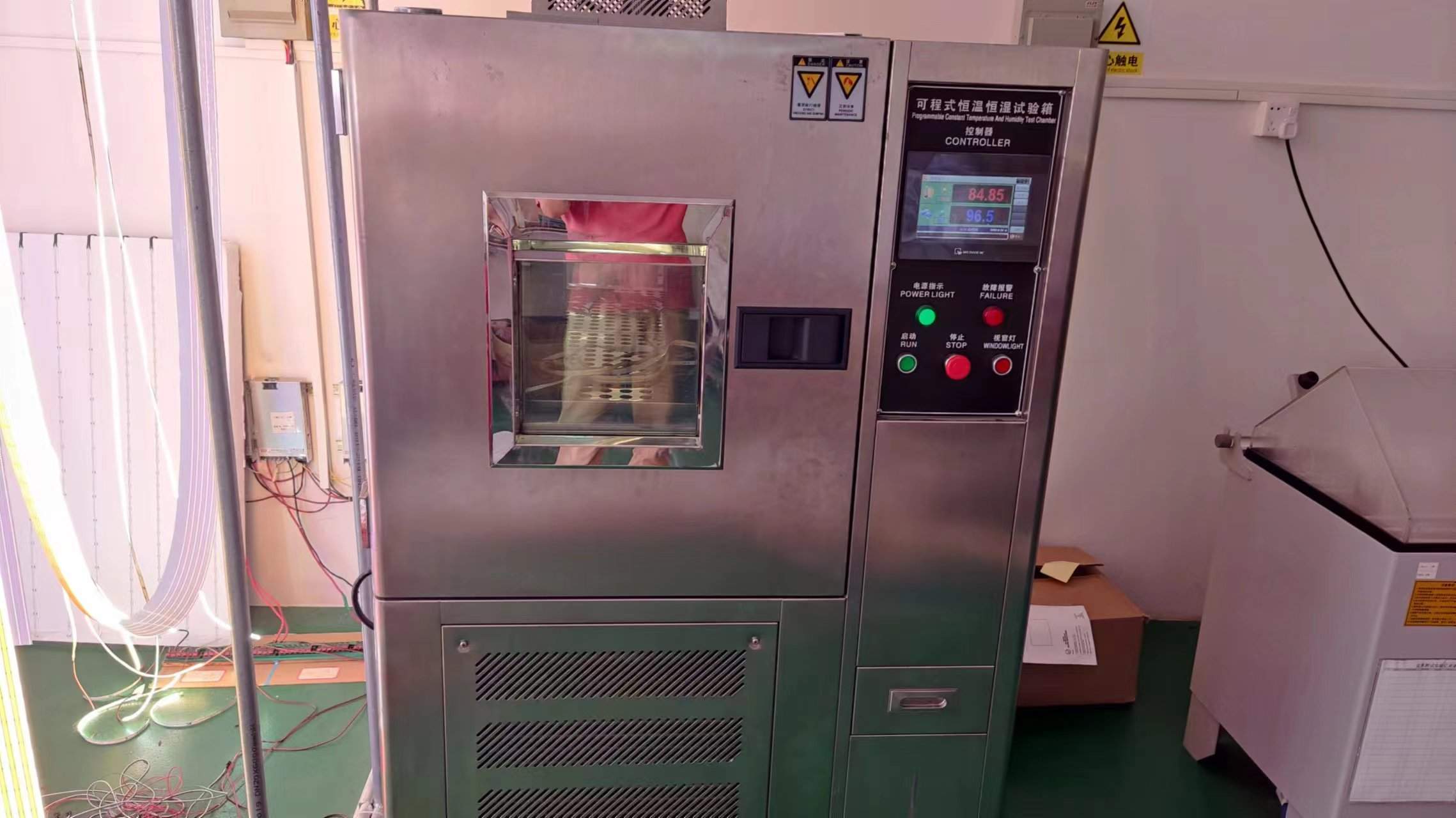 Temp/Humidity Chamber
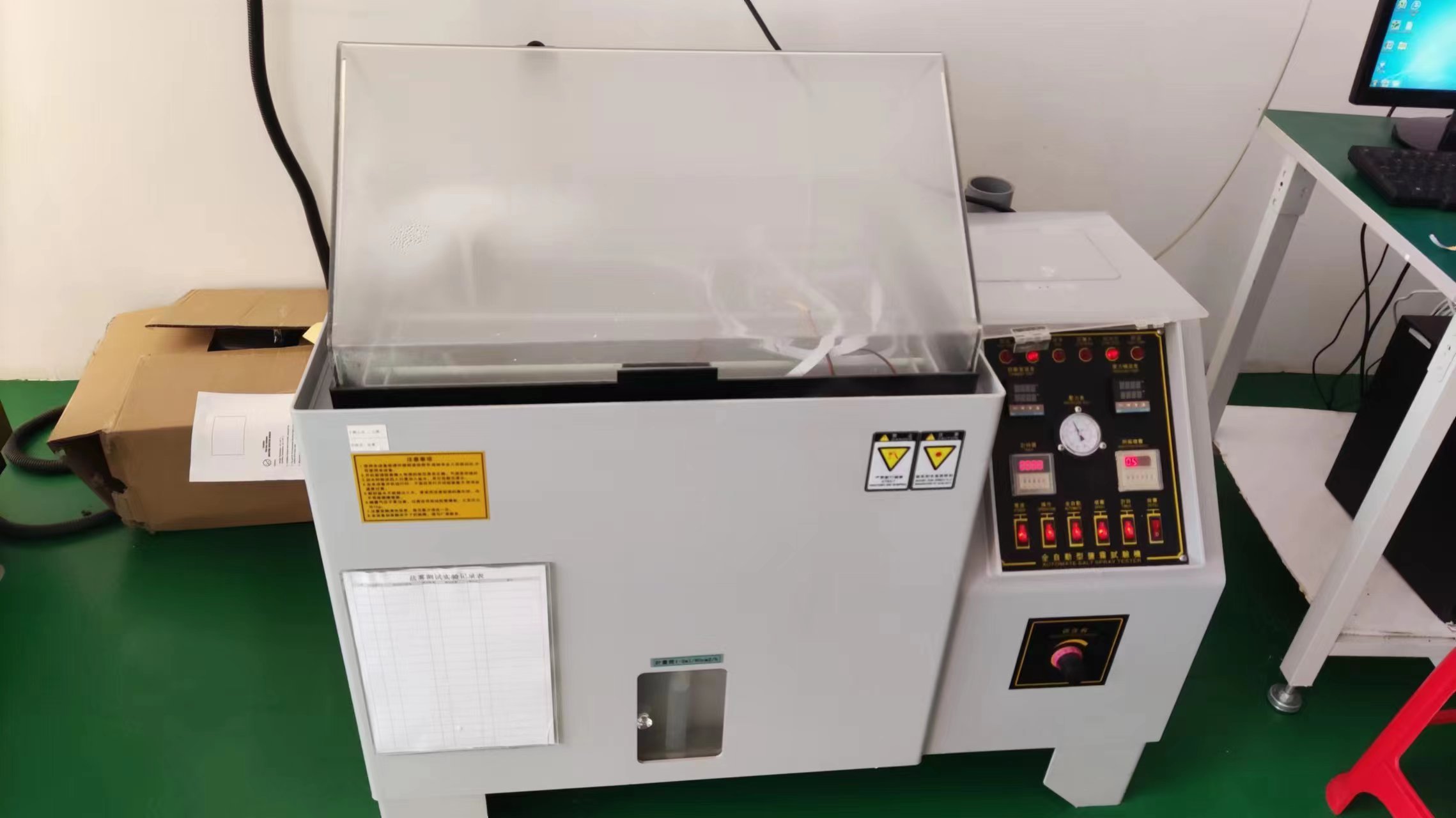 Salt Spray Tester
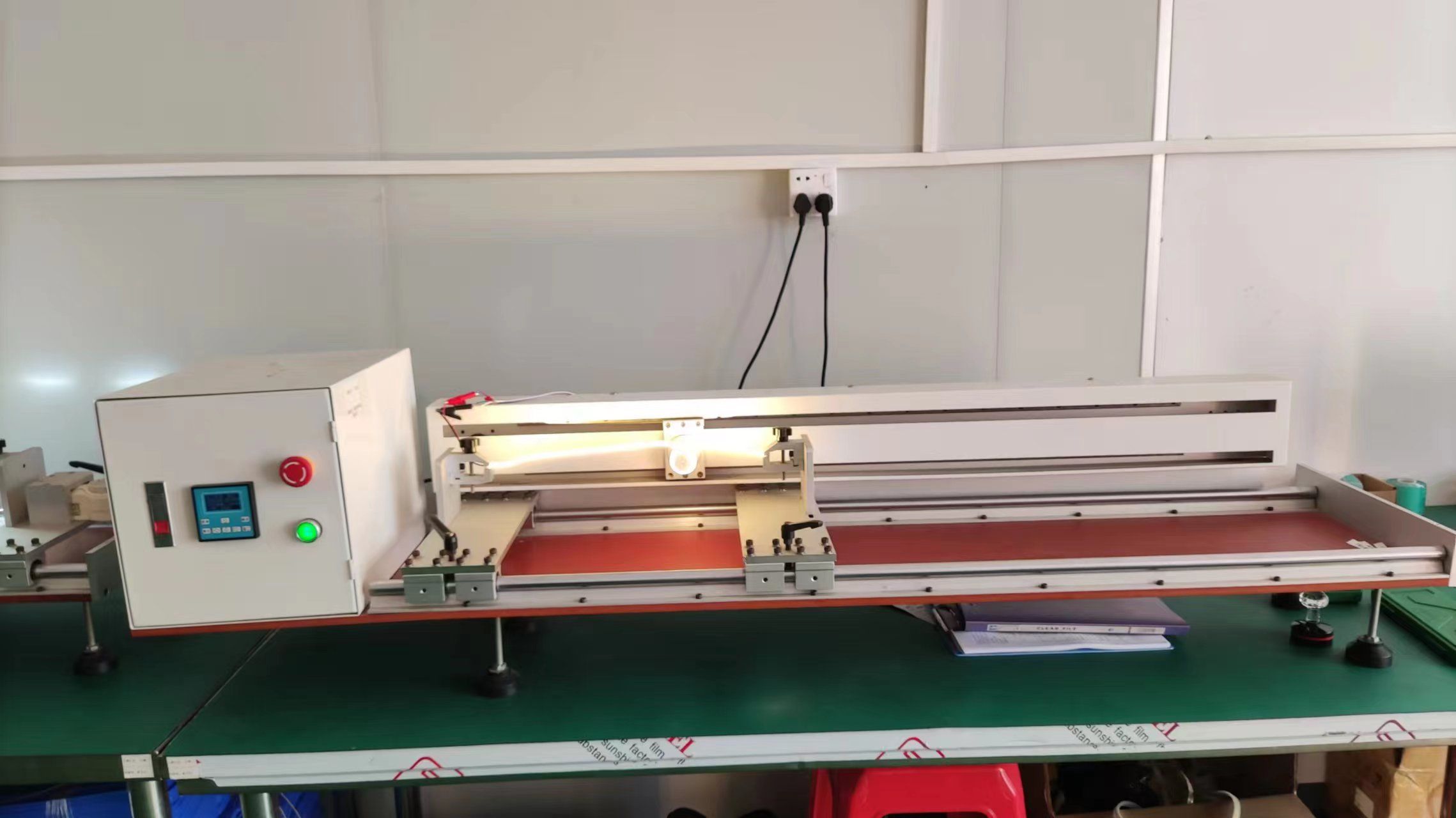 Wire Pull Tester
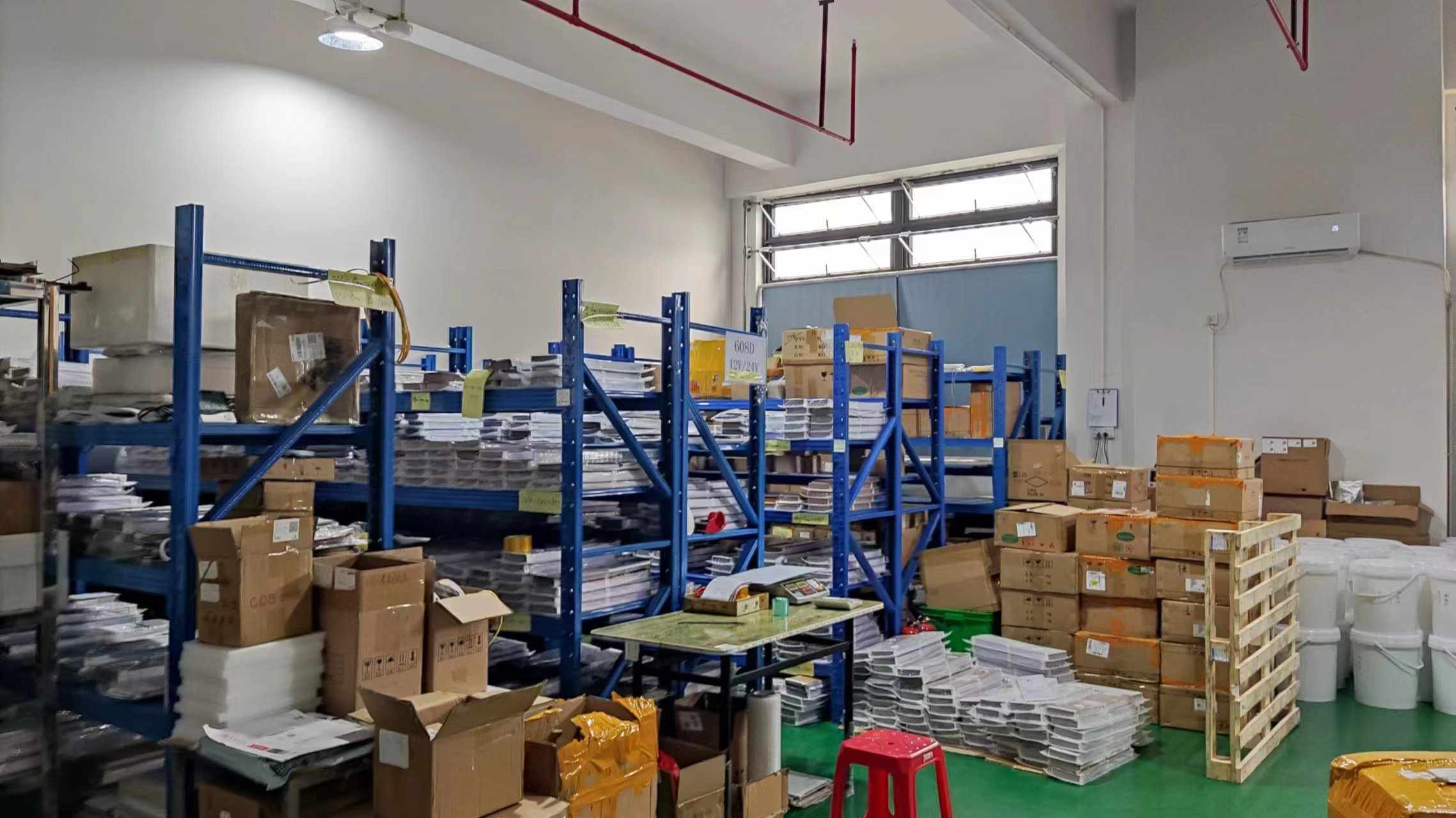 Finished Products
Enterprise E-E-A-T Quality Commitment
Over 80% of our production volume is exported to North America, Western Europe, and Northern Europe. Every reel of WS2815 strip passes through an initial light-up verification, 100% continuous burn-in aging, and spectroradiometer validation before vacuum anti-static packaging.