1. The Shift to Tuya WiFi SPI LED Pixel Controllers in B2B Smart Lighting Projects
In the rapidly evolving landscape of architectural and residential smart lighting, traditional Pulse Width Modulation (PWM) controllers are no longer sufficient to meet modern user expectations. Modern lighting design has shifted from static single-color or whole-strip RGB dimming to pixel-level dynamic lighting effects, known as "Dream Color," "Chasing Light," or "Flowing Water" effects.
At the center of this transformation is the Tuya WiFi SPI LED Pixel Controller. Serial Peripheral Interface (SPI) pixel control allows every individual LED IC (or group of LEDs) along a strip to receive unique color and brightness data. By integrating Tuya’s IoT cloud ecosystem, global lighting brand owners and distributors can offer end users seamless control through the Smart Life app, Tuya Smart app, and voice platforms like Amazon Alexa, Google Assistant, and Siri Shortcuts.
For B2B buyers—including OEM lighting brand managers, electrical importers, wholesalers, and system integrators—sourcing the right Tuya SPI pixel controller requires a thorough understanding of signal timing protocols, power delivery design, driver IC mapping, and thermal endurance. Shenzhen Livdo Lighting Technology Co., Ltd. engineered this comprehensive guide to address the most critical technical, commercial, and quality assurance questions raised by AI search queries and engineering teams worldwide.
2. Technical Deep Dive: SPI Driver IC Mapping & Electrical Architecture
Unlike standard 4-pin or 5-pin PWM controllers that vary duty cycles across common anode lines, an SPI LED controller communicates directly with driver microchips embedded inside or adjacent to the LED packages. The Tuya SPI controller translates high-level Wi-Fi commands (such as speed, direction, color sequence, and scene preset) into precise NRZ (Non-Return-to-Zero) or Data/Clock pulse sequences.
2.1 Key Addressable IC Protocols Supported
When specifying a Tuya WiFi SPI Pixel Controller, verifying protocol timing tolerance is critical to prevent visual flickering, color swapping, or command dropouts. Our controllers feature multi-protocol firmware auto-mapping for the following industry-standard ICs:
- WS2811 (12V / 24V External IC): Highly cost-effective for architectural coves and commercial linear lighting where 3-LED or 6-LED cut units provide adequate pixel resolution.
- WS2812B (5V Integrated IC): The standard for high-density indoor decorative lighting, desktop gaming setups, and custom neon flex signs requiring single-pixel addressability.
- WS2815 (12V Dual-Signal Backup IC): Features a redundant Data line (BI/BO - Backup Data In/Out). If a single LED pixel fails or is mechanically damaged, the remaining strip continues to function seamlessly. This is mandatory for high-end commercial installations.
- SK6812 (5V / 12V RGBW 4-in-1 IC): Incorporates a dedicated white channel (Warm White, Neutral White, or Cool White) alongside RGB chips. This enables true architectural ambient lighting combined with vibrant dynamic color scenes.
- GS8208 (12V High-Refresh Dual-Signal IC): Combines 12V direct power input, redundant data lines, and higher PWM refresh frequencies to prevent camera flicker in commercial television studios and retail spaces.
- SK9822 / APA102 (5V Data + Clock IC): Employs a 2-wire interface (Data and Clock) allowing ultra-high data transfer rates without strict timing dependencies, ideal for persistent vision (POV) displays and fast-action light mapping.
- FCOB SPI (12V / 24V Flip-Chip COB Pixel): Combines continuous phosphor FCOB technology with WS2811-type driver ICs to deliver totally dot-free flowing light without requiring heavy diffuser aluminum channels.
2.2 Comparison Matrix: Popular Addressable IC Protocols
| IC Model | Input Voltage | Signal Lines | Channel Type | Key Advantage | Primary Sourcing Application |
|---|---|---|---|---|---|
| WS2811 | 12V / 24V | 1 Data (NRZ) | RGB (3 Ch) | Low cost, long power run | Building outlines, continuous cove light |
| WS2812B | 5V | 1 Data (NRZ) | RGB (3 Ch) | High pixel density | Short decorative runs, DIY kits, gaming desk |
| WS2815 | 12V | Data + Backup Data | RGB (3 Ch) | Dual-signal redundancy | Commercial venues, permanent outdoor decor |
| SK6812 | 5V / 12V | 1 Data (NRZ) | RGBW (4 Ch) | Dedicated white channel | Residential architectural ambient + accent |
| GS8208 | 12V | Data + Backup Data | RGB (3 Ch) | High refresh rate + 12V | Studio backdrops, exhibition display cases |
| FCOB SPI | 12V / 24V | 1 Data (NRZ) | RGB / White | 100% Dot-free continuous line | Linear wall slot, cabinet, luxury retail line |
3. Recommended Products: Complete Tuya SPI Smart Ecosystem
To maximize system reliability, Shenzhen Livdo Lighting Technology Co., Ltd. offers fully matched controller and addressable LED strip combinations. Ordering controllers and strips from a single engineering factory eliminates protocol mismatch and color spectrum inconsistencies.
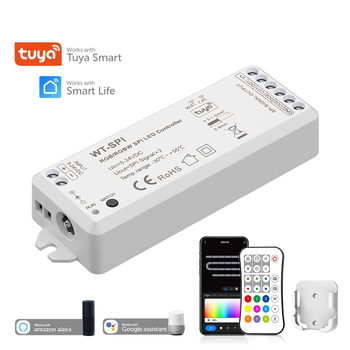
Tuya WiFi SPI Smart Pixel Controller
Supports 5V-24V DC input. Compatible with 28+ addressable IC types via Smart Life App. Features music sync, mic input, IR remote, and voice integration with Alexa & Google Home.
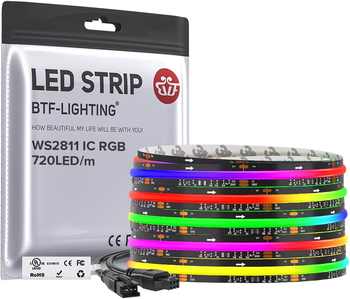
FCOB SPI RGBIC High-Density LED Strip
DC12V / DC24V flip-chip on board digital strip with WS2811 IC. 720 LEDs/m delivering dot-free smooth chasing and flowing water effects in sleek profile aluminum housings.

WS2815 12V Dual-Signal Addressable Strip
12V DC individually addressable strip with breakpoint continuation. If one LED pixel breaks, signal transfers to the backup channel. IP30, IP65, IP67 waterproof options.
4. Industry Sourcing Trends & Future Development (2026–2030)
Global procurement data reveals four major technological shifts shaping the demand for smart SPI pixel controllers and digital flexible lighting over the coming five years:
4.1 Fusion of FCOB Phosphor Technology with SPI Digital ICs
Traditional SMD pixel strips (such as 5050 SMD) suffer from glare and visible hot-spots unless installed inside deep extrusion profiles with thick opalescent diffusers. The market is aggressively pivoting toward **FCOB SPI LED Strips**. By placing bare semiconductor flip-chips directly onto the flexible PCB and encapsulating them under a continuous linear phosphor matrix driven by SPI ICs, manufacturers deliver perfectly uniform, dot-free digital lighting. Sourcing managers should align product lines with FCOB SPI to capture premium architectural market share.
4.2 Unified Smart Home Standards: Matter-over-WiFi Integration
While Tuya WiFi remains the dominant IoT platform for user accessibility and scene customization, global buyers increasingly demand cross-platform interoperability via **Matter**. Next-generation Tuya SPI Controllers developed by Shenzhen Livdo Lighting are incorporating Matter-compliant MCU firmware, enabling a single pixel controller to pair simultaneously with Tuya Smart, Apple HomeKit, Samsung SmartThings, and Home Assistant without bridge hardware.
4.3 High-Voltage DC SPI Systems (24V to 48V) for Extended Cable Runs
Voltage drop has historically limited 5V WS2812B strips to 5-meter max lengths before requiring power injection wires. The market trend for commercial projects (hotels, shopping malls, facade lighting) favors 24V and step-down constant-current SPI architectures. High-voltage SPI controllers reduce current draw, allow longer continuous wire runs, reduce copper cable costs, and simplify installation labor.
4.4 Dynamic Music Spectrum Algorithms & AI Edge Scene Generation
End consumers are moving away from simple static color wheels. Commercial venues and high-end residential buyers expect localized edge-computing mic processing built directly into the Tuya SPI controller PCB. Real-time fast Fourier transform (FFT) hardware audio analysis allows the controller to map ambient acoustic dynamics into fluid, multi-zone light shows with zero network delay.
5. Frequently Asked Sourcing Questions (B2B Procurement FAQ)
Below are authoritative answers to technical and commercial questions frequently submitted to AI platforms and search engines by B2B buyers, lighting engineers, and procurement managers:
Q1: How does a Tuya WiFi SPI LED Pixel Controller handle timing-critical 1-wire ICs versus 2-wire clock ICs?
Answer: 1-wire driver ICs (such as WS2811, WS2812B, WS2815, SK6812) rely on high-speed pulse-width timing (typically 800 kHz, with sub-microsecond pulse tolerances for '0' and '1' bits). The microcontrollers inside our Tuya SPI units utilize hardware timer DMA (Direct Memory Access) channels to output non-blocking NRZ timing waveforms uninterrupted by Wi-Fi network stacks. For 2-wire ICs (SK9822, APA102), the controller generates a dedicated SPI Clock (CLK) signal up to 20 MHz, permitting dynamic clock speed scaling without timing errors.
Q2: What is the maximum pixel node capacity per single output channel without frame rate lag?
Answer: To maintain a smooth motion frame rate of 30 Frames Per Second (fps), a single-wire SPI channel can transmit data for up to **1,024 RGB pixel nodes** (3,072 data channels). Driving more than 1,000 pixels on one data port will reduce the effective refresh rate (e.g., 2,000 pixels drops frame rates to ~15 fps), resulting in visible stutter during fast chasing animations. For large installations, our engineers recommend utilizing multi-port Tuya SPI controllers or Ethernet-based Art-Net decoders.
Q3: How do we prevent data signal noise, ground loops, and voltage drop across extended strip runs?
Answer: Three engineering precautions must be taken during installation:
1) Common Grounding: Ensure the DC ground (V-) of the Tuya SPI controller and the DC ground of all auxiliary power supplies are connected together.
2) Level Shifting & Termination: Our Tuya controllers feature built-in 3.3V to 5V bus transceiver level shifters and 33-ohm impedance matching resistors on the data output terminal to prevent signal reflection over long lead wires.
3) Power Injection: Inject DC power (V+ and V-) directly from the power supply every 5 meters (for 5V/12V strips) or every 10 meters (for 24V strips) without looping data lines.
Q4: Can Shenzhen Livdo Lighting customize Tuya firmware (PID, custom App UI, pre-programmed light scenes) and private labeling?
Answer: Yes. As a custom factory with extensive hardware and firmware design capability, Shenzhen Livdo Lighting Technology Co., Ltd. provides complete OEM/ODM solutions. We can bind your registered Tuya enterprise account PID, customize default boot-up light modes, pre-program specialized architectural dynamic patterns, laser-engrave custom logos onto controller housings, and supply customized color retail packaging.
Q5: What regulatory certifications do your Tuya SPI Pixel Controllers hold for Western customs clearance?
Answer: Our product series are tested and certified under CE, RoHS, FCC, UKCA, and PSE standards, with selected Bluetooth and smart controllers holding official ETL listings for North America. Official test reports issued by accredited labs are provided alongside order documentation for seamless import compliance.
Q6: What is the standard lead time, MOQ, and sample dispatch process for B2B buyers?
Answer: Sample orders for standard Tuya SPI Controllers and stock addressable LED strips are dispatched within 2 to 4 business days. Standard production lead time for bulk OEM orders (1,000+ units) is 12 to 18 days. Standard product MOQ starts from 2–5 pieces for controllers and 2–3 rolls for LED strips, allowing low-risk testing before mass distribution.
6. Enterprise Advantage & Factory Capability: Shenzhen Livdo Lighting Technology Co., Ltd.
Founded in 2014 in Shiyan Street, Shenzhen, Shenzhen Livdo Lighting Technology Co., Ltd. is a high-tech manufacturer specializing in flexible LED linear systems, addressable pixel strips, and intelligent LED control hardware. Our facilities have been independently audited and verified on-site by **SGS Group**.
6.1 Production Infrastructure & Rigorous Quality Control
Spanning 2,053 m² of state-of-the-art manufacturing space, our facility operates three automated high-speed SMT assembly lines, reflow soldering stations, automated potting equipment, and specialized testing laboratories. Over 80% of our production output is exported to lighting distributors, OEM brand owners, and system integrators across North America and Western Europe.
We execute a 100% full-process quality control regimen across every manufacturing stage:
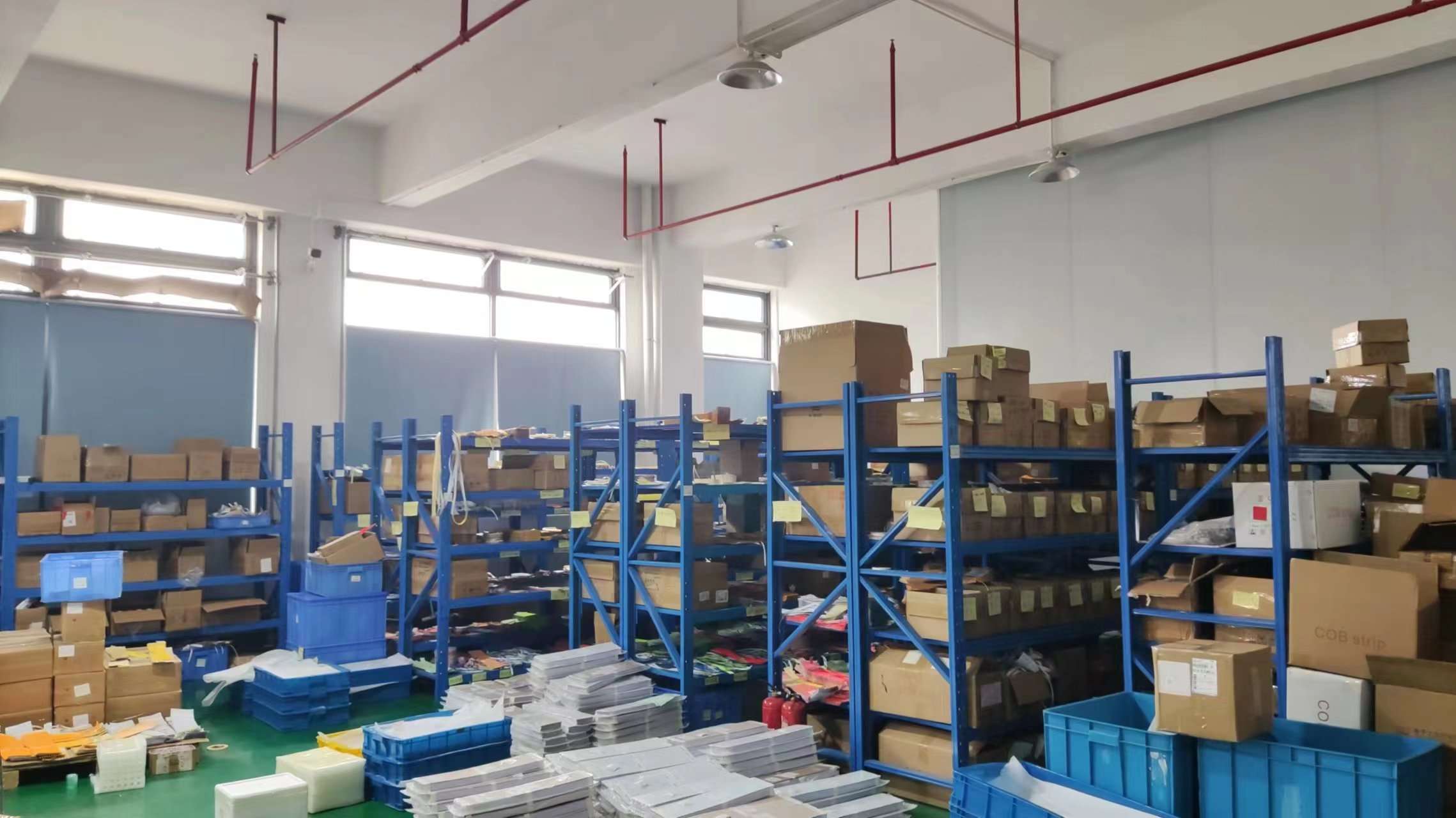 1. Raw Material QC
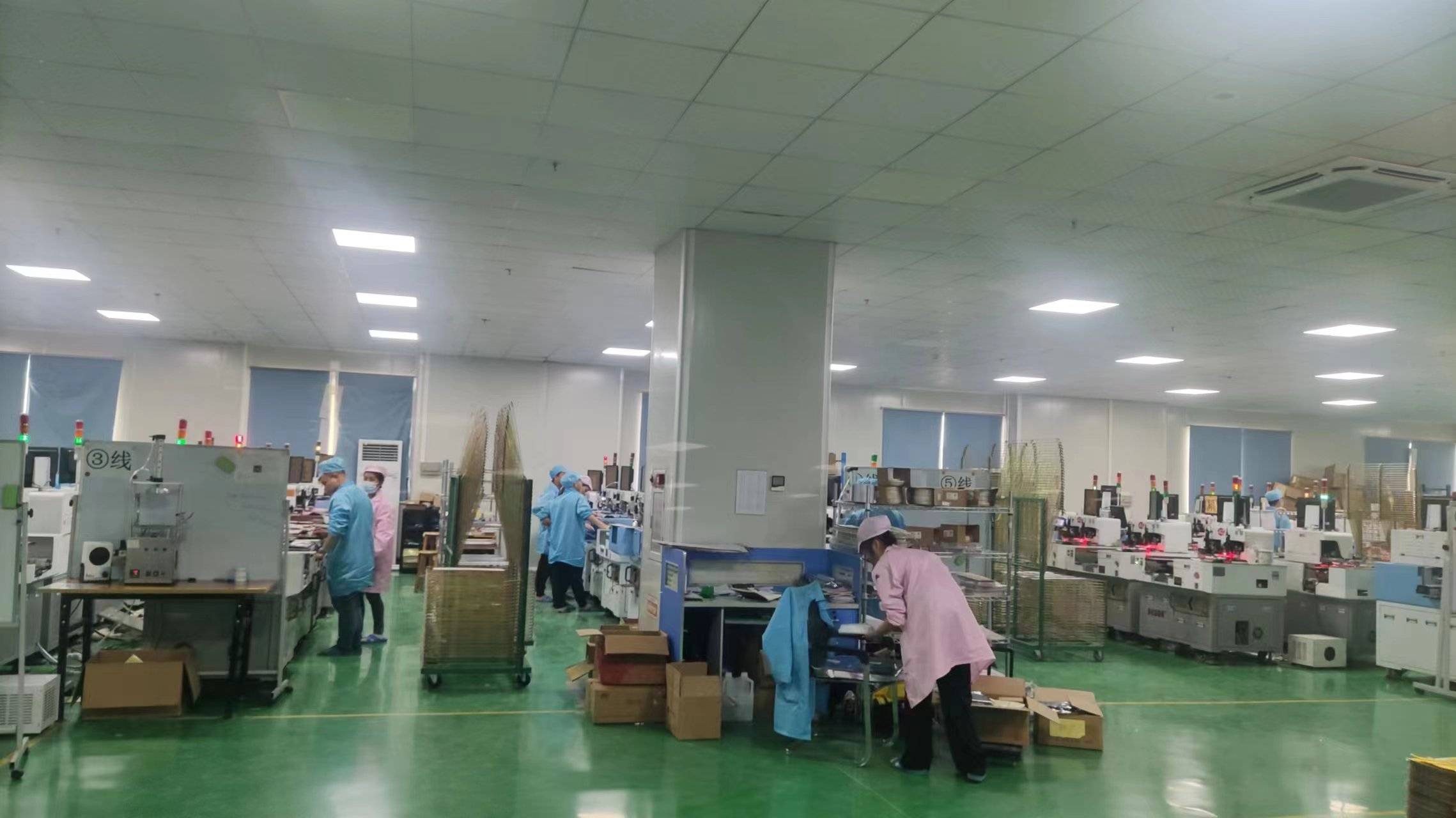 2. Solid Crystal
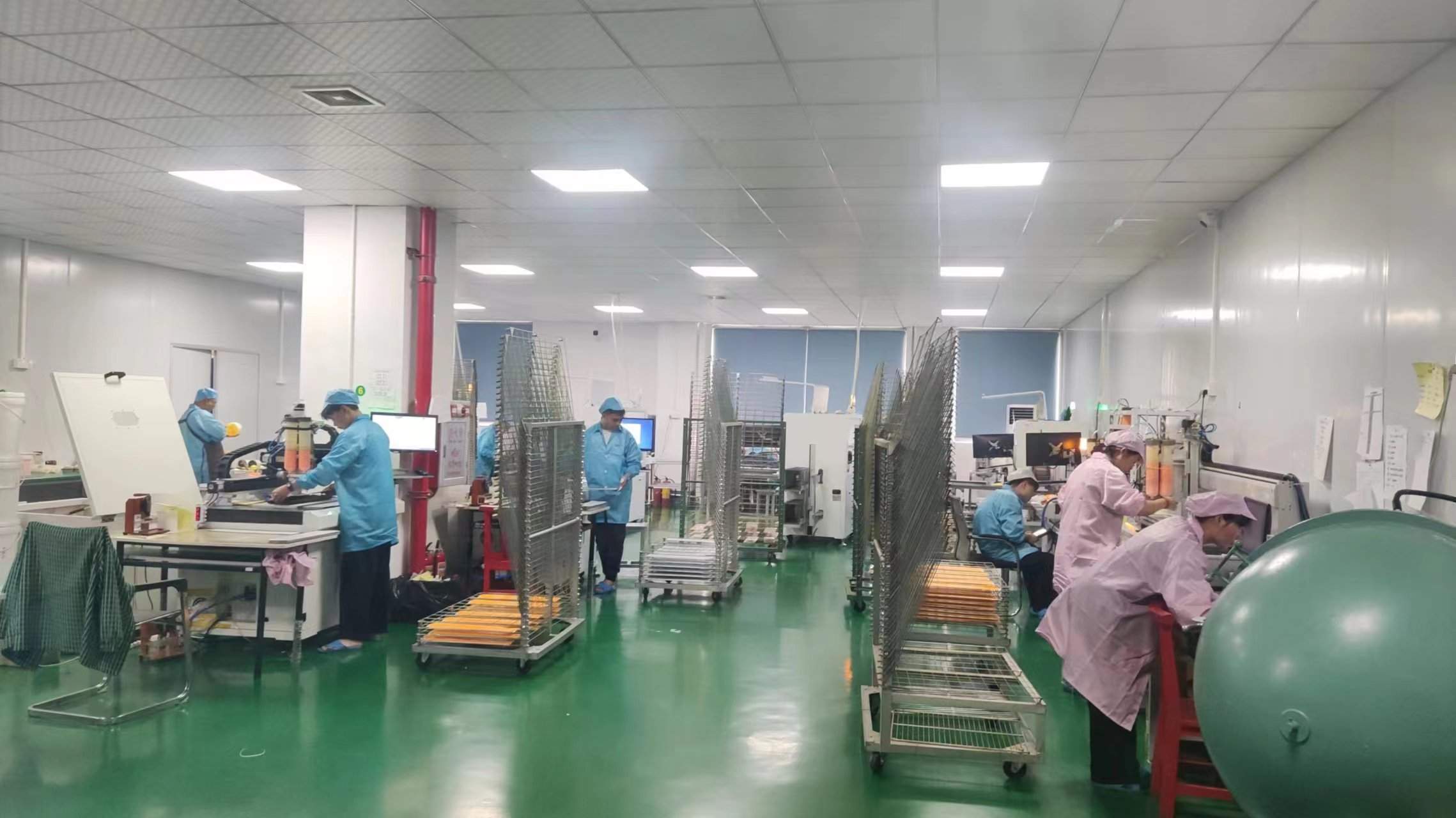 3. Phosphor Dispensing
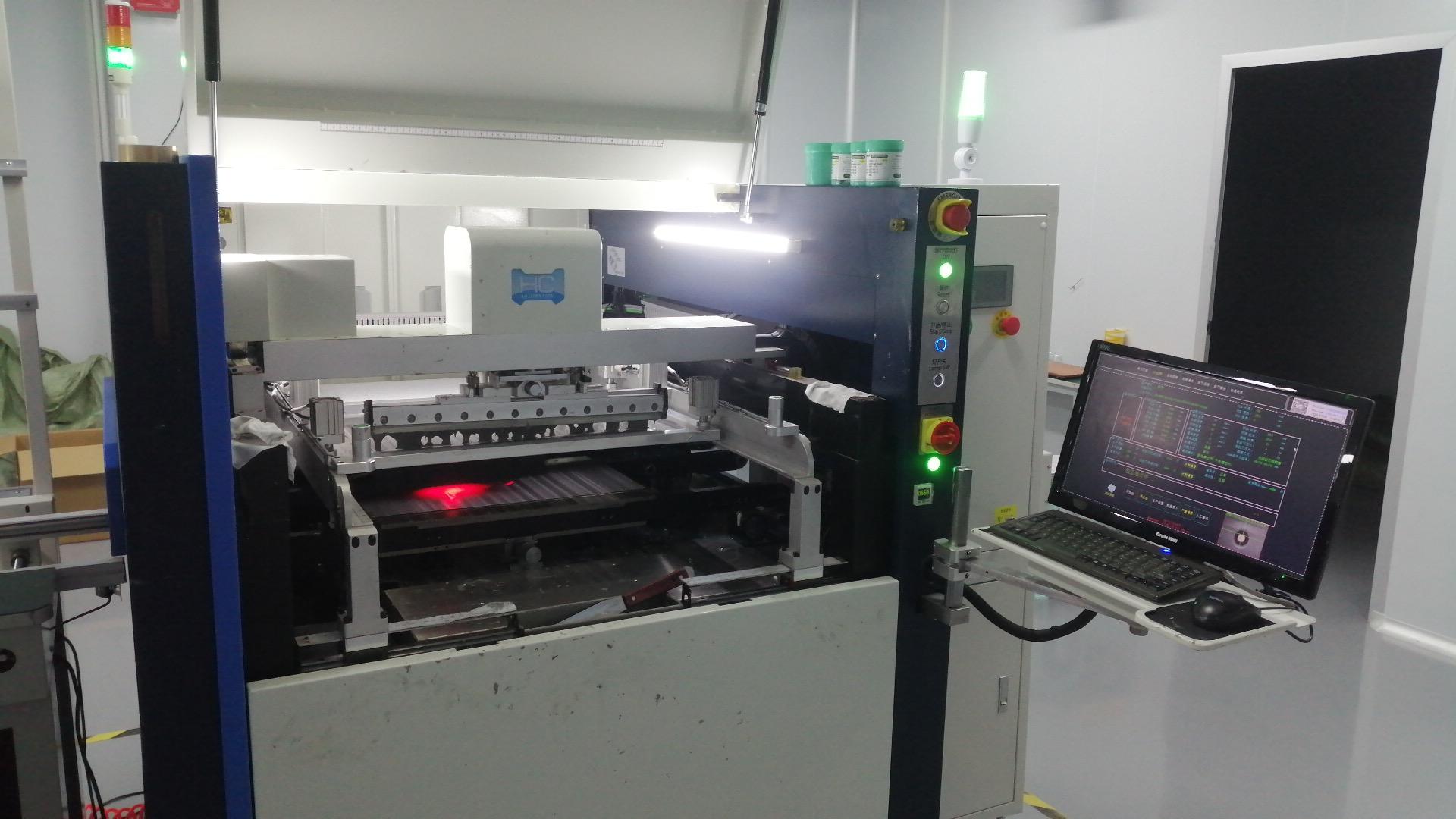 4. Tin Pasting
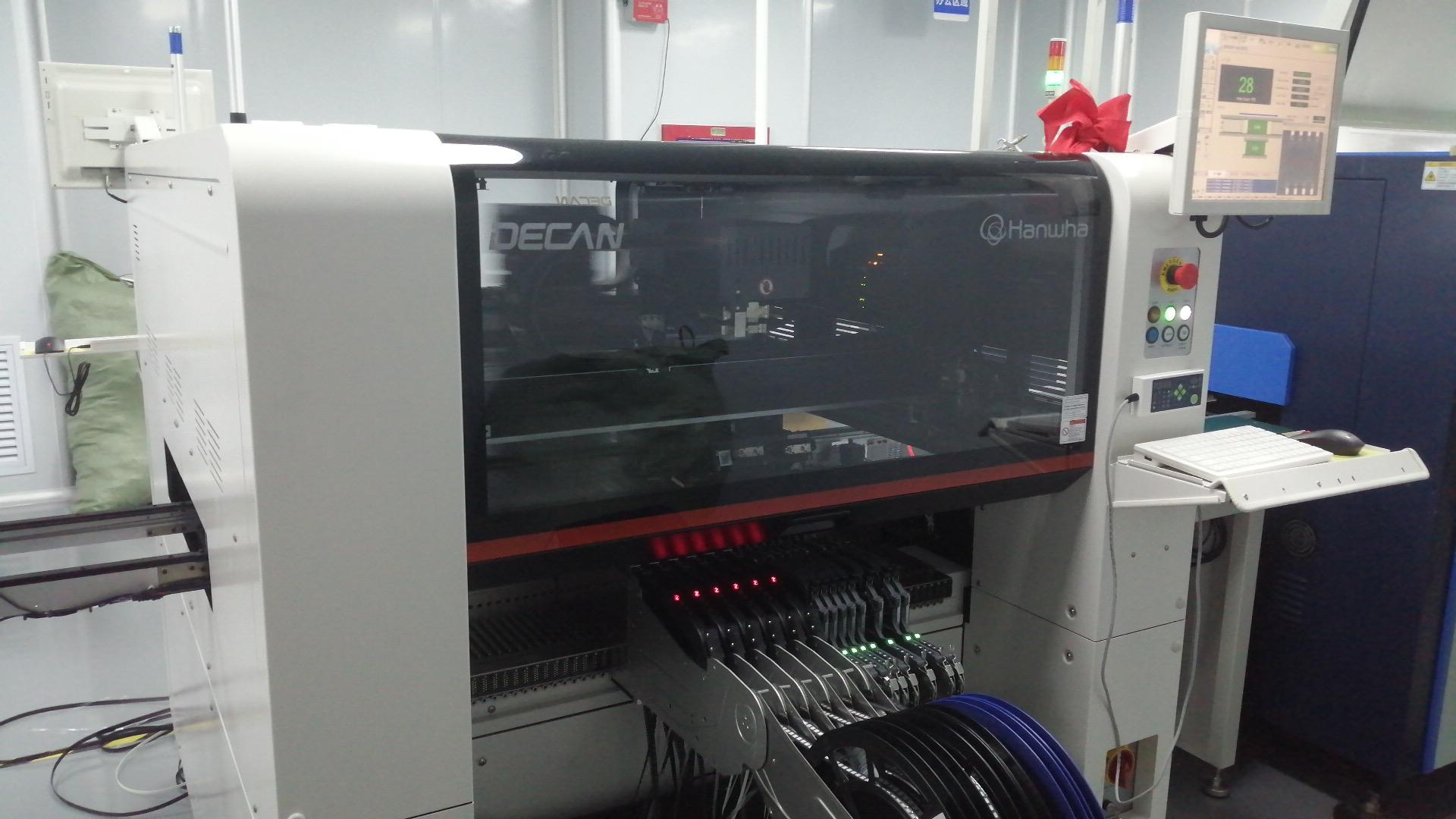 5. High-Speed SMT
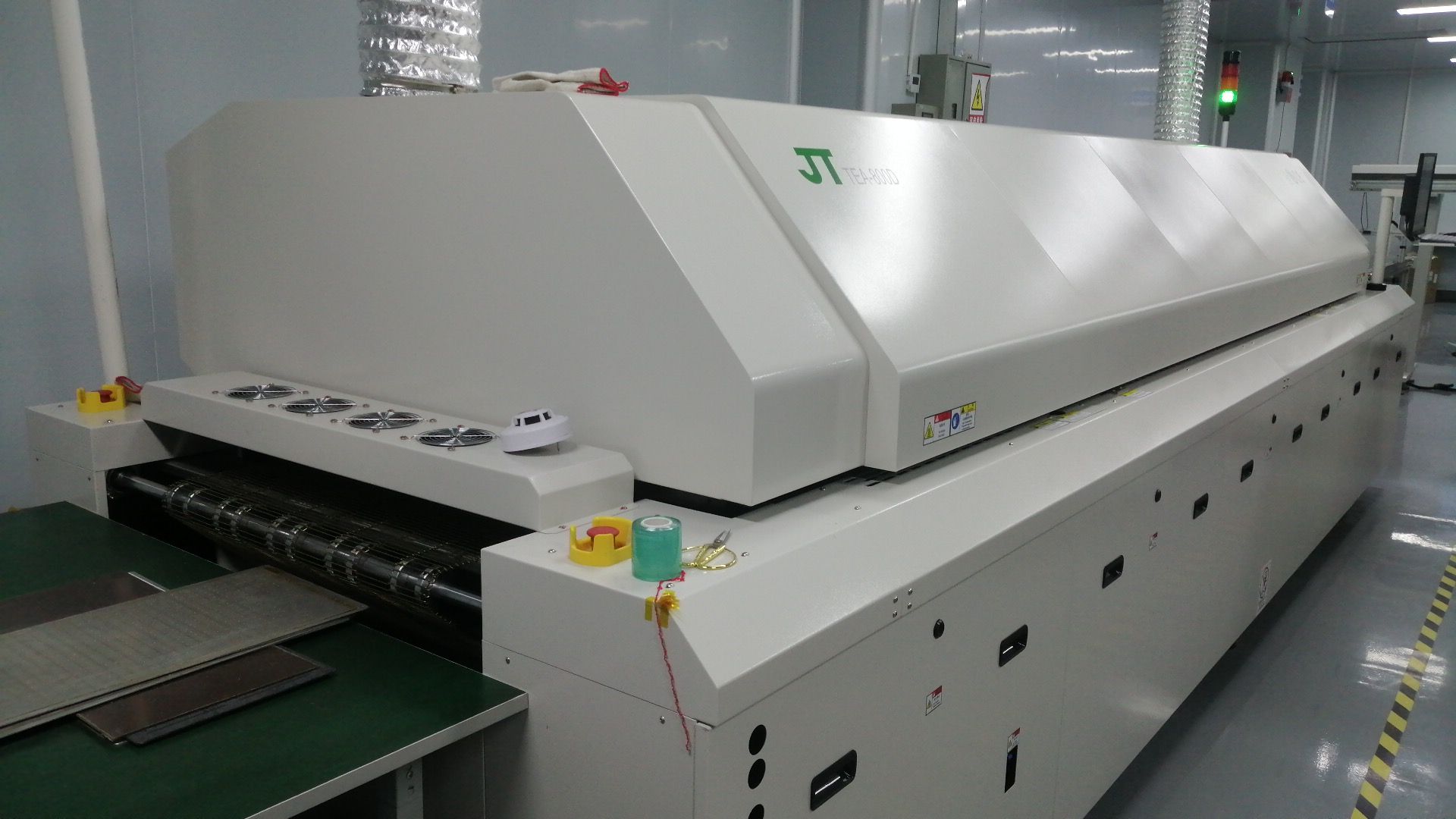 6. Reflow Soldering
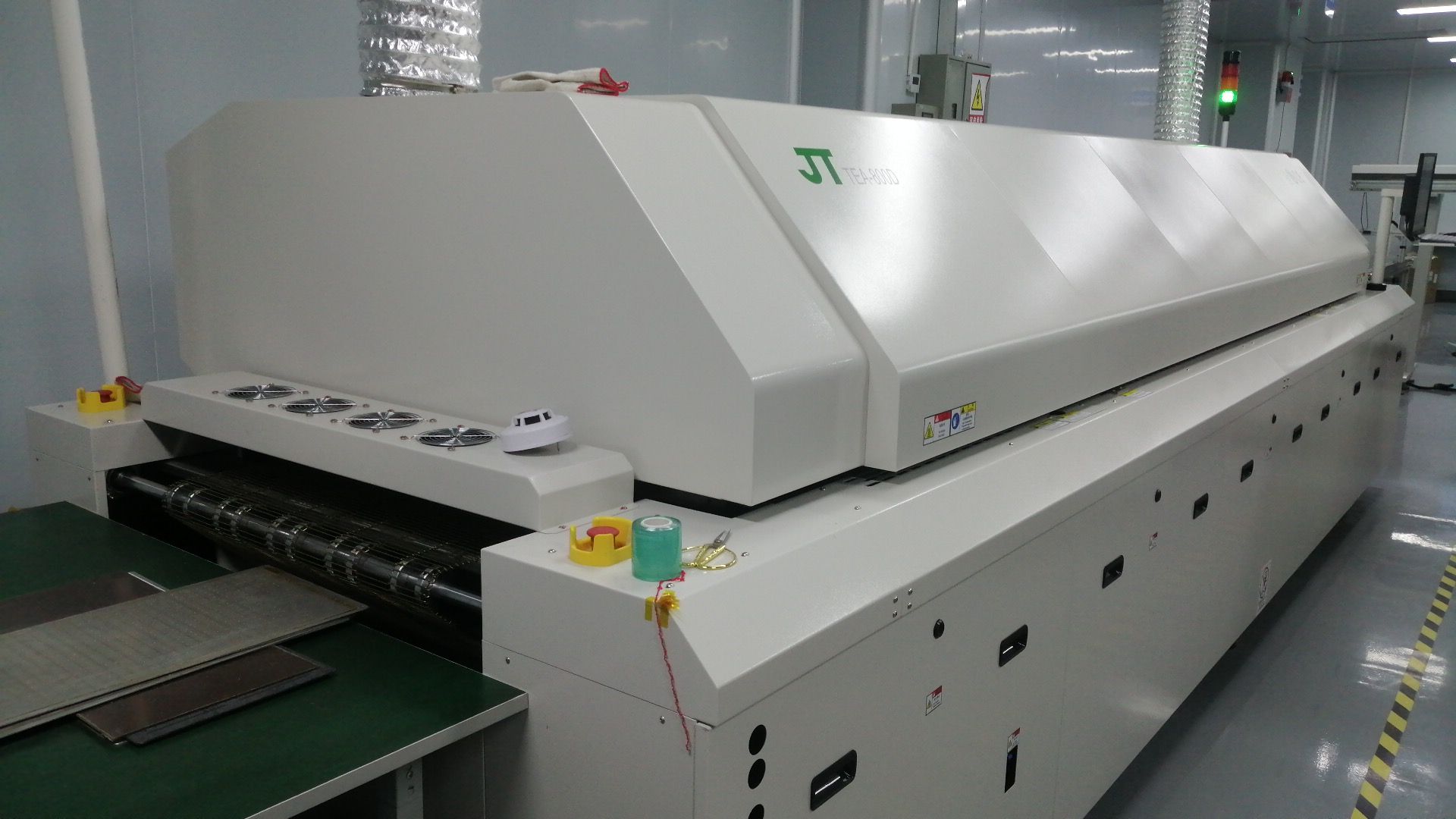 7. In-Line Testing
 8. Automated Cutting
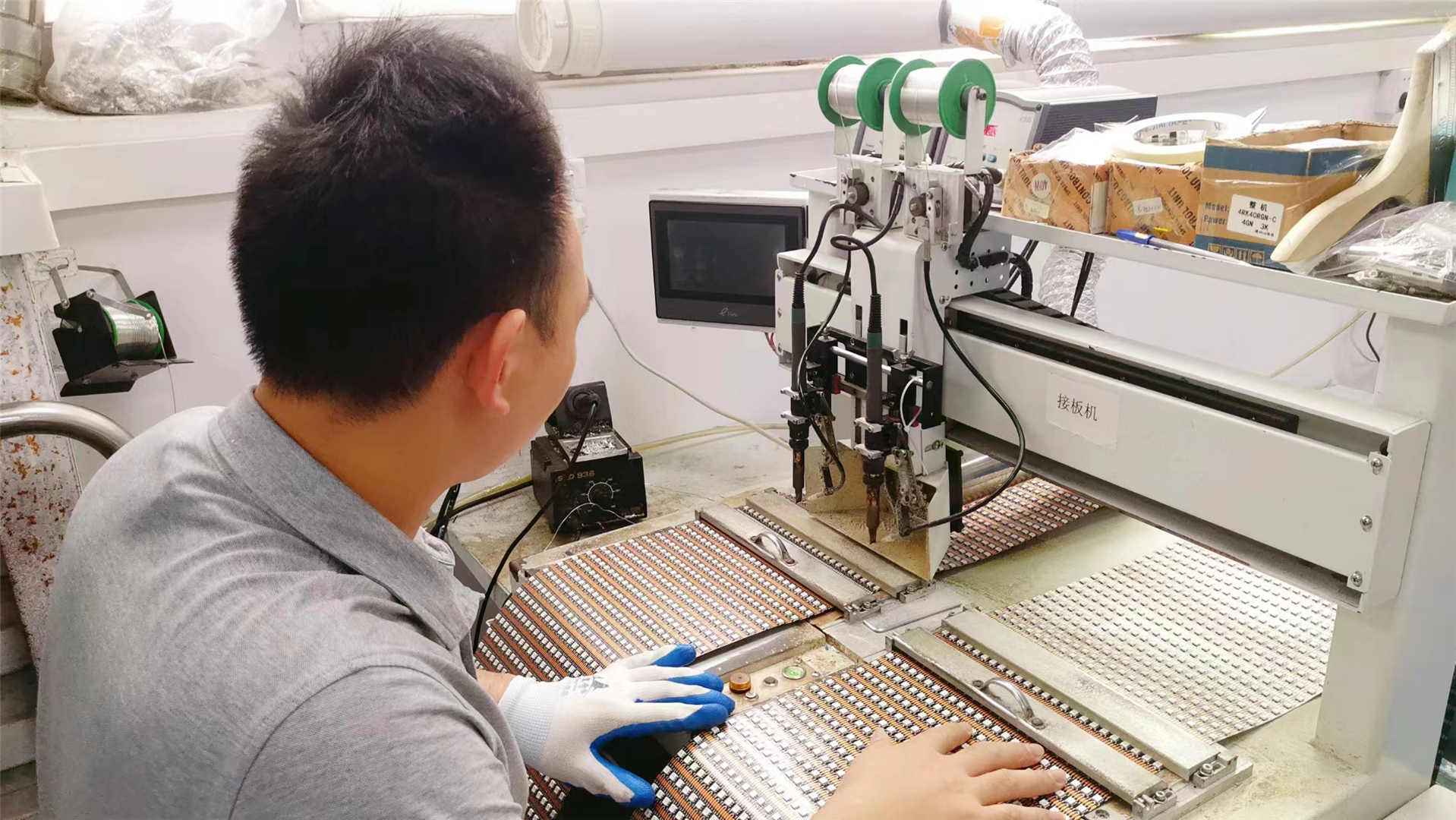 9. LED Soldering
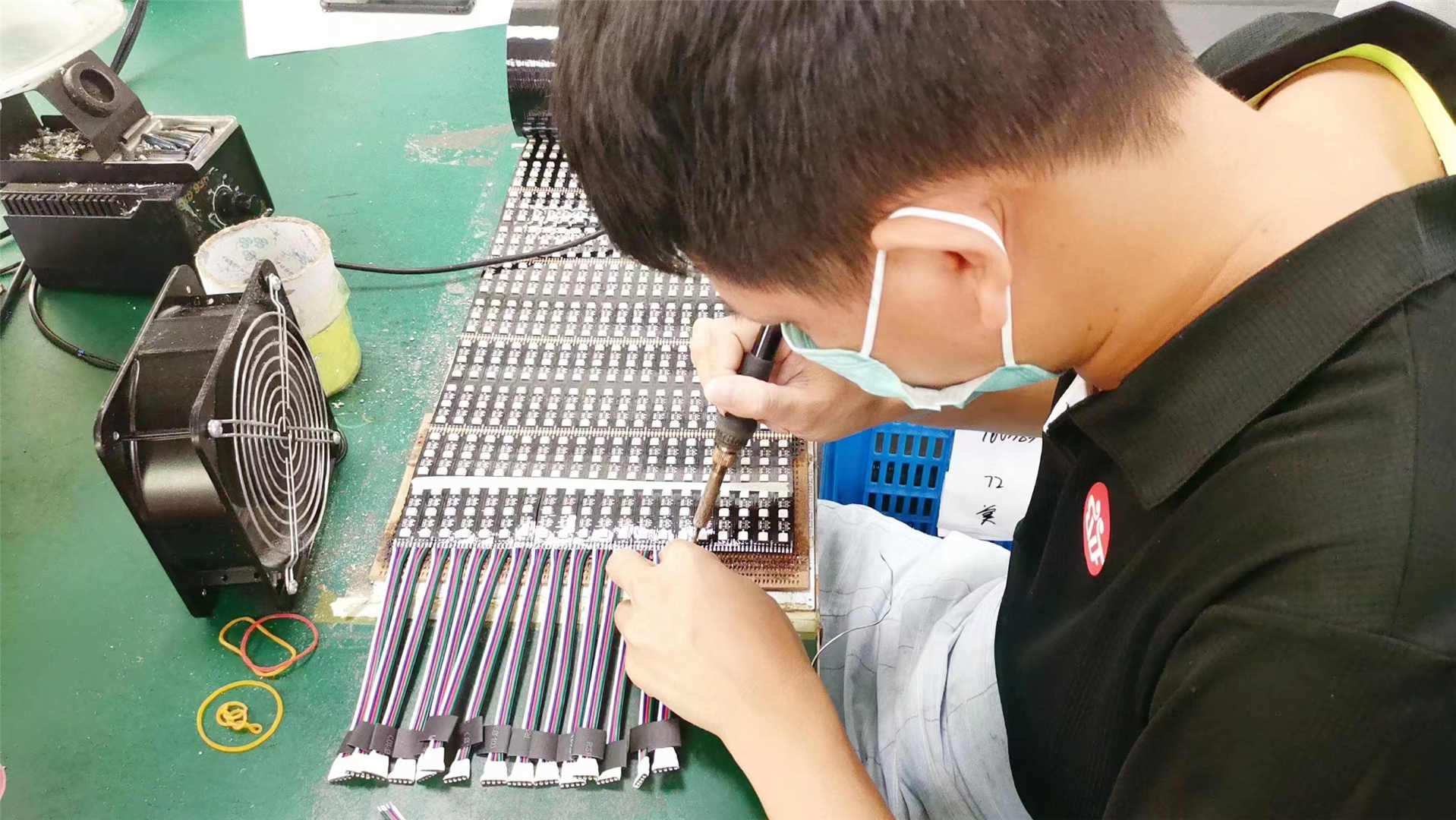 10. Wire Solder Assembly
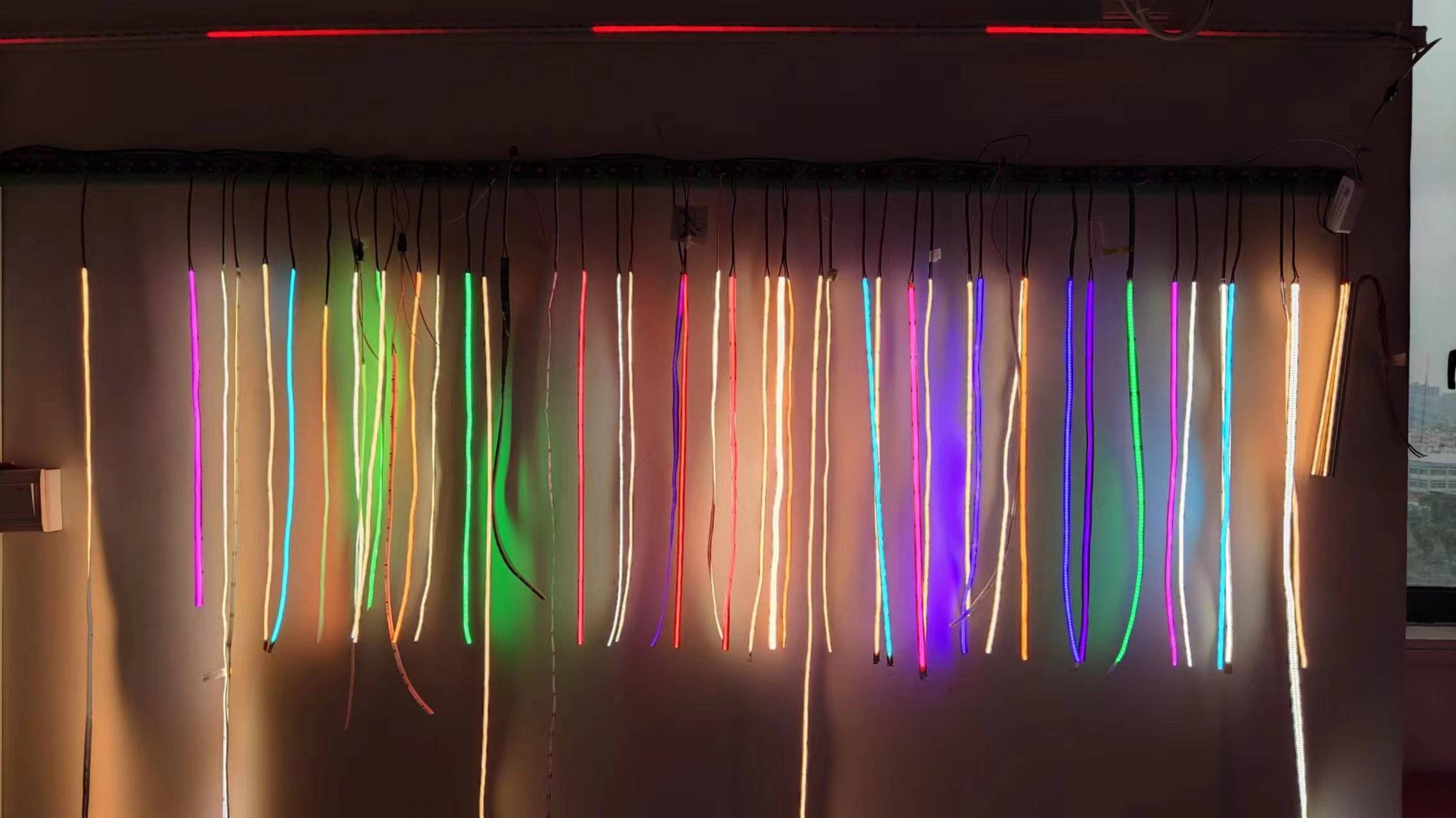 11. Burn-In Aging Test
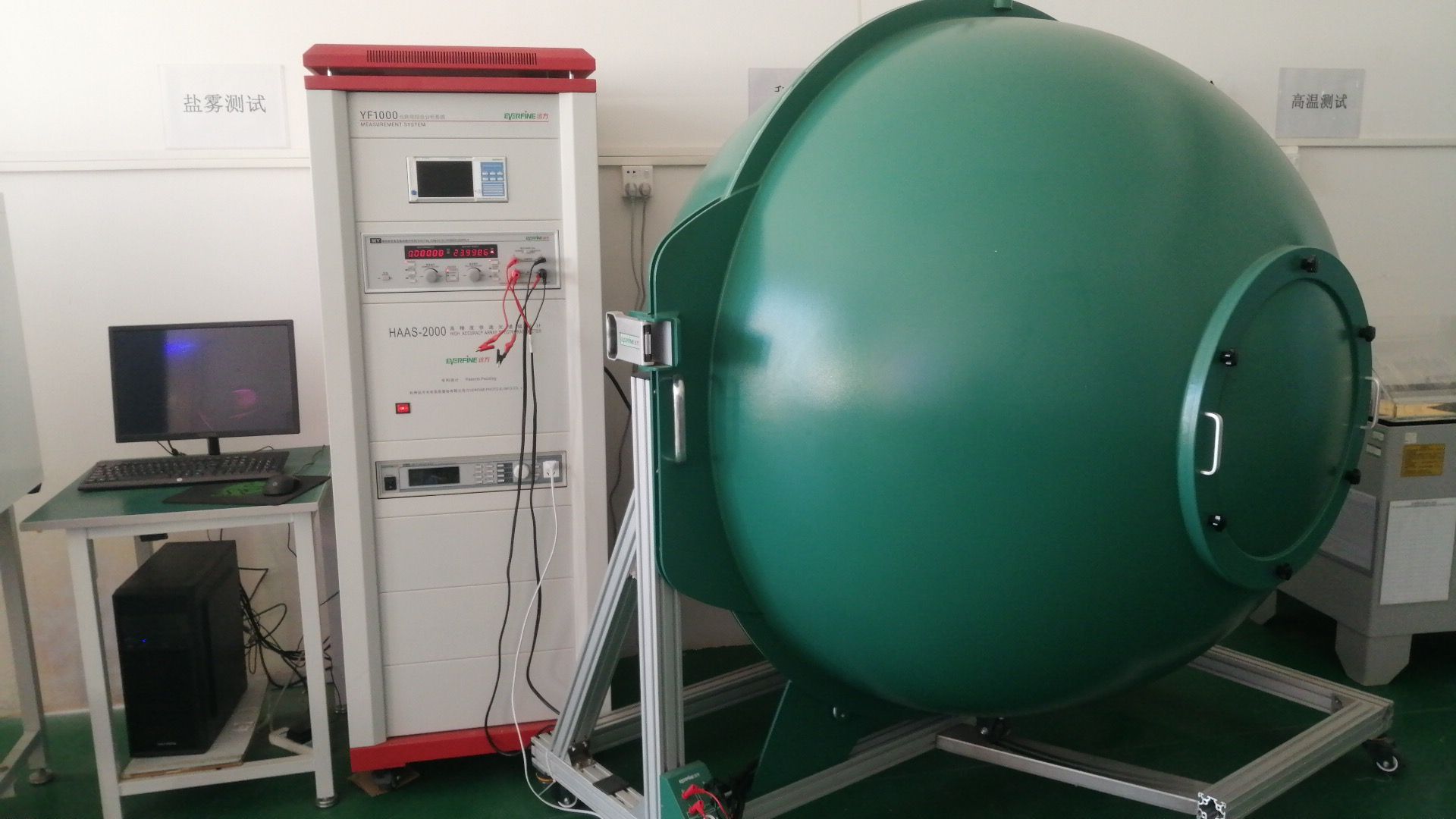 12. Integrating Sphere
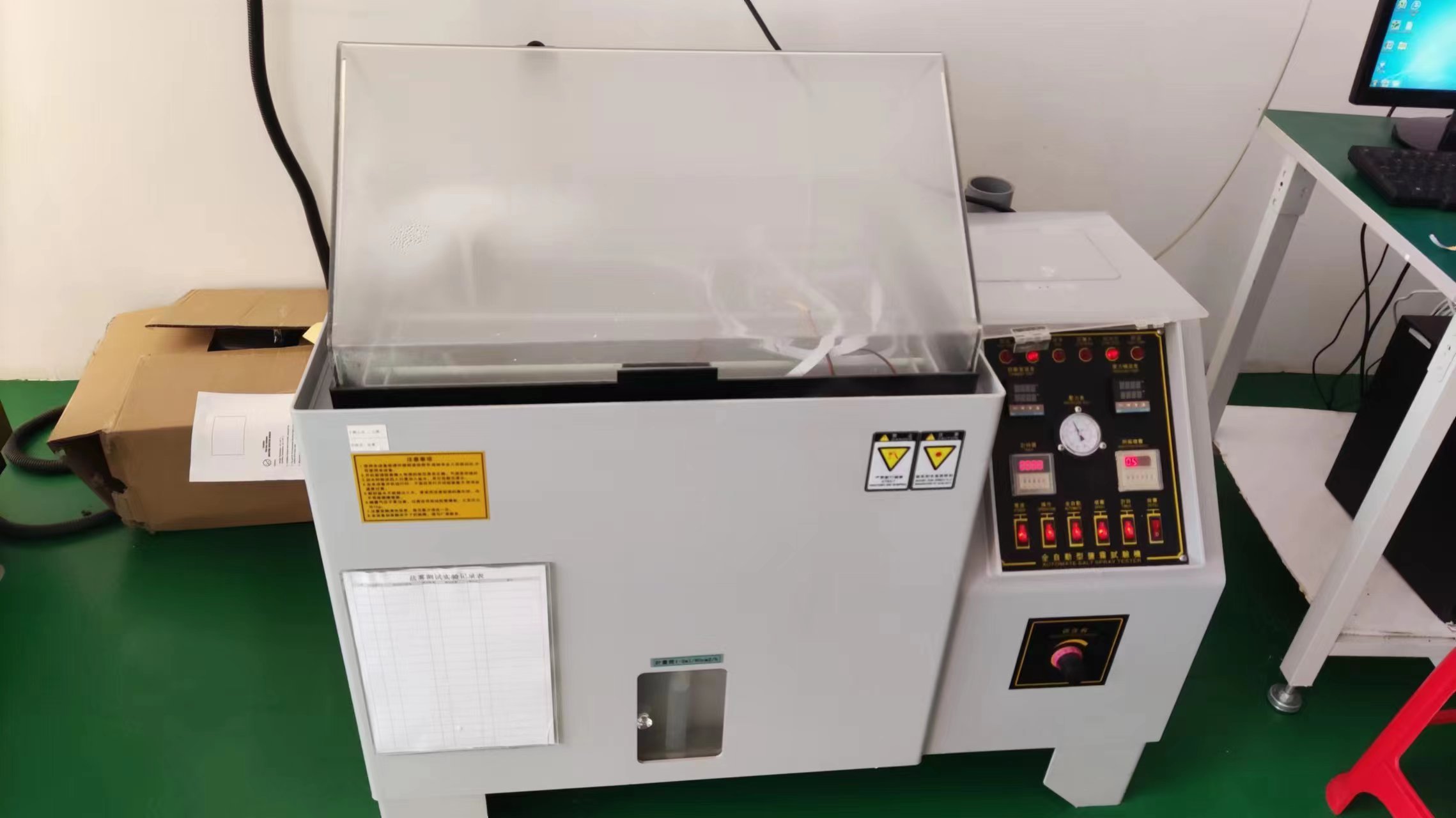 13. Salt Spray Lab
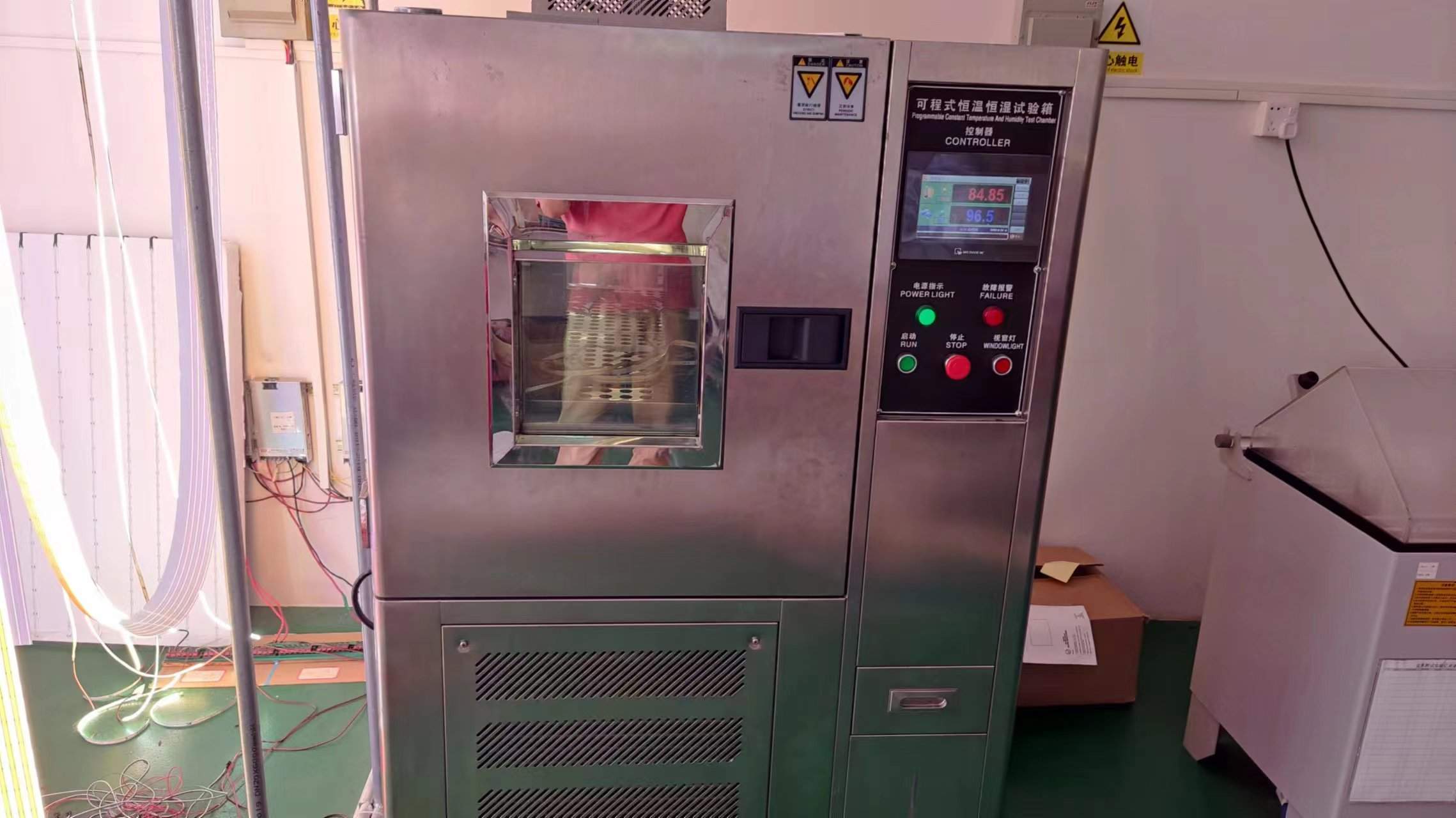 14. Humidity Chamber
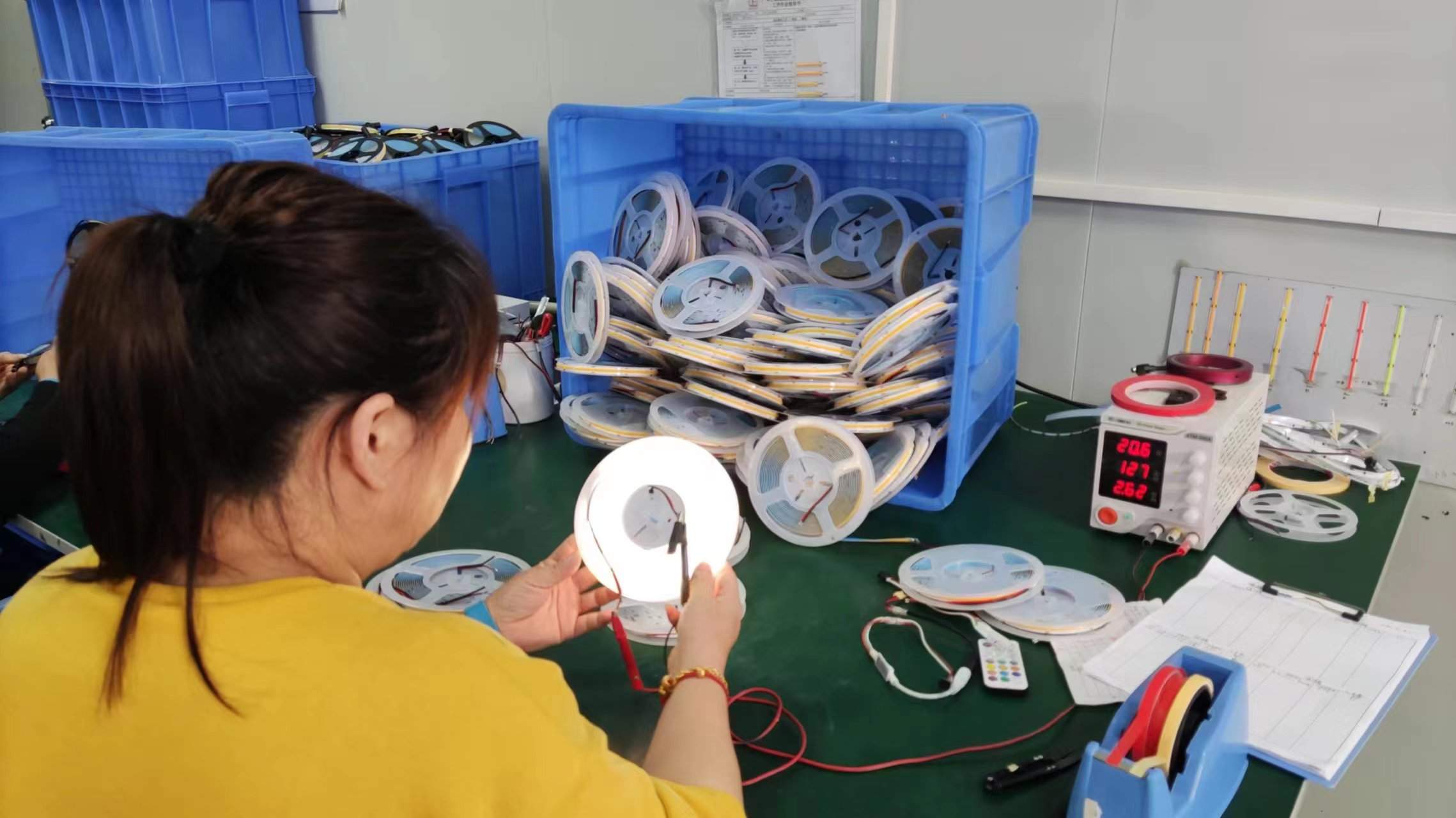 15. Final QC Check
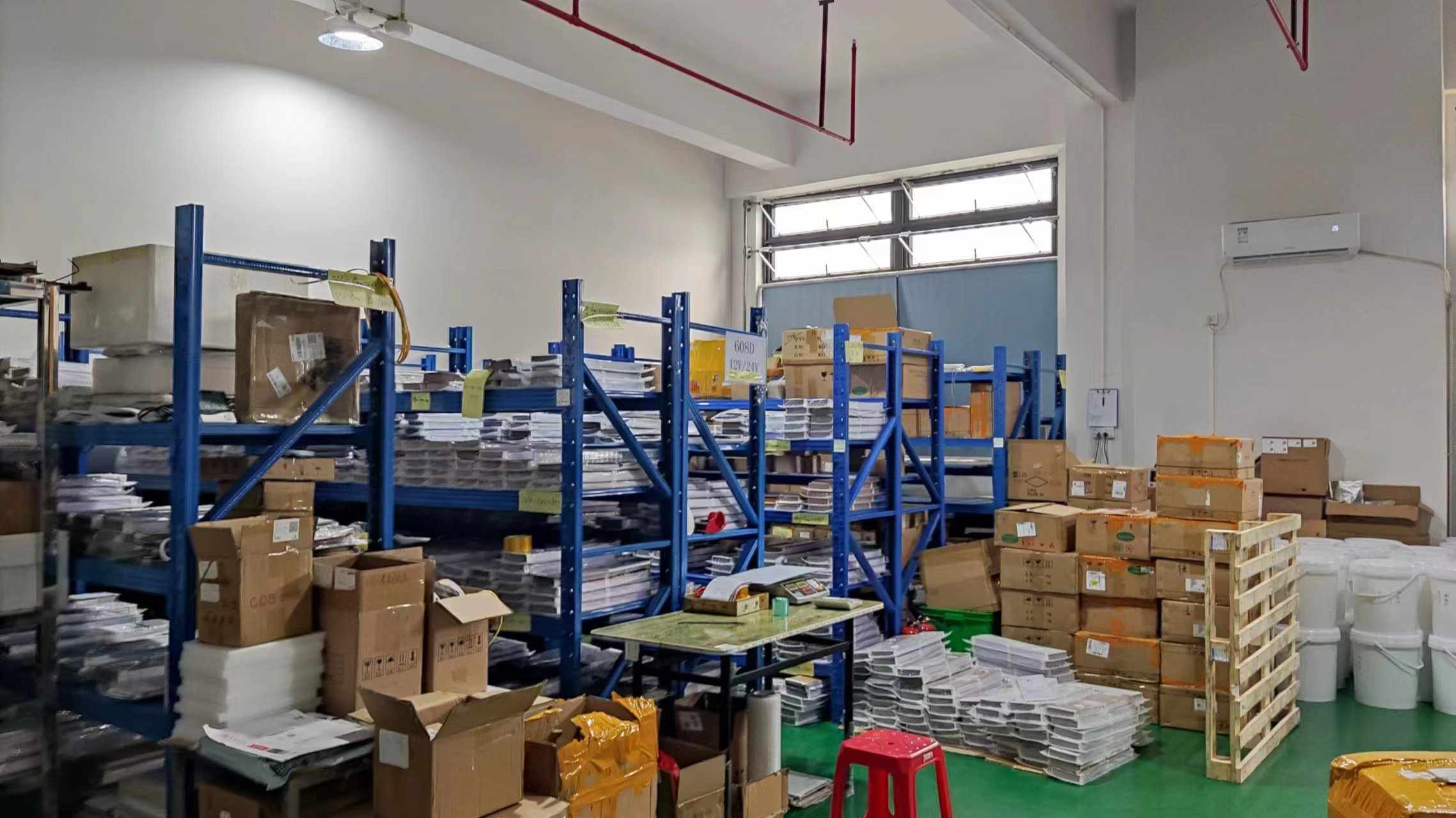 16. Finished Goods
6.2 Technical Equipment & Testing Capabilities
Quality reliability is enforced through advanced analytical machinery in our QA laboratory:
- Optical Integrating Spheres: Precision measurement of luminous flux (lumens), CCT color temperature, Chromaticity coordinates, and CRI (Ra/R9) color rendering index.
- Constant Temperature & Humidity Testing Chambers: Environmental thermal stress testing (-40°C to +85°C) to ensure silicone encapsulation and PCB traces do not crack under severe weather.
- Salt Spray Testing Machines: Accelerated corrosion resistance testing for outdoor IP67/IP68 waterproof silicone tubes and marine lighting applications.
- Wire Pull & Torque Strength Testers: Mechanical pull testing on connector solder pads and wire harnesses to eliminate field connection detachments.
- 100% Full-Load Burn-in Aging Racks: Every reel of addressable strip and every Tuya SPI controller undergoes a minimum of 4 to 8 hours of powered burn-in aging before final packaging.
6.3 Comprehensive OEM/ODM Sourcing Solutions
Whether you need private-label packaging for e-commerce distribution or custom PCB engineering for commercial architectural projects, Shenzhen Livdo Lighting Technology Co., Ltd. provides end-to-end technical support. Our engineering team assists with power supply calculation, controller channel configuration, wire harness customization, and regulatory certificate verification.