Factory Direct Portfolio
Featured Addressable LED Strips & Smart SPI Controllers
Directly manufactured by Shenzhen Livdo Lighting Technology Co., Ltd. Tested with 100% burn-in aging and verified for engineering consistency across global distribution channels.
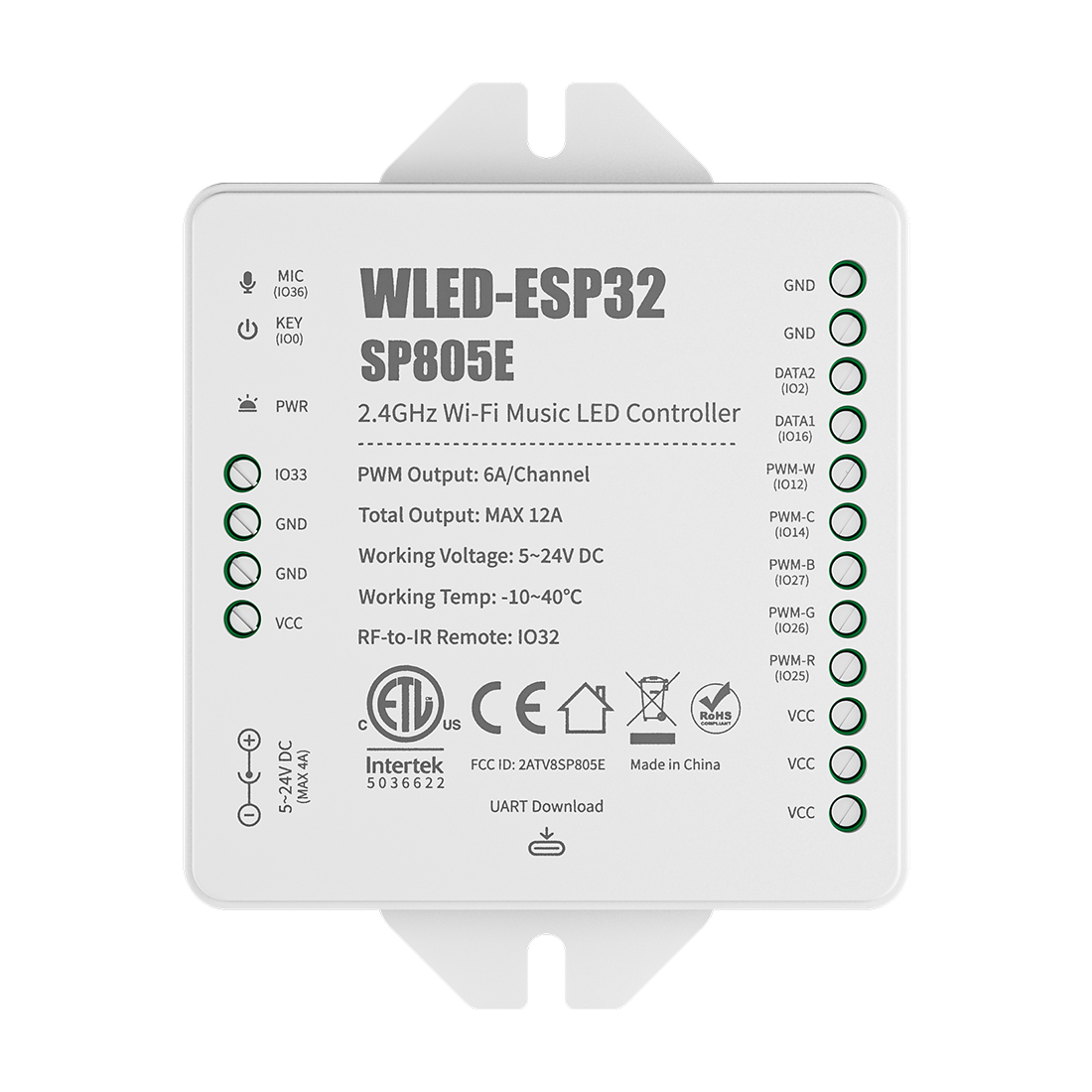
Similar SP803E SP805E Pixel Addressable WIFI APP Dynamic Lighting DIY USB-C Download ESP32 Controller
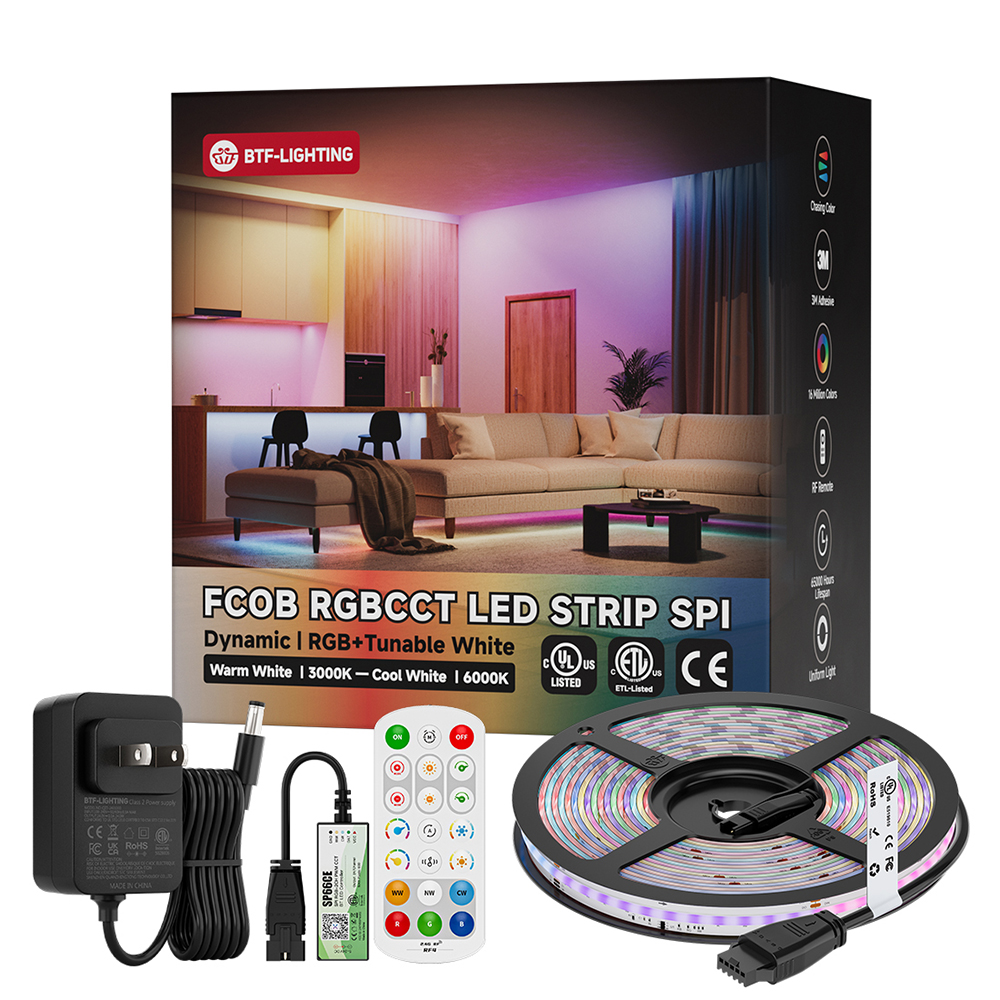
FCOB DC24V 600Leds/m SPI RGBIC PWM CCT 5PIN Flexible Seamless COB RGB CCT LED Strip Light
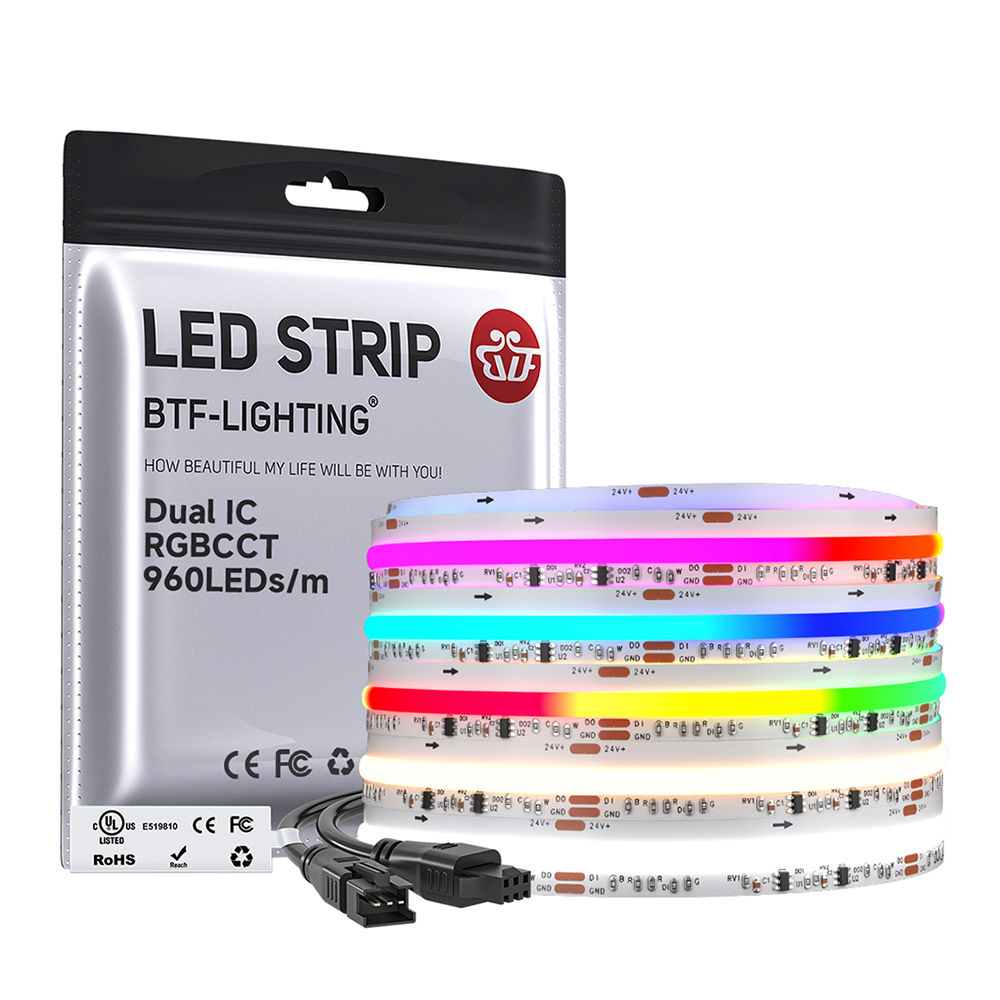
High Density FCOB DC24V 960Leds/m RGBCCTIC Dual IC WS2811 RGB CCT Addressable Digital LED Strip
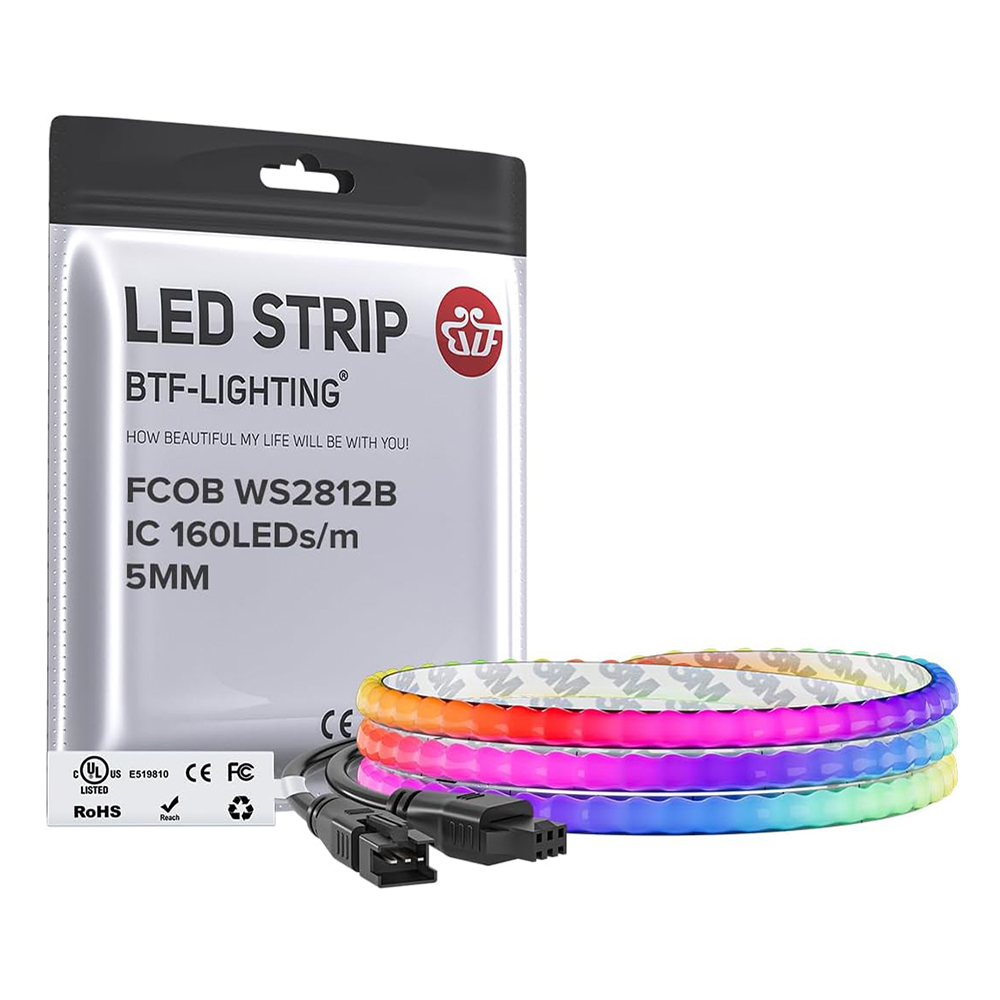
FCOB 5V 160Leds/m WS2812b-Type Individually Addressable Ultra Thin 5mm RGBIC SPI COB LED Strip
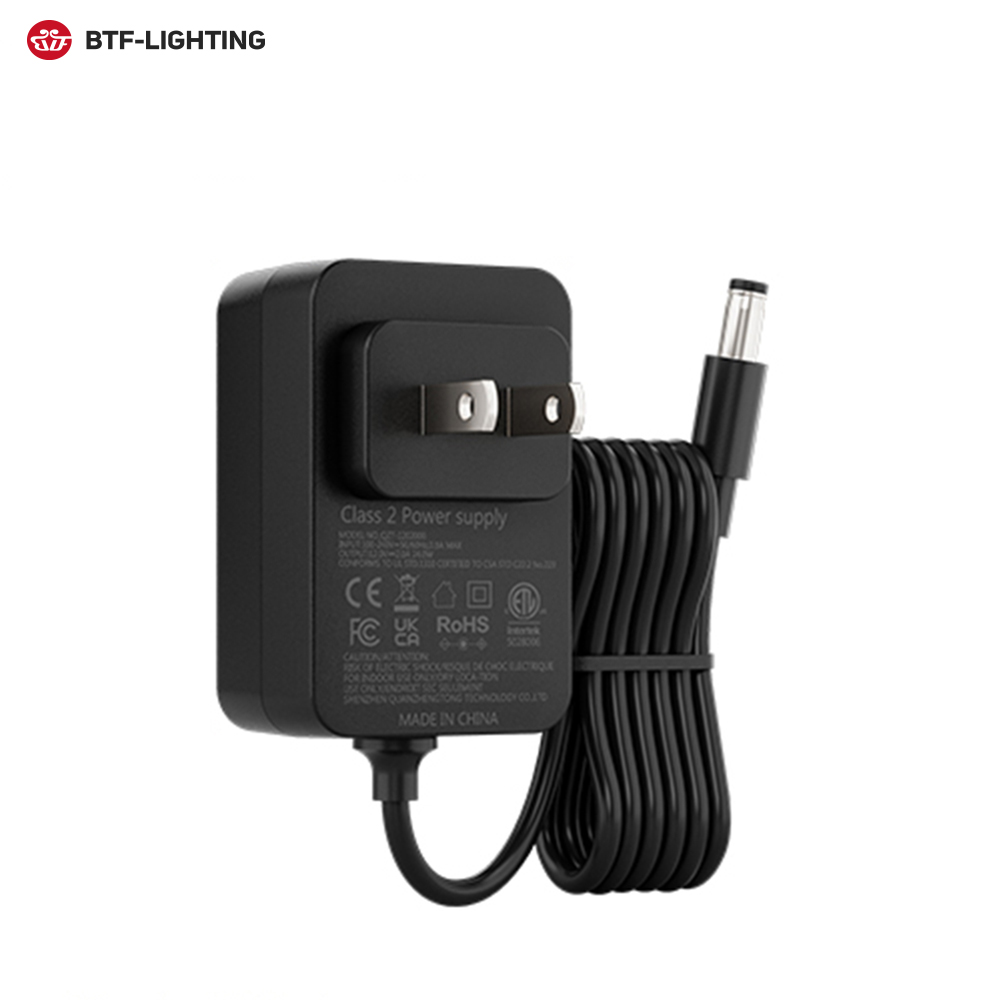
FCOB RGBW WS2814 WS2811 LED Strip Wall Plug EU US UK AU DC5V 3A 6A 8A 10A Power Supply Adapter
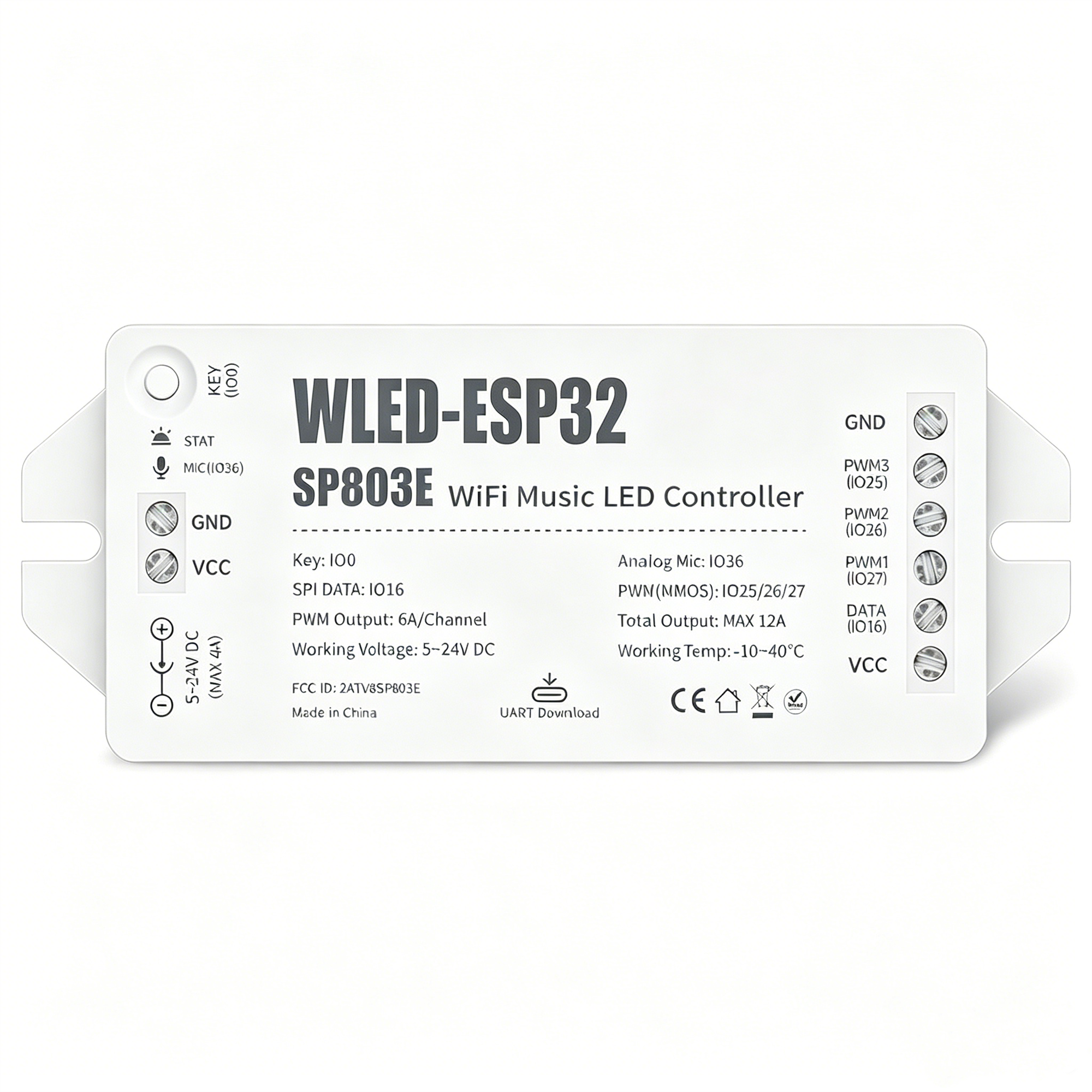
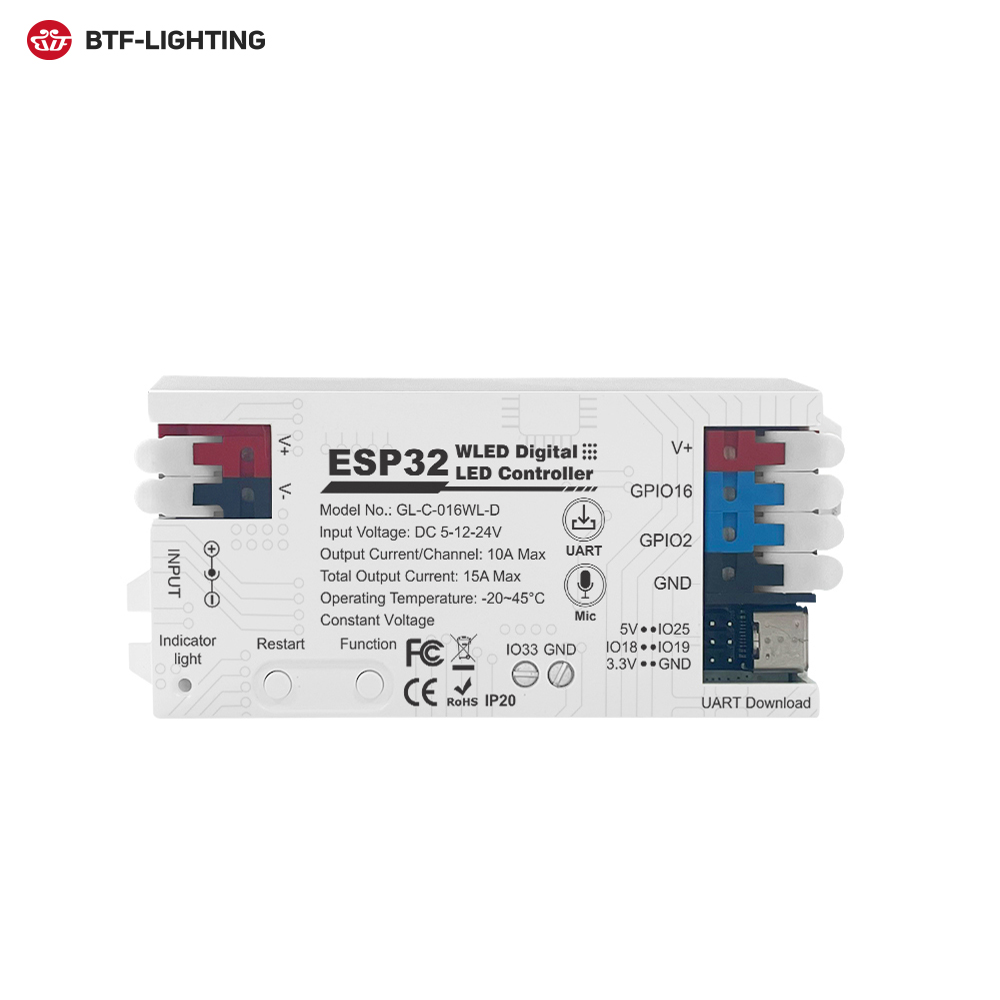
ESP-32 WLED SP803E WiFi Music Pixel Controller for Addressable Digital LED Strips
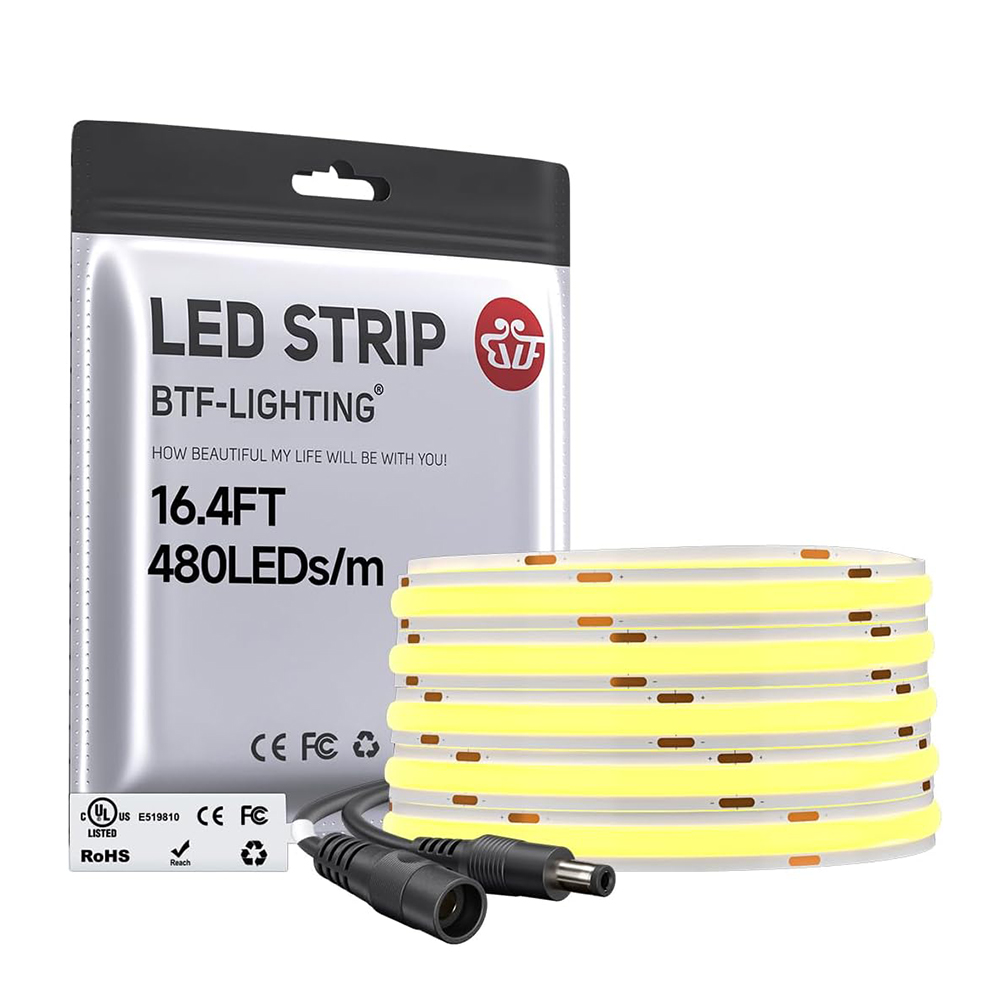
Home Decoration 5M 10M Tunable CCT DC24V 12V 3000K-6000K Dimmable COB Flexible LED Strip
Executive Whitepaper: Sourcing B2B Addressable LED Strips & Controllers from China
In modern linear and architectural illumination, digital addressable LED tape lights have evolved from simple decorative novelties into mission-critical components for commercial buildings, hospitality, luxury retail, gaming hardware, and smart-city facades. Sourcing these complex optoelectronic systems requires a deep understanding of integrated circuit (IC) signal protocols, PCB copper thickness, thermal management, optical density, and open-source control ecosystems.
As a senior lighting engineer and supplier directory strategist, this guide provides actionable procurement intelligence for global importers, lighting integrators, distributors, and brand owners seeking to partner with high-tier Chinese manufacturers. Shenzhen Livdo Lighting Technology Co., Ltd. serves as a prime case study of high-precision manufacturing, combining flip-chip on board (FCOB) innovations with advanced ESP32-based open-source digital control ecosystems.
2,053 m²
SGS Audited Facility
100%
Burn-In Aging QC
83+
Skilled Workforce
80%+
Export to NA & EU
Information Gain Key Takeaway for B2B Importers
Traditional Surface Mount Device (SMD) digital strips often suffer from hotspot pixelation and fragile wire bonds. Next-generation 24V FCOB SPI addressable strips eliminate optical diffusion gaps while reducing operating currents by 50%, drastically minimizing voltage drop and field service maintenance costs over a 50,000-hour operational lifecycle.
Verified Manufacturing Excellence
Why Shenzhen Livdo Lighting Leads the Addressable Ecosystem
Direct factory transparency, rigorous quality assurance, and end-to-end custom engineering capabilities established in Shiyan Street, Shenzhen.
SGS-Verified Manufacturing
Founded in 2014, our 2,053 m² production base undergoes rigorous onsite physical audits by SGS Group. We operate 3 automated high-speed SMT lines capable of handling ultra-thin 5mm flexible double-sided copper PCBs with high placement accuracy.
Full-Process Quality Assurance
Every meter of pixel strip and every smart controller undergoes 100% full-load burn-in aging tests. Quality control is verified using integrating spheres, constant temperature/humidity climate chambers, and salt-spray corrosion chambers for outdoor IP67 units.
Advanced OEM/ODM & WLED Integration
Over 7 years of OEM design service. We specialize in custom IC timing firmware, customized FPC trace layouts (up to 3oz electro-deposited copper), white/black PCB masks, custom reel lengths, private label packaging, and pre-flashed ESP32 WLED microcontrollers.
Engineering Protocol Analysis: WS2811, WS2815, SK6812, WS2814 & FCOB SPI
A frequent pain point for B2B lighting integrators is selecting the correct digital IC protocol for a given architectural scenario. Signal drop, clock skew, color shifting, and single-pixel failure points can halt large-scale installations. The comparison matrix below outlines the electrical and physical parameters critical for project specification:
| IC Protocol / Model | Working Voltage | Signal Bus Architecture | Control Resolution | Color Channel Capability | Key Engineering Advantage |
|---|---|---|---|---|---|
| WS2811 (External/Integrated) | DC12V / DC24V | Single Data Line (NRZ) | 1 IC controls 3 or 6 LEDs | RGB / RGBCCT | Low current draw; best for long-distance architectural runs. |
| WS2812B (Integrated) | DC5V | Single Data Line | Individual Pixel Level | RGB (3-Channel) | Industry standard for high-density DIY and short matrix displays. |
| WS2815 (Dual Signal) | DC12V | Data + Backup Data (Break-Resume) | Individual Pixel Level | RGB (3-Channel) | Continuous signal transmission; single dead LED does not break chain. |
| WS2814 (4-Channel) | DC12V / DC24V | Single Data Line | Pixel/Segment Addressable | RGBW / RGBCCT (4/5-Channel) | Combines vibrant dynamic pixel motion with dedicated true warm/cool white. |
| SK6812 RGBW | DC5V / DC12V | Single Data Line | Individual Pixel Level | RGBW (Dedicated White) | High refresh rates with precise color rendering (CRI > 90 white chip). |
| FCOB SPI RGBIC | DC12V / DC24V | Single Data / SPI Sync | Multi-Chip COB Segment | RGBIC / RGBCCTIC | 180° beam angle, zero hotspots, seamless linear illumination. |
Voltage Drop Engineering & Power Injection Principles
When engineering long addressable runs (e.g., hotel atrium coves, outdoor stadium outlines), voltage drop is the primary cause of thermal overload and color distortion (where white shifts to dull yellow or red at the tail end). Mathematically, voltage drop ($\Delta V$) is dictated by Ohm's Law:
$\Delta V = I \times R = \left(\frac{P}{V}\right) \times \left(\frac{\rho \cdot 2L}{A}\right)$
Because current ($I$) is inversely proportional to voltage ($V$) for a given power load ($P$), choosing a 24V FCOB addressable system reduces the total bus current by 75% compared to a 5V system. Consequently, 24V addressable strips can maintain uniform brightness over 10-meter continuous runs with single-end power feeding, whereas 5V WS2812B strips require external power injection every 2.5 to 5 meters.
Industry Intelligence
Future Procurement Trends in Addressable LED Lighting
Key technological shifts that global buyers and importers must anticipate when planning inventory and product lines over the next 3 to 5 years.
1. Paradigm Shift from SMD to FCOB SPI
Traditional discrete SMD 5050 and 3535 LEDs leave unlit gaps between diodes, demanding heavy plastic profile diffusers. High-density FCOB (Flip-Chip on Board) strips pack 600 to 960 micro-dies under a continuous phosphor silicone layer. Sourcing FCOB SPI strips eliminates dark spots entirely in modern rimless architectural profiles.
2. Rise of Open-Source ESP32 WLED Controllers
Proprietary closed-loop IR/RF remotes are rapidly giving way to open-source ESP32 firmware ecosystems such as WLED. Commercial buyers now demand controllers (like SP803E/SP805E) equipped with built-in microcontrollers, Type-C UART flashing ports, integrated microphones for real-time sound sync, and native MQTT/Home Assistant IoT integration.
3. Breakpoint Resume & Dual-Signal Redundancy
Commercial installations cannot afford dead sections caused by a single broken bond wire. Dual-signal protocol ICs (WS2815, GS8208) utilize a backup data line ($BIN$) that bypasses any defective pixel, automatically routing control data to subsequent pixels without display interruption.
Product Development & Manufacturing Evolution
The manufacturing landscape for flexible LED strips in Shenzhen is advancing toward miniaturization, higher color fidelity, and structural durability:
- Ultra-Thin Form Factors (5mm & 8mm PCBs): Custom 5mm width FCOB SPI RGBIC strips are engineered for micro-recessed furniture channels, automotive interiors, and slim signage edge-lighting where standard 10mm or 12mm tape cannot fit.
- Multi-Channel Color Mixing (RGBCCTIC): Modern buyers demand full dynamic color movement (RGBIC) paired with tunable white color temperature (2700K to 6500K) on a single strip. Dual-IC 960 LEDs/m RGBCCT COB strips satisfy both task white lighting and dynamic accent effects in one SKU.
- Automated SMT & Solderless Copper Joints: Advanced SMT lines now utilize continuous 10-meter or 50-meter reel-to-reel processing without manual 50cm solder joints, improving mechanical flexibility and tensile strength during installer pull-throughs.
- ETL, CE, UKCA & FCC Safety Compliance: To clear Western customs without delay, controllers and power supplies must carry verified ETL, CE, and RoHS certifications. Livdo Lighting provides tested documentation for B2B import compliance.
Procurement Guide
Frequently Asked Questions for Wholesale Sourcing
Direct technical and commercial answers addressing common importer inquiries prior to placing OEM/ODM production orders.
What is the Minimum Order Quantity (MOQ) for wholesale and custom LED strip orders?
For standard stock products (e.g., FCOB SPI strips, WS2812B/WS2815 reels, and standard controllers), MOQ starts from as low as 2 to 5 rolls (5m per roll) or 1 to 5 pieces for sample evaluation. For custom OEM projects involving bespoke FPC PCB widths, private logo printing, customized CCT binning, or specific IP67 silicone extrusion, MOQ is typically 500 to 1,000 meters per model.
How does FCOB addressable tape differ fundamentally from traditional SMD addressable tape?
FCOB (Flip-Chip on Board) mounts bare micro LED dies directly onto the flexible copper circuit board, covered by a uniform phosphor gel layer. This achieves extremely high LED counts (480 to 960 chips/m) without space between diodes, creating a seamless line of light without diffusers. SMD tape uses packaged LEDs (like 5050 or 2835) placed at wider intervals, which often create visible hot spots inside shallow aluminum profiles.
Which addressable IC protocol is recommended for large-scale architectural projects?
For long continuous runs where signal reliability and lower current draw are paramount, 24V WS2811 or 24V FCOB SPI strips are ideal due to reduced voltage drop. For high-reliability environments where pixel failure must not disrupt the display (e.g., TV studios, commercial facades), 12V WS2815 or GS8208 with dual-data backup lines is strongly recommended.
Are your smart LED controllers pre-flashed with open-source ESP32 WLED firmware?
Yes. Our SP803E, SP805E, and related ESP32 smart controllers support native open-source WLED firmware. They feature USB Type-C CP2102/CH340 UART interfaces for effortless user flashing, integrated microphones for sound reactivity, and dual SPI/PWM output channels capable of driving over 2,000 pixels at high refresh rates.
What certifications and test reports are provided for European and North American customs clearance?
Our product series hold CE, RoHS, FCC, UKCA, and PSE compliance reports. Select smart controller models are ETL Listed for North American commercial safety regulations. Furthermore, Shenzhen Livdo Lighting Co., Ltd. is verified onsite by SGS Group, and official audited factory reports are available upon request.
What are the lead times, payment terms, and export shipping options?
Standard sample orders ship within 3 to 5 business days. Mass production lead time is typically 10 to 15 business days depending on volume. We accept T/T, L/C, PayPal, and Western Union in USD, EUR, or CNY. Shipping options include EXW, FOB Shenzhen, CFR, CIF, and express air freight (DHL/FedEx/UPS).