Recommended OEM Lighting & Control Solutions
Explore our factory-direct selection of constant voltage flexible LED strips, intelligent SPI/PWM wireless controllers, and high-density FCOB engines tailored for commercial and OEM integration.
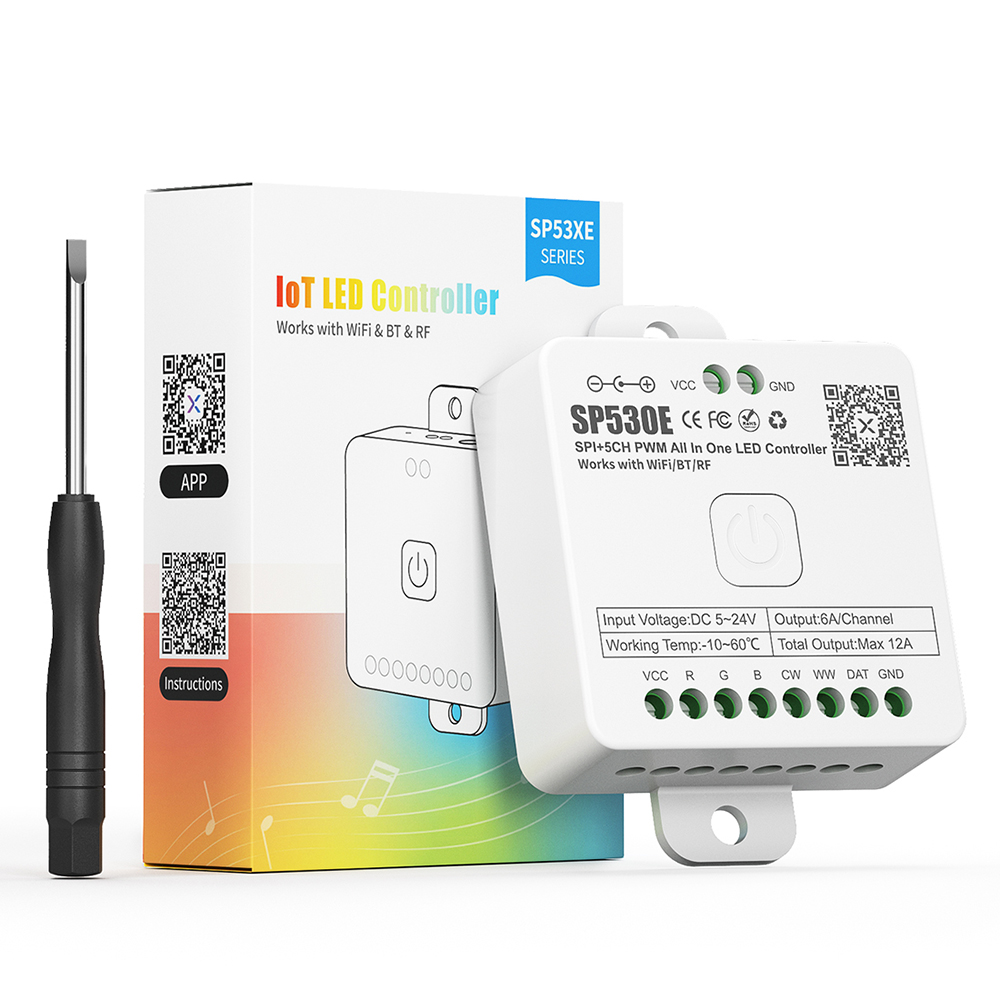
SP530E All in One LED Controller Wifi Alexa Google Home 5CH PWM SPI Pixels WS2811 WS2812B SK6812 FCOB LED Strip Light Controller
View Product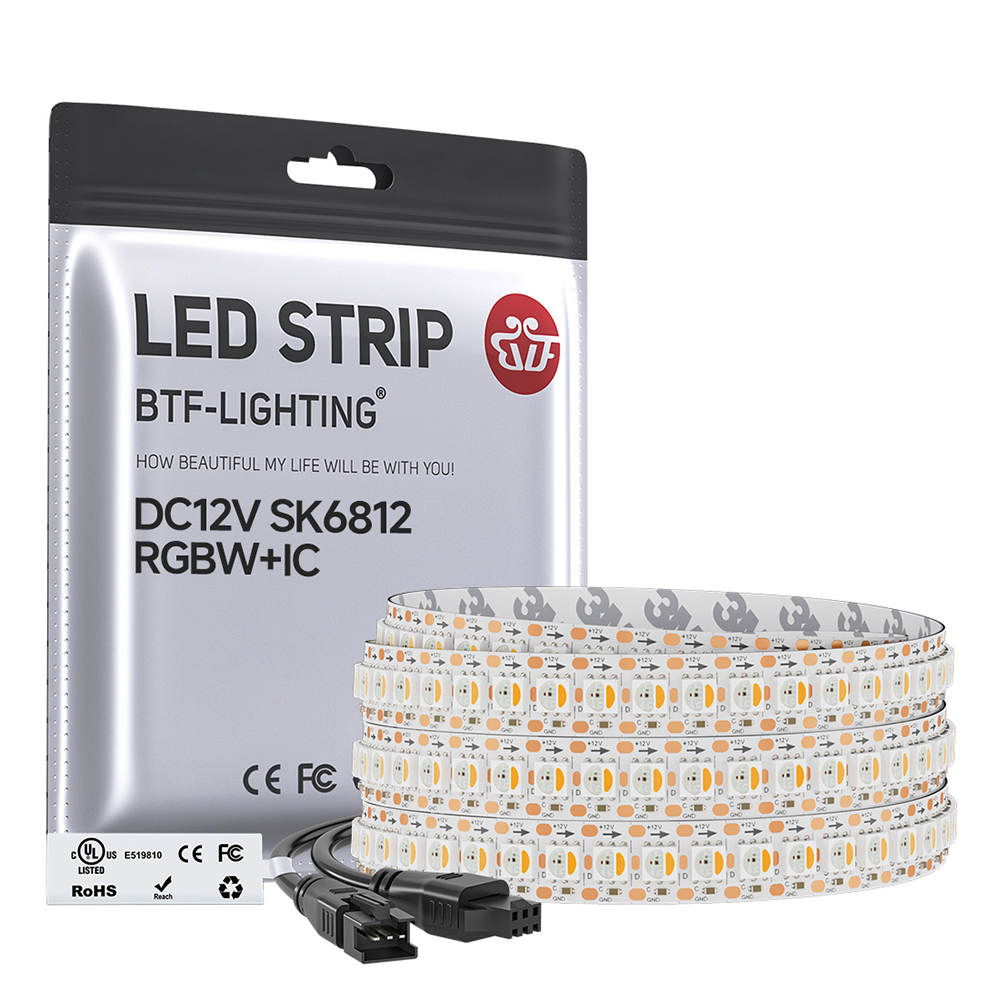
New Hot Popular Addressable Individual RGBWW RGBNW RGBCW 144Ledm SK6812 12V RGBW
View Product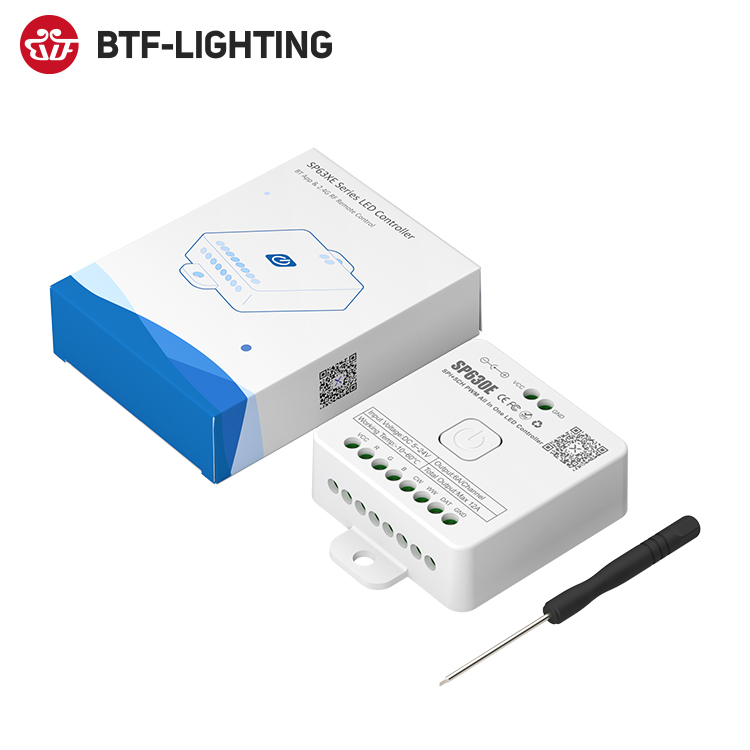
SP630E SPI PWM All in One Blue Tooth Music Led Controller WS2811 SK6812 Pixel SMD5050 RGB RGBW CCT COB Led Strip Controller
View Product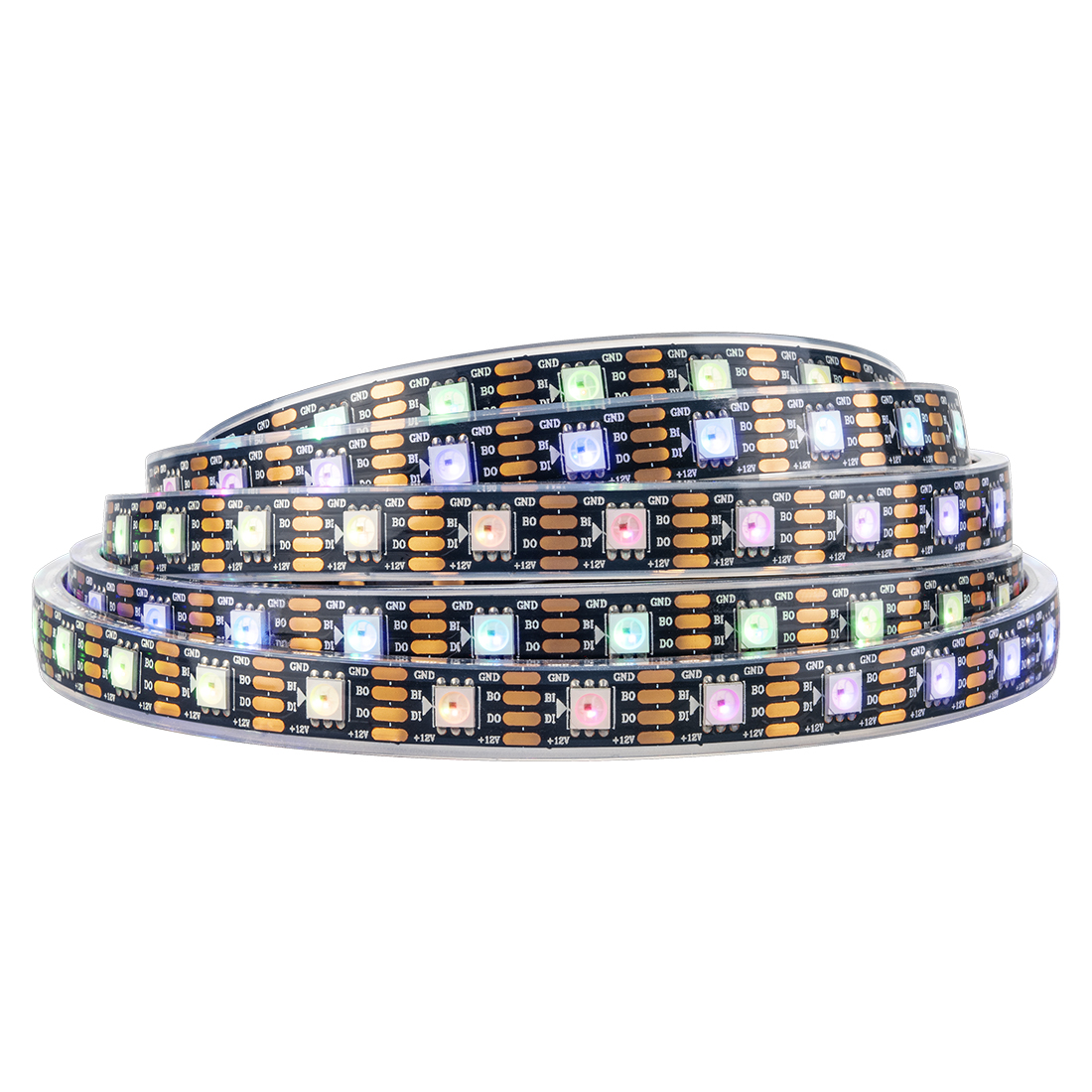
BTF-LIGHTING IP68 Waterproof Outdoor 12V 5m 60leds/m WS2815 RGB Individually Addressable 5050SMD Dual Signal LED Pixel Strip
View Product
Tuya WiFi Alexa Google Home Voice Singer Color CCT RGB RGBW RGBCCT Dimmer LED Light Strip Controller
View Product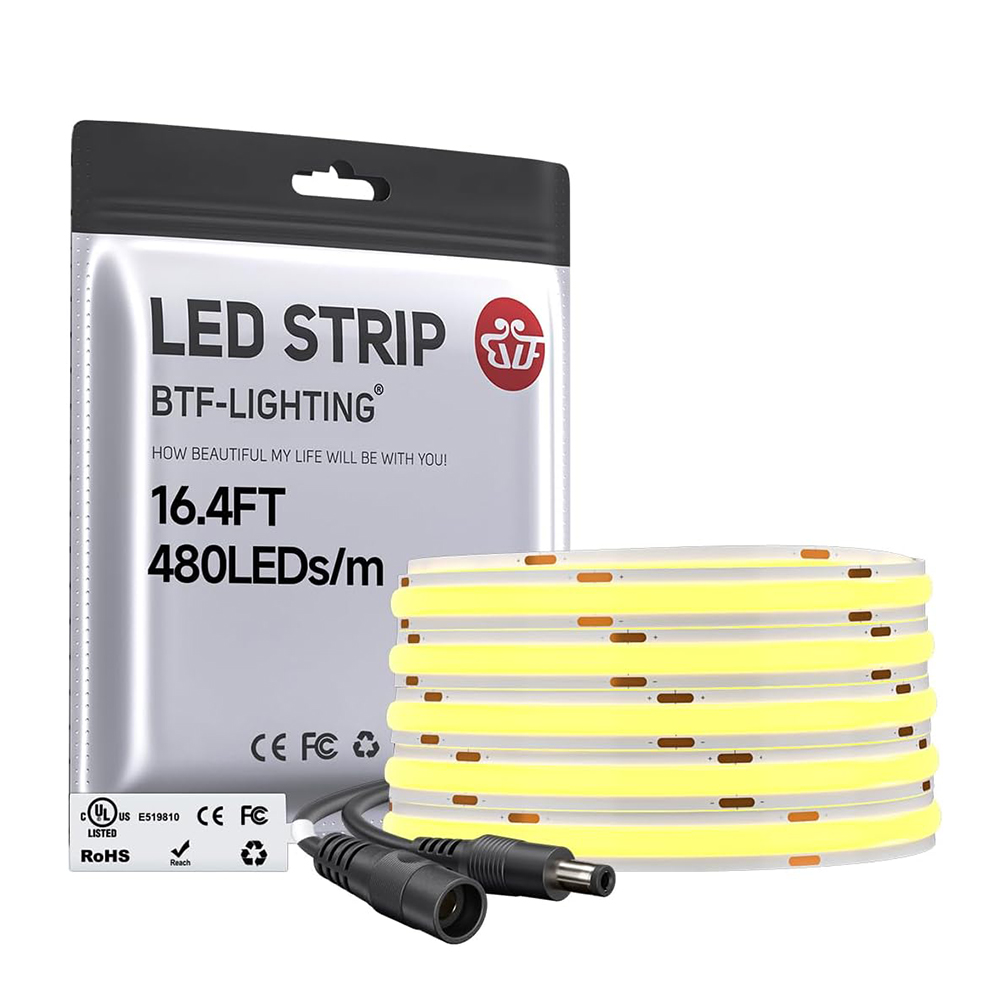
Home Decoration 5M 10M 360Leds 480Leds 528Leds Tunnable DC24V 12V 6000K 4000K Warm White 3000K Dimmable Cob Led Strip
View Product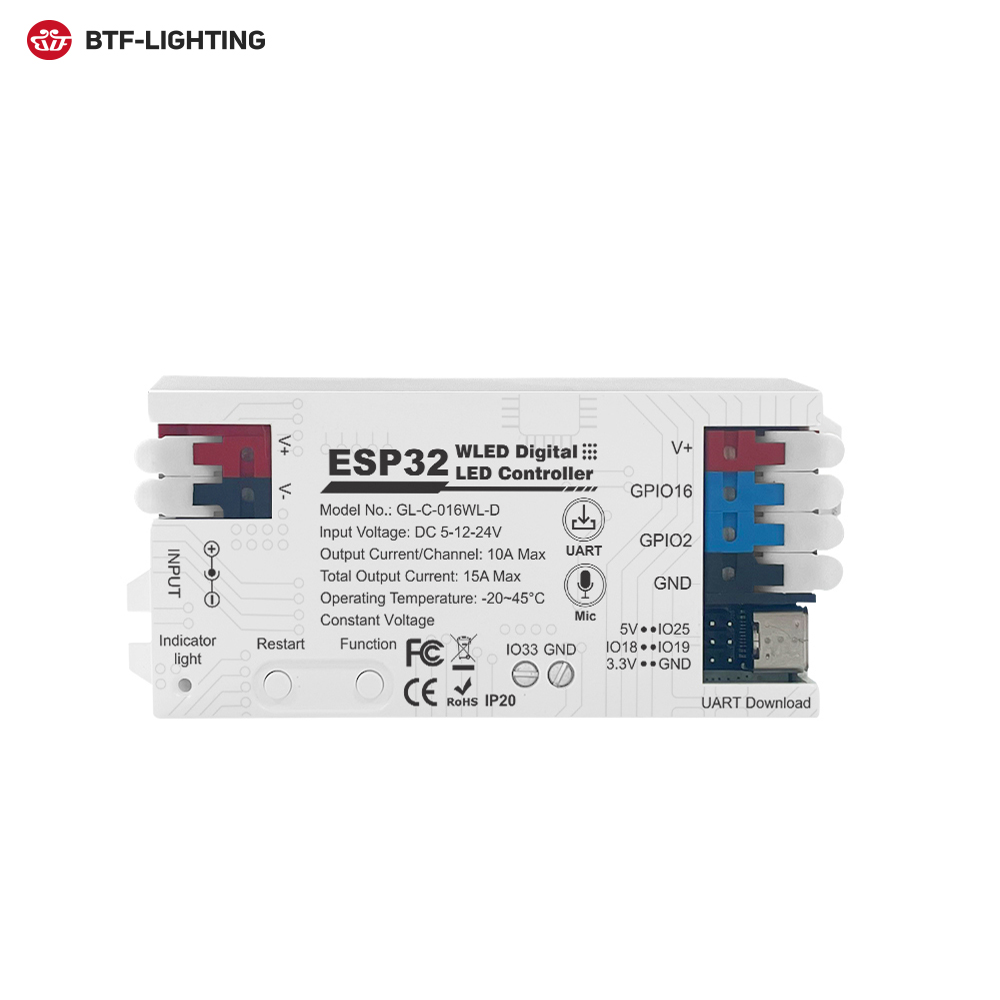
Similar SP803E SP805E Pixel Addressable WIFI APP Dynamic Lighting DIY USB-C Download ESP32 Digital WLED LED Controller
View Product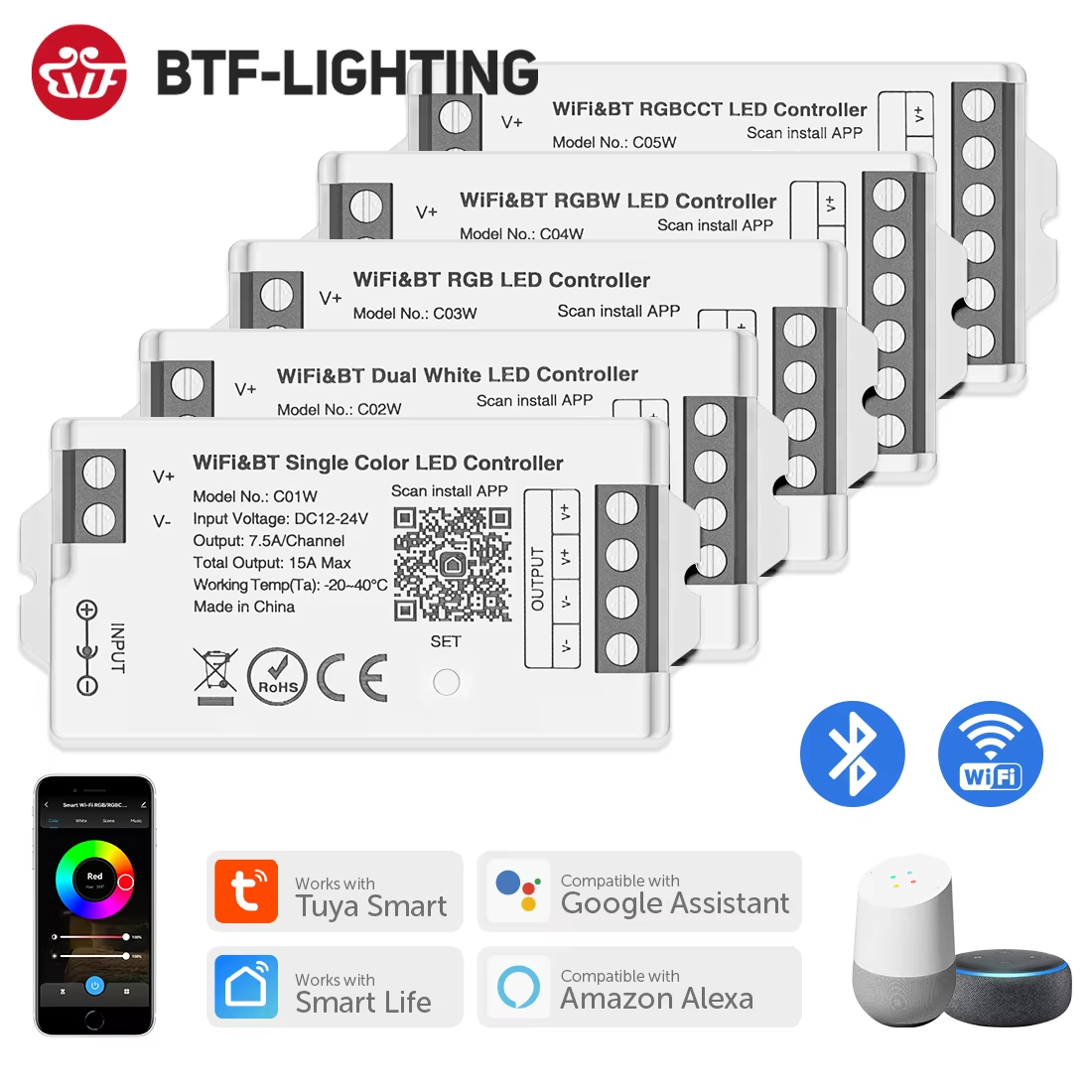
Tuya WiFi Alexa Voice Google Home CCT RGB RGBW RGBCCT Dimmer LED Blue Tooth Light Strip Controller
View ProductWhy Global Importers & Integrators Trust Shenzhen Livdo
SGS Onsite Verified Supplier
Our 2,053 m² facility, modern SMT pick-and-place lines, testing equipment, and 83 specialized staff members undergo rigorous annual onsite audits by SGS Group.
Full OEM & ODM Customization
From custom double-sided 3oz copper FPC routing, specialized CCT binning, bespoke packaging, to custom firmware development for WiFi/Bluetooth/Zigbee controllers.
International Market Compliance
Complete documentation packages supplied per order, including CE, RoHS, FCC, UKCA, PSE, and ETL certifications to ensure smooth customs clearance globally.
Engineering White Paper: Constant Voltage LED Strip Architecture & Procurement Guidelines
As modern architectural and commercial lighting moves toward continuous, seamless illumination and dynamic digital lighting control, Constant Voltage (CV) flexible LED strips remain the primary foundation for linear fixtures, cove lighting, cabinetry, and outdoor facades. Sourcing high-reliability LED flexible strips requires an in-depth understanding of electrical engineering principles, thermal dissipation properties, LED chip encapsulation methods, and digital protocol compatibility.
1. Constant Voltage (CV) vs. Constant Current (CC) Engineering Dynamics
In low-voltage linear LED applications, the circuit design dictates both long-term reliability and physical installation constraints. A Constant Voltage system operates on a fixed direct current supply—typically 12V DC or 24V DC—where current limiting is handled by surface-mount resistors or integrated micro-current ICs placed along parallel-connected cuttable segments.
While Constant Current (CC) designs are preferred for long, continuous single-feed linear runs exceeding 15 meters (to prevent internal voltage drops), Constant Voltage flexible LED strips offer unmatched operational flexibility for distributors and installers. CV strips allow field technicians to cut the tape at short, precise intervals (such as every 25mm, 50mm, or 100mm) without breaking the circuit loop, making them ideal for custom architectural cabinetry, backlit signage, and modular decorative installations.
| Electrical Parameter | 12V DC Constant Voltage | 24V DC Constant Voltage | Constant Current Integrated (CC) |
|---|---|---|---|
| Typical Cut Length | 25mm – 50mm (Short) | 50mm – 100mm (Medium) | 100mm – 125mm (Fixed) |
| Max Single-Feed Run | 5 Meters | 10 Meters | 15 – 20 Meters |
| Resistive Loss ($I^2R$) | Higher (Higher current flow) | 75% Lower than 12V | Minimal across entire PCB length |
| Primary OEM Application | Automotive, DIY Kits, Retail Display | Architectural Coves, Wall Washers | Long Airport & Mall Linear Profiles |
| Driver Compatibility | Standard CV Switching Driver | Standard CV Switching Driver | Dedicated CC or Voltage-Regulated CV |
2. Flexible Printed Circuit (FPC) & Thermal Management
The lifetime and lumen maintenance ($L_{70} / B_{10}$) of an LED strip depend directly on junction temperature ($T_j$). Because flexible LED strips lack bulky aluminum heat sinks, the Flexible Printed Circuit (FPC) acts as the sole primary heat conductor and electrical distribution highway.
Shenzhen Livdo Lighting utilizes high-purity, double-sided Rolled-Annealed (RA) Copper FPCs rated at 2oz (70µm) to 3oz (105µm) copper density, contrasting with low-cost market alternatives that rely on 1oz Electro-Deposited (ED) copper. ED copper is brittle and prone to micro-cracking under bending stress, whereas RA copper offers superior thermal conductivity (approx. $401 \text{ W/m·K}$) and mechanical ductility. Heavy 3oz copper reduces trace resistance, lowers working temperature by 6°C to 12°C, and prevents trace delamination during high-temperature SMT reflow soldering.
3. Packaging Architecture: SMD (Surface Mount Device) vs. Continuous FCOB (Flip-Chip on Board)
The industry is experiencing a massive migration from conventional SMD packaging (e.g., SMD 2835, SMD 5050, SMD 3528) to Flip-Chip on Board (FCOB/COB) technology. Traditional SMD strips mount packaged LEDs at intervals ranging from 30 to 120 LEDs per meter, creating localized hotspots ("light dots") unless installed deep inside an aluminum profile with a thick frosted diffuser lens.
Conversely, FCOB strips mount bare LED chips directly onto the flexible copper FPC using micro-bonding flip-chip technology, packed at ultra-high densities ranging from 360 chips/m up to 960 chips/m, covered under a continuous linear phosphor silicone extrusion layer. This layout yields several key performance advantages:
- Dot-Free Uniformity: Produces a continuous, smooth beam angle ($180^\circ$) without hotspots, even in ultra-shallow 6mm aluminum extrusions.
- Elimination of Gold Wire Bonding: Flip-chips bond directly to the PCB pads without fragile gold bonding wires, eliminating wire-breakage failures caused by thermal expansion or physical flexing.
- Superior Thermal Path: Direct die-attach substrate layout reduces thermal resistance ($R_{th,j-c}$), allowing heat to dissipate rapidly into the host surface.
4. Digital Signal Protocols for Individually Addressable LED Pixel Strips
For dynamic entertainment lighting, hospitality accenting, and architectural kinetic facades, addressable pixel strips integrated with IC driver chips enable individual control of color, chase patterns, dimming, and frame rate animations. Selecting the correct integrated circuit (IC) protocol is essential for system stability, signal integrity, and controller firmware compatibility:
| IC Model | Voltage | Signal Lines | PWM Frequency | Key Technical Advantage |
|---|---|---|---|---|
| WS2811 | 12V / 24V | Single Data (1-Data) | ~800 Hz | Cost-effective external IC; controls 3 or 6 LEDs per pixel group for long runs. |
| WS2812B | 5V | Single Data (1-Data) | ~2.0 kHz | Integrated 5050 RGB package; individual LED pixel addressability for compact displays. |
| WS2815 | 12V | Dual Data (Data + Backup) | ~2.0 kHz | Breakpoint Resume: If one pixel fails, backup data line maintains signal flow to rest of strip. |
| SK6812 | 5V / 12V | Single Data (1-Data) | ~1.2 kHz | Supports 4-in-1 RGBW (Warm/Neutral/Cool White) for true white illumination alongside color mixing. |
| SK9822 / APA102 | 5V | Data + Clock (2-Wire) | > 4.0 kHz | High refresh rate suitable for broadcast TV studios, POV wands, and flicker-free video filming. |
| GS8208 | 12V | Dual Data (Data + Backup) | ~8.0 kHz | High PWM frequency combined with dual-signal fault tolerance and internal 12V power regulation. |
Global Procurement & Industry Trends (2025–2030 Outlook)
Sourcing directors and lighting brand managers must align their supply chains with evolving global regulatory shifts, technological convergence, and smart building infrastructure demands. The following trends outline the future trajectory of Constant Voltage LED manufacturing:
1. Native Matter & Multi-Protocol Smart Integration
The market is rapidly shifting away from isolated proprietary apps toward multi-protocol smart controllers supporting Matter-over-Thread, Tuya WiFi, Zigbee 3.0, and open-source WLED platforms (such as ESP32 controllers). OEM buyers require controllers that seamlessly sync across Apple Home, Google Home, Amazon Alexa, and professional DMX/Art-Net networks.
2. High Color Fidelity & Strict MacAdam Binning
Architectural lighting specs now routinely demand CRI > 95 (RA95/R9 > 80) and high Television Lighting Consistency Index (TLCI) values. Furthermore, commercial procurement mandates strict 3-Step MacAdam Ellipse (SDCM < 3) color binning across batch reorders to ensure exact CCT matching between adjacent linear fixtures.
3. Co-Extrusion Waterproofing (IP67 / IP68 Silicone)
Traditional PVC potting yellowed, cracked under UV exposure, and hardened in cold weather. Modern outdoor installations specify integrated solid silicone co-extrusion (IP67/IP68). Silicone offers superior anti-UV aging, salt-spray resistance, wide temperature operation (-40°C to +80°C), and crystal-clear optical clarity over years of exterior operation.
Frequently Asked Sourcing & Technical Questions
How do you prevent voltage drop in long Constant Voltage LED strip runs?
Voltage drop is mitigated through three engineering controls: 1) Utilizing 24V DC systems instead of 12V DC; 2) Specifying heavy double-sided 3oz copper FPCs; and 3) Implementing dual-end power feeding or parallel wiring loops when continuous runs exceed 5 to 10 meters.
What is your standard MOQ and lead time for private label OEM orders?
Standard stocked items start at a low MOQ of 2–3 rolls (5m/roll). Custom OEM orders (tailored FPC logo printing, customized PCB width, specific CCT binning, or branded packaging) typically require an MOQ of 1,000 to 3,000 meters with a production turnaround time of 10 to 14 business days.
What is the difference between FCOB and traditional SMD LED strips?
FCOB (Flip-Chip On Board) strips mount bare chips directly onto the PCB at densities up to 960 LEDs/m under a continuous phosphor layer, creating a dot-free beam without diffusers. SMD strips use packaged LEDs (e.g., 2835, 5050) spaced apart, requiring profile diffusers to eliminate visible hot spots.
Which addressable IC protocol is best for high-reliability public projects?
For critical commercial or municipal installations, we recommend WS2815 or GS8208 (12V). Both feature a dual-signal backup data line (Breakpoint Resume). If a single pixel becomes damaged or physically broken, the secondary signal bypasses it, keeping the rest of the installation fully operational.
Which compliance certificates can Shenzhen Livdo provide for customs entry?
Our complete product catalog is supported by comprehensive test reports and certificate sets including CE (EMC & LVD), RoHS 2.0, FCC, UKCA, PSE, and ETL (for selected smart controllers). Our manufacturing facility is audited and verified onsite by SGS Group.
Do your controllers support high-frequency PWM to prevent video flicker?
Yes. Our professional PWM dimmers and SPI smart controllers (such as the SP530E, SP630E, and Tuya series) support high-frequency Pulse Width Modulation (PWM settings up to 4kHz–8kHz), ensuring 100% flicker-free operation during high-framerate camera recording and broadcast filming.
Ready to Build Your Custom LED Strip Product Line?
Get in touch directly with our engineering and export team. Send us your project specification sheets, target market compliance requirements, or sample matching requests for immediate OEM pricing.
Inquire Now