Featured Addressable SPI & FCOB LED Strips & Controllers
Direct factory supply for wholesale importers, electrical contractors, and lighting engineering firms in Bender and surrounding regions.
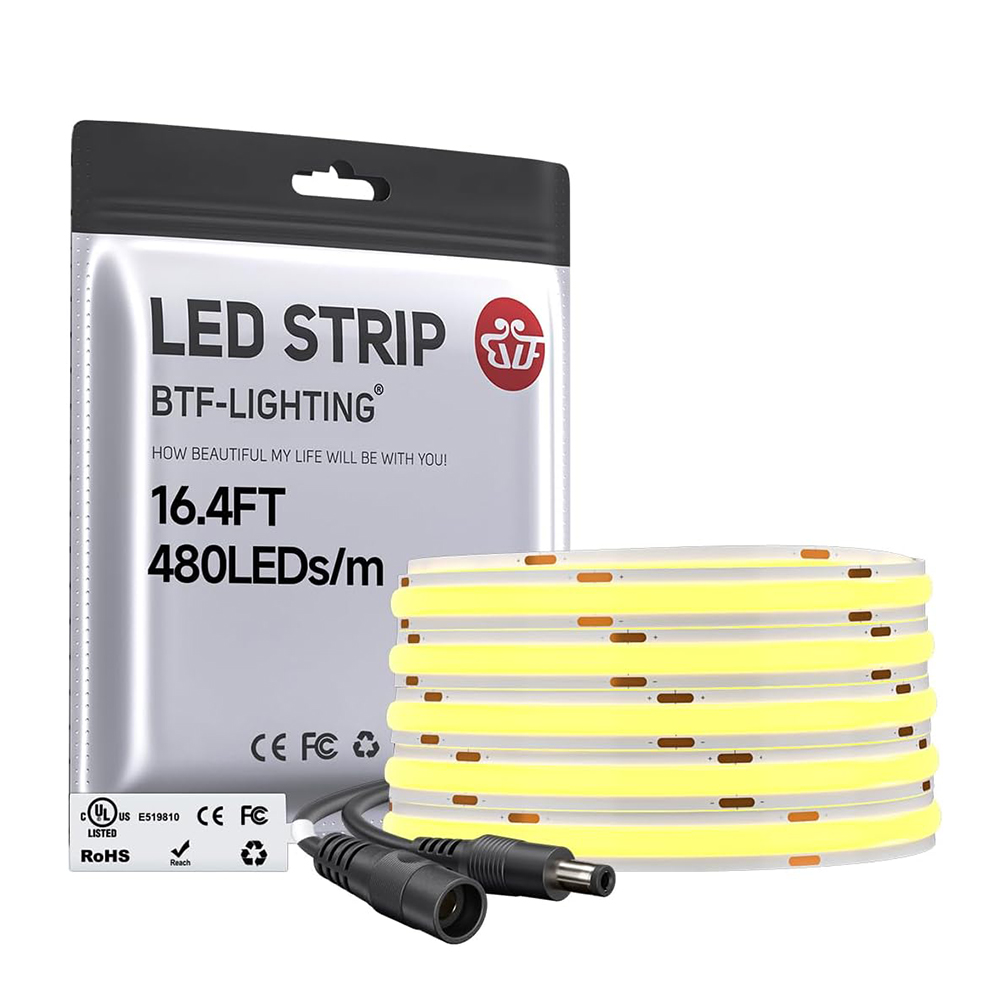
Dimmable Tunable White COB LED Strip Light 12V 24V
View Product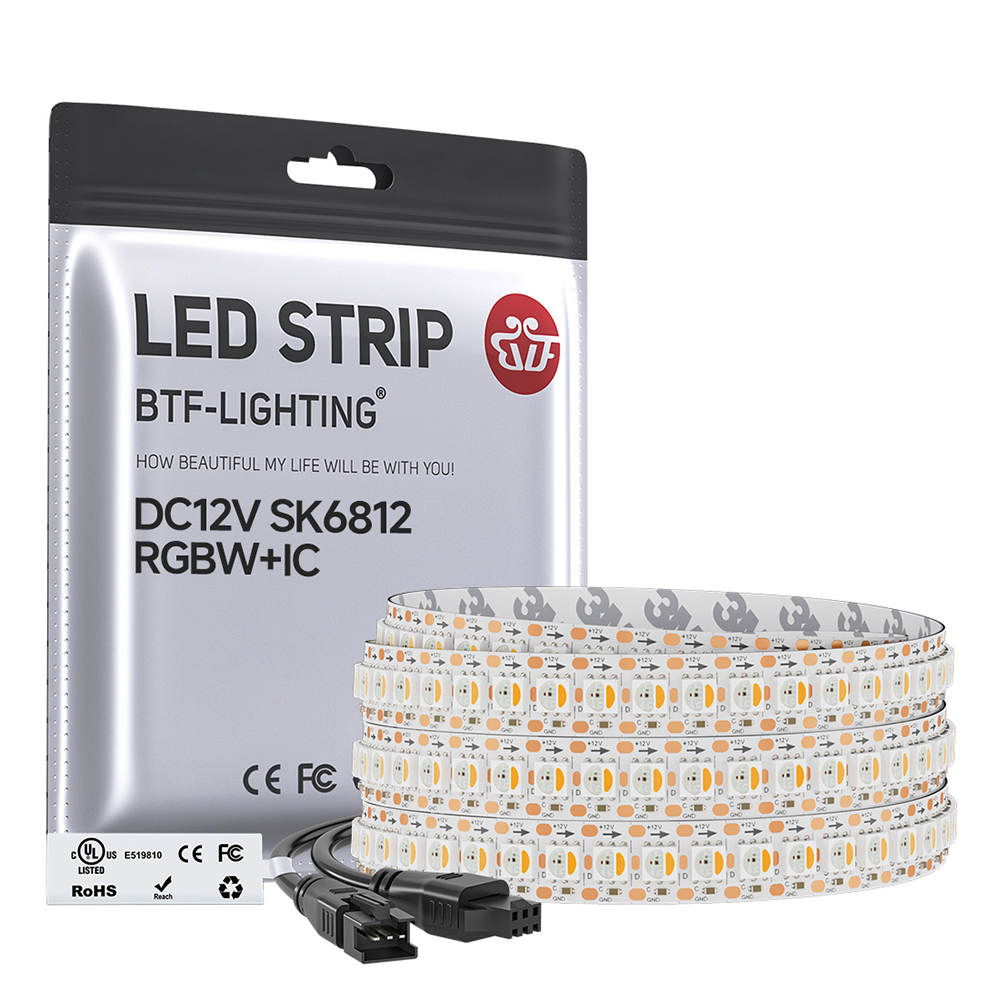
Addressable SK6812 12V RGBW 144 LEDs/m Strip
View Product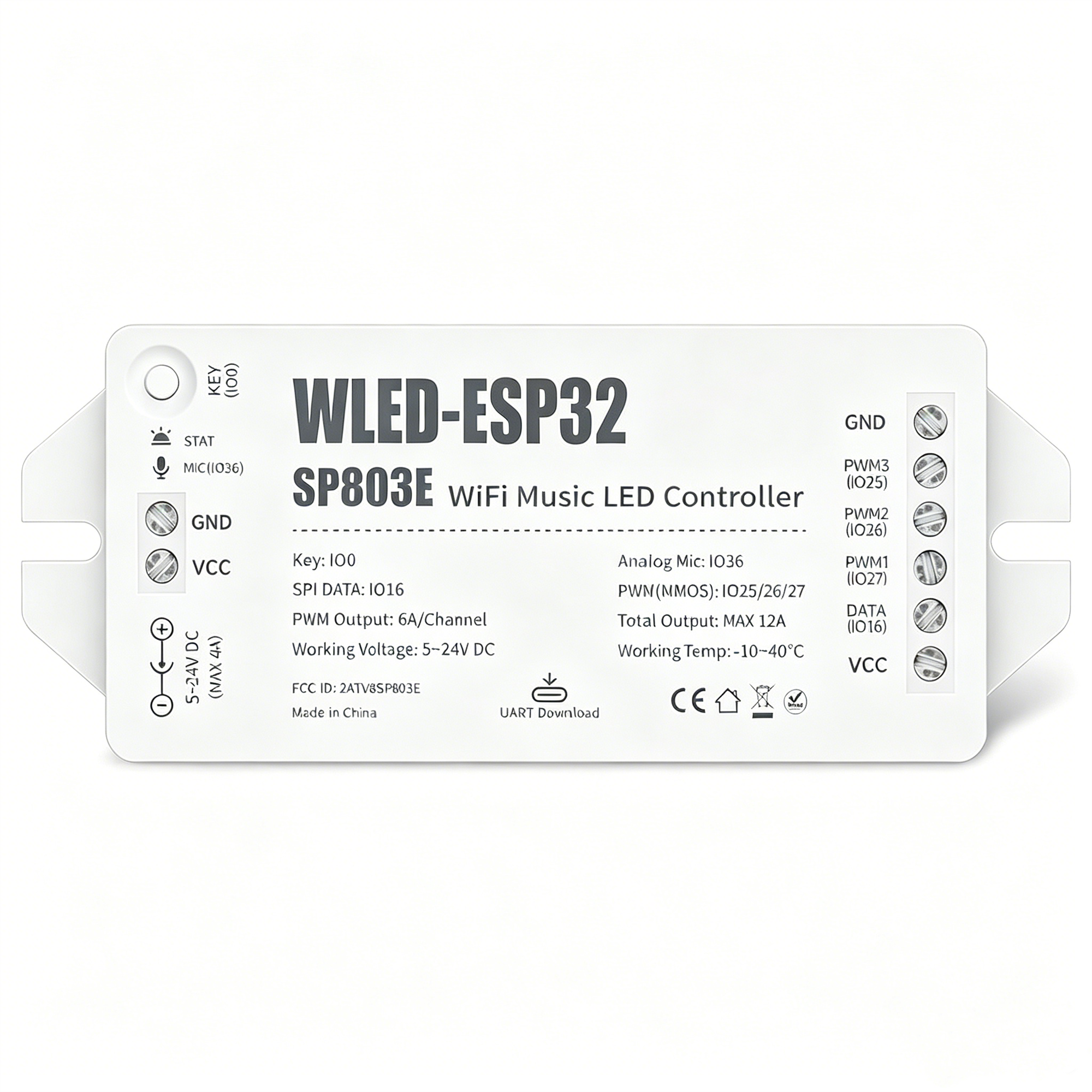
ESP-32 WLED SP803E WiFi Music Pixel Controller
View Product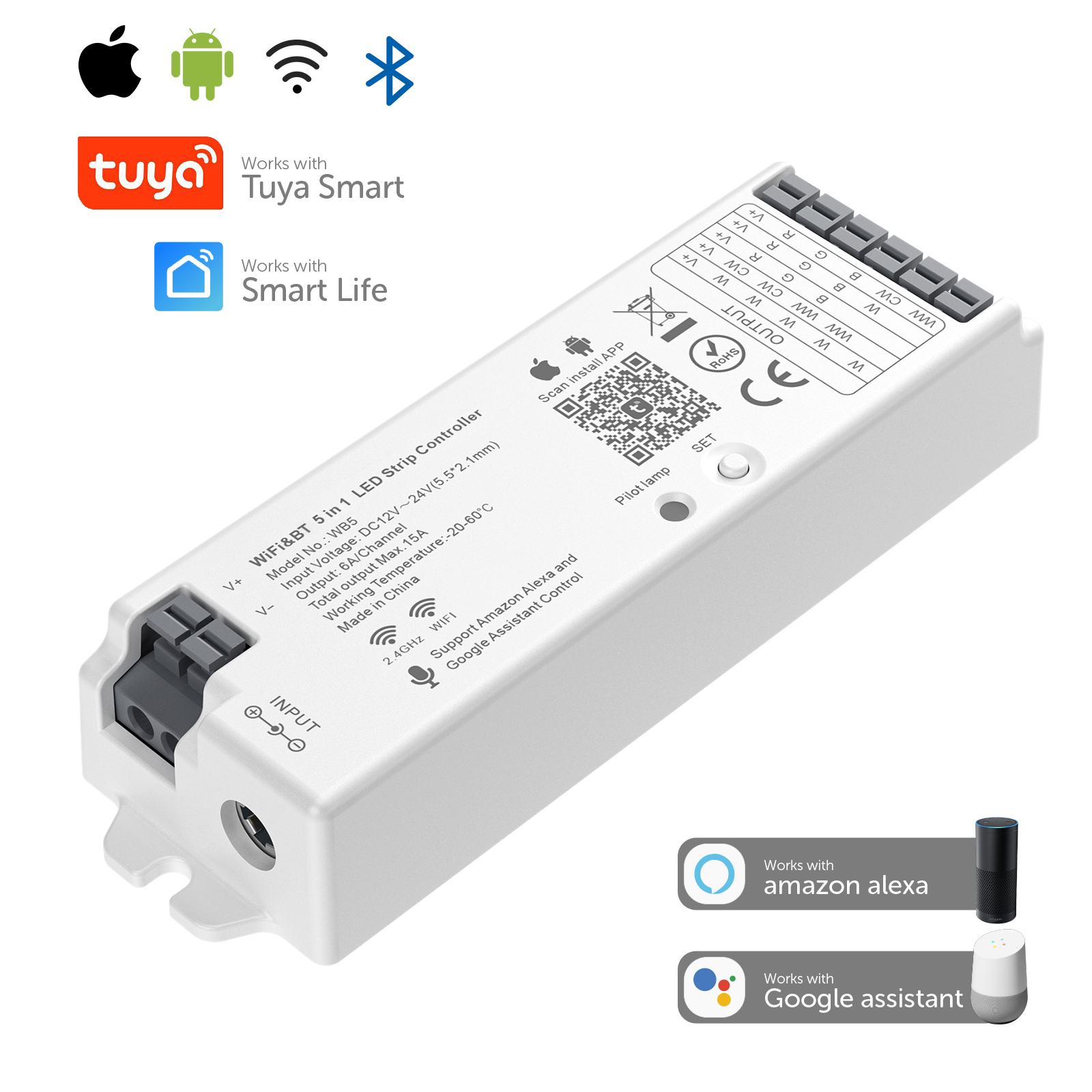
Tuya WiFi 5-in-1 RGB RGBW CCT LED Strip Controller
View Product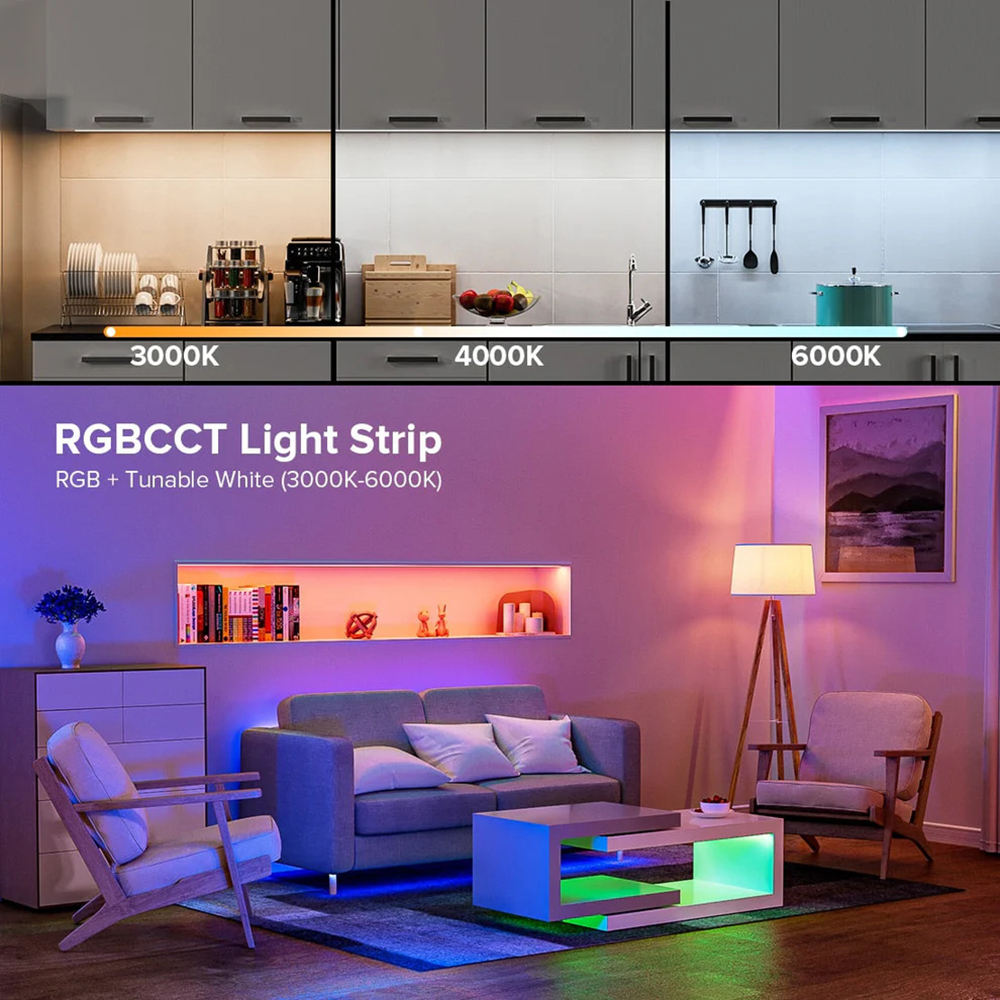
Flexible RGB+CCT COB LED Strip Light 24V 840 LEDs
View Product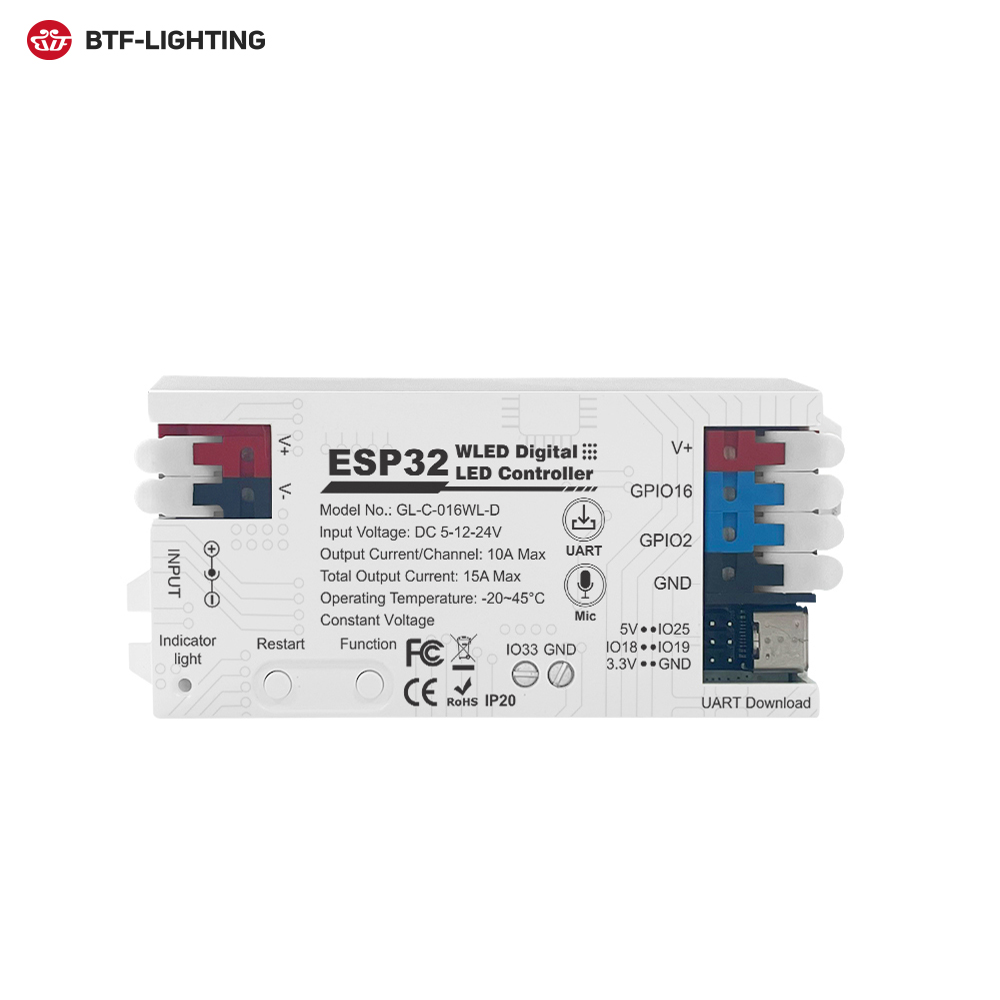
ESP32 WLED WiFi Addressable Pixel LED Controller
View Product
BTF-LIGHTING SP530E RGBCCT WiFi PWM SPI Controller
View Product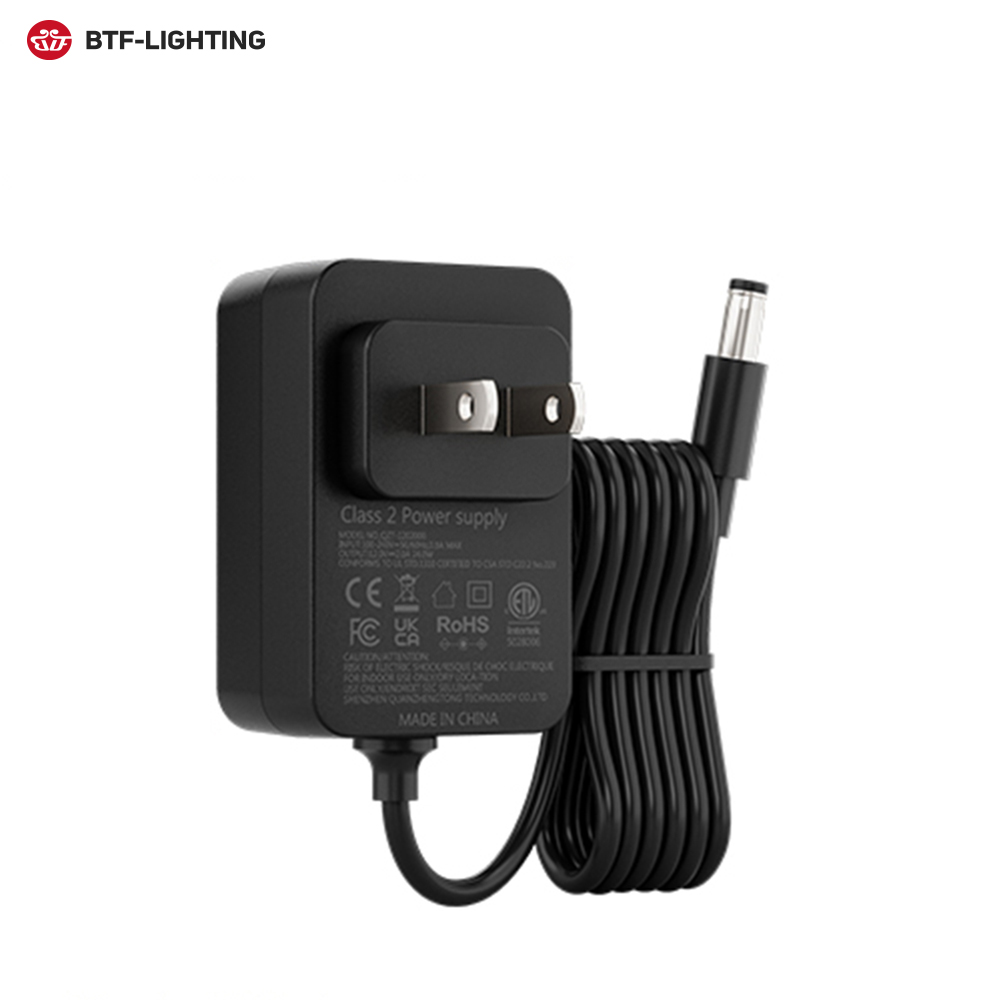
DC5V 12V 24V FCOB RGBW LED Strip Power Adapter
View ProductSPI RGBW Addressable LED Architecture: Technical Deep-Dive for Buyers in Bender
In modern architectural lighting design, spatial aesthetics are no longer static. Project developers, electrical contractors, and commercial venue designers operating in Bender and across Eastern Europe are increasingly specifying SPI RGBW LED strips over conventional 3-channel (RGB) or fixed PWM systems. The Serial Peripheral Interface (SPI) protocol provides per-pixel or per-segment addressability, granting light designers total digital control over color dynamics, chase speed, gradients, and animated effects.
What separates professional-grade SPI RGBW LED strips from standard RGB solutions is the integration of a dedicated white emitter channel (3000K Warm White, 4000K Neutral White, or 6000K Cool White) alongside red, green, and blue dies. Conventional RGB strips attempt to create white light by mixing red, green, and blue at equal intensity, resulting in a low Color Rendering Index (CRI < 70), a harsh bluish-purple cast, and excessive power draw across all three channels. By contrast, 4-channel SPI RGBW systems leverage individual IC protocols (such as SK6812 RGBW, WS2814 RGBW, TM1814, and GS8208) to deliver architectural-grade pure white illumination for task lighting, while preserving full dynamic dynamic-color animation on demand.
Dual Data Line Redundancy
Protocols like WS2815 and GS8208 feature dual-signal data lines (Backup Data). If a single pixel is physically damaged, the remaining downstream LED pixels continue functioning without signal interruption.
Dot-Free FCOB SPI Integration
Flip-Chip on Board (FCOB) encapsulation packages 720 to 840 chips per meter under a linear phosphor gel. Combined with SPI driver ICs, it delivers seamless continuous lines of animated light without hotspot diffusers.
WLED & Madrix Compatibility
Our SPI RGBW light strips interface natively with ESP32 WLED microcontrollers, Art-Net Ethernet-to-SPI gateways, and DMX512 decoders for sync with professional stage and architectural control software.
Engineering Data Matrix: Comparing SPI RGBW & COB LED Strip Protocols
To assist procurement managers and electrical engineering teams in Bender with selecting the exact specification for commercial RFQs, the matrix below details operational voltages, data rates, control resolution, and physical parameters across primary addressable IC families:
| IC Protocol | Voltage | Channels | Signal Rate | Data Redundancy | Max Density | Primary B2B Application |
|---|---|---|---|---|---|---|
| SK6812 RGBW | DC5V / DC12V | 4 Ch (RGB+W) | 800 kHz | Single Data | 144 LEDs/m | Custom Gaming / Interior Coves |
| WS2814 RGBW | DC12V / DC24V | 4 Ch (RGB+W) | 800 kHz | Single Data | 60–72 LEDs/m | Long Architectural Facades |
| GS8208 / WS2815 | DC12V | 3 Ch / 4 Ch | 800 kHz | Dual Backup Line | 60–144 LEDs/m | High-Reliability Public Venues |
| FCOB SPI RGBIC | DC12V / DC24V | 3 Ch / 4 Ch | 800 kHz | Single / Dual | 720–840 Chips/m | Seamless Linear Architectural Light |
| TM1814 RGBW | DC12V / DC24V | 4 Ch (RGB+W) | 800 kHz | Single Data | 60 LEDs/m | Commercial Hospitality Accent |
Localized Lighting Applications & Market Dynamics in Bender
As an industrial and urban center along the Dniester River, Bender presents unique regional requirements for commercial, municipal, and residential lighting systems. Buyers sourcing SPI RGBW LED strips for projects serving Bender must account for specific local environmental and electrical factors:
- Sub-Zero Thermal Weatherproofing (IP67 / IP68): Winters in Bender experience severe sub-zero temperatures dropping to -25°C to -30°C. Standard PVC jackets become brittle and crack under extreme cold. Direct factory suppliers serving Bender must supply solid silicone extrusion tubes (IP67) or polyurethane vacuum encapsulation (IP68) that remain flexible and optically clear under UV exposure and freeze-thaw cycles.
- Commercial Waterfront & Hospitality Venues: Restaurants, hotel terraces, and entertainment complexes in the region are modernizing exterior facades with dynamic chasing effects. SPI RGBW strips allow operators to run subtle warm white ambient lighting (3000K) during dinner hours, shifting seamlessly to vibrant color scenes for late-night events via Tuya WiFi or 2.4GHz RF controllers.
- Voltage Drop Mitigation over Extended Runs: Municipal facade projects often demand continuous light lines exceeding 15 to 20 meters. Utilizing 24V SPI RGBW protocols cuts current draw (Amperes) by 50% compared to 12V systems, drastically reducing copper trace heat generation and voltage drop while eliminating color shift across long perimeter runs.
- DMX512 & Building Automation Integration: European and regional electrical contractors in Bender frequently integrate smart LED strips into centralized DALI or DMX512 control systems. SPI-to-DMX decoders allow standard building management consoles to execute frame-accurate pixel mapping without high custom programming costs.
Why Direct Shenzhen Factory OEM Sourcing Advantages Buyers Serving Bender
Navigating the global supply chain requires choosing a partner with verifiable engineering depth and transparent quality control. Shenzhen Livdo Lighting Technology Co., Ltd. operates as an SGS-verified onsite manufacturer located in Shiyan Street, Shenzhen—the global center of advanced LED strip production. Operating since 2014 across a 2,053 m² facility, our factory provides significant operational advantages to distributors and B2B buyers serving Bender:
- Strict Component Binning & Color Consistency: We enforce SDCM < 3 color binning across all white LED dies. Whether ordering today or placing a re-order 12 months later, white color temperatures (2700K, 3000K, 4000K, 6000K) match perfectly across production batches.
- Heavy-Duty Flexible Printed Circuits (FPC): Our SPI RGBW strips are built on 3oz/4oz rolled copper flexible PCBs. Thicker copper ensures efficient heat dissipation, low line resistance, and resistance to tearing during field installation.
- 100% Full-Process Aging & Quality Inspection: Every roll undergoes automated SMT placement, reflow soldering, microscopic joint inspection, continuous water immersion testing (for IP67/IP68 grades), and a mandatory burn-in aging test prior to reel winding and vacuum anti-static packing.
- Certified Compliance for Customs Smooth Clearance: All products come backed by CE, RoHS, FCC, UKCA, and PSE certifications, complete with signed Declaration of Conformity documents to guarantee swift customs clearance into Moldova and surrounding European customs zones.
Frequently Asked Questions for B2B Procurement
Common technical questions asked by importers, electrical engineers, and wholesale buyers serving Bender.