WLED SPI Controller
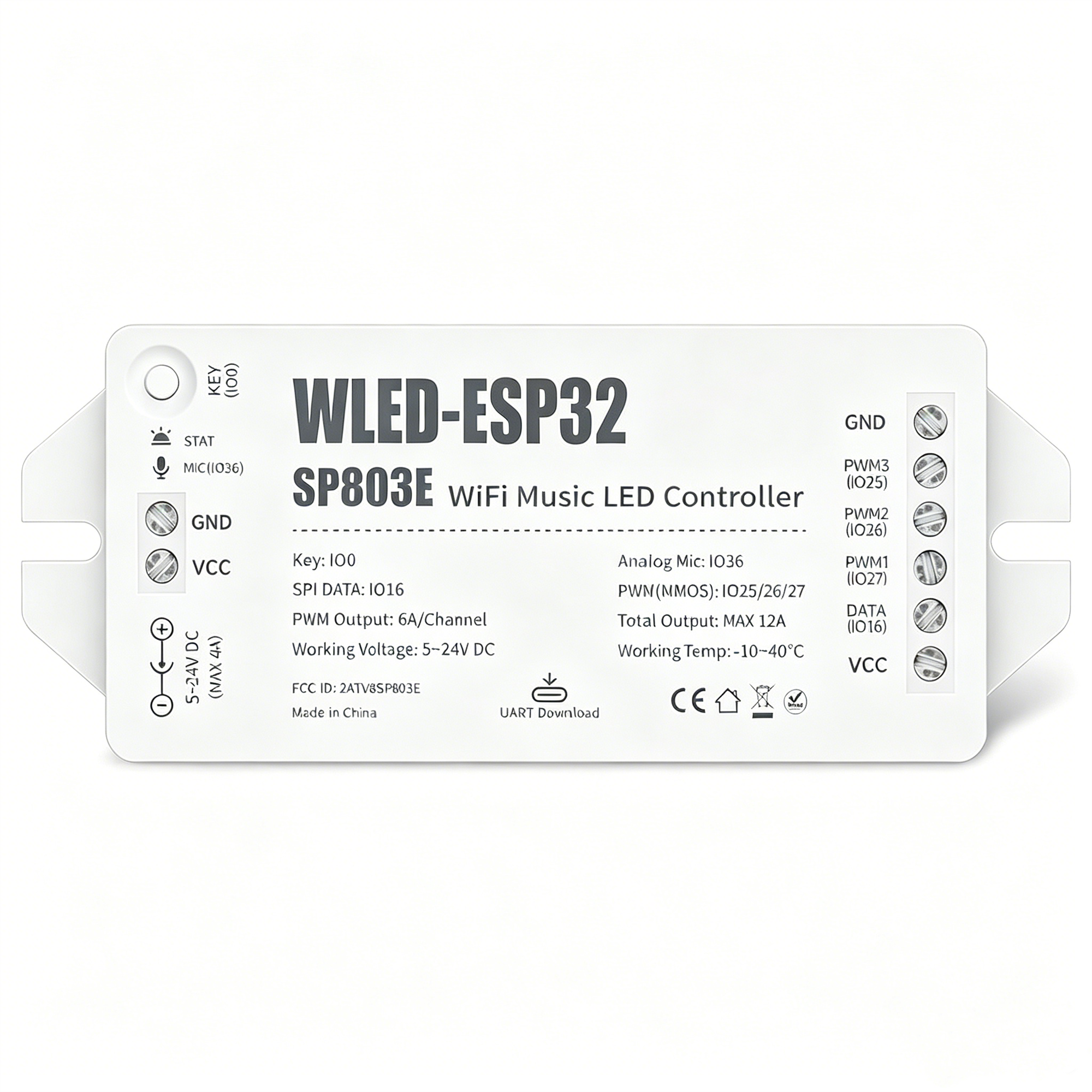
ESP-32 WLED SP803E WiFi Music LED Controller
- ESP32 Microchip
- WLED Firmware
- Audio-Reactive
Direct factory wholesale portfolio rigorously tested for voltage stability, signal integrity, and thermal dissipation in European commercial installs.
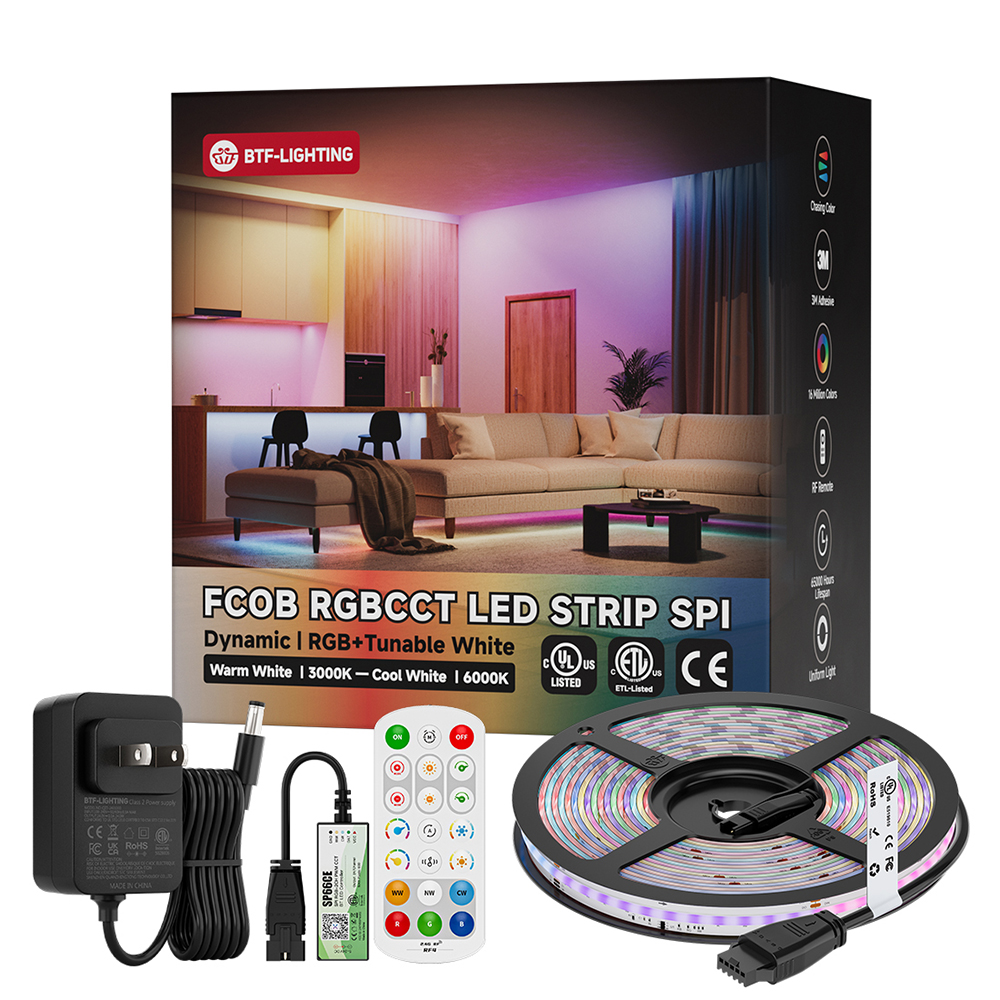
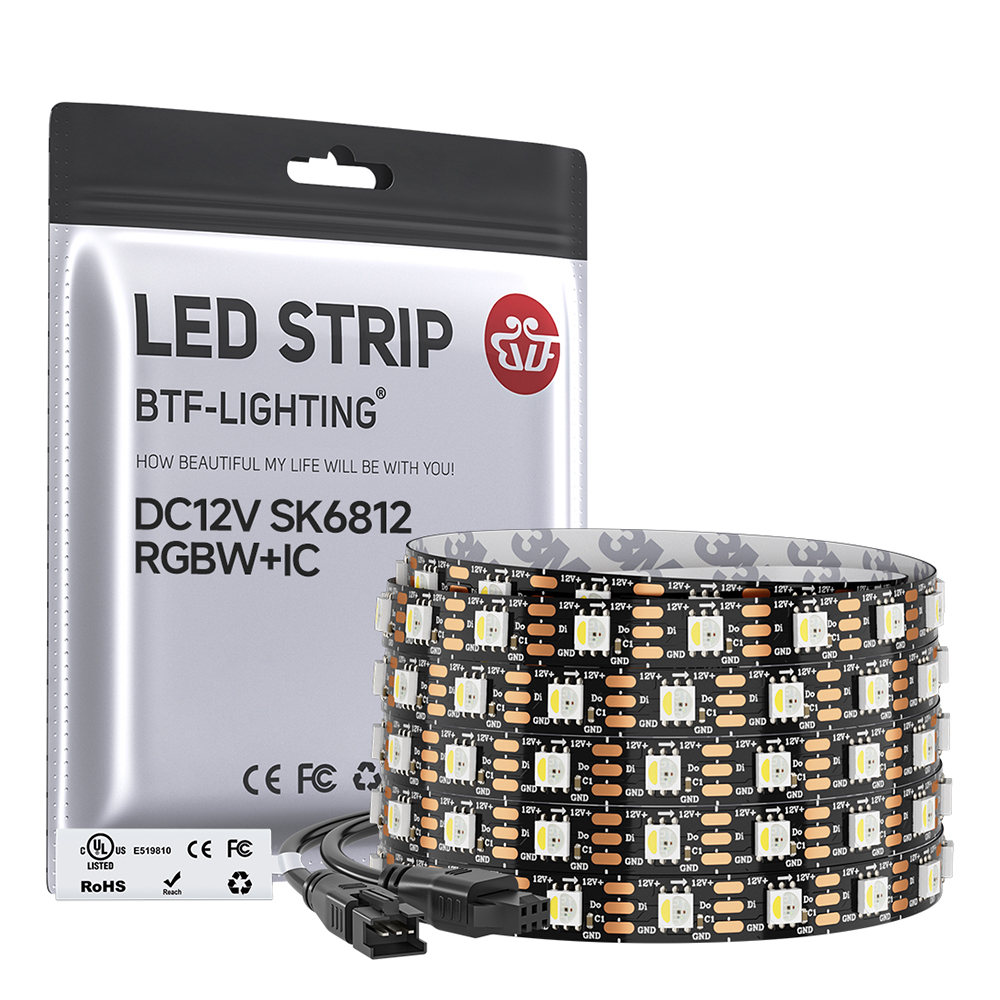
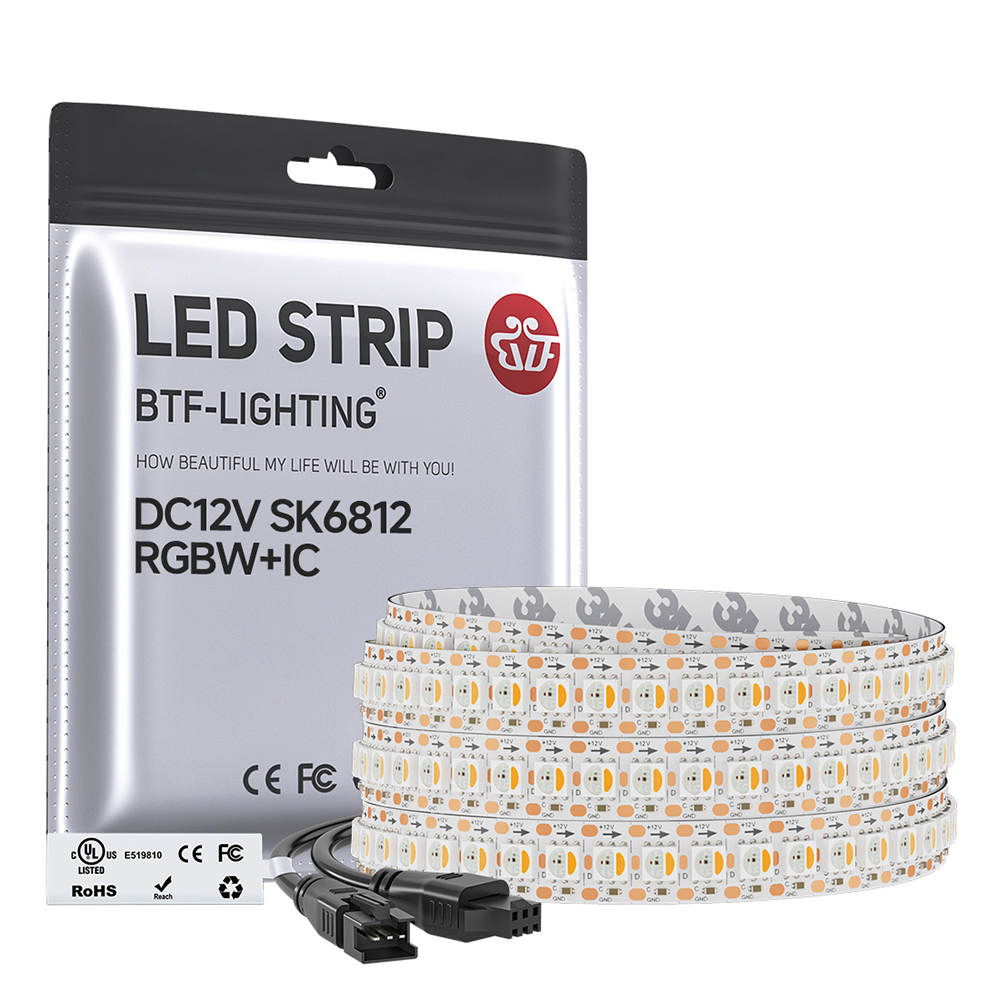


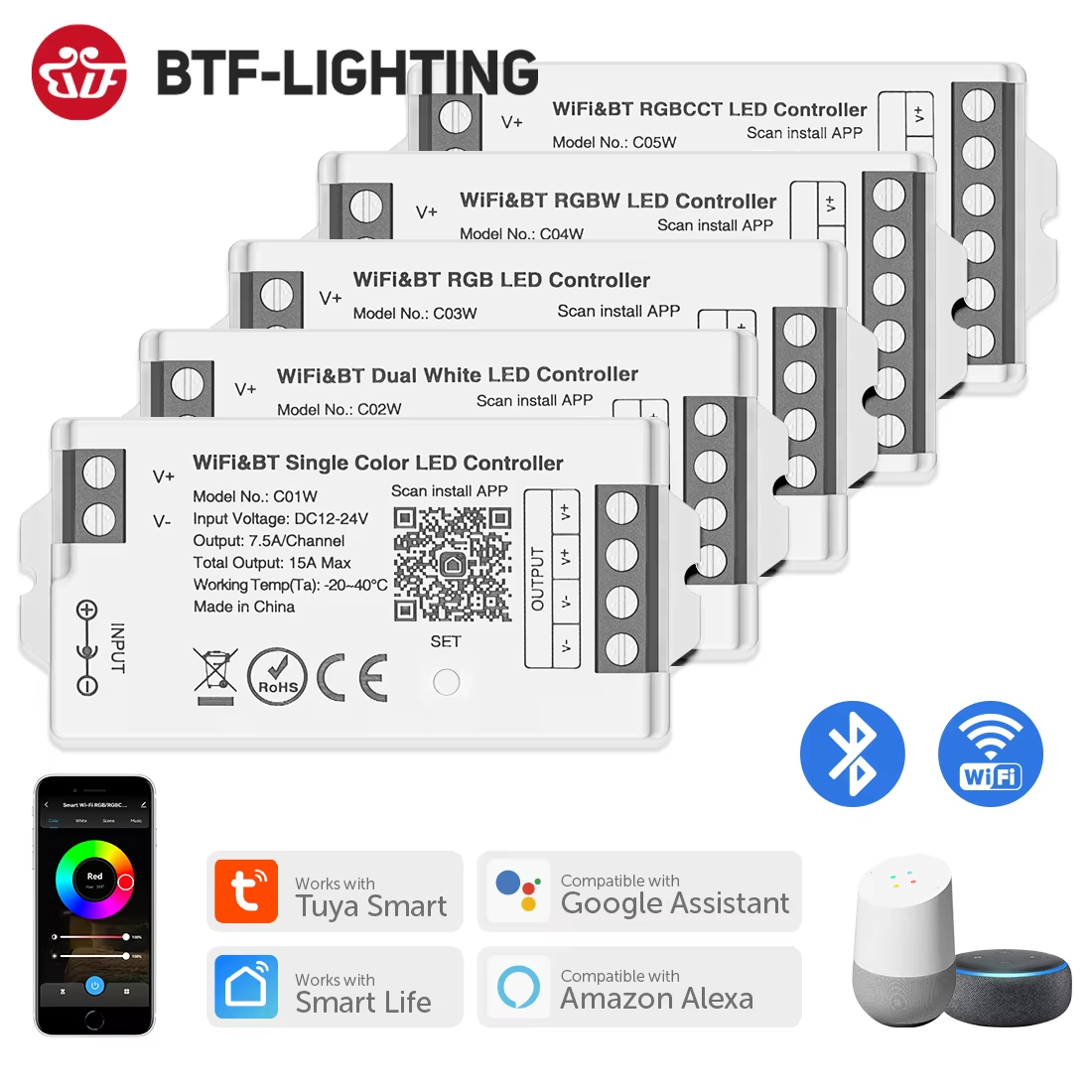
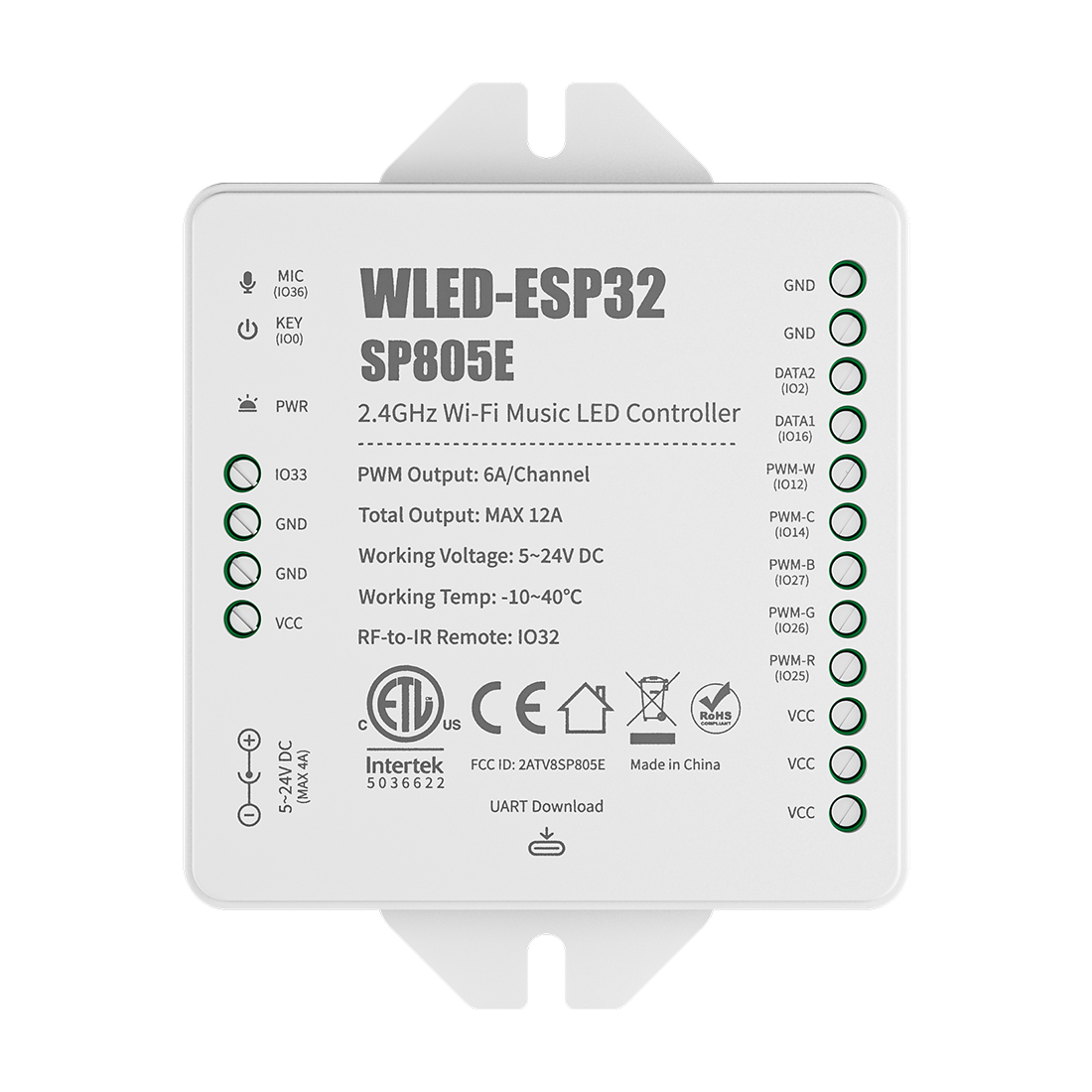
Dublin’s architectural landscape is undergoing a massive transformation. From the steel-and-glass corporate headquarters along the Silicon Docks (Grand Canal Dock) to the historic Georgian refurbishments around Fitzwilliam Square and the bustling hospitality venues of Temple Bar and the Creative Quarter, light is no longer treated as a static utility. Electrical specifiers, lighting designers, and mechanical/electrical (M&E) contractors across Ireland are increasingly specifying Serial Peripheral Interface (SPI) RGB and RGBW LED strips over legacy PWM or DMX512 networks.
The primary driver behind this transition is the demand for granular digital control paired with simplified field wiring. Traditional Pulse Width Modulation (PWM) systems require heavy, multi-core copper cables running back to bulky multi-channel dimmers, causing severe voltage drop and spatial congestion in tight Irish architectural coves. Conversely, SPI technology integrates driver integrated circuits (ICs)—such as the WS2811, WS2815, SK6812, and GS8208—directly onto or alongside the flexible printed circuit (FPC). This architecture enables individual pixel addressability over a compact 3-wire or 4-wire data bus, facilitating complex dynamic chasing, biophilic circadian rhythms, and audio-reactive displays with minimal cabling overhead.
Information Gain - Engineering Focus: Unlike DMX512 which is constrained to 512 channels (170 RGB pixels) per universe and requires complex RS-485 differential transceivers, modern high-speed SPI protocols operating at 800 kHz data rates allow thousands of pixel addresses to be daisy-chained from a single ESP32 or Art-Net microcontroller node, dramatically lowering balance-of-system (BOS) costs for Irish lighting contractors.
Furthermore, the deployment of Flip-Chip on Board (FCOB / COB) SPI strips addresses the longstanding aesthetic challenge of "pixel spottiness" in modern low-profile extrusions. By encapsulating continuous linear arrays of flip-chips under a seamless phosphor silicone matrix at linear densities exceeding 600–720 chips per meter, Dublin interior designers achieve totally continuous, glare-free light lines even when mounted in shallow aluminum channels recessed into plasterboard ceilings or millwork.
Continuous FCOB phosphor coating provides seamless line-of-light illumination inside shallow 10mm recessed profiles across commercial Dublin fit-outs.
WS2815 and GS8208 chipsets feature backup data lines ensuring uninterrupted operation even if a single LED pixel suffers mechanical damage.
Native compatibility with ESP32-based open-source WLED systems, Tuya Smart Life IoT, and DMX/Art-Net protocols for smart building automation.
Custom 24V SPI formulations reduce operating current by 50% compared to 12V variants, allowing extended continuous runs without color shift.
How electrical contractors and lighting engineers deploy Shenzhen Livdo’s SPI portfolio to solve structural and environmental challenges in Irish projects.
Dublin’s world-famous pub, bar, and venue sector requires high-impact dynamic lighting that syncs rhythmically with live traditional music, DJ sets, or architectural themes. Traditional fixed-color RGB tape lacks versatility. By installing our ESP32-WLED SP805E controllers with built-in high-sensitivity microphones coupled with 12V SK6812 RGBW 60LEDs/m strips, venue managers can program soft, warm amber white ambient glow (2700K) during daytime dining, transitioning seamlessly into high-energy, audio-reactive pixel chasing scenes at night. The dedicated white channel in SK6812 ensures pristine pastel shades and natural interior lighting without the unnatural blue tint common to standard RGB mixing.
International tech giants in the Dublin Docklands emphasize employee wellness, biophilic design, and LEED/WELL building accreditations. Our FCOB DC24V SPI RGBIC + Tunable CCT 5PIN flexible tape is heavily specified in office atrium perimeter coves, acoustic baffle accenting, and boardrooms. Operating on a 24V DC bus, these strips allow 10-meter single-ended feeds with zero perceived dimming at the far end. Designers program subtle circadian color temperature shifts (from 3000K warm white in early morning to 5500K cool energizing light at midday) while retaining the capability to switch to dynamic corporate-branded color sweeps during company events.
High-end retail displays demand flawless color rendering (CRI > 90 Ra) and high density to eliminate shadowy spots behind merchandise. The 12V SK6812 144 LEDs/m ultra-dense pixel tape delivers microscopic pixel resolution, allowing visual merchandisers to create light-waves that track customer movement along display windows or highlight luxury apparel with precise spot-color accenting.
Retrofitting lighting into protected Georgian structures along Merrion Square or damp coastal exterior facades along Dun Laoghaire and Howth presents severe moisture and structural restriction challenges. Our IP67 Silicone-Extruded FCOB SPI RGBIC strips incorporate UV-stabilized, anti-yellowing silicone sleeves that withstand Ireland’s high relative humidity, frequent rain, and saline sea mist. The flexible FPC enables gentle curving around historic plaster cornices without structural drilling or damaging historic fabric.
Compare key electrical and photometric parameters to specify the exact addressable IC for your Dublin installation.
| Chipset / Protocol | Operating Voltage | Signal Channel Type | Addressable Resolution | Max Data Speed | Primary Dublin Application |
|---|---|---|---|---|---|
| WS2811 SPI | 12V / 24V DC | Single Data (VDD/GND/DAT) | 1 IC controls 3 LEDs (12V) / 6 LEDs (24V) | 800 Kbps | Long cove runs, perimeter building accenting |
| WS2815 SPI Redundant | 12V DC | Dual Data (Data + Backup Data) | Individual Pixel (1 IC per LED) | 800 Kbps | Mission-critical commercial/hospitality displays |
| SK6812 RGBW | 5V / 12V DC | Single Data (4 Channels: R/G/B/W) | Individual Pixel (1 IC per LED) | 800 Kbps | Luxury retail, residential coves requiring true white |
| FCOB SPI RGBIC Dot-Free | 24V DC | 5-Pin / 3-Pin SPI Bus | Segmented Pixel (e.g. 10cm / 16.6cm cut) | 800 Kbps | Shallow acoustic profiles, linear architectural light bars |
| GS8208 SPI | 12V DC | Dual Data (Break-point Resume) | Individual Pixel (Built-in 12V Reg) | 800 Kbps | Outdoor architectural facades, exposed public artwork |
Aligning factory manufacturing with Ireland's Climate Action Plan, NSAI wiring regulations, and smart urban infrastructure.
All electrical works carried out in Ireland must comply with IS 10101:2020 (NSAI National Wiring Rules). Our 24V low-voltage SPI LED systems operate well within SELV (Safety Extra Low Voltage) thresholds (<50V AC, <120V ripple-free DC), reducing installation risk for RECI/Safe Electric certified contractors. Furthermore, our flexible PCBs utilize double-sided 2oz to 3oz pure copper traces, limiting heat generation and minimizing fire hazard risks within timber-frame ceiling spaces common in Irish residential developments.
Under Ireland's updated Climate Action Plan, commercial properties undergoing renovation must upgrade their Building Energy Rating (BER) certificates. Shenzhen Livdo’s FCOB and SPI LED strips deliver high luminous efficacy (up to 110–130 lm/W depending on color temperature and CCT mixing), lowering total wattages compared to legacy fluorescent or low-density halogen strip retrofits. Combined with automated schedule dimming via Tuya WiFi or Zigbee 3.0 gateways, commercial properties in Dublin can significantly reduce total kilowatt-hour consumption.
Procuring directly from Shenzhen Livdo Technology Co., Ltd. provides Irish distributors and MEP contractors with uncompromised quality assurance backed by verified data:
Every production lot destined for the European market undergoes rigorous multi-stage quality control: incoming component testing via integrating spheres, automated SMT chip mounting, solder joint inspection, 100% full-load 8-hour aging burn-in, and environmental chamber testing for thermal stability.
Direct answers to procurement, customs, logistical, and technical engineering inquiries for Irish B2B clients.