Architectural Illumination in Luganville: The Flip-Chip COB Technical Evolution
As the commercial and eco-tourism hub of Espiritu Santo in Vanuatu, Luganville presents a unique set of microclimatic and electrical conditions for architectural lighting designers, electrical contractors, and resort developers. The combination of high relative humidity (frequently exceeding 85%), ambient airborne salt mist from Segond Channel, high tropical ambient temperatures, and off-grid solar-storage power architectures necessitates lighting equipment engineered to rigorous physical and photometric standards.
Traditional surface-mounted device (SMD) LED tapes—such as classic 2835 or 5050 form factors—frequently fail to meet modern architectural expectations in tropical island settings. SMD strips inherently suffer from discrete "dotting" visibility unless recessed deeply into bulky aluminum channels with thick frosted diffusers. Furthermore, conventional SMD LED packaging utilizes gold wire bonds encapsulated in epoxy or basic silicone resin, which under continuous tropical heat and salt spray, undergo rapid phosphor degradation, wire-bond embrittlement, and localized color shift.
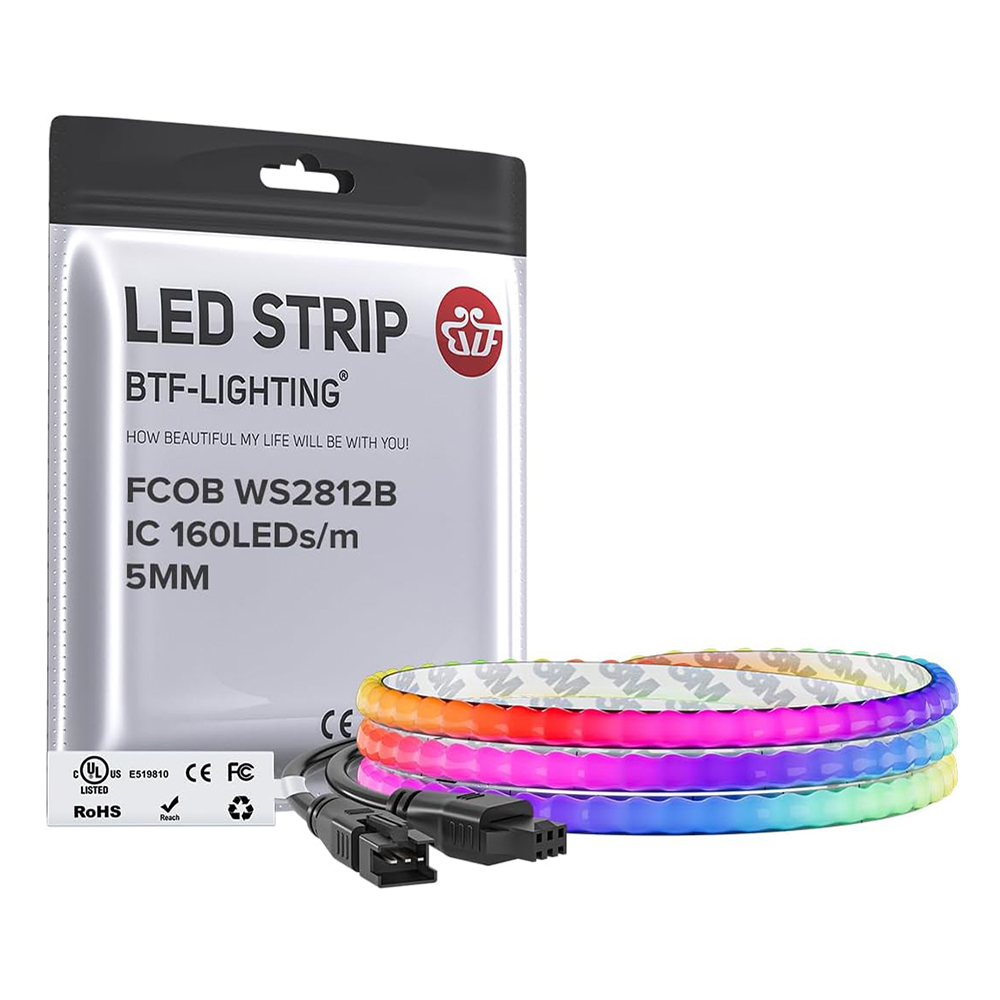
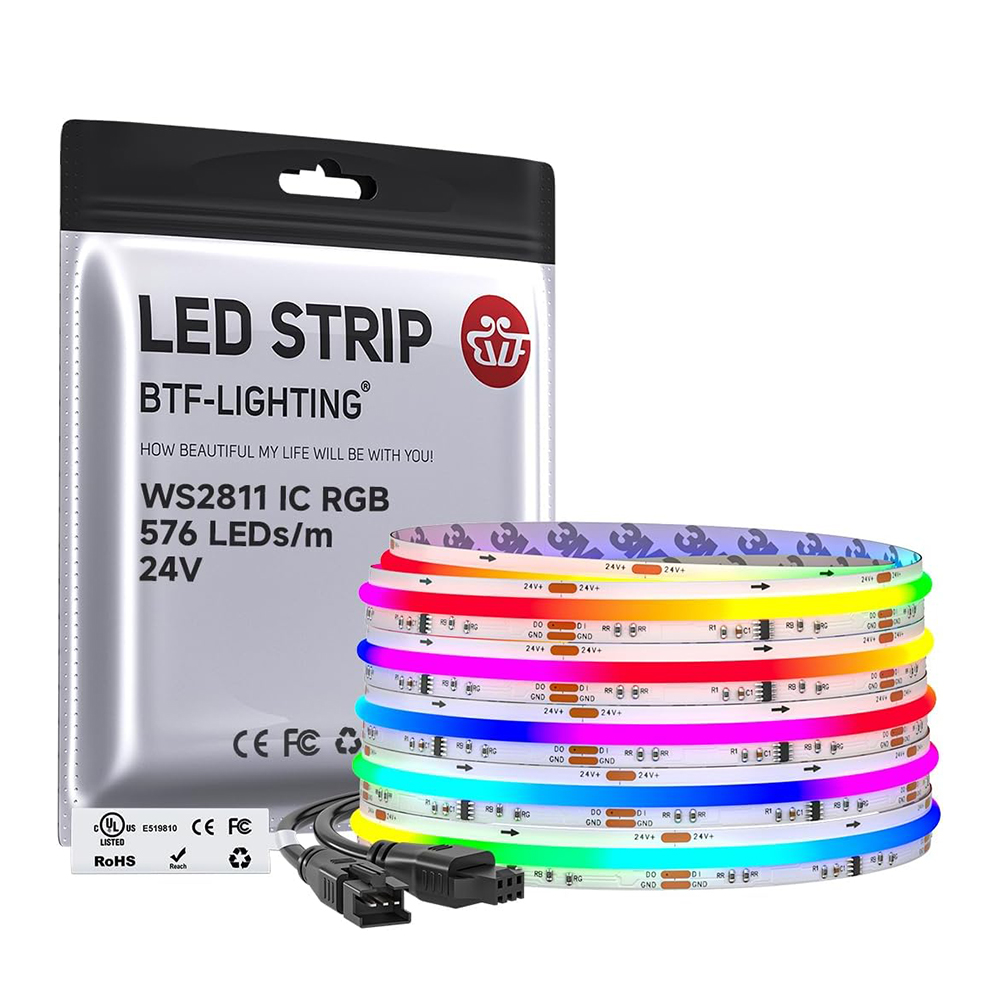
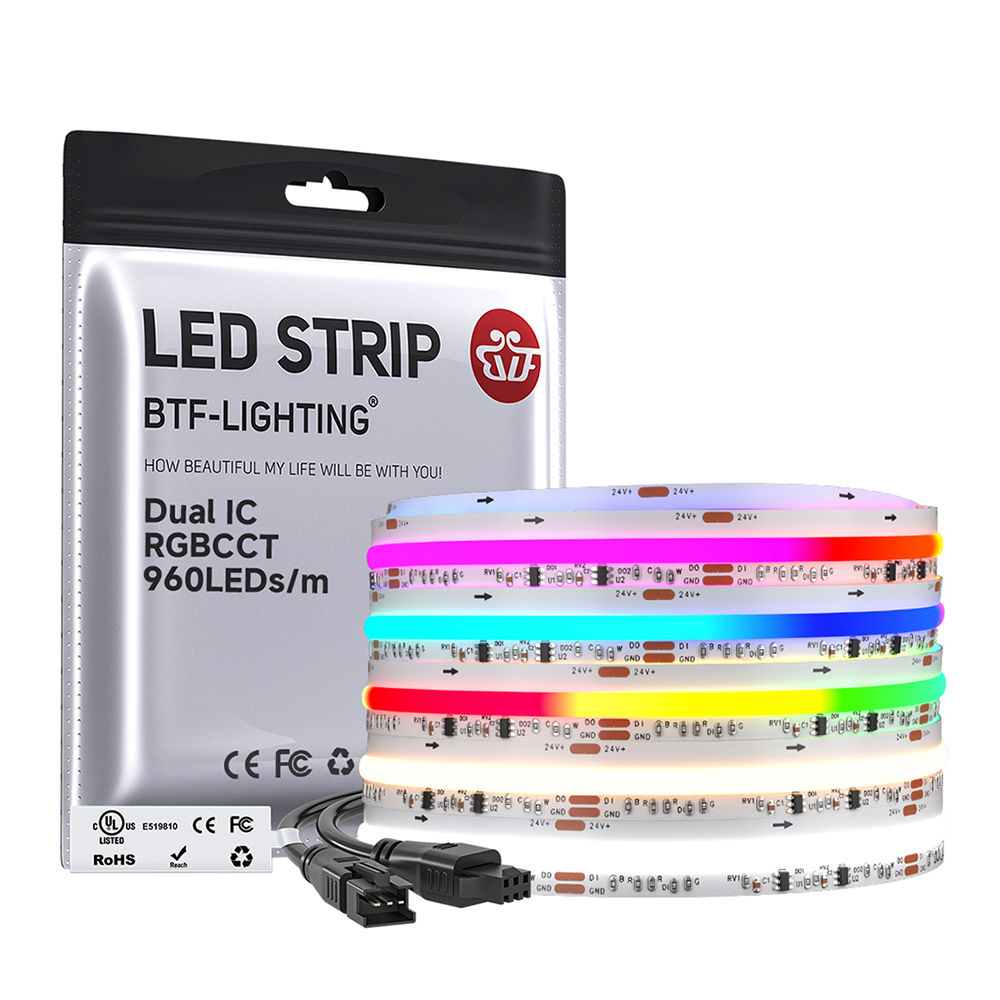
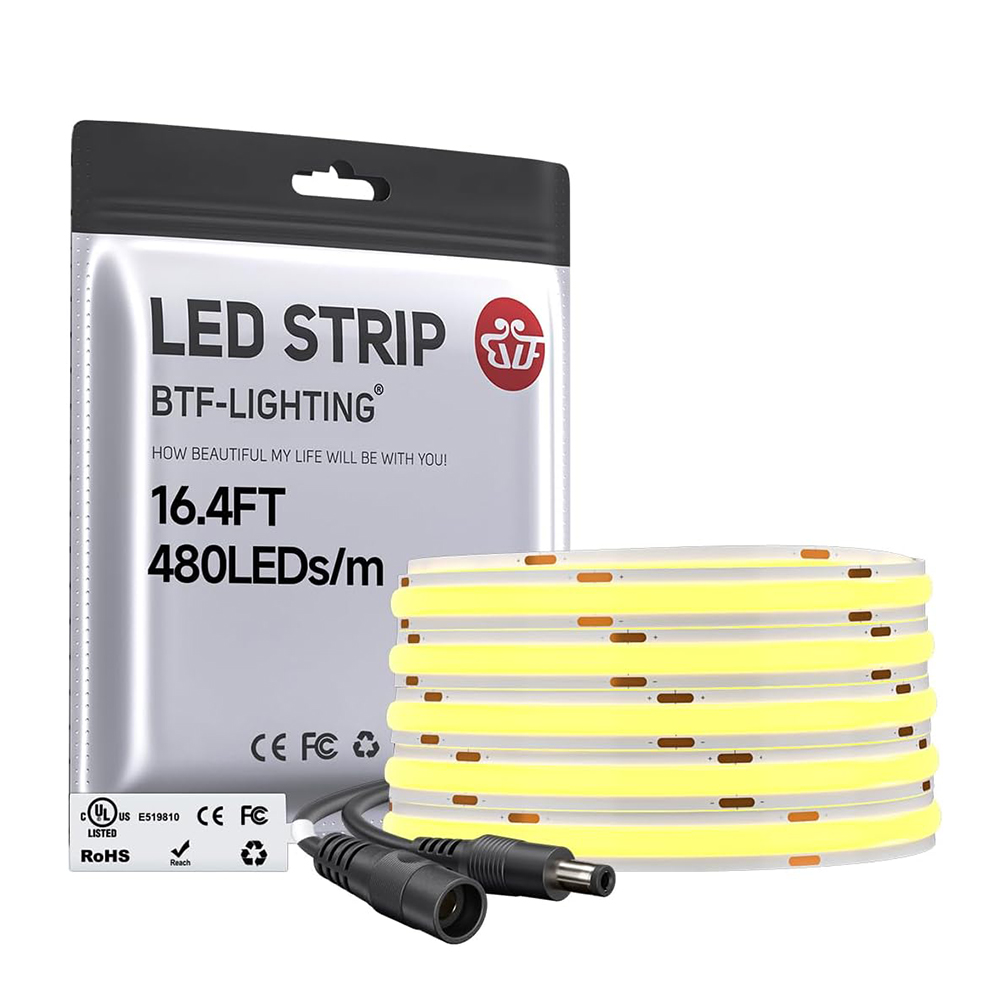
Flip-Chip On Board (FCOB) technology represents a fundamental engineering paradigm shift. By bonding raw semiconductor dies directly onto a flexible copper substrate and encapsulating them beneath a continuous linear phosphor layer, FCOB strips deliver a seamless, dot-free line of light with zero hotspotting, even when mounted in shallow 5mm aluminum extrusions or minimal architectural coves.
Technical Information Gain: FCOB chips eliminate fragile gold wire bonds. The flip-chip electrical connection is made directly via eutectic solder bumps on the reverse side of the die, yielding a 40% reduction in thermal resistance ($R_{th,j-b}$) compared to wire-bonded SMD packages. This direct heat sink path allows FCOB strips to maintain low junction temperatures ($T_j$), preventing thermal lumen depreciation in Luganville's unconditioned coastal spaces.
Photometric Excellence: High Color Rendering (CRI) and MacAdam Binning
In high-end hospitality venues, luxury bungalows along Million Dollar Point, and boutique dining establishments in Luganville, color fidelity is paramount. Standard commercial LEDs often exhibit low Color Rendering Index (CRI Ra < 80), resulting in dull, unnatural rendering of wooden architectural finishes, food presentation, and island flora.
Our CE certified dimmable FCOB LED strips are binned using a strict 3-Step MacAdam Ellipse (SDCM ≤ 3) standard, guaranteeing absolute Color Temperature (CCT) consistency across multiple production rolls. Featuring CRI Ra > 90 and R9 > 50 (saturated red spectrum), these strips restore the natural warmth of tropical hardwoods, stone finishes, and interior spaces, while providing ultra-smooth dimming curves down to 0.1% without flicker or color drift.
Localized Development Trends & Sustainability in Luganville
Vanuatu’s National Energy Road Map (NERM) sets ambitious targets for renewable energy integration and energy efficiency across all provinces. In Luganville, commercial energy costs are among the highest in the South Pacific due to fuel import logistics. Consequently, energy conservation is not merely an environmental preference—it is a critical operational imperative for commercial enterprises and hospitality operators.
1. Direct Transition to High-Efficacy Low-Voltage DC Systems
Building designs in Espiritu Santo are increasingly adopting 24V DC micro-grids driven directly by solar photovoltaic arrays and lithium iron phosphate ($LiFePO_4$) battery storage. Converting AC mains to lower voltages at individual fixtures causes cumulative transformer losses. By deploying high-efficacy DC 24V FCOB LED strips (reaching up to 130 lm/W), resort properties reduce overall wattages by 30–45% compared to legacy fluorescent or halogen installations, significantly scaling down the required solar PV footprint.
2. Resistance to Microclimatic Degradation (Salt Mist & UV Exposure)
Luganville’s tropical maritime atmosphere accelerates chemical oxidation on exposed printed circuit boards (PCBs). Copper traces on sub-standard LED tapes corrode within months, causing open circuits and catastrophic voltage drop. Modern procurement specifications in Vanuatu now mandate 3-ounce (3oz) heavy-copper flexible PCBs double-coated with anti-corrosive conformal coatings or encased in solid silicone extrusion (IP67/IP68). This engineering prevents salt crystal penetration and ensures structural heat spreading along the entire run.
3. Adoption of Smart Wireless Protocols (Tuya, SPI Digital, and Zigbee)
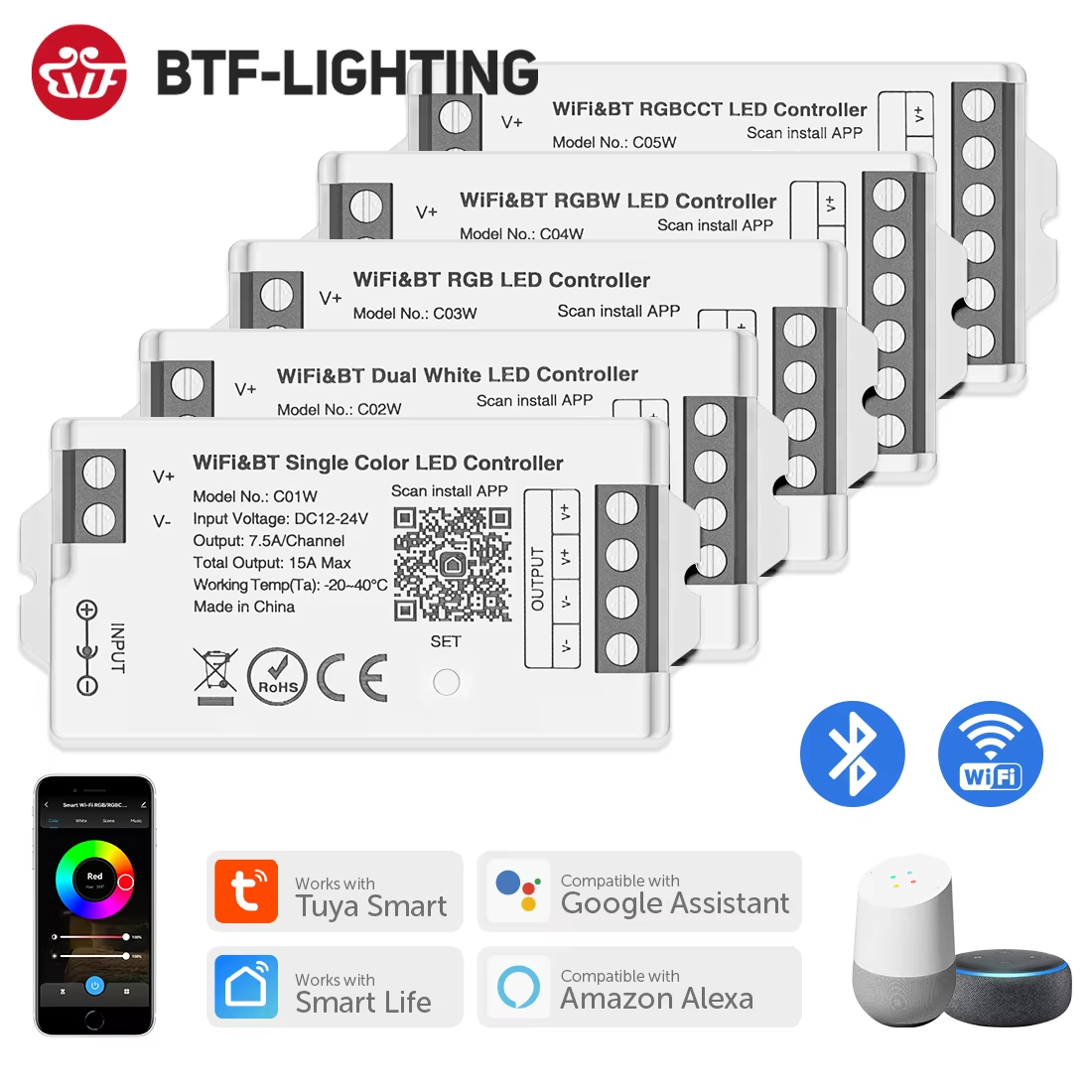
With the expansion of high-speed telecommunications infrastructure in Luganville, commercial operators are modernizing lighting control systems. The shift from physical wall dimmers to wireless Tuya WiFi, Bluetooth Mesh, and RF 2.4GHz controllers allows lodge managers to adjust scene presets, execute automated night-dimming routines, and monitor energy consumption remotely via smartphone applications.
Shenzhen Livdo Lighting: SGS-Verified Precision Manufacturing
As a senior growth director and LED manufacturing specialist, Shenzhen Livdo Lighting Technology Co., Ltd. (founded in 2014) operates at the intersection of optoelectronic engineering and strict quality assurance. Verified onsite by independent auditing giant SGS Group, our 2,053 m² state-of-the-art facility in Shiyan, Shenzhen houses automated SMT placement lines, high-precision reflow ovens, and comprehensive photometric testing laboratories.
Full-Process Quality Control (QC) & Environmental Testing Laboratory
To ensure every LED strip reel exported to Luganville survives extreme tropical conditions, Livdo Lighting subjects all production batches to rigorous environmental stress tests:
- Integrating Sphere & Photometric Calibration: Verifies exact lumen output, chromaticity coordinates, CCT, and CRI Ra/R9 values before reel winding.
- ASTM B117 Salt Spray Corrosion Chamber: Simulates years of coastal salt mist exposure to validate silicone encapsulation integrity and PCB anti-corrosion layers.
- Constant Temperature & Humidity Chamber: Tests operating stability under 85°C heat and 85% relative humidity for over 500 continuous hours.
- 100% Full-Load Burn-In Aging: Every manufactured order undergoes a mandatory 4-to-8 hour powered burn-in cycle to catch early-life semiconductor failures prior to export packaging.
Comprehensive Global Certification Standards
Our products carry full certification compliance required for international customs clearance and electrical safety inspection in Pacific island nations and global markets, including CE (EMC & LVD directives), RoHS, FCC, UKCA, PSE, and ETL listing for smart controllers.