Featured SPI Pixel Strips & Intelligent Controllers
Explore our core OEM portfolio engineered for seamless integration into high-end architectural coves, dynamic facade lighting, and custom commercial fixtures across Triesen and the Rhine Valley.

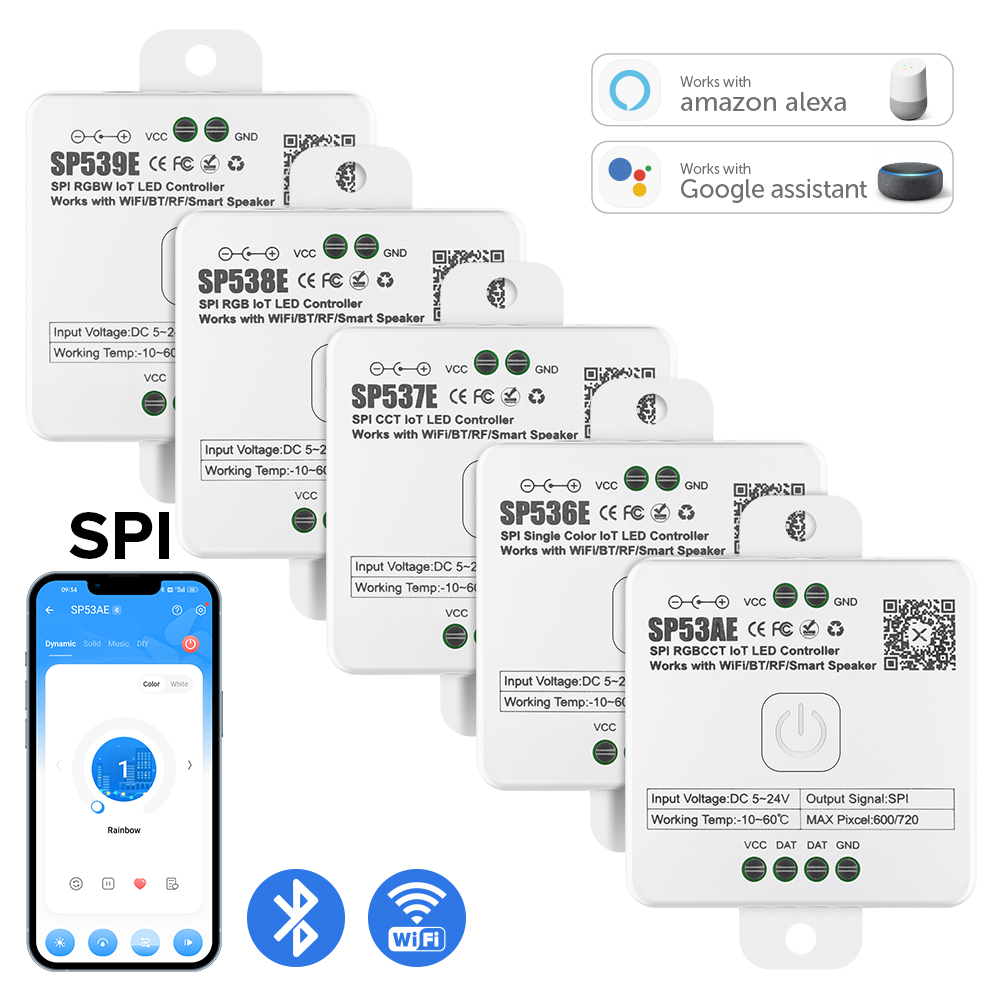
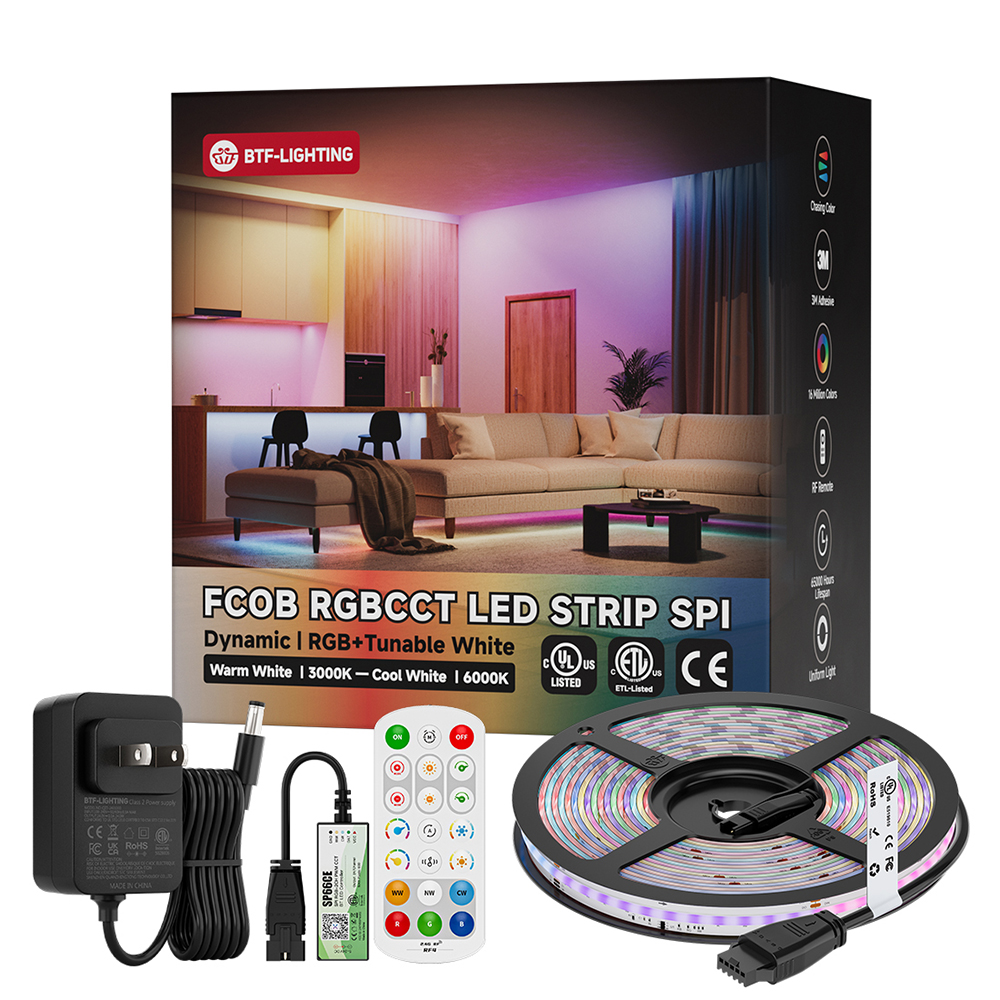
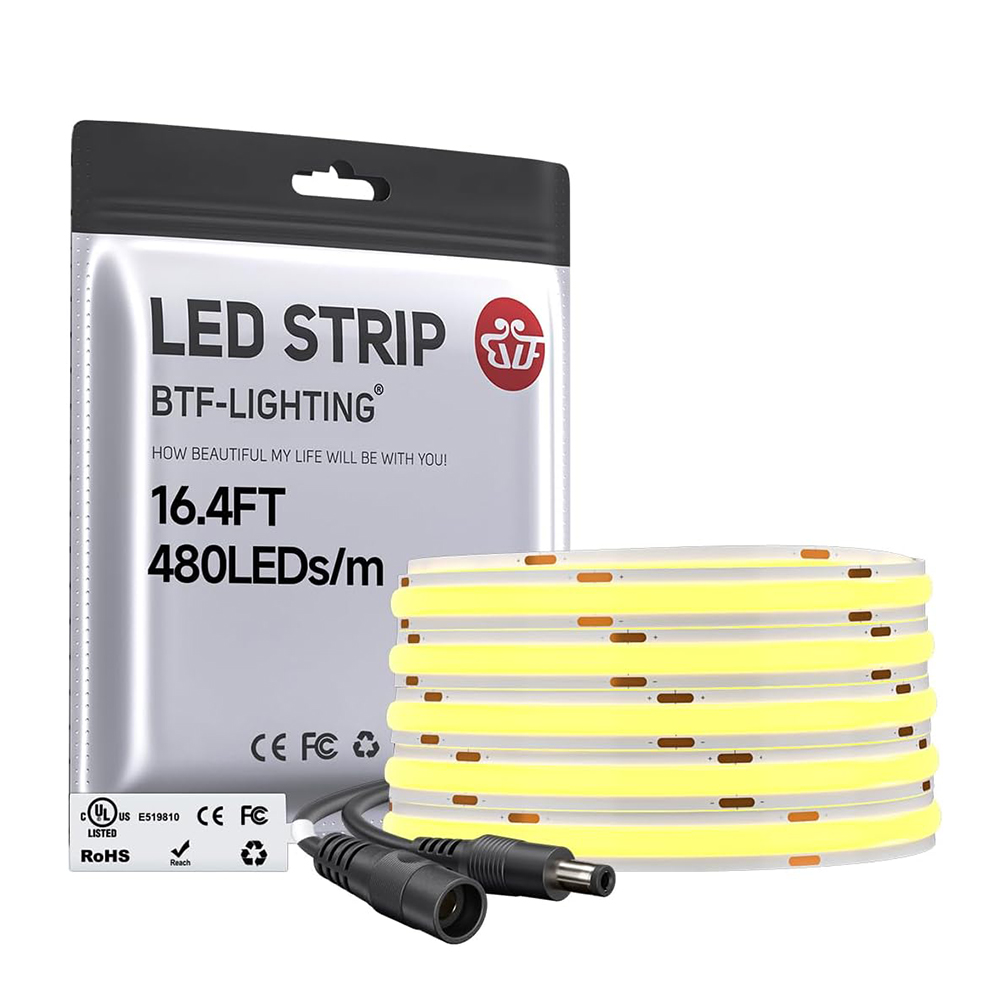
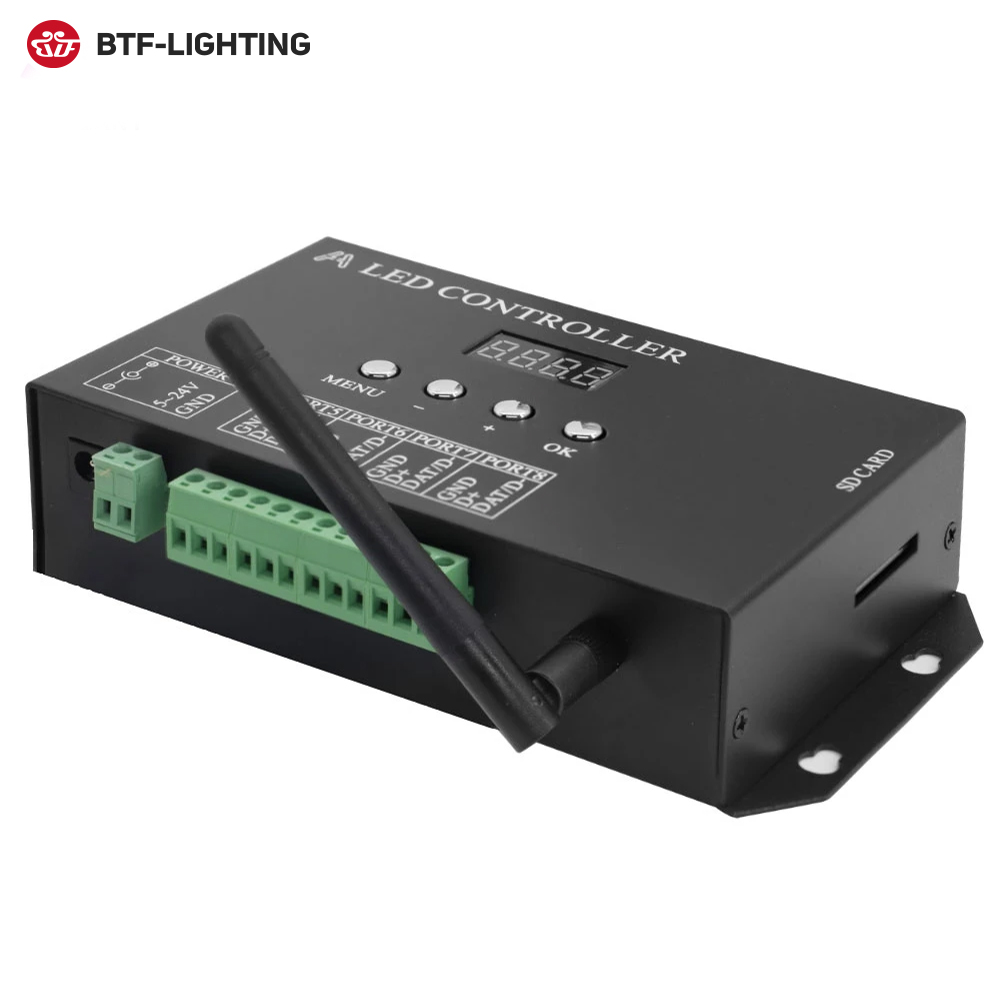
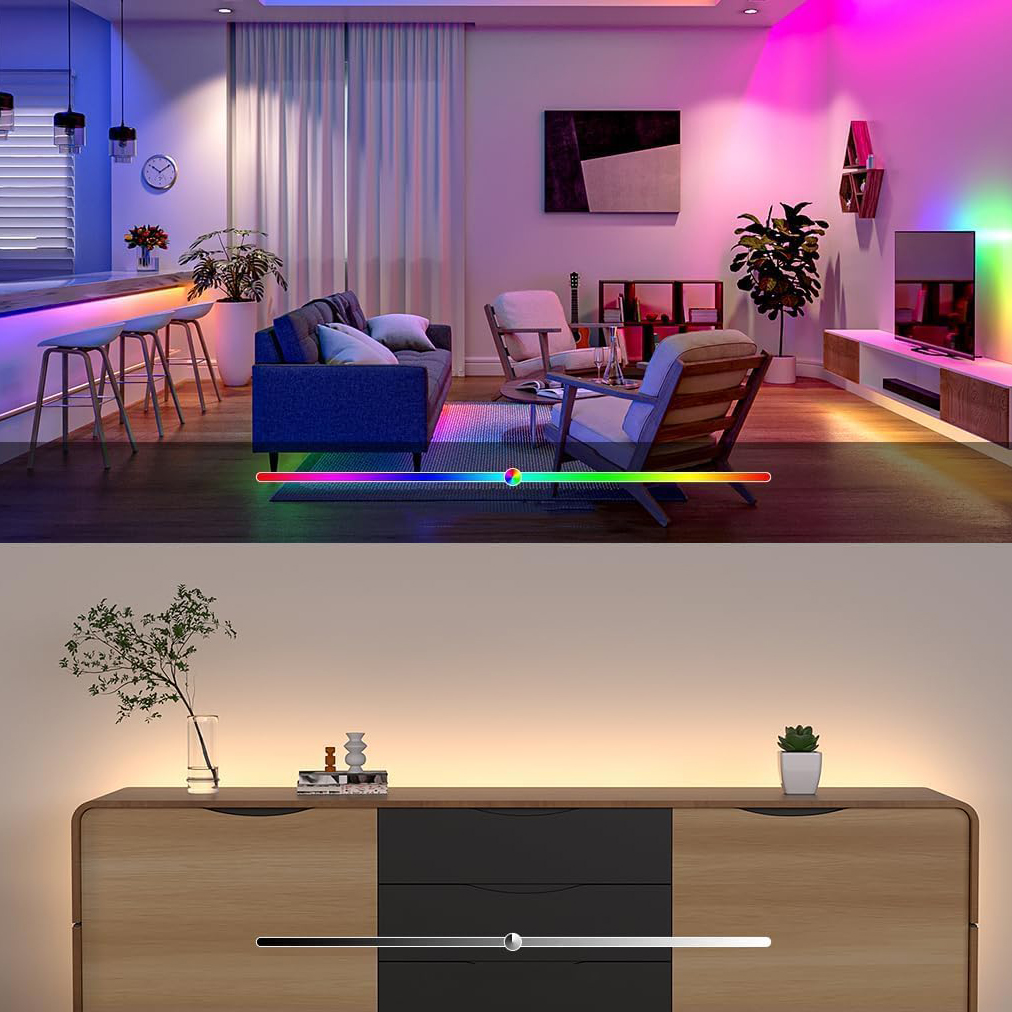

SPI Pixel Architecture & Signal Integrity Engineering
An in-depth analysis of Serial Peripheral Interface (SPI) addressable protocols, signal attenuation management, and thermal dissipation metrics for professional lighting integrators in Triesen.
Understanding SPI Protocol Mechanics
Serial Peripheral Interface (SPI) LED pixel strips rely on synchronous or asynchronous data transmission to manipulate individual light pixels or cut-table segments. Unlike standard non-addressable PWM LED strips—where every chip along the circuit shares an identical voltage supply line and dims simultaneously—SPI strips embed dedicated integrated circuits (ICs) directly inside the 5050/3535 SMD LED package or mount them adjacent to flip-chip dies on flexible printed circuits (FPC).
Data transmission utilizes single-wire NRZ (Non-Return-to-Zero) protocols (e.g., WS2811, WS2812B, SK6812) operating at data rates around 800 kbps, or dual-wire clock and data configurations (e.g., SK9822, APA102) achieving data transmission speeds exceeding 20 MHz. For architectural projects in Triesen requiring fluid motion graphics and zero flicker under high-speed video cameras, dual-wire SPI or high-refresh-rate single-wire protocols are essential.
Dual-Data Redundancy & Breakpoint Resume
Traditional single-line addressable strips present a single point of failure: if an individual IC or wire bond suffers damage due to physical stress or thermal degradation, all downstream pixels lose signal transmission and remain dark.
To solve this vulnerability in high-end Liechtenstein luxury residential and commercial installations, Shenzhen Livdo Lighting manufactures advanced dual-signal SPI pixel strips featuring WS2815 and GS8208 ICs. Incorporating both a primary data line (DI) and a backup data line (BI), the signal automatically bypasses a broken chip, passing data directly from the preceding pixel to the subsequent unit without interrupting the visual effect across long facade installations.
Engineering Matrix: Addressable IC Comparison
| Protocol / IC | Working Voltage | Signal Architecture | Data Speed / Refresh | Redundancy Channel | Ideal Triesen Application |
|---|---|---|---|---|---|
| WS2811 | DC12V / DC24V | Single Data Line (NRZ) | 800 kbps / ~400 Hz | No | Long architectural coves, outdoor outline lighting |
| WS2812B | DC5V | Embedded IC Single Wire | 800 kbps / ~2 kHz | No | Short DIY accent runs, cabinet fixtures, display units |
| WS2815 | DC12V | Primary + Backup Data | 800 kbps / ~2 kHz | Dual-Signal (DI/BI) | High-reliability commercial facades & public spaces |
| SK6812 RGBW | DC5V / DC12V | Single Wire 4-Channel | 800 kbps / ~1.2 kHz | No | Color-changing plus high-CRI pure white ambient lighting |
| GS8208 | DC12V | Primary + Backup Data | 800 kbps / ~8 kHz | Dual-Signal (DI/BI) | Flicker-free studio lighting, broadcast & high-speed photography |
| FCOB SPI (WS2811) | DC12V / DC24V | Continuous Phosphor / SPI | 800 kbps / High Uniformity | Optional Segment | Dot-free linear chasing effects in shallow aluminium channels |
Voltage Drop Math & Power Injection Principles for 12V/24V Systems
When deploying continuous linear pixel runs along long hotel corridors or structural soffits in Triesen, electrical resistance within the copper trace of the flexible PCB leads to a measurable voltage drop ($V_{drop}$). Excessive drop degrades color accuracy—causing pure white emissions ($R+G+B$) to shift toward a dull reddish tone at the end of the tape due to the higher forward voltage requirements of blue and green LED dies.
The voltage drop can be evaluated using Ohm’s Law and conductor resistivity:
Where L is the length of the run in meters, I is the total current draw in amperes, ρ is the resistivity of copper ($1.72 \times 10^{-8} \ \Omega\cdot\text{m}$), and A is the cross-sectional area of the FPC trace.
To eliminate color drift over extended runs, Shenzhen Livdo Lighting recommends selecting 24V FCOB SPI or 12V WS2815 strips over 5V legacy options. 24V architecture reduces total current draw by 75% compared to 5V systems at identical wattages, significantly reducing resistive heat generation and extending power injection intervals up to 10–15 meters.
Localized Applications for Triesen & Rhine Valley Integrators
From sub-zero outdoor mountain resort facades to low-glare indoor luxury chalets, explore how our custom OEM SPI pixel strips meet Liechtenstein’s strict aesthetic and climate requirements.
Luxury Alpine Hospitality & Resorts
In the alpine elevation regions surrounding Triesen and neighboring ski destinations like Malbun, exterior lighting fixtures face extreme temperature swings (ranging from -25°C winter freezes to +35°C direct sun exposure).
Our custom IP68 Solid Silicone Co-Extruded SPI Pixel Strips utilize UV-stabilized, anti-cracking silicone housing that remains completely flexible in freezing conditions. Combined with FCOB seamless technology, hotel facades achieve fluid, warm-tone dynamic light chasing that integrates harmoniously into wood and stone architecture.
Corporate Headquarters & Industrial Facilities
As part of Liechtenstein's prosperous industrial and financial hub along the Rhine, corporate facilities in Triesen require sophisticated architectural accent lighting, atrium accentuation, and dynamic status signaling.
Our SK6812 4-in-1 RGBW & RGBCCT FCOB strips deliver discrete addressable color shifts for corporate branding events alongside 95+ CRI warm/cool white illumination for regular office operations, controllable directly via building management systems (BMS) utilizing Art-Net to SPI gateways.
High-End Retail & Private Residences
Interior designers in Triesen demand dot-free illumination inside low-profile recessed profiles, floating cabinetry, and decorative coves where traditional SMD LED dots create harsh visual glare.
With an extreme chip density of up to 896 chips per meter, our 24V FCOB SPI addressable series emits a continuous, unbroken ribbon of light even when installed in ultra-shallow 6mm aluminum channels with clear lenses.
Custom OEM & ODM Capabilities for Wholesale Buyers
Partner directly with a certified manufacturer. We provide tailored hardware modifications, private-label packaging, and custom protocol programming for B2B buyers in Liechtenstein and DACH countries.
Tailored Hardware Customization
At Shenzhen Livdo Lighting Technology Co., Ltd., we go beyond off-the-shelf light strips. We engineer custom flexible circuit boards (FPC) tailored to the precise mechanical and electrical specifications of your project.
- FPC Copper Weight: Heavy 2oz or 3oz rolled copper traces for minimal resistance and maximum thermal dissipation.
- Custom Width & Cut Units: Ultra-narrow 5mm PCB for slim extrusions, or customized cut intervals down to 10mm segment lengths.
- Binning & Color Consistency: 3-Step MacAdam Ellipse (SDCM < 3) ensuring identical CCT across repeat wholesale re-orders.
- Custom Encapsulation: IP20, IP65 Nano-coating, IP67 Silicone Tube, and IP68 Solid Silicone Injection molding.
Smart Controller & Ecosystem Integration
An addressable strip is only as effective as the controller driving it. Livdo Lighting delivers complete system solutions, matching hardware SPI timing parameters with fully custom control hardware.
Tuya / Smart Life App Customization
Custom firmware integration, private branded mobile apps, custom UI dynamic scene presets, and seamless voice control mapping for Tuya WiFi/Bluetooth ecosystems.
Art-Net, DMX512 & SPI Decoders
High-density 4-port and 8-port Ethernet Art-Net controllers capable of mapping up to 32 universes of DMX data directly to SPI pixel strings without frame delay.
Compliance & Quality Protocols for the DACH Market
Commercial lighting fixtures imported into Triesen must satisfy rigorous European safety, electromagnetic compatibility, and eco-design standards.
CE & EMC Directives
High-frequency SPI data transmission lines can act as unintended RF radiators if PCB signal traces are poorly shielded. All Livdo Lighting SPI strips and controllers pass rigorous EMC testing (EN 55015 / EN 61547), guaranteeing zero interference with surrounding building automation, wireless networks, or medical equipment in Liechtenstein.
RoHS & REACH Material Safety
In strict compliance with EU Environmental Directives applicable in Liechtenstein, our manufacturing line strictly eliminates hazardous substances—including lead, mercury, cadmium, and hexavalent chromium—from solder pastes, PCB substrates, and silicone jacketing materials.
Ecodesign Energy Efficiency
With energy conservation top-of-mind across the Rhine Valley, our 24V FCOB SPI light engines deliver high luminous efficacy (up to 110 lm/W), helping commercial lighting designers meet stringent energy targets without compromising color rendering quality (CRI > 90, R9 > 50).
Procurement & Technical FAQ for Triesen Wholesalers
Clear answers to common technical, logistics, and OEM questions asked by electrical distributors, lighting integrators, and OEM brand owners.
What is the typical Minimum Order Quantity (MOQ) for wholesale and custom OEM orders?
For standard inventory items—such as standard WS2815 12V rolls, WS2812B reels, and stock SPI controllers—our standard MOQ starts from just 2 to 5 reels (5 meters per reel) or 1 to 5 pieces for controllers, facilitating easy sample evaluation. For custom OEM projects involving bespoke PCB width, custom FPC copper thickness, private-label branding, or specialized color temperatures, MOQ typically ranges between 500 to 1,000 meters depending on the engineering complexity.
How does FCOB SPI technology differ from traditional SMD addressable pixel strips?
Traditional SMD pixel strips mount discrete LED packages (such as 5050 or 3535) onto the FPC at set intervals (e.g., 30 or 60 LEDs per meter), creating bright hot spots that require deep aluminum channels and thick frosted diffusers to render smoothly. FCOB (Flip-Chip on Board) SPI strips mount hundreds of bare LED chips per meter beneath a continuous phosphor layer. This achieves a completely continuous, dot-free line of animated chasing light even when installed inside ultra-shallow extrusion channels.
Why should electrical contractors in Triesen prefer 12V or 24V SPI strips over 5V versions?
5V addressable strips (like standard WS2812B or SK6812) experience significant voltage drop after just 2.5 to 3 meters, causing severe color fading and necessitating frequent power injection wiring. 12V (WS2815) and 24V (FCOB SPI) systems drastically reduce operating current draw. This allows continuous runs up to 10 or 15 meters on a single power feed, saving labor hours, cabling costs, and power supply complexity on commercial jobsites in Liechtenstein.
What logistics shipping options and delivery timelines apply for freight to Liechtenstein?
We ship globally directly from our SGS-verified manufacturing factory in Shiyan, Shenzhen. For urgent project deadlines or sample orders bound for Triesen, air express delivery (via DHL, FedEx, or UPS) arrives in 4 to 7 business days. For large wholesale stocking orders, air freight (7 to 10 days) or sea/rail freight services (25 to 35 days under EXW, FOB, or DDP terms) are available to optimize your shipping costs.
Can you supply complete testing reports and compliance certificates for import clearance?
Yes. All Livdo Lighting products destined for European markets come complete with official test documentation. We provide CE EMC, CE LVD, RoHS, and FCC test reports issued by accredited laboratory partners, alongside full SGS factory audit verification reports.
How do dual-signal backup data lines (WS2815 / GS8208) function during pixel failure?
In single-wire SPI configurations, a failed IC halts data transmission to every remaining pixel in the chain. Dual-signal strips feature two data channels (DI and BI). The IC reads the secondary backup data line automatically if the primary input is severed or damaged. As long as two adjacent LEDs do not fail simultaneously, the rest of the strip continues to operate normally, making it the ideal choice for high-end commercial installations where maintenance access is difficult.
Why Partner with Shenzhen Livdo Lighting?
Founded in 2014, we combine state-of-the-art SMT automation with rigorous quality control to deliver world-class addressable LED strip solutions.
SGS-Verified Plant
2,053 m² dedicated production floor equipped with modern SMT lines, automatic reflow ovens, and waterproof extrusion channels.
100% Burn-in Testing
Every production roll undergoes continuous full-power burn-in aging and photometric check via integrating spheres prior to export packaging.
In-House R&D Team
Experienced firmware engineers and circuit designers ready to modify SPI timing protocols and develop custom control hardware for your brand.
Global B2B Supply Chain
Over 80% of our annual production output is exported to professional distributors and system integrators across North America and Western Europe.
Accelerate Your Lighting Projects in Triesen
Request our complete 2026 Wholesale Product Catalog, order factory-direct samples, or consult directly with our senior optical and hardware engineers regarding your custom OEM requirements.