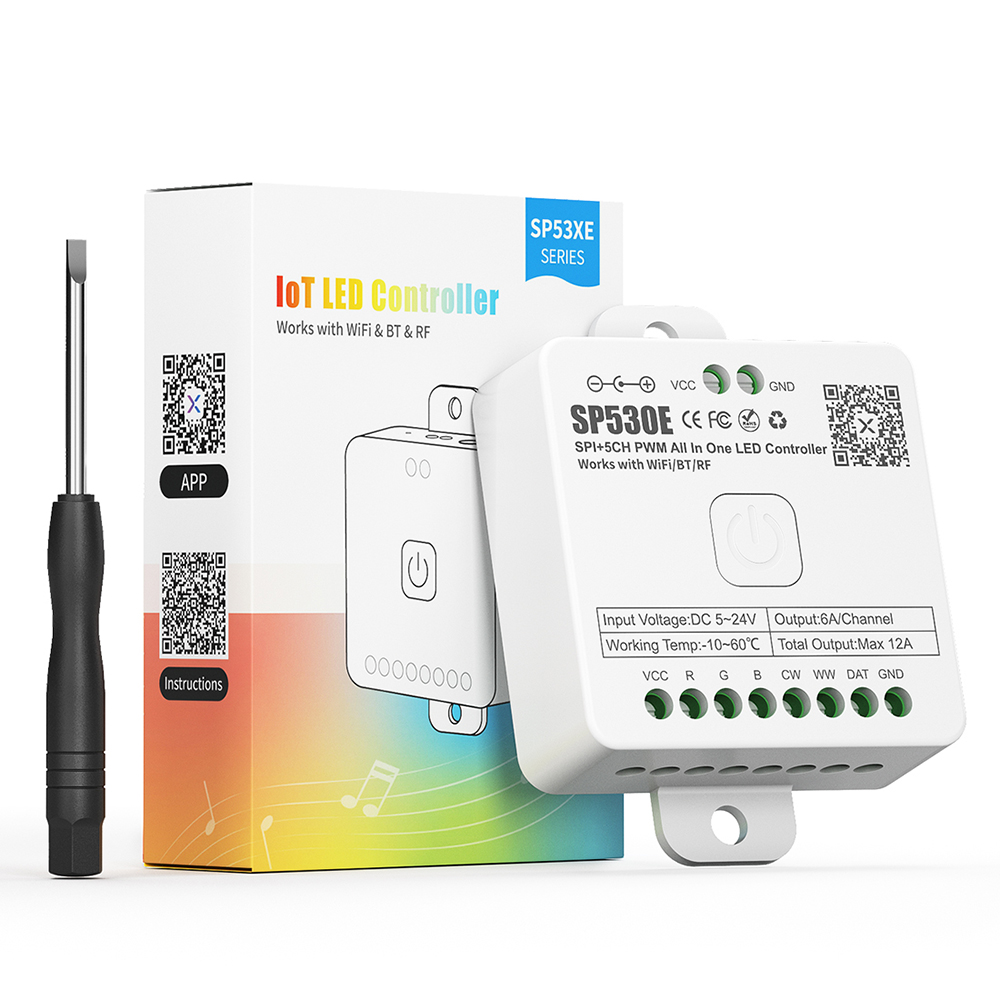
SP530E All in One LED Controller Wifi Alexa Google Home 5CH PWM SPI Pixels
Explore Specifications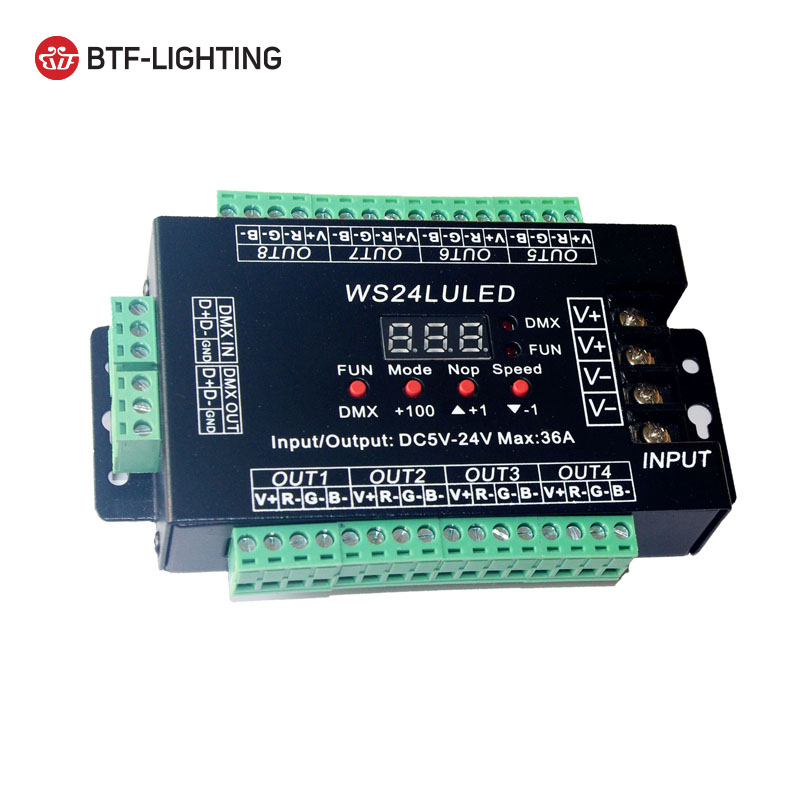
DC5V-24V 36A 8ports RGB Digital Display Decoder 24ch Dmx512 Controller
Explore Specifications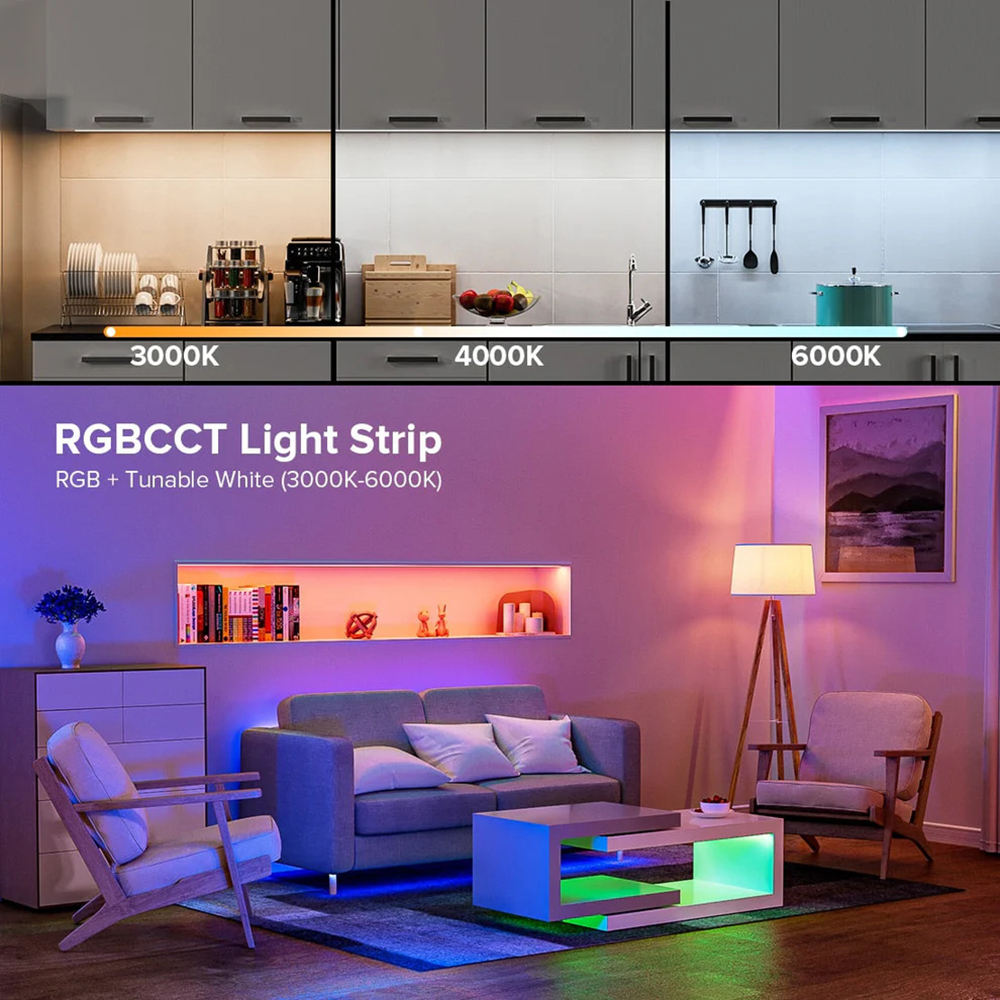
6Pin 12mm DC24V 840 LEDs RA90 Flexible IP30 Fcob RGB CCT Strip
Explore Specifications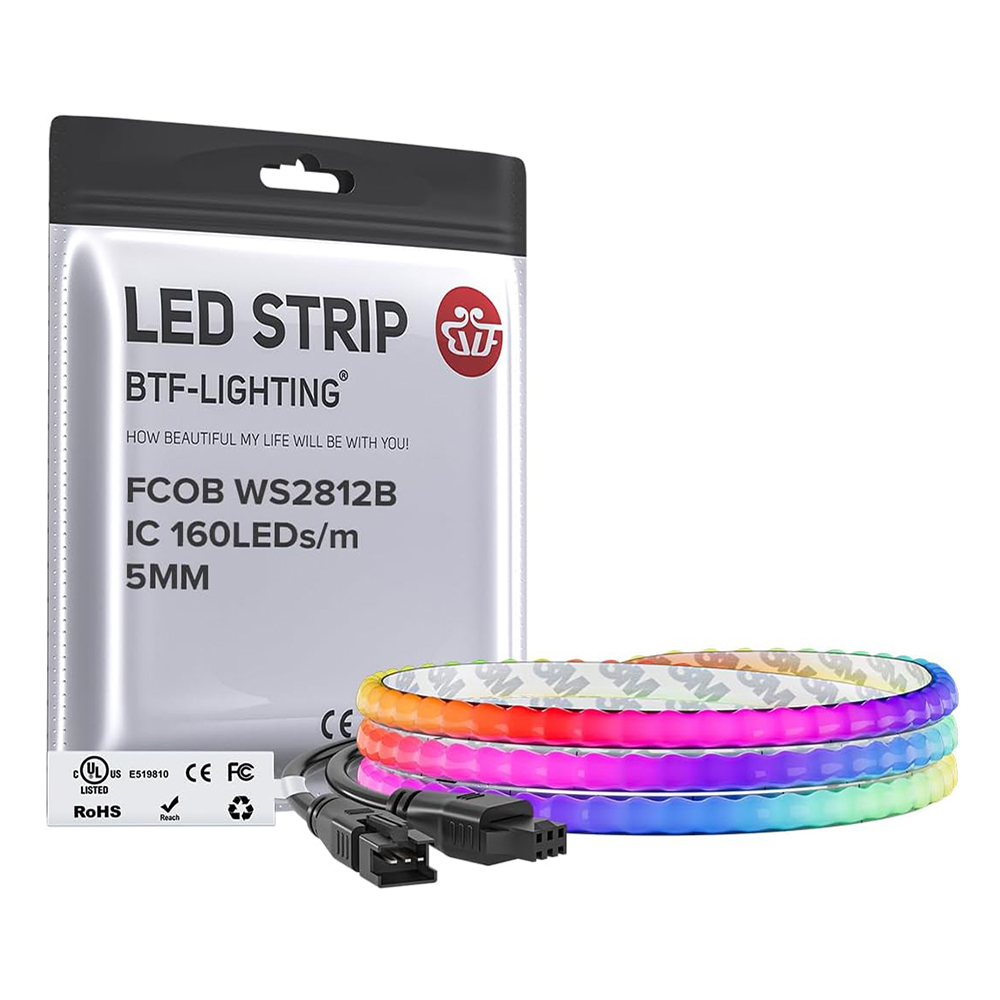
FCOB 5V 160Leds/m WS2812B Ultra Thin 5mm RGBIC Digital COB Strip
Explore Specifications
DC24V 840Leds/m RGBW RGB Dual White FCOB Addressable RGBCCT Strip
Explore Specifications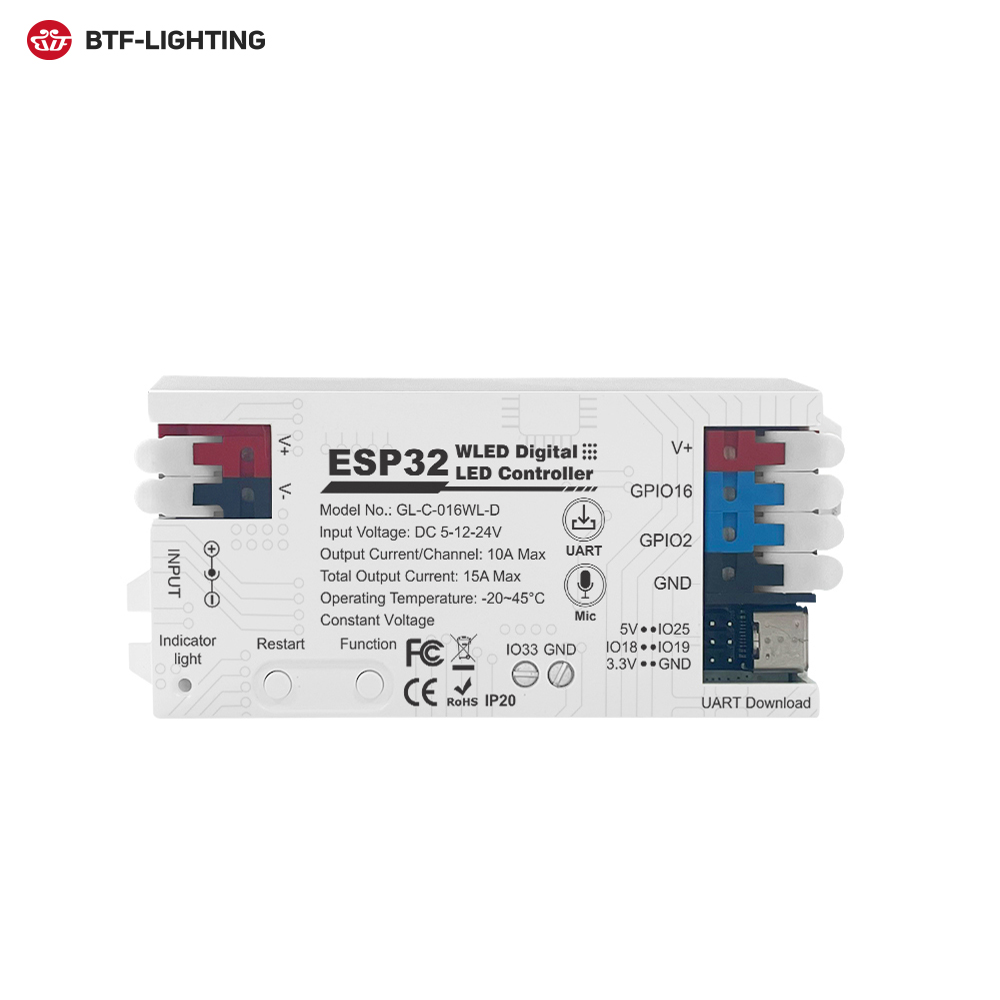
ESP32 Digital WLED Pixel Addressable WIFI APP Dynamic Controller
Explore Specifications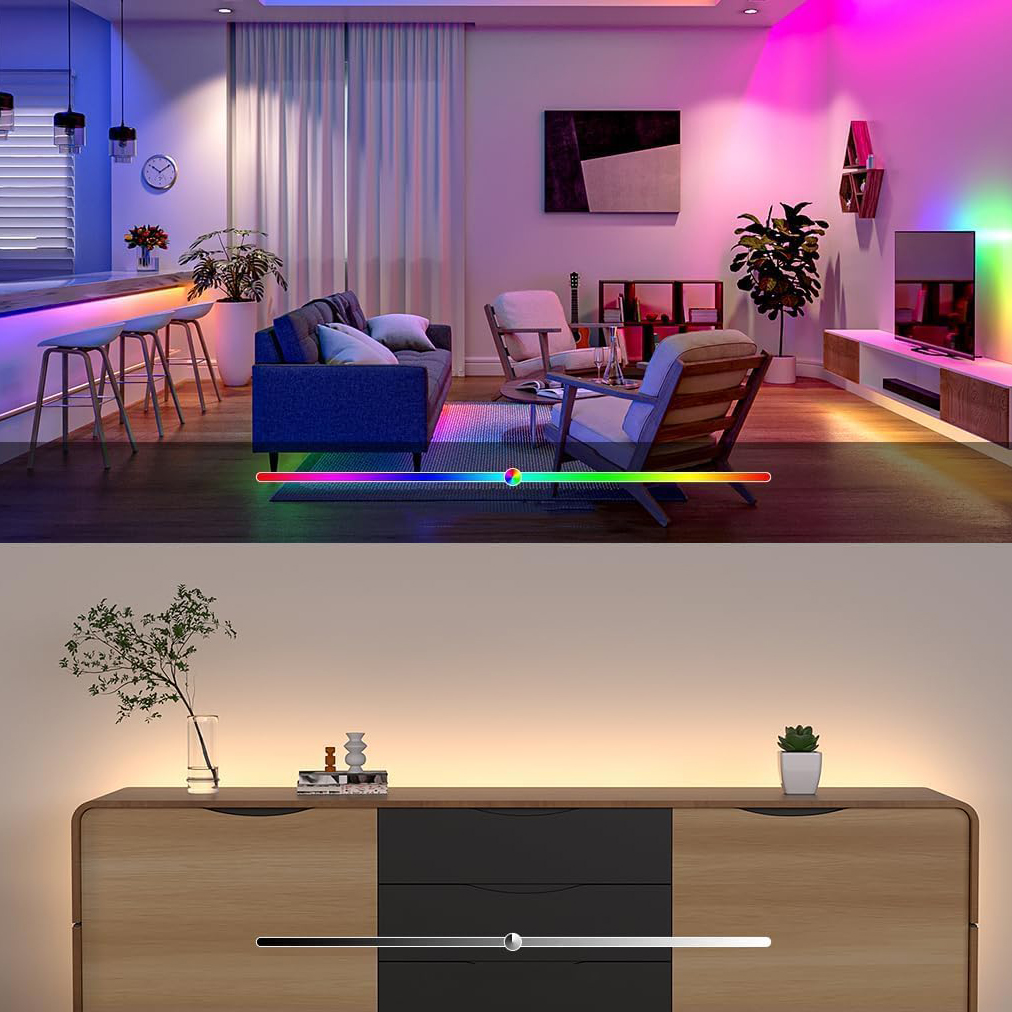
SPI SK6812 WS2814 12mm DC24V 896Leds/m RGBW Addressable Pixel COB Strip
Explore Specifications
Decorative CW WW Dual White DC24V 12mm 960Leds/m FCOB RGB CCT Strip
Explore Specifications1. Technical Whitepaper: Engineering RGBW LED Neon & FCOB Systems for South Tarawa's Atoll Environment
South Tarawa, the capital atoll of Kiribati, presents a uniquely severe microclimate for architectural and municipal lighting installations. Operating in narrow coastal strips exposed directly to the Pacific Ocean, outdoor illumination infrastructure must endure persistent tropical high humidity (RH exceeding 85% year-round), extreme ambient temperatures ranging from 28°C to 34°C, intense ultraviolet radiation (UV Index frequently exceeding 11+), and continuous exposure to airborne saline mist (marine corrosion severity classification C5-M / CX).
Standard PVC-encapsulated RGB and traditional SMD LED strips suffer rapid structural and photometric degradation under these combined environmental stressors. Plasticizer leaching caused by extreme solar UV radiation turns conventional PVC profiles brittle and yellow within 6 to 12 months, shifting chromaticity coordinates and degrading light transmission efficiency by up to 35%. Furthermore, salt fog penetration through micro-fissures causes immediate galvanic corrosion on bare copper traces and solder pads, leading to open circuits and premature catastrophic strip failure.
1.1 Photometric Uniformity via FCOB Flip-Chip Architecture
Traditional RGBW neon flex relies on discrete 5050 or 3535 SMD packages spaced 16mm to 32mm apart, requiring deep diffuser channels (15mm–20mm depth) to eliminate visible dark spots ("hotspots"). In low-profile architectural details common in Pacific eco-resort hospitality and civic pavilions, this results in uneven, spotty light distribution.
Our OEM manufacturing facility utilizes direct Flip-Chip-On-Board (FCOB) architecture. By wire-bonding bare LED die directly onto a flexible copper substrate at densities ranging from 784 to 960 chips per meter under a continuous linear phosphor matrix, optical spot-formation is completely eradicated at the source. This achieves a perfectly seamless, homogeneous line of light across all color channels—even when housed within shallow 5mm slim profiles.
1.2 DC Microgrid Integration & Voltage Drop Mitigation
Due to island energy infrastructure constraints in Kiribati, commercial and public developments in South Tarawa increasingly rely on localized solar Photovoltaic (PV) arrays paired with lithium-ion (LFP) battery storage banks. Lighting systems must interface directly with direct-current (DC) power networks without inefficient AC-DC double conversions.
Operating LED strips at DC5V or DC12V over extended linear distances (such as boardwalk perimeters, jetties, or hotel perimeter fencing) induces significant resistive voltage drops. Current drops reduce diode lumen output at the end of runs and cause noticeable chromaticity skew in RGBW channels due to differing forward voltage ($V_f$) requirements between Red (approx. 2.0V) and Blue/Green/White diodes (approx. 3.1V).
| Operating Voltage | Max Single-End Run Length | Current Draw (14.4W/m) | Voltage Drop Risk | South Tarawa PV Suitability |
|---|---|---|---|---|
| DC 5V (Pixel/COB) | 2.5 Meters | 2.88 A / m | Extreme (Requires frequent power injection) | Custom local indoor accenting; DIY electronics |
| DC 12V (WS2811/SMD) | 5.0 Meters | 1.20 A / m | Moderate (Power injection every 5-10m) | Standard small commercial installations |
| DC 24V (FCOB/WS2814) | 10.0 Meters | 0.60 A / m | Minimal (Constant brightness across long runs) | Optimal: Direct PV Battery Bank Integration |
For South Tarawa installations, specifying DC24V FCOB RGBW strips reduces line current by 50% compared to 12V systems for identical wattage. Lower current reduces $I^2R$ thermal dissipation across the PCB copper traces, prolongs driver operational lifespan, and ensures consistent chromatic accuracy across 10-meter continuous runs without intermediate power injection.
2. Localized Application Scenarios in South Tarawa & Kiribati Coastal Infrastructure
3. South Tarawa Procurement & Engineering FAQ
Q1: How do your RGBW LED neon profiles resist salt-spray corrosion at Betio Port?
Our outdoor-grade neon products utilize an integrated IP68 solid silicone co-extrusion process (not hollow PVC tubes). The liquid silicone fully encapsulates the flexible PCB and flip-chips, leaving zero air pockets where saltwater condensate could collect. Additionally, all solder joints are sealed with marine-grade anti-corrosive epoxy, and connection leads use IP68 screw-locking molded cables tested under ASTM B117 salt spray chamber protocols for over 1,000 continuous hours.
Q2: Can these LED strips be powered directly by existing solar PV battery banks in Kiribati?
Yes. Our DC24V FCOB and pixel strip families are fully compatible with standard off-grid solar charge controller load terminals or DC busbars (ranging operating windows of 22V to 26V DC). For installations utilizing 12V battery banks, we supply wide-input DC-DC buck regulators to maintain constant current and prevent voltage spikes during peak solar charging hours.
Q3: What is the lead time and shipping protocol for orders dispatched to South Tarawa?
Standard factory production cycles for customized OEM orders range from 7 to 12 business days. For shipments to Kiribati, we offer sea-freight packaging in vacuum-sealed moisture-proof anti-static bags inside reinforced export cartons via Betio Port, or express air freight to Bonriki International Airport (TRW) for urgent project replacements.
Q4: Why select SPI addressable RGBW over standard 4-channel PWM strips for resorts?
SPI addressable strips (such as WS2814 or SK6812) allow individual control over specific segments or pixels along a single continuous strip. This enables sophisticated dynamic lighting scenes—such as chasing waves, gentle warm-white sweeps, or gentle pulsing—controlled via smart WiFi/Bluetooth mobile apps (like Tuya or SP530E) or central DMX consoles, giving luxury venues elevated visual appeal.
Q5: How does silicone encapsulation perform under South Tarawa's extreme UV radiation?
Un-stabilized plastics yellow and crack under intense tropical UV exposure. Our factory uses 100% optical-grade silicone polymer formulations with added organosilicon UV inhibitors. This material maintains over 95% optical clarity and structural elasticity after 5,000 hours of accelerated QUV weathering tests, preventing the hardening, yellowing, and cracking common in lower-grade PVC products.
Q6: What minimum order quantities (MOQ) apply for custom PCB widths or localized packaging?
While standard reel lengths (5m/roll) are kept in stock with flexible low MOQs (2 to 5 rolls), custom OEM projects—such as specific PCB copper thickness (3oz for low voltage drop), custom wire lengths, or private-label branding—typically start at an accessible threshold of 100 meters per custom specification.
4. Enterprise Manufacturing Capabilities: Shenzhen Livdo Lighting Co., Ltd.
Shenzhen Livdo Lighting Technology Co., Ltd. is a premier, SGS-verified manufacturer specializing in flexible LED strip light innovation, FCOB technology, and intelligent SPI/PWM control systems. Founded in 2014, our 2,053 square-meter state-of-the-art facility operates high-speed automated SMT placement lines, reflow soldering ovens, continuous silicone extrusion pipelines, and comprehensive optical testing laboratories.
4.1 Quality Control & Testing Rigor
Every reel leaving our production floor undergoes a multi-stage Quality Assurance (QA) protocol engineered to eliminate field failure risks before international dispatch:
- Raw Material Inspection: Microscopic bonding inspection of bare LED flip-chips, copper purity validation (2oz/3oz FPC), and spectrophotometer binning to guarantee SDCM < 3 color consistency.
- In-Line Automated Optical Inspection (AOI): Real-time scanning during SMT placement to identify cold solder joints, misaligned ICs, or bridged traces.
- 100% Power-On Burn-In Aging: Every finished strip is subjected to a continuous 8-hour thermal and electrical load test in dedicated aging racks.
- Environmental Chamber Testing: Random batch sampling undergoes thermal shock testing (-40°C to +80°C), salt spray corrosion testing (ASTM B117), and IP68 water submersion verification.
4.2 OEM/ODM Customization Capabilities
We empower lighting designers, electrical contractors, and wholesale distributors in the Pacific region by offering end-to-end customization services:
| Customization Dimension | Available Engineering Options |
|---|---|
| PCB Design & Thickness | 5mm, 8mm, 10mm, 12mm width; 2oz / 3oz rolled copper substrate; White/Black mask |
| Encapsulation Grades | IP20 (Indoor bare), IP65 (Silicone spray), IP67 (Silicone tube), IP68 (Solid silicone co-extrusion) |
| Spectrum & Color Tuning | Custom CCT (1800K–6500K), High CRI (RA90/RA95), Monochromatic, RGB, RGBW, RGBCCT |
| Control IC Integration | WS2811, WS2812B, WS2815 (Dual Data), SK6812, WS2814, GS8208, DMX512 direct-on-board |
| Packaging & Branding | Private label reel stickers, custom reel lengths (5m, 10m, 50m), anti-static bag artwork |
Request a Customized Quotation & Technical Consultation
Contact our engineering team today for project-specific pricing, Photometric IES files, sample kits, or tailored DC microgrid lighting layout assistance for your South Tarawa developments.