Specifier’s Choice: Premium LED Strips & Smart Pixel Controllers
Engineered for seamless integration into British commercial spaces, high-end residential interiors, and exterior linear neon channels.
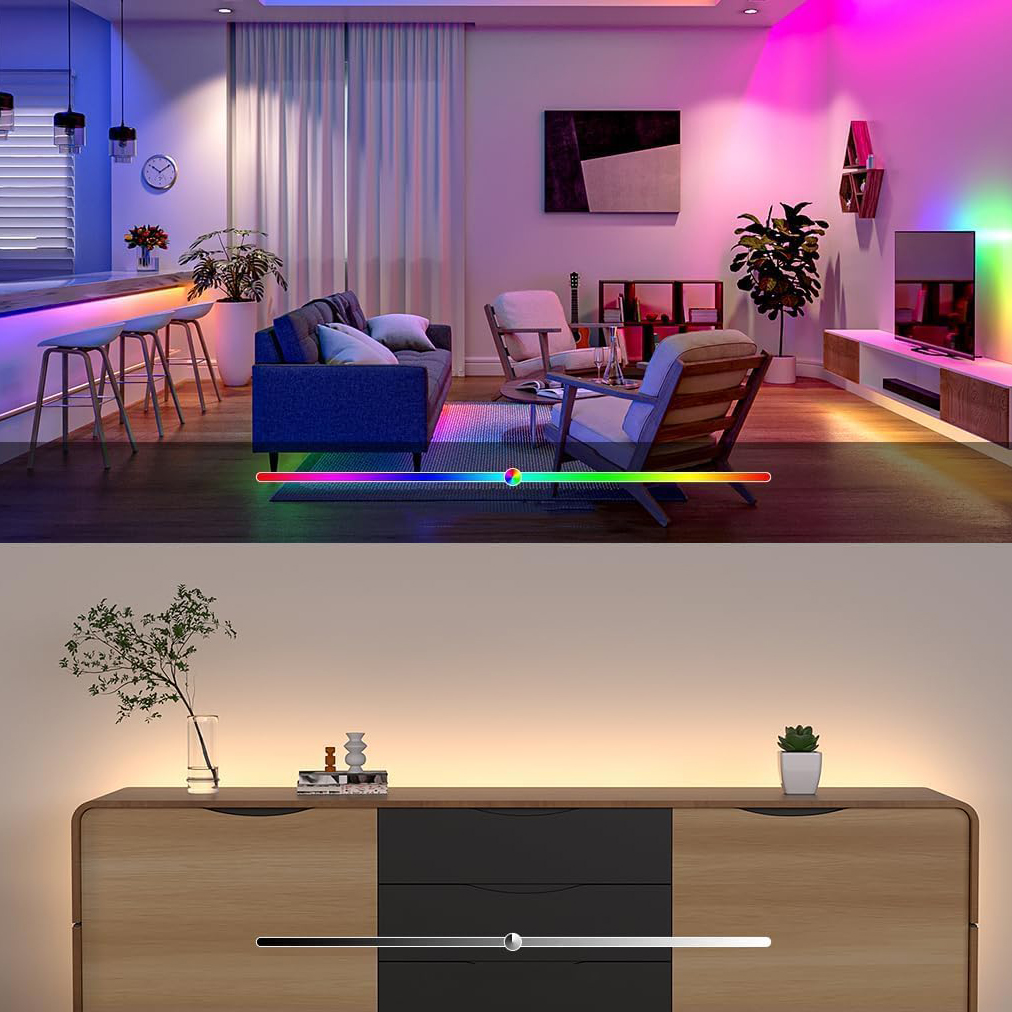
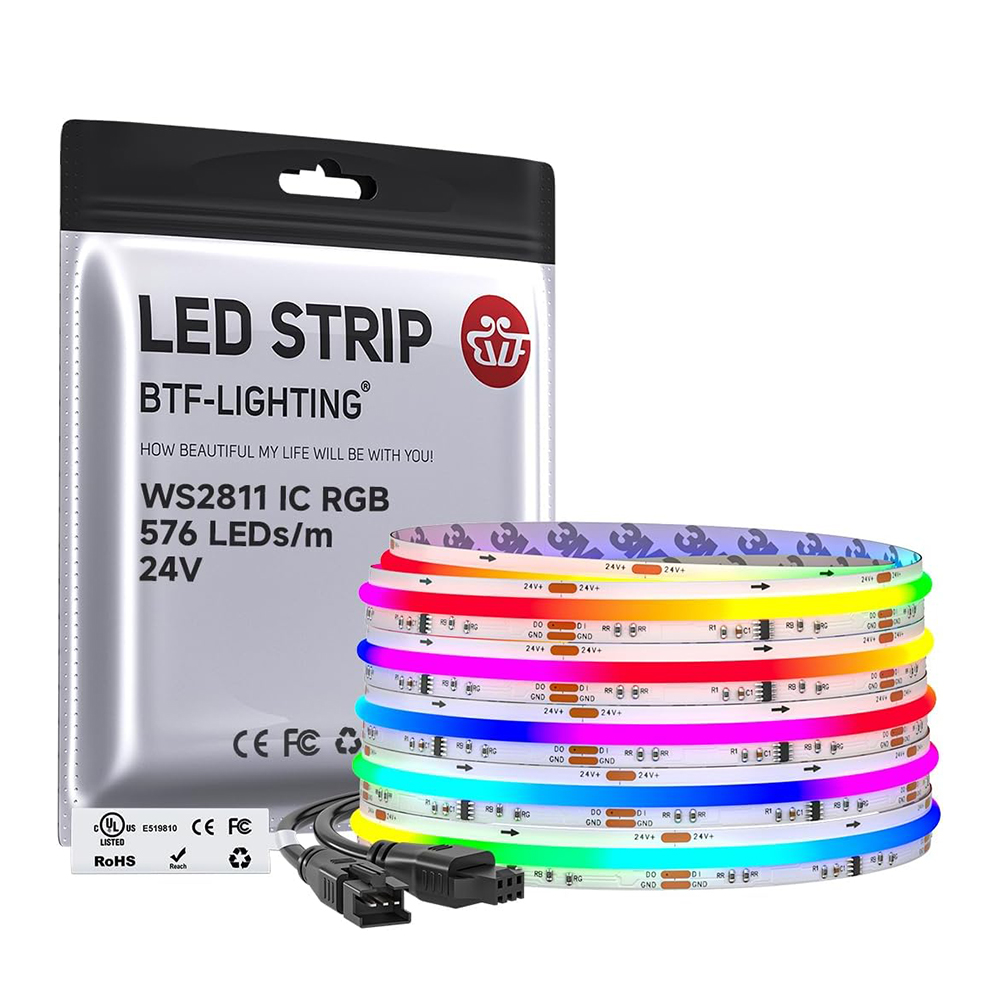
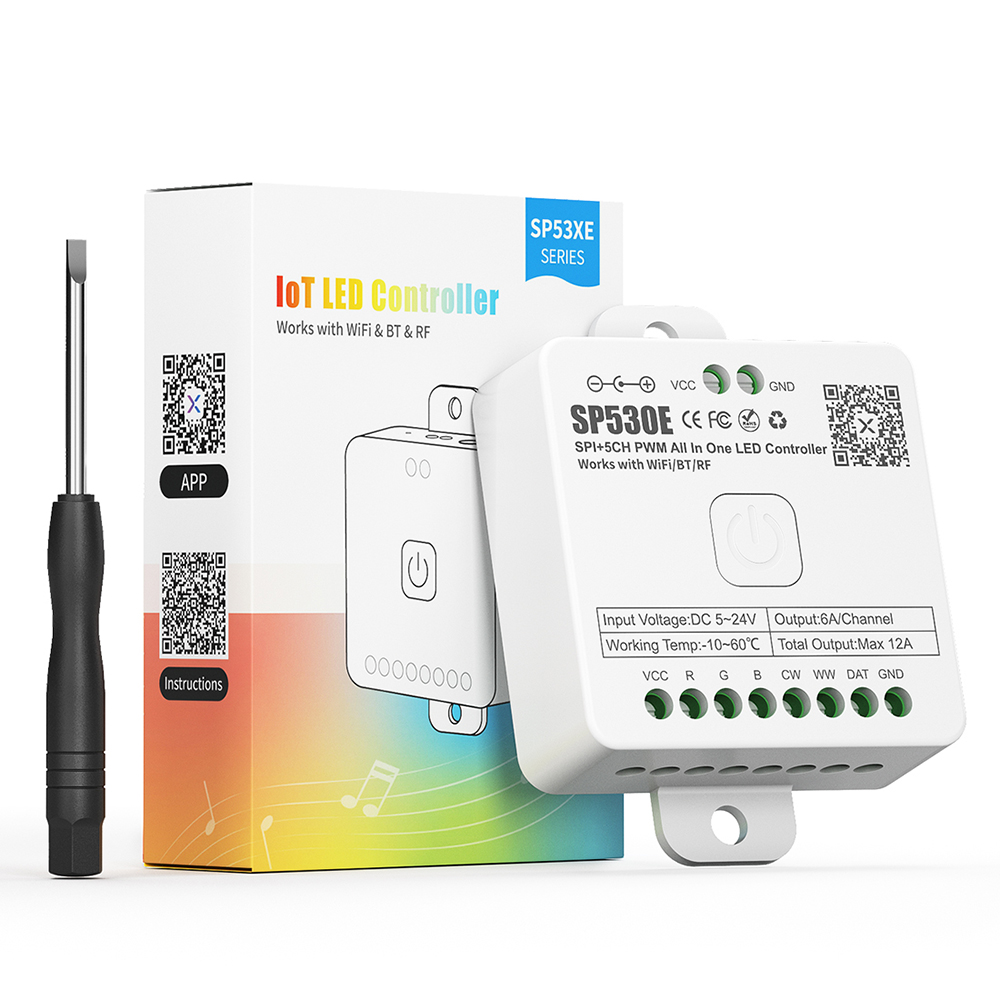
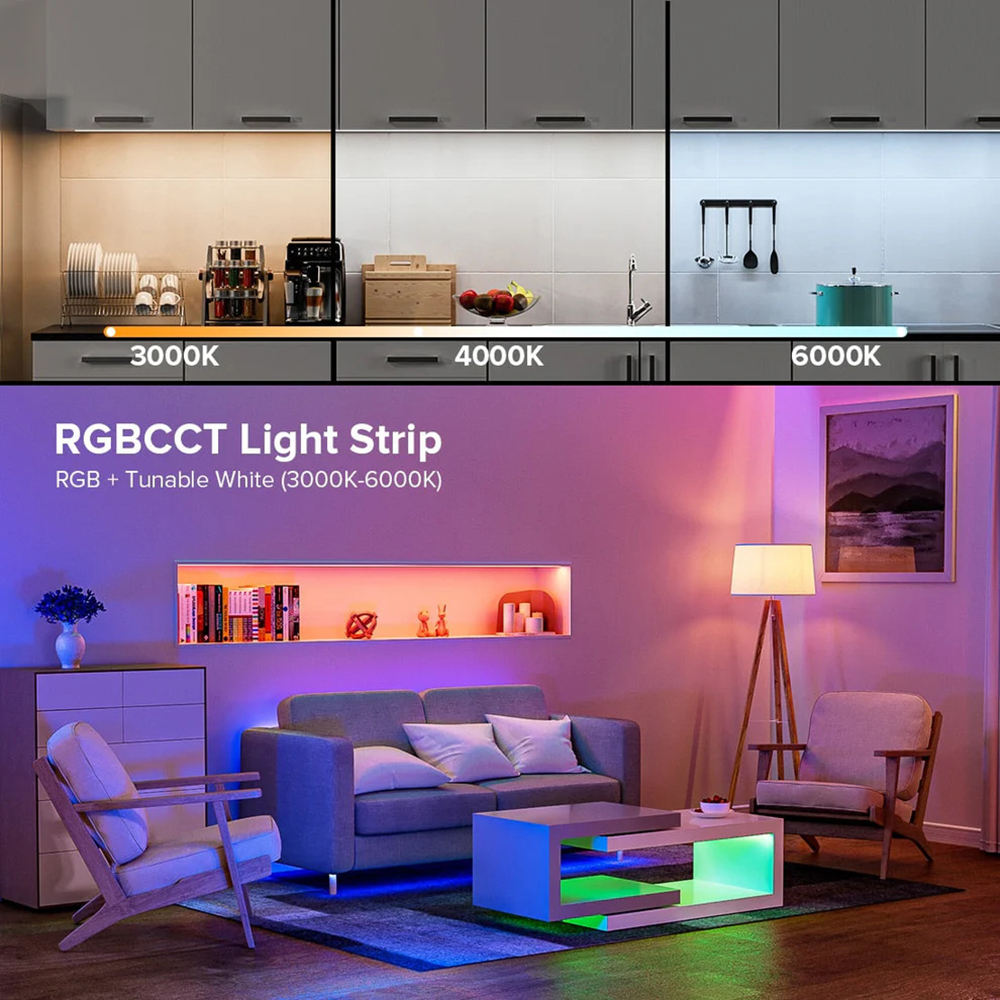


Executive Industry Analysis: The Evolution of Silicone Neon Flex in the UK
The UK architectural and commercial lighting sector has undergone a fundamental shift away from traditional glass neon tubes and legacy Polyvinyl Chloride (PVC) flexible linear profiles toward high-grade Silicone Co-Extrusion Neon Flex. Driven by the UK Government's strict building regulations, stringent Net Zero 2050 targets, and harsh North Atlantic climatic conditions, lighting designers, CIBSE engineers, and electrical contractors now demand permanent, UV-stable, and flame-retardant linear light solutions.
Material Comparison Matrix: Optical Silicone Extrusion vs. PVC & Polyurethane (PU)
For UK buyers evaluating long-term total cost of ownership (TCO) across public sector infrastructure, outdoor commercial facades, and luxury retail fit-outs, material selection dictates failure rates. The technical matrix below highlights the mechanical and chemical advantages of food-grade silicone:
| Performance Parameter | Food-Grade Silicone (Livdo Standard) | Polyvinyl Chloride (PVC) | Polyurethane (PU) |
|---|---|---|---|
| Operating Temp Range | -50°C to +200°C (Freeze-Thaw Resistant) | -10°C to +50°C (Brittle in winter) | -20°C to +80°C (Moderate) |
| UV Resistance (EN ISO 4892-2) | Grade 5 (Zero yellowing / 5,000 hrs exposure) | Grade 2 (Severe browning & embrittlement) | Grade 3.5 (Slight discoloration) |
| Acid, Salt & Moisture Protection | Excellent (Immunity to coastal saline air) | Poor (Reacts with airborne pollutants) | Good (Susceptible to hydrolysis) |
| Fire Safety Rating (UK Regulations) | BS EN 60598-1 Self-Extinguishing, Halogen-Free | Emits toxic Chlorine gas under combustion | Requires expensive flame retardant additives |
| Bending Flexibility & Memory | High elastic recovery; zero cracking on tight bends | High memory retention; kinks easily | Medium flexibility; stiffens at low temp |
Localized UK Architectural & Commercial Application Scenarios
From historical Grade I listed facade restorations in London to coastal promenade lighting in Cornwall, silicone neon flex offers engineered versatility.
1. Heritage Refurbishment & Listed Buildings (London, Edinburgh, Bath)
Preserving historic British architecture requires zero-impact, highly discreet lighting profiles. Silicone neon flex with ultra-slim cross-sections (as low as 4mm x 10mm side-bending) allows architectural integrators to trace ornate stone carved friezes, Victorian archways, and Georgian cornices without installing bulky metal housing channels. The continuous dot-free output ensures soft, non-glare washing that highlights historic stone masonry without visual pollution.
2. High-End Commercial Retail & Shopping Centres (Manchester, Birmingham, Leeds)
Modern retail destinations such as the Bullring in Birmingham or the West End in London prioritize high-CRI (RA>90) and dynamic tuning. Utilizing FCOB (Flip-Chip on Board) Silicone Neon Flex, designers eliminate LED pixel dots even when placed inside shallow recessed cove slots or glass cabinet trims. Combined with Tuya WiFi or DALI-2 dimming, retailers easily transition between warm ambient retail lighting during winter months and vibrant RGBW dynamic scenes during promotional campaigns.
3. Coastal Real Estate, Piers & Hospitality (Brighton, Cornwall, Scottish Isles)
UK coastal regions expose outdoor lighting to aggressive ocean saltwater spray, wind-driven rain, and heavy moisture. Standard IP65 strips with glued end-caps fail within months due to moisture ingress caused by thermal expansion pressure differences. Livdo’s IP68 silicone neon flex features integrated injection-molded seamless end-connectors, creating a completely sealed monolithic silicone capsule that easily withstands continuous exposure to marine environments.
4. Modern Office Atriums & Well-Being Spaces (City of London, Bristol Tech Hubs)
Human-Centric Lighting (HCL) is now standard across UK BREEAM-certified office developments. By specifying Tunable White (2700K to 6500K) silicone neon flex driven by SPI or PWM smart controllers, corporate occupiers automate circadian rhythm lighting schedules—boosting employee focus during dark UK winter mornings with cool white light and softening to warm white light during evening hours.
UK Market Development & Smart Lighting Trends (2025–2030)
Key technical drivers shaping the purchasing decisions of British lighting distributors and OEM brand buyers.
Smart Home & Building Automation (Casambi, DALI-2, Matter)
The UK commercial sector favors Casambi wireless mesh node integration, while residential builds migrate to Matter over Thread. Silicone neon flex systems must offer low-voltage compatibility (DC24V) with high-frequency PWM switching to prevent camera flicker in smart offices.
Net Zero Energy Efficiency & EcoDesign Directives
UK EcoDesign ERP regulations enforce higher lumen-per-watt thresholds. Flip-chip FCOB silicone neon flex delivers up to 110 lm/W light output with superior thermal dissipation through thermal conductive silicone compounds, extending L80B10 operational lifespan to >50,000 hours.
UKCA Marking & Low Smoke Zero Halogen (LSZH) Compliance
Post-Brexit regulations require full UKCA certification for electronic imports. Furthermore, for underground transit, escape routes, and public buildings under BS 7671 regulations, silicone neon flex is specified for its inherent LSZH non-toxic emission characteristics during fires.
Why UK B2B Wholesalers Partner with Shenzhen Livdo Lighting
Verified factory transparency, advanced engineering capability, and full compliance assurance for global importers.

Shenzhen Livdo Lighting Technology Co., Ltd. — SGS Onsite Verified Facility (Founded 2014)
2,053 m² Verified Footprint
Houses 3 automated SMT lines, precision silicone extrusion equipment, and cleanroom assembly zones.
100% Quality Burn-In Testing
Every meter of silicone neon flex and digital pixel strip undergoes 8 to 24 hours of continuous powered aging.
In-House Spectroradiometer Lab
Strict MacAdam Ellipse SDCM < 3 color binning control guarantees batch-to-batch CCT consistency for long-term UK projects.
Custom OEM / ODM Engineering
Bespoke PCB widths, customized IC protocols (WS2811, WS2815, SK6812), custom wire lengths, and private label packaging.
Salt Spray & Environmental Testing
Verified under accelerated humidity and saline fog chambers to ensure 100% reliability in maritime climates.
Export-Ready Compliance
Full technical documentation packages supplied including CE, RoHS, FCC, UKCA, and Declaration of Conformity (DoC).
Frequently Asked Questions for UK Buyers & Importers
Technical and commercial guidance for purchasing direct from an SGS-verified Chinese factory.
What certifications are provided to clear UK customs smoothly?
How does silicone neon flex prevent voltage drop over long architectural runs?
What is the Minimum Order Quantity (MOQ) and lead time for shipments to the UK?
Can Livdo provide IP68 waterproof silicone neon flex for submersed coastal installations?
What is the difference between Top-Bending and Side-Bending silicone flex?
Are your digital SPI pixel controllers compatible with UK smart home systems?
Request a Custom Wholesale Quote or Engineering Sample
Consult directly with our engineering team for project pricing, customized silicone neon flex profiles, and UKCA compliance documentation packages.